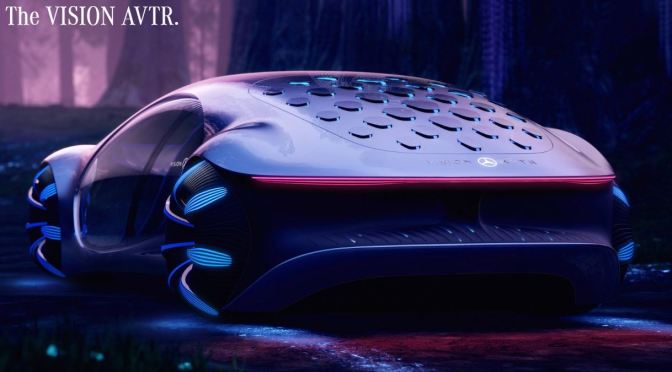
Mercedes-Benz and the upcoming “Avatar” films – what at first seemed to be an unexpected global partnership, turned into a unique interdisciplinary experience.
Inspired by the world of “Avatar”, the two partners created the astonishing VISION AVTR. In this exclusive behind-the-scenes feature, key team members from both parties share their thoughts on the cooperation process and provide fascinating insights into the concept vehicle itself.
The Chevrolet Impala is a full-size car built by Chevrolet for model years 1958 to 1985, 1994 to 1996, and 2000 onward. The Impala is Chevrolet’s popular flagship passenger car and is generally among the better selling American made automobiles in the United States.
The 1959 Chevrolet Impala was redesigned. Sharing bodyshells with lower-end Buicks and Oldsmobiles as well as with Pontiac, part of a GM economy move, the Chevrolet’s wheelbase was 1-1/2 inches longer. Using a new X-frame chassis, the roof line was three inches lower, bodies were two inches wider, and curb weight increased. Its tailfins protruded outward, rather than upward. The taillights were a large “teardrop” design at each side, and two slim-wide nonfunctional front air intake scoops were added just above the grille,
The Impala became a separate series, adding a four-door hardtop and four-door sedan, to the two-door Sport Coupe and convertible. Sport Coupes featured a shortened roof line and wrap-over back window. The standard engine was an I6, while the base V8 was the carryover 283 cu in (4.6 L), at 185 hp (138 kW). Optional were a 283 cu in with 290 hp (220 kW) and 348 cu in (5.7 L) V8 up to 335 hp (250 kW). Standard were front and rear armrests, an electric clock, dual sliding sun visors, and crank-operated front vent windows. A contoured hooded instrument panel held deep-set gauges. A six-way power seat was a new option, as was “Speedminder”, for the driver to set a needle at a specific speed and a buzzer would sound if the pre-set was exceeded.
From a Nuro online Blog news release (February 6, 2020):
Today, the US Department of Transportation (DOT) and the National Highway Traffic Safety Administration (NHTSA) approved a regulatory exemption for R2, Nuro’s second-generation vehicle. As the first company to be granted approval for a self-driving vehicle exemption, it’s an important moment for Nuro and a milestone for the industry. Under Secretary of Transportation Elaine Chao’s leadership, DOT is advancing a future of improved safety, mobility, and commerce.
This decision provides regulatory certainty for Nuro to operate our second-generation self-driving vehicle, built to carry packages instead of people. We custom-designed R2 to enrich local commerce with last-mile delivery of consumer products, groceries, and hot food from local stores and restaurants. With its specially designed size, weight, pedestrian-protecting front end, operating speed, electric propulsion, and cautious driving habits, R2 is ready to begin service as a socially responsible neighborhood vehicle that you can trust. In the coming weeks, R2 will begin public road testing to prepare for its first deliveries to customers’ homes with our partners in Houston, Texas. With this vehicle, we can also bring our service to new cities, so more Americans can benefit from safe, efficient, convenient on-demand deliveries.
Packard Super Eight was the name given to the larger of the two eight-cylinder luxury automobiles produced by the Packard Motor Car Company of Detroit, Michigan. It shared frames and some body types with the top model Packard Twelve. Following the discontinuation of the Seventeenth Series Packard Twelve after the 1939 model year, a new Super Eight One-Eighty was derived from the Super Eight as the new top car range. The Super Eight was renamed the Packard Super Eight One-Sixty.
After 1942, Packard concentrated on the new Clipper styling that was developed for an upper-class sedan the previous year. There were Super Clippers and Custom Super Clipper in the One-Sixty and One-Eighty tradition until 1947. After a heavy facelift, the name Clipper was dropped. The most senior Super Eight One-Eighty became the Custom Eight, while its slightly lower-priced sibling, the Super Eight One-Sixty, once again became simply the Super Eight. Clipper Custom Super Eights and Custom Eights were very close relatives to their respective Super models, distinguished outside by the lack of an eggcrate grille and small rear chrome trim moulding under the trunk lid on Supers. In 1949, a new Super Eight Deluxe was added to the line. This car had also the Custom Eight’s eggcrate grille, but not the rear trim.
A behind-the-scenes look at what it takes to build a new kind of car company. Follow the Rivian team out of stealth mode and into the wild as we prepare to launch the world’s first electric adventure vehicles.
The Cord 810, and later Cord 812, was a luxury automobile produced by the Cord Automobile division of the Auburn Automobile Company in 1936 and 1937. It was the first American-designed and built front wheel drive car with independent front suspension. It followed the 1934 Citroën Traction Avant and the Cord L-29, both of which also had front wheel drive. Both models were also the first to offer hidden headlights.
The styling of the Cord 810 was the work of designer Gordon M. Buehrig and his team of stylists, which included young Vince Gardner and Alex Tremulis. While the first American front-wheel-drive car with independent front suspension, it had an archaic tube rear axle with semi-elliptic rear springs. Power came from a 4,739 cc (289 cu in) Lycoming V8 of the same 125 hp (93 kW) as the L-29. The semi-automatic four-speed transmission (three plus overdrive) extended in front of the engine, like on a Traction Avant. This allowed Buehrig to dispense with the driveshaft and transmission tunnel; as a result, the new car was so low it required no running boards. It had a 125 in (3,175 mm) wheelbase (shared with several 812 body styles), and in 1936 came in four models: the entry-level sedan at US$1995, the Beverly sedan ($2095), Sportsman ($2145), and Phaeton ($2195). The 1937 812s had the same models, priced $2445, $2545, $2585, and $2645, plus two more, on a 132 in (3,400 mm) wheelbase, the $2960 Custom Beverly and $3060 Custom Berline.
It’s “Groundhog Day” all over again as Jeep brand debuts a Big Game spot starring Bill Murray (in his first-ever national television commercial). But this time reliving the same day over and over again is always a new adventure when you’re driving the 2020 Jeep Gladiator. Jeep. There’s only one.
From AdWeek:
It is fortuitous that the Super Bowl falls on Groundhog Day. Yet it seems as though only one brand, Jeep, has taken advantage of that fact so far, with Bill Murray reprising his role as Phil Connors, the Pittsburgh weather reporter who relives the same day over and over in Punxsutawney, Pa.
The 60-second Super Bowl ad, done by Chicago-based agency Highdive, reprises the classic 1993 film Groundhog Day. And while a younger generation may not necessarily know the movie, it’s an easy gag to understand. Of course, Murray is an outsized cultural icon, and the fact that the brand is using real characters from the film (Brian Doyle-Murray and Stephen Tobolowsky also appear in their original roles) makes the spot very strong.
The winter break is finally over and the automotive year is about to kick off in emphatic fashion at Rétromobile, undeniably the finest event of its type on the planet.
The annual salon is Paris provides manufacturers with a stage on which to show off their commitment to preserving their precious pasts, dealers the chance to set out their stalls and signal their intentions for the coming year and humble enthusiasts like us an opportunity to ogle thousands of collectable cars ranging from the affordable and the obscure to the rare and the downright priceless.
Dozens of new electric-vehicle models are expected to arrive at dealerships in the next few years. We followed eight Wall Street Journal reporters in four countries to see if they, and the world, are ready to make the switch.
News, Views and Reviews For The Intellectually Curious


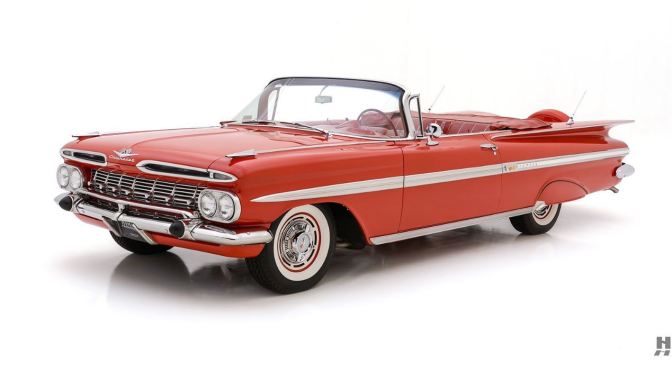
 The Chevrolet Impala is a full-size car built by Chevrolet for model years 1958 to 1985, 1994 to 1996, and 2000 onward. The Impala is Chevrolet’s popular flagship passenger car and is generally among the better selling American made automobiles in the United States.
 The Impala became a separate series, adding a four-door hardtop and four-door sedan, to the two-door Sport Coupe and convertible. Sport Coupes featured a shortened roof line and wrap-over back window. The standard engine was an I6, while the base V8 was the carryover 283 cu in (4.6 L), at 185 hp (138 kW). Optional were a 283 cu in with 290 hp (220 kW) and 348 cu in (5.7 L) V8 up to 335 hp (250 kW). Standard were front and rear armrests, an electric clock, dual sliding sun visors, and crank-operated front vent windows. A contoured hooded instrument panel held deep-set gauges. A six-way power seat was a new option, as was “Speedminder”, for the driver to set a needle at a specific speed and a buzzer would sound if the pre-set was exceeded.
 Today, the US Department of Transportation (DOT) and the National Highway Traffic Safety Administration (NHTSA) approved a regulatory exemption for R2, Nuro’s second-generation vehicle. As the first company to be granted approval for a self-driving vehicle exemption, it’s an important moment for Nuro and a milestone for the industry. Under Secretary of Transportation Elaine Chao’s leadership, DOT is advancing a future of improved safety, mobility, and commerce.

 Packard Super Eight was the name given to the larger of the two eight-cylinder luxury automobiles produced by the Packard Motor Car Company of Detroit, Michigan. It shared frames and some body types with the top model Packard Twelve. Following the discontinuation of the Seventeenth Series Packard Twelve after the 1939 model year, a new Super Eight One-Eighty was derived from the Super Eight as the new top car range. The Super Eight was renamed the Packard Super Eight One-Sixty.
 After 1942, Packard concentrated on the new Clipper styling that was developed for an upper-class sedan the previous year. There were Super Clippers and Custom Super Clipper in the One-Sixty and One-Eighty tradition until 1947. After a heavy facelift, the name Clipper was dropped. The most senior Super Eight One-Eighty became the Custom Eight, while its slightly lower-priced sibling, the Super Eight One-Sixty, once again became simply the Super Eight. Clipper Custom Super Eights and Custom Eights were very close relatives to their respective Super models, distinguished outside by the lack of an eggcrate grille and small rear chrome trim moulding under the trunk lid on Supers. In 1949, a new Super Eight Deluxe was added to the line. This car had also the Custom Eight’s eggcrate grille, but not the rear trim.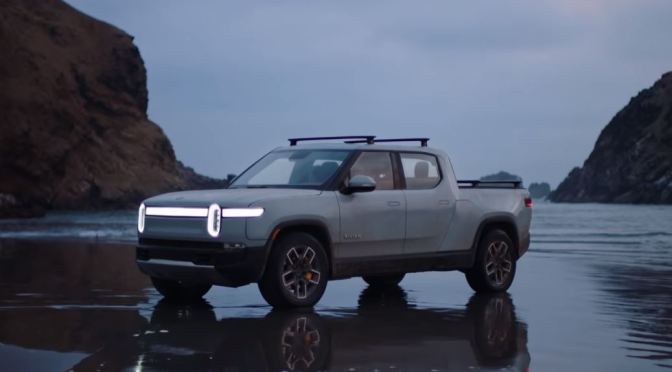

 The Cord 810, and later Cord 812, was a luxury automobile produced by the Cord Automobile division of the Auburn Automobile Company in 1936 and 1937. It was the first American-designed and built front wheel drive car with independent front suspension. It followed the 1934 Citroën Traction Avant and the Cord L-29, both of which also had front wheel drive. Both models were also the first to offer hidden headlights.
 The styling of the Cord 810 was the work of designer Gordon M. Buehrig and his team of stylists, which included young Vince Gardner and Alex Tremulis. While the first American front-wheel-drive car with independent front suspension, it had an archaic tube rear axle with semi-elliptic rear springs. Power came from a 4,739 cc (289 cu in) Lycoming V8 of the same 125 hp (93 kW) as the L-29. The semi-automatic four-speed transmission (three plus overdrive) extended in front of the engine, like on a Traction Avant. This allowed Buehrig to dispense with the driveshaft and transmission tunnel; as a result, the new car was so low it required no running boards. It had a 125 in (3,175 mm) wheelbase (shared with several 812 body styles), and in 1936 came in four models: the entry-level sedan at US$1995, the Beverly sedan ($2095), Sportsman ($2145), and Phaeton ($2195). The 1937 812s had the same models, priced $2445, $2545, $2585, and $2645, plus two more, on a 132 in (3,400 mm) wheelbase, the $2960 Custom Beverly and $3060 Custom Berline.

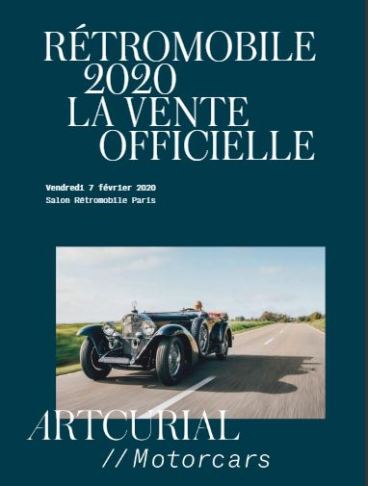
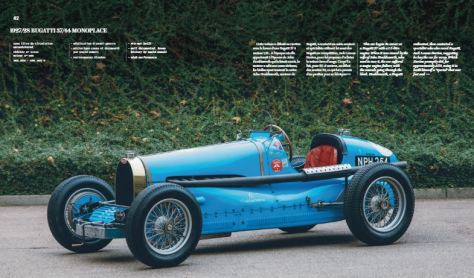 The annual salon is Paris provides manufacturers with a stage on which to show off their commitment to preserving their precious pasts, dealers the chance to set out their stalls and signal their intentions for the coming year and humble enthusiasts like us an opportunity to ogle thousands of collectable cars ranging from the affordable and the obscure to the rare and the downright priceless.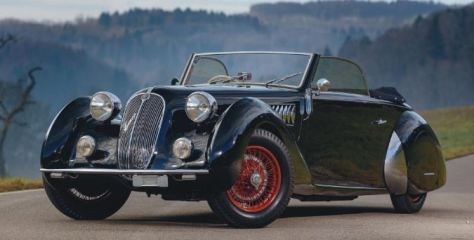
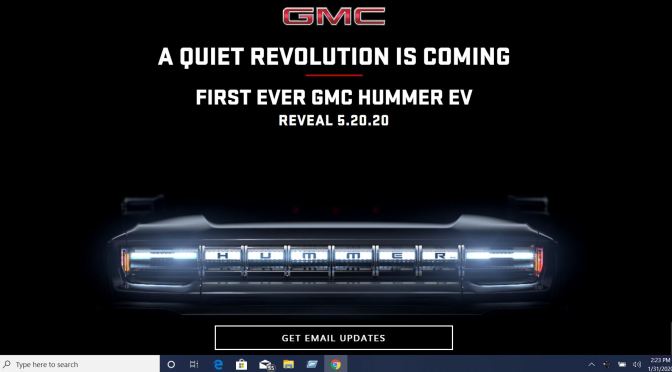
 The all-electric First Ever GMC HUMMER EV leads a quiet revolution – with zero emissions and zero limits. It earns its super truck status with up to:
 Boomers Daily