In this week’s episode of “Cocktails with a Curator,” Deputy Director and Peter Jay Sharp Chief Curator Xavier F. Salomon explores Piero della Francesca’s “St. John the Evangelist,” one of the few major works by the Renaissance artist in the United States. This striking panel was originally part of a polyptych commissioned for the high altar of Sant’Agostino in Piero’s hometown of Borgo San Sepolcro. The polyptych was probably dismembered in the mid-16th century, less than one hundred years after it was made, and many fragments are now lost. Enjoy this week’s program with a bourbon-powered Saint cocktail or a refreshing Grapefruit Citrus mocktail.SHOW LESS
Category Archives: Art
Video Profile: New Yorker Cartoonist Amy Kurzweil – ‘How To Draw Cartoons’
The New Yorker Cartoonist Amy Kurzweil will never read all three volumes and 1,928 pages of “On What Matters,” but she knows how to draw them.
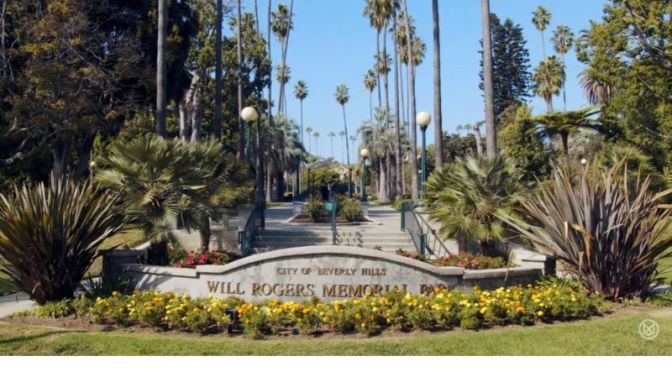
Insider Views: ‘Art And Architecture’ In Beverly Hills, California (Video)
Perched above the buzz of Beverly Hills sits Casa Perfect, a gallery of contemporary design set in a spectacular modernist home. Its founder David Alhadeff shows us the wealth of remarkable art and architecture that is to be found in the varied neighbourhoods of this sunny city. Monocle Films has partnered with Beverly Hills Conference & Visitors Bureau to reveal hidden gems through the eyes of local creatives.
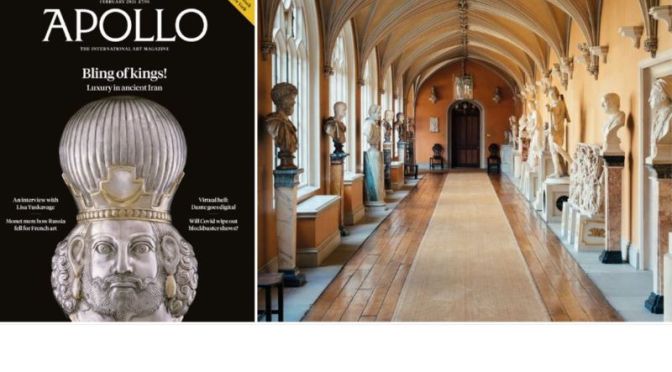
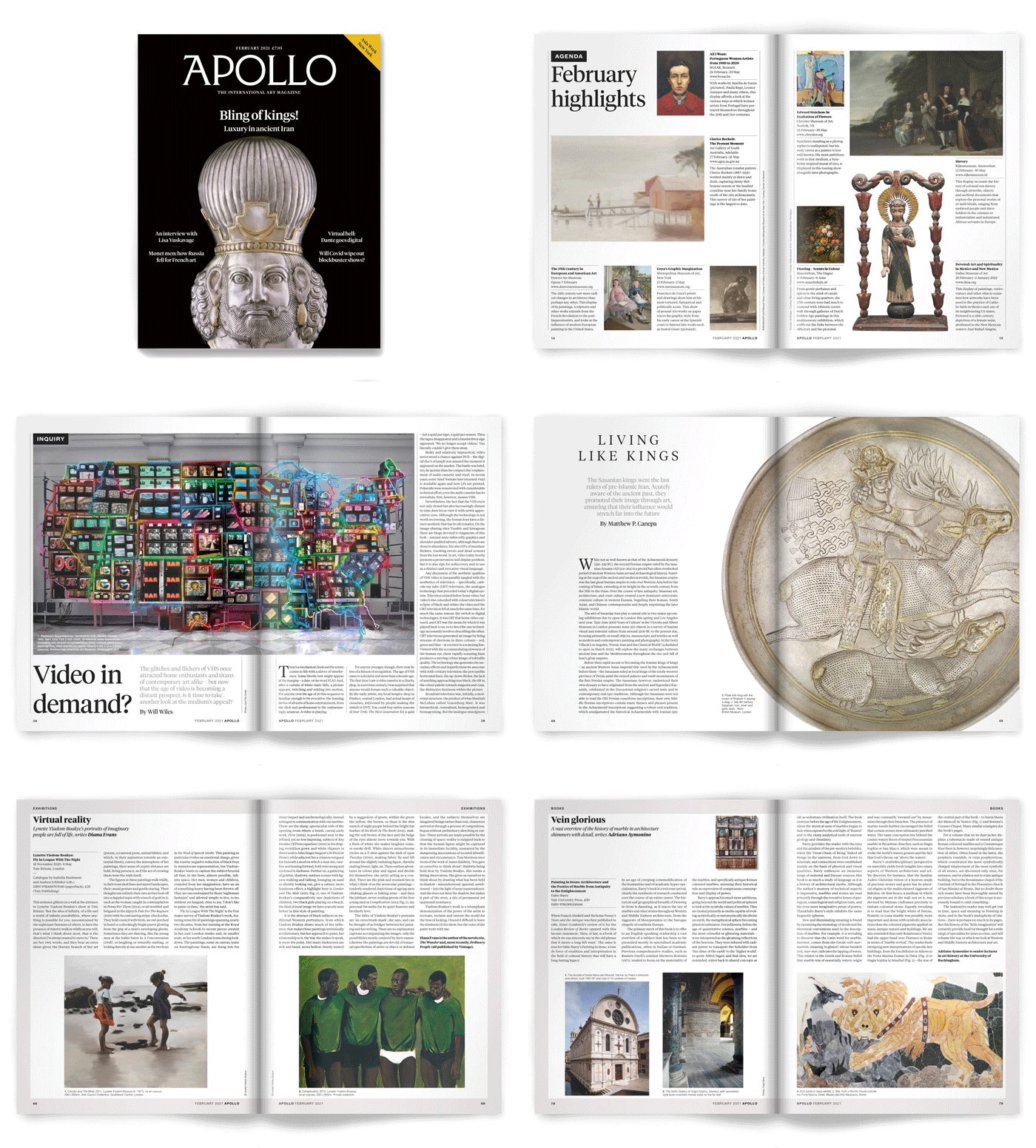
International Art: ‘Apollo Magazine’ (February 2021)


FEATURES | Matthew P. Canepa on the art of ancient Iran; Lisa Yuskavage interviewed by Jonathan Griffin; Rosamund Bartlett on how Russia fell for French impressionism; Will Wiles offers up an elegy for the VHS
REVIEWS | Tim Smith-Laing on drawings of Dante’s Divine Comedy; Robert Hanks on an exhibition about touch at the Fitzwilliam; Diana Evans on Lynette Yiadom-Boakye at Tate Britain; Kathryn Murphy on the enigmas of Aby Warburg’s image atlas; Isabelle Kent on the life of Goya; Adriano Aymonino on the history of marble; Thomas Marks on the art of TV chefs
PLUS | Nicholas Penny, Victoria Broackes and Geoffrey Marsh on blockbuster shows after Covid; Ben Street rifles through his postcards of paintings; Andrew Russeth moves to Seoul and heads straight to a museum; Edwin Heathcote defends the modern architectural frieze; Robert O’Byrne on the fickleness of taste
Cocktails With A Curator: ‘El Greco’s “Vincenzo Anastagi”‘ (Frick Video)
In this week’s episode of “Cocktails with a Curator,” journey to sixteenth-century Rome with Deputy Director and Peter Jay Sharp Chief Curator Xavier F. Salomon as he discusses El Greco’s “Vincenzo Anastagi,” one of three important paintings by the Renaissance artist in the Frick’s collection. Born in Crete, El Greco spent a formative seven years in Rome, where he painted this rare, full-length portrait of a minor aristocrat from Perugia then serving as Sergeant Major of Castel Sant’Angelo. Look closely at this unusual painting while sipping an Ouzo Lemonade, which gets its kick from the anise-flavored spirit popular in the artist’s birthplace.
To view this painting in detail, please visit our website: https://www.frick.org/anastagielgreco
Art Views: How ‘Enameled Copper Boxes’ Are Made
See the stages and methods used to make a painted enamel box out of copper. Find out more about materials and techniques in our collections: https://www.vam.ac.uk/collections?typ…
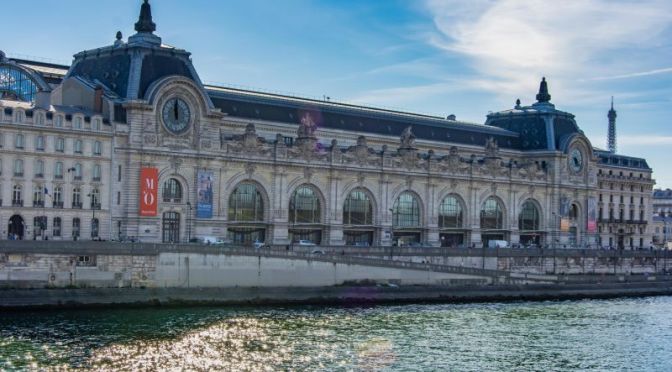
Insider View: The ‘Musée d’Orsay’ In Paris (Video)
The Musée d’Orsay is the second most-visited museum in France after the Louvre. In 1986, this former Paris train station became a showcase for Impressionist art. The exhibition rooms are constantly evolving because only half the paintings are on display at any one time; the others are kept in the storeroom. Curators regularly renew the exhibits. Sometimes, the masterpieces require the expert care of restorers, who then have the delicate mission of bringing the paintings back to life. We take a closer look.
The Musée d’Orsay is a museum in Paris, France, on the Left Bank of the Seine. It is housed in the former Gare d’Orsay, a Beaux-Arts railway station built between 1898 and 1900. The museum holds mainly French art dating from 1848 to 1914, including paintings, sculptures, furniture, and photography.
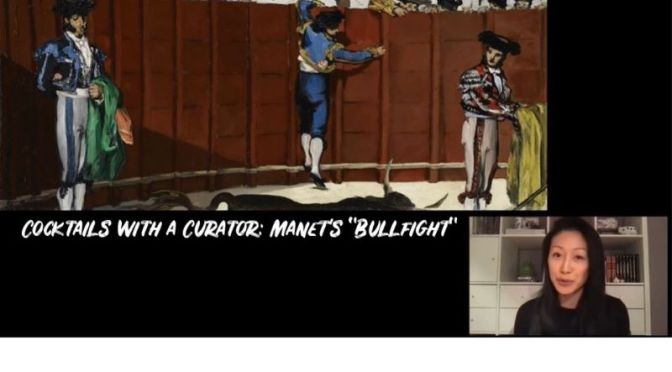
Cocktails With A Curator: Manet’s “Bullfight” (Video)
n this week’s episode of “Cocktails with a Curator,” Curator Aimee Ng explores the turbulent history behind Édouard Manet’s “Bullfight,” once part of a larger work that the artist exhibited at the Salon of 1864. The original canvas was derided and caricatured by critics, prompting Manet to cut it into pieces. The two surviving fragments were brought together for the first and only time during a 1999 exhibition at the Frick. This week’s complementary cocktail is, fittingly enough, the Toreador.
To view this painting in detail, please visit our website: https://www.frick.org/manetbullfight
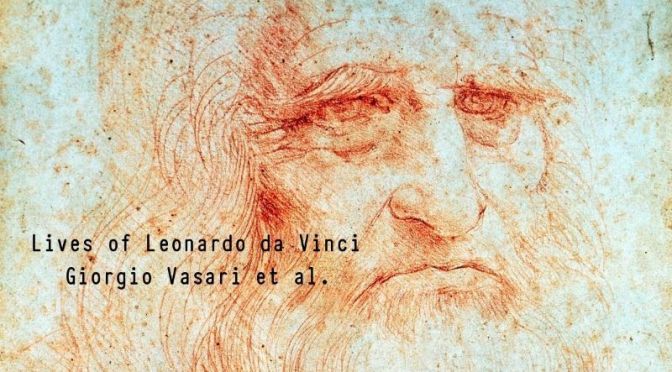
Arts Podcast: ‘Lives Of Leonardo da Vinci’ (Getty)
In this episode, Getty curator Davide Gasparotto discusses early accounts of Leonardo’s life and how they shaped our understanding of the artist. Passages from these biographies were recently collected in the Getty Publications book Lives of Leonardo da Vinci.
“He was a great artistic personality, crucial for the development, in some way, of what we think as the modern science. But he was not alone.”
Leonardo da Vinci died more than 500 years ago, but he is still revered as a genius polymath who painted beguiling compositions like the Mona Lisa, avidly studied the natural sciences, and created designs and inventions in thousands of journal pages. Even during Leonardo’s lifetime, contemporaries marveled at the artist’s great skill and wide-ranging pursuits, but many also noted his perfectionism and difficulty completing projects. Since his death, the legends surrounding his life and personality have continued to grow. Today Leonardo’s story inspires novels and his work brings record-breaking prices, demonstrating his enduring relevance and mystique.
Paintings: ‘The Son Of Man’ By Belgian Surrealist Rene Magritte In 1946 (Video)
The “Son of Man” is an iconic painting by Belgian Surrealist artist Rene Magritte.
Rene Magritte was an internationally acclaimed surrealist artist of all time, yet it was not until his 50s, when he was finally able to reach some form of fame and recognition for his work. Rene Magritte described his paintings saying, “My painting is visible images which conceal nothing; they evoke mystery and, indeed, when one sees one of my pictures, one asks oneself this simple question, ‘What does that mean?’ It does not mean anything, because mystery means nothing, it is unknowable.”
Magritte was born in 1898, to a wealthy manufacturer father. In 1912, his mom was found drowned in the River Sambre. She had committed suicide, and the family was publicly humiliated because of it. From 1916 to 1918, Rene decided to study at the Academie des Beaux-Art, which was located in Brussels. He left the school, because he thought that it was a waste of time. All his paintings afterward reflect cubism, the movements which were introduced by Pablo Picass and was very popular at the time. In 1922 he married Georgette, and took a number of small jobs, including painting cabbage roses for a wallpaper company, in order to be able to pay the bills.
During the early period of his career, shortly following his marriage, Rene Magritte would spend the free time that he had, creating art forms and worked on a number of pieces; it was during this time period that he realized surrealism was the art form which he most enjoyed. The Menaced Assassin was one of his earliest pieces in 1926, which showcased the surrealist style which he had been working on; The Lost Jockey was another piece that he introduced in 1925, which also showcased this art form. Over the course of his career, he produced a number of variants on this piece, and changed the format to recreate what the viewer was experiencing.