

Video timeline: 00:00 – The origins of Hizbullah 01:06 – Its political rise 02:00 – How big a threat is it?

Video timeline: 00:00 – The origins of Hizbullah 01:06 – Its political rise 02:00 – How big a threat is it?

Video timeline: 00:00 – Introduction to the Dream House 00:27 – A Hybrid Building In A Historic Location 01:08 – A Walkthrough of the Space 02:03 – The Process of Obtaining the Space 02:35 – The Original Live Work Space Brief 03:40 – Specific Requirements and Constraints 05:22 – An Interesting Material Palette 06:39 – A Focus on Lighting 07:34 – Creating an Accomodation Space
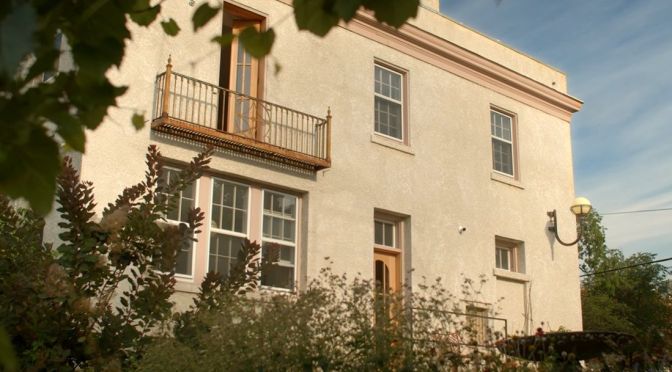
Perched on a hill in a leafy neighbourhood near downtown Minneapolis, the home illustrated a unique style of architecture and boundless potential to renovate. Liz had always felt a long-term draw to the property after witnessing it having been on the market and taken off years prior to her and her partner acquiring it. She describes the building as being dreamlike and perfectly contrasting the hustle and bustle of the city. To her, the dwelling is an anomaly – its style cannot be easily identified.
Exuding notes of Italian-style architecture and a twist of contemporary features, this physical state of the building mirrors the way in which her and her team inhabit it. Amid a location known for its historical heritage homes, Maison Bodega reflects both the past and the present. Looking to the future she, and partner Josef Harris, buys and renovates the house, transforming it into a home and creative space known as Maison Bodega. Taking various design cues from the existing architecture, the hybrid live-work space is a thoughtful blend of heritage and modern interior design sensibilities that caters to parties, workshops, family life for Liz, Josef and their dogs and, most recently, a house tour with The Local Project. Downstairs, the kitchen is undoubtedly a social space.
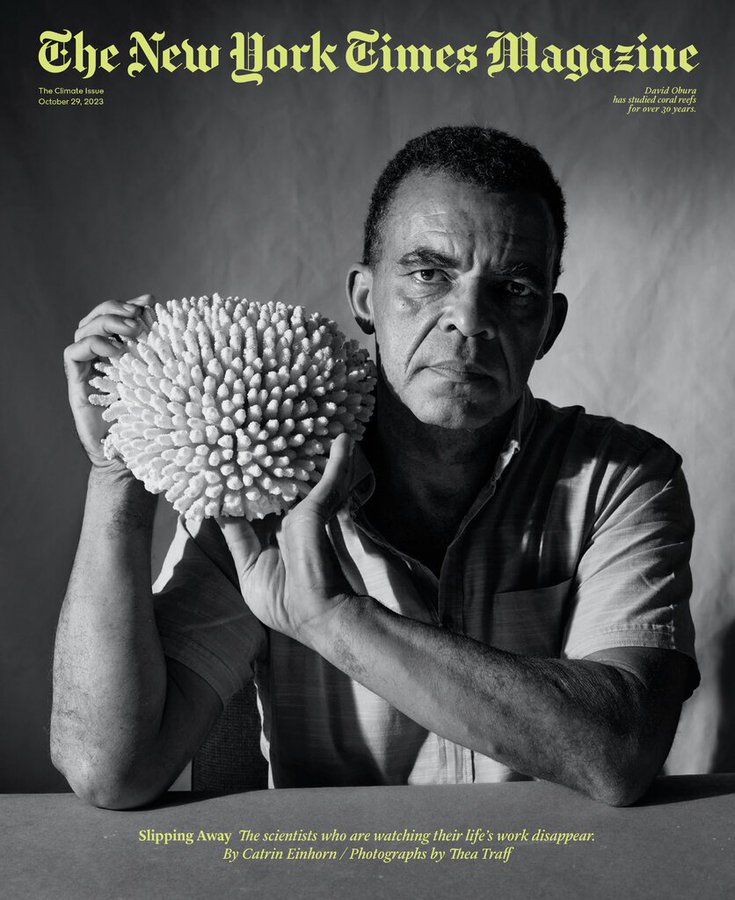

THE NEW YORK TIMES MAGAZINE (October 29, 2023): The latest issue features The Scientists Watching Their Life’s Work Disappear; Can We Save the #Redwoods by Helping Them Move?; ‘It’s Like Our Country Exploded’: #Canada’s Year of #Fire and #ClimateChange Is Keeping Therapists Up at Night….

Some are stubborn optimists. Others struggle with despair. Their faces show the weight they carry as they witness the impact of climate change.
Interviews by Catrin Einhorn
Amid the chaos of climate change, humans tend to focus on humans. But Earth is home to countless other species, including animals, plants and fungi. For centuries, we have been making it harder for them to exist by cutting down forests, plowing grasslands, building roads, damming rivers, draining wetlands and polluting. Now that wildlife is depleted and hemmed in, climate change has come crashing down. In 2016, scientists in Australia announced the loss of a rodent called the Bramble Cay melomys, one of the first known species driven to global extinction by climate change. Others are all but certain to follow. How many depends on how much we let the planet heat.

The largest trees on the planet can’t easily ‘migrate’ — but in a warming world, some humans are helping them try to find new homes.
By Moises Velasquez-Manoff
When Philip Stielstra retired from Boeing in 2012, he needed something purposeful to do. He and his wife, Gay, were casual golfers, but Stielstra, an antiwar activist in college who refused to fight in Vietnam — he worked in a post office instead — wanted a pastime with bigger stakes. Before leaving his job, he received an email from the city of Seattle: The Parks and Recreation Department needed “tree ambassadors.” Tree canopy cover had receded in the city, and the department was responding by promoting an appreciation for its remaining trees. The volunteer ambassadors would learn about these trees and lead residents on walking tours to marvel at them. Stielstra, despite being a self-described introvert, signed up.

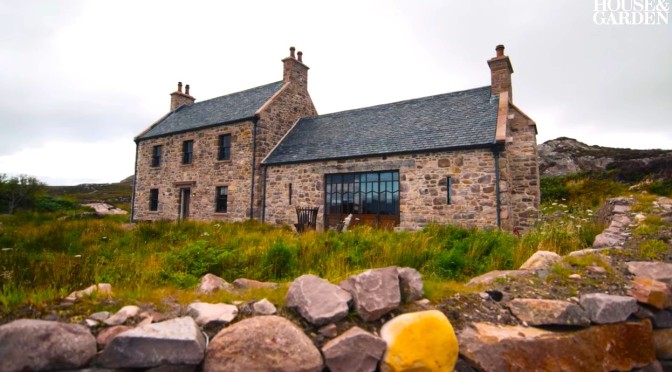
As we tour the interior, we begin to appreciate the calm and comfort injected into this remote homestead — a stark contrast to the vast landscape of mountains, moors and machair. With startling features, such as the farmhouse’s tall windows and double-height ceilings, Aldridge & Supple forged a symbiotic relationship between the surrounding nature and interior.
‘Your whole relationship is with the nature outside,’ says Aldridge. ‘It’s very important that the inside and the outside work together.’ Watch the full episode of ‘Design Notes’ as we tour Saffron Aldridge’s remote farmhouse nestled in the Hebridean hills.
The Globalist Podcast (October 27, 2023) – Can Europe’s leaders find common ground on the Israel-Gaza conflict? We discuss the European Union’s fractured approach to the Israel-Gaza conflict. Will the bloc’s leaders come to an agreement on their stance?
Plus: Chinese foreign minister Wang Yi’s visit to Washington and highlights from the Japan Mobility Show in Tokyo.
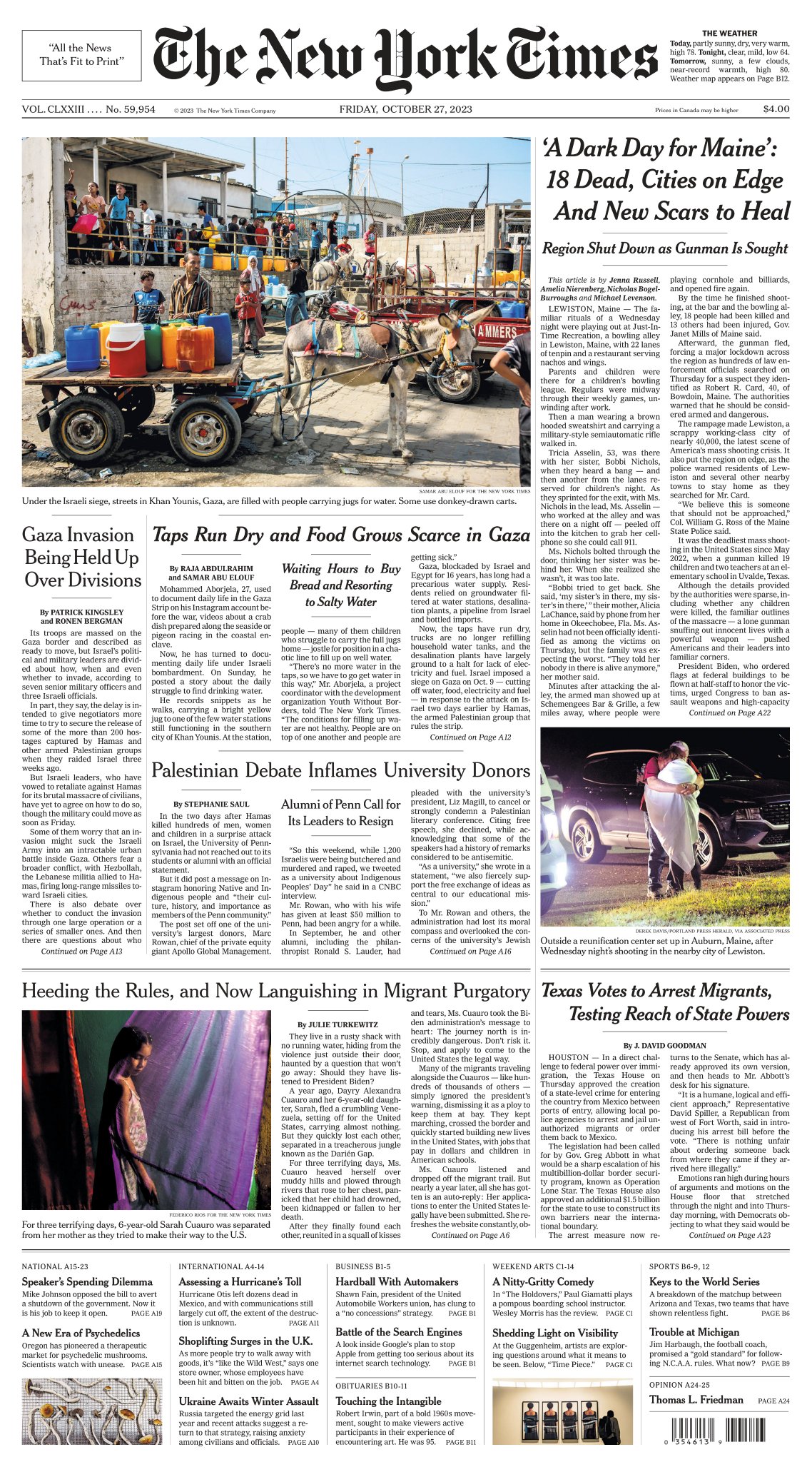

Businesses, schools and offices in the southern part of the state were closed on Thursday as the authorities sought a 40-year-old suspect.

In the 20 days since Hamas attacked, Israel’s Air Force has pounded Gaza and its troops have gotten into position. But its leaders disagree about what to do next.
Residents wait in line for hours for bread and water, with fights sometimes breaking out. The United Nations has called the situation a humanitarian catastrophe.
Some alumni want the president to resign. They are angry about a Palestinian conference and Penn’s response to the Hamas attacks — as well as D.E.I. and transgender rights.
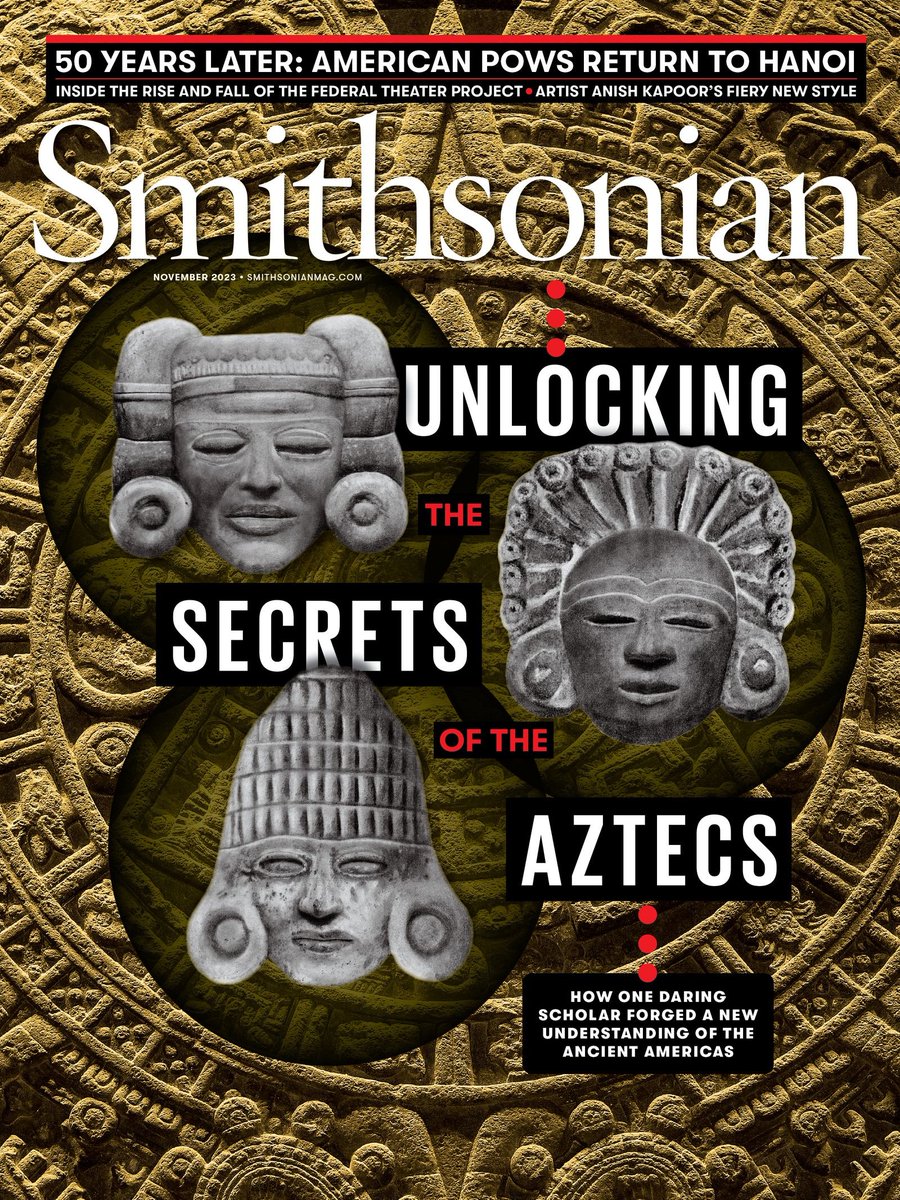

:focal(699x796:700x797)/https://tf-cmsv2-smithsonianmag-media.s3.amazonaws.com/filer_public/23/b6/23b6fe53-d635-4e65-a8c7-07a841b3ba6d/opener2.jpg)
Anthropologist Zelia Nuttall traveled the globe, decoded the Aztec calendar and transformed the way we think of ancient Mesoamerica
On a bright day early in 1885, Zelia Nuttall was strolling around the ancient ruins of Teotihuacán, the enormous ceremonial site north of Mexico City. Not yet 30, Zelia had a deep interest in the history of Mexico, and now, with her marriage in ruins and her future uncertain, she was on a trip with her mother, Magdalena; her brother George; and her 3-year-old daughter, Nadine, to distract her from her worries.
:focal(1545x1030:1546x1031)/https://tf-cmsv2-smithsonianmag-media.s3.amazonaws.com/filer_public/a3/19/a319ccce-cbbb-4594-b331-c1213d02d1de/nov2023_d02_hanoi.jpg)
After 50 years, U.S. veterans commemorate their release from a notorious Vietnamese prison
In March of this year, I followed retired U.S. Air Force Colonel Robert Certain through the entryway of the former Hoa Lo Prison in Hanoi. French colonists built the prison in the 19th century, calling it the Maison Centrale and using it to imprison and behead Vietnamese dissidents. During the Vietnam War, American prisoners facetiously called it the Hanoi Hilton. For the first time in 50 years, Certain was about to step inside the notorious compound where he’d been held, interrogated and beaten.



If you pause for a second and think about the activities that occupy most of your day, presumably sleeping, eating, and engaging in social interactions are among the first that come to your mind. Perhaps surprisingly, a small area buried deep inside the brain, called the hypothalamus, is responsible for coordinating neuronal signals related to these activities. By controlling the homeostasis of the neuroendocrine, limbic, and autonomic nervous systems, the hypothalamus is a key brain region for many physiological and pathological processes. Despite its small size, the hypothalamus has a complex cellular organization and circuitry that determine its structural and functional organization. It is composed of 11 nuclei grouped by their location and has vast, mostly bidirectional connections with many neuronal and endocrine systems.
Plants bred or engineered to be short can stand up better to windstorms. They could also boost yields and benefit the environment
To an interstate traveler—or anyone lost in a corn maze—the most impressive feature of corn is its stature. Modern corn can grow twice as tall as a person, but height has drawbacks, making the plants vulnerable to wind and more difficult for farmers to tend. Plant scientists think corn can be improved by making it shorter, and leading seed companies are doing that through both conventional breeding and genetic engineering. Bayer has launched a short variety in Mexico, another company is selling its versions in the United States, and more are getting involved.



How Joe Biden manages the war between Israel and Hamas will define America’s global role

Sergio Massa, the economy minister, will now go head-to-head with Javier Milei

A summit in Britain will focus on “extreme” risks. But no one knows what they look like
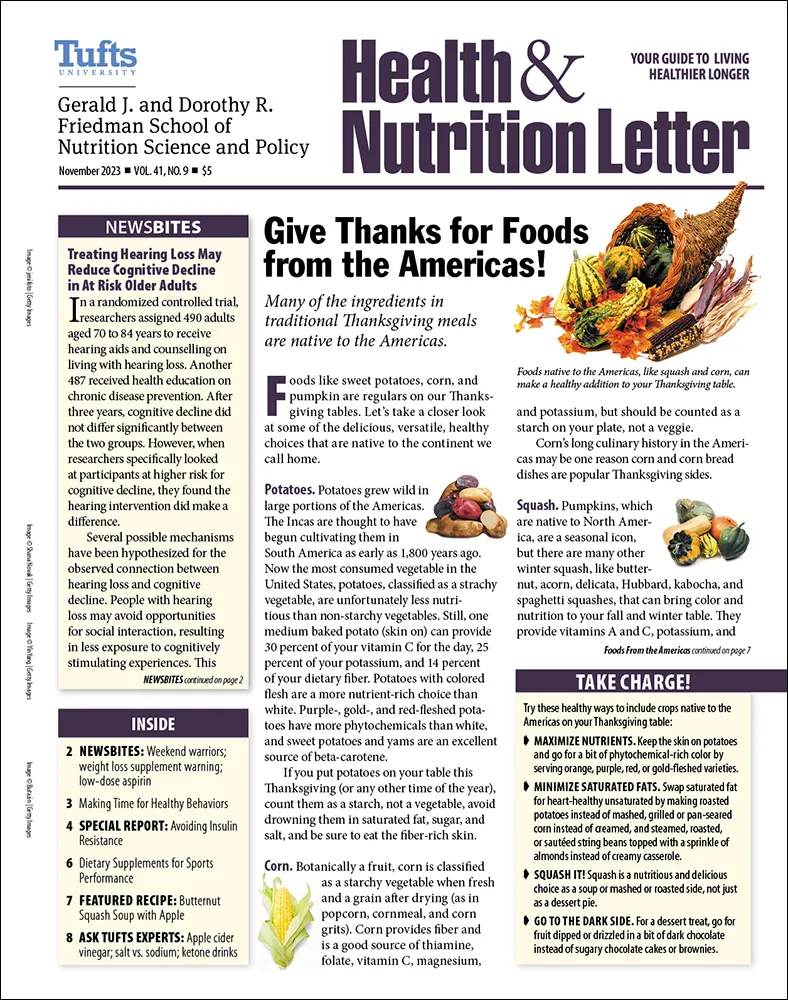

Tufts Health & Nutrition Letter (DECEMBER 2023):

This common condition increases the risk for type 2 diabetes, heart attack, and stroke. You may have it and not know it.
A little planning, prioritization, and creative problem solving can help you reach your behavior change goals.
Many of the ingredients in traditional Thanksgiving meals are native to the Americas.








 Boomers Daily