

The Swan
Did you too see it, drifting, all night, on the black river?
Did you see it in the morning, rising into the silvery air –
An armful of white blossoms,
A perfect commotion of silk and linen as it leaned
into the bondage of its wings; a snowbank, a bank of lilies,
Biting the air with its black beak?
Did you hear it, fluting and whistling
A shrill dark music – like the rain pelting the trees – like a waterfall
Knifing down the black ledges?
And did you see it, finally, just under the clouds –
A white cross Streaming across the sky, its feet
Like black leaves, its wings Like the stretching light of the river?
And did you feel it, in your heart, how it pertained to everything?
And have you too finally figured out what beauty is for?
And have you changed your life?
– Mary Oliver

 At the moment, about two-thirds of Americans do not meet the standard exercise guidelines of about 30 minutes a day of moderate exercise, such as walking.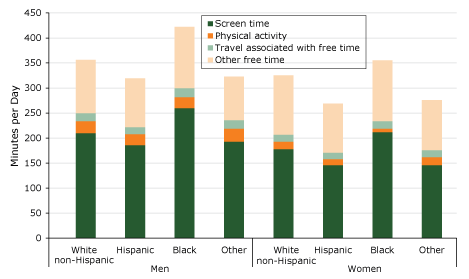








 111 Years of Waldhaus Sils ranges across the hotel’s life and history. Founders Josef and Amalie Giger and their descendants, by now in the fifth generation, have guided the “house in the woods” with skill and fortitude through good times and bad through the twentieth century and into the present. The owners and their exceptionally diverse guests—lively families side-by-side with intellectuals and artists of world renown—have created a unique blend of luxury and modesty, historic grandeur and playful fun, smooth professionalism and unexpected idiosyncrasies.
 surgery, chemotherapy and radiation. We spend $150 billion each year treating cancer, yet a patient with cancer is as likely to die of it today — with a few exceptions — as one was 50 years ago. Today we spend the hour with renowned cancer doctor, Dr. Azra Raza, author of the new book, “The First Cell: And the Human Costs of Pursuing Cancer to the Last.” She argues that experiments and the funding for eradicating cancer look at the disease when it is in its later stages, when the cancer has grown and spread. Instead, she says, the focus should be on the very first stages — the first cell, as her book is titled. She says this type of treatment would be more effective, cheaper and less toxic.
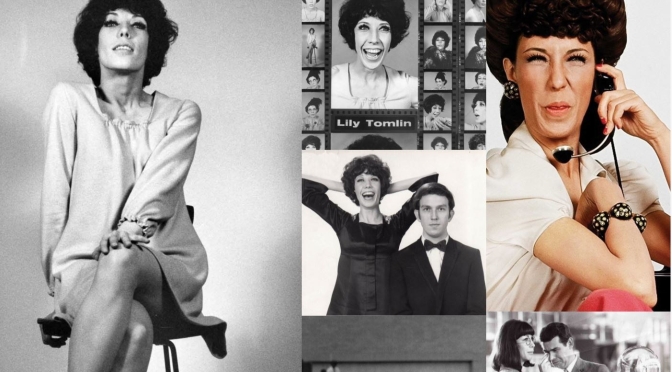
 Has comedy evolved since you started? I think a lot more is allowed. When I was first starting out and was on “Laugh-In,” around ’71, I was trying to keep a low profile when I’d be working on something new.
 Boomers Daily