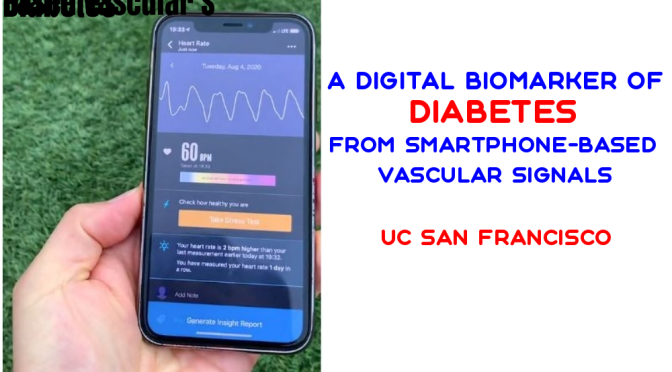
Health: Scientists Develop Simple Smartphone App To Detect “Diabetes” With Up To 80% Accuracy (UCSF)

Overall, the algorithm correctly identified the presence of diabetes in up to 81 percent of patients in two separate datasets. When the algorithm was tested in an additional dataset of patients enrolled from in-person clinics, it correctly identified 82 percent of patients with diabetes.  

In the Nature Medicine study, UCSF researchers obtained nearly 3 million PPG recordings from 53,870 patients in the Health eHeart Study who used the Azumio Instant Heart Rate app on the iPhone and reported having been diagnosed with diabetes by a health care provider. This data was used to both develop and validate a deep-learning algorithm to detect the presence of diabetes using smartphone-measured PPG signals.  

Among the patients that the algorithm predicted did not have diabetes, 92 to 97 percent indeed did not have the disease across the validation datasets. When this PPG-derived prediction was combined with other easily obtainable patient information, such as age, gender, body mass index and race/ethnicity, predictive performance improved further.

Read more

Infographics: The Major Challenges Restaurants Face Post Covid-19 (2020)

Restaurants must function at 75% capacity in order to achieve profitability. With many restaurants operating at 50% capacity or less, how do they make up the remaining 25%? The three main contributing factors are contactless dining, labor optimization and changing the customer journey. Learn more about how restaurants are recovering during the COVID-19 pandemic in this infographic by OneDine.

Politics Monday: Tamara Keith And Amy Walter On The 2020 Election (pBS)

NPR’s Tamara Keith and Amy Walter of the Cook Political Report join Judy Woodruff to discuss the latest political news, including the opening night of the Democratic National Convention, President Trump’s counter-programming during a big week for former Vice President Joe Biden, Trump’s efforts to undermine the U.S. Postal Service and how Congress might intervene in response.

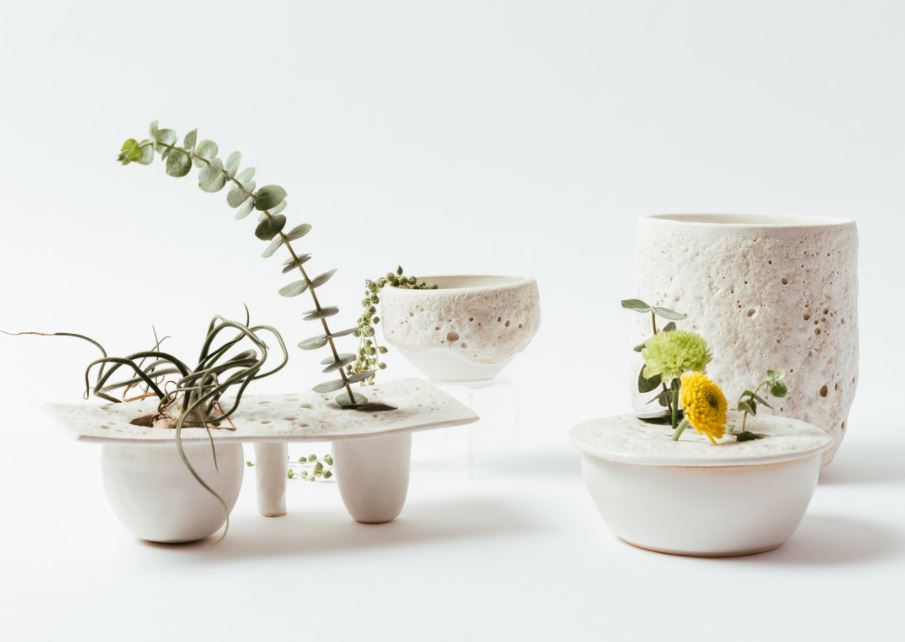
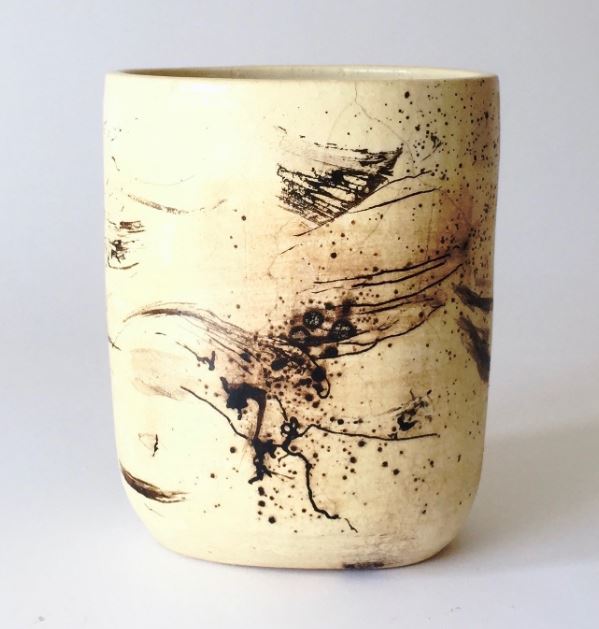
Artists: Ceramicist Raina Lee – “Glaze Chemistry In Her Treehouse Studio”

THE MODERN HOUSE (AUG 2020): “I like to make things with unusual textures and I use a lot of heavy glazes, which either bubble or foam up, and I’m interested in the ways the glaze chemistry can make different textures. I’ve been making pieces with a sort of volcanic surface a lot recently, which is achieved by an element in the glaze recipe making tiny explosions in kiln, and then cooling it down very quickly so they set.”

In the first of a new series, Studio Visits, in which we’ll be meeting artists, designers and makers in their place of work, LA-based ceramist Raina Lee invites us into her treehouse studio and gallery space for a talk about her creative process.

Raina, how did you get into ceramics?

“I was a journalist in the tech and video game industry, and I still do some writing now. I happened to be living near a ceramics studio in Williamsburg, Brooklyn, and I decided to take a class. I was enthralled.

Website

“It was so exciting to do something physical and work the clay with my hands – I just fell in love with it. Writing is very abstract and a lot of the time you work on something or pitch an idea and it doesn’t work out, by there’s always a physical end result when making ceramics.”

Read full article

Clothing & Fashion: “The Rise And Fall Of Brooks Brothers” (WSJ Video)

Brooks Brothers — the self-proclaimed oldest clothier in the U.S. — filed for bankruptcy in July. Analysts say the suit dealer wasn’t able to keep up with modern men who often wanted styles that were cheaper and more functional.

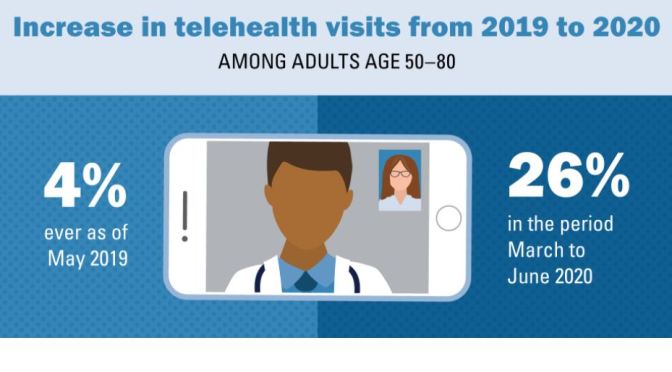
Telehealth: Older Adults’ “Telemedicine Visits” Rise From 4% To 26% In 2020

From 2019 to 2020, there was a substantial increase in the proportion of older adults who reported that their health care providers offered telehealth visits. In May 2019, 14% of older adults said that their health care providers offered telehealth visits, compared to 62% in June 2020.

Similarly, the percentage of older adults who had ever participated in a telehealth visit rose sharply from 4% in May 2019 to 30% in June 2020. Of those surveyed in 2020, 6% reported having a telehealth visit prior to March 2020, while 26% reported having a telehealth visit in the period from March to June 2020.

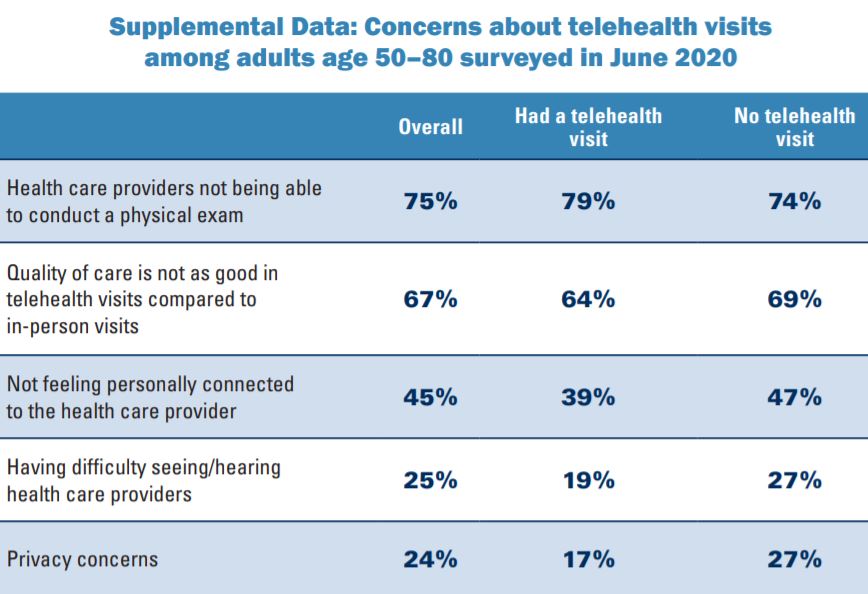
Over the past year, some concerns about telehealth visits decreased among adults age 50–80 whether or not they had a telehealth visit. Older adults’ concerns about privacy in telehealth visits decreased from 49% in May 2019 to 24% in June 2020, and concerns about having difficulty seeing or hearing health care providers in telehealth visits decreased from 39% in May 2019 to 25% in June 2020. Concerns about not feeling personally connected to the health care provider decreased slightly (49% to 45%).

Read more

Travel: “Zürich’s Lakeside Public Baths – Badis”

“Monocle 24 – The Urbanist” Fernando Augusto Pacheco takes the plunge into one of Zürich’s lakeside public baths.

Badis are essentially public “baths” or “swimming areas”, where you can come to swim in the lake or the river, and then cool off on the wooden docks or grass, grab something to eat or drink, socialize and pass the hours reading, sleeping, tanning or just enjoying the sun. Most badis in Zürich cost 8 Francs to enter, though some are free.