
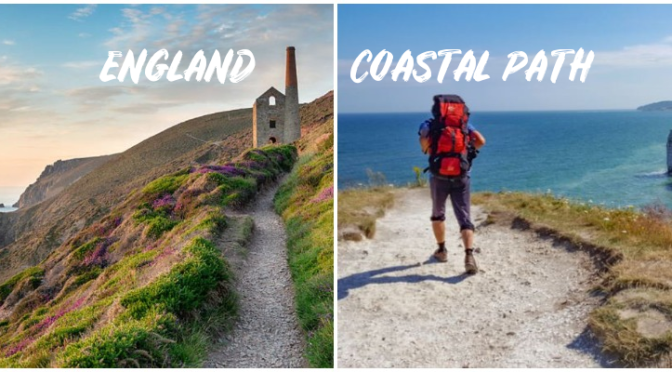
From Afar magazine (June 15, 2020):
The England Coast Path will soon allow you to walk along the entire coast of England, including areas previously inaccessible to the public. The trail, due to be completed next year, will stretch 2,800 miles along cliffs and beaches and through seaside towns and major cities, making it the longest marked oceanside path in the world.
Hikers will be able to tackle sections at a time, but those attempting to conquer the whole thing should expect to be plodding along for more than five months. Two slightly shorter routes, the iconic Pacific Crest (2,653 miles) and the Appalachian (2,200 miles) Trails, both take between five and seven months to complete.
The route is split into four sections, some portions of which are already open.
- The north-east portion starts at the border with Scotland and continues along the rocky North Sea coastline to Wash Bay, where it meets up with the coastal part of the existing Cleveland Way National Trail and wanders through resort towns, including Skegness and Mablethorpe, and past historic sites, such as Tynemouth Castle and Priory and St. Mary’s Lighthouse.
- The south-east section connects at Wash Bay then continues west to Southampton, passing long stretches of sandy beach, wildlife reserves, and England’s famous White Cliffs, with their views of France.
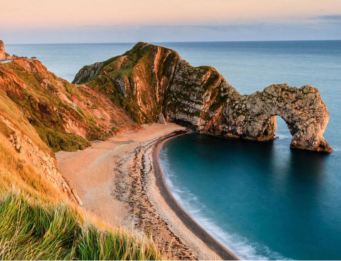
- Much of the south-west section follows the existing South West Coast Path, which runs along the English Channel and features the dramatic Jurassic Coast UNESCO World Heritage site.
- On the west coast of England, the path jumps the Welsh border and picks up again just south of Liverpool then continues north toward Scotland. This north-west portion of the trail cuts through Lake District National Park. Hikers can also explore one of the largest Roman sites in northern Britain near Maryport as well as sites that show the region’s industrial history.
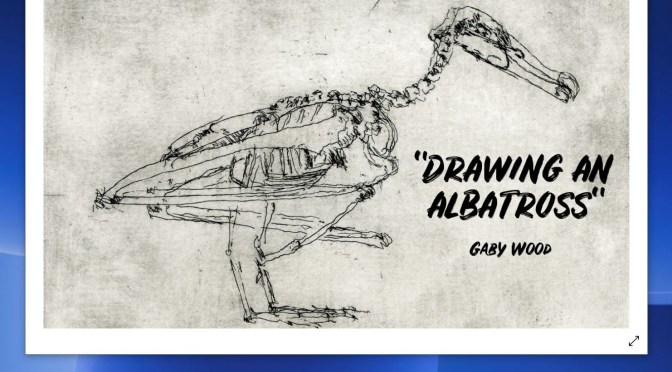
 By the time I used the camera lucida in the museum, I’d spent several months grappling with the strange proposition offered by its prism. I’d read that the image was sharper if you held it over a dark drawing surface, but that didn’t make any sense to me until the smoked metal etching plate was beneath my hand. Suddenly the albatross skeleton appeared on it: bright, spectral. The process was different from the way I’d imagined it. There was a drag, almost a dance, under the needle – a tiny jump of resistance in the copper. Without seeing what you were doing, you could feel it more keenly. It wasn’t like ice-skating at all.
 A camera lucida is an optical device used as a drawing aid by artists. The camera lucida performs an optical superimposition of the subject being viewed upon the surface upon which the artist is drawing. The artist sees both scene and drawing surface simultaneously, as in a photographic double exposure.







 “Shadowplay” opens in Dublin in the winter of 1876, with O’Connor painting that ravishing city with a soft lyricism that Stoker himself might have envied: “Smacks heading down the estuary, trailing petticoats of nets, out towards the expanse of the sea.” Stoker, a government clerk who moonlights as a theater critic, is reeling from the visceral intensity of Irving’s performance in Dublin as Hamlet. “Eyes glowing red in the gaslight,” Irving terrifies the audience, “slinking towards the lip of the stage, left hand on hip, wiping his wet mouth with the back of his sleeve. Sneering, he regarded them. Then he spat.” (
 Boomers Daily