CNBC (May 13, 2023) – Public transit can be extremely valuable for a city’s economy – in New York City 85% of the people who travel into the business district below 61st Street take some form of public transportation.
Chapters: 00:00 — Introduction 01:39 — Second Avenue Subway 06:45 — A national problem 08:37 — Subway costs 15:31 — Solutions
In several major cities – New York, Boston, Washington, D.C., and San Francisco – the subway and other rapid rail systems are key contributors to the prosperity of the city. In NYC for example, more than $37 billion of the Metropolitan Transportation Authority’s $54 billion budget goes to subways. But building subways in the U.S. is very expensive.
In fact, it’s the sixth most expensive country to build rail transit in the world. And even that is likely an understatement. High labor costs, overbuilt tracks and stations, and onerous regulations all jack up costs. NYC’s sheer population density makes it rather worth it – so many people ride the subway that the cost per rider is comparable to many European cities where total expenditures are substantially lower.
However, the high costs hurt the case for public transit in less dense areas of the country. Lowering those costs could go a long way toward building affordable and accessible public transit for smaller cities around the country and reducing traffic congestion, pollution and traffic accidents.
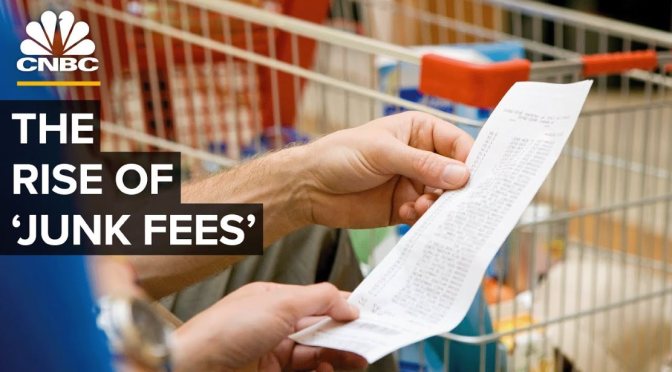
CNBC (April 25, 2023) – Americans are collectively spending nearly $65 billion on sneaky fees, according to the White House. “It really seems like companies have become addicted to junk fees,” Lina Khan, chair of the Federal Trade Commission, told CNBC.
Junk fees are making companies billions of dollars richer. Watch the video above to learn more about where junk fees hide, details of proposed changes, where policy may fall short and whether increased regulatory oversight may be enough to squash junk fees once and for all. Chapters: 0:00 Introduction 1:26 Defining ‘junk’ fees 5:34 Squashing fees 7:52 Policy problems 10:02 The future of fees
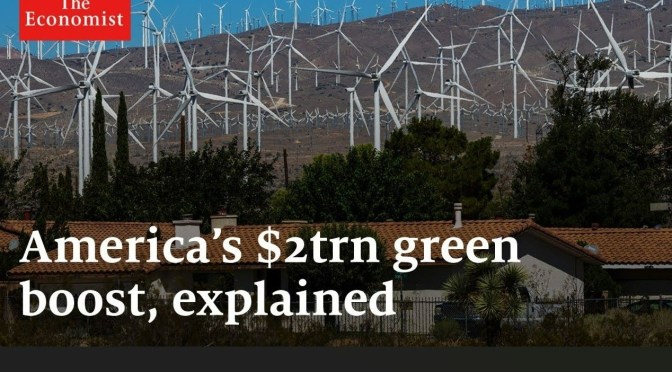
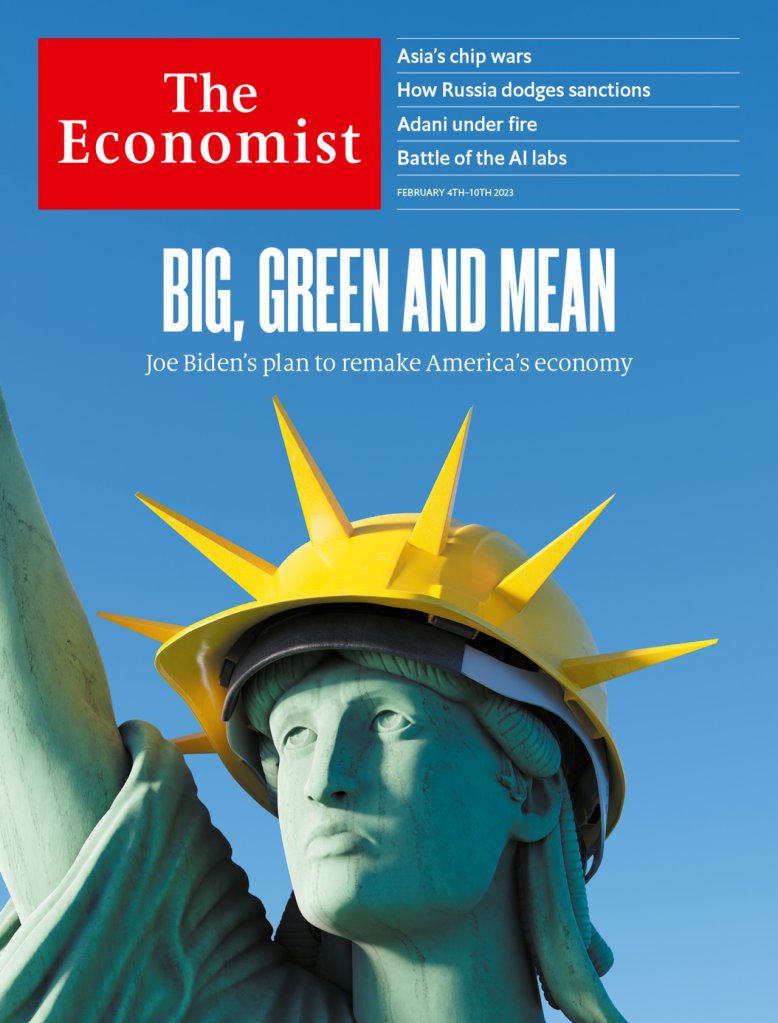
The Economist (March 2, 2023) – America is spending trillions of dollars in an effort to make the country stronger, greener and richer. These are the three key things you need to know about the plan and its chances of success.
Video timeline:00:00 – A new green America 00:30 – Democrats are being ambitious 01:14 – Manufacturing will move to America 01:53 – Planning could be a stumbling block
A.M. Edition for June 28. WSJ’s Tom Fairless discusses the U.S. presence in the worldwide economic movement. Crypto exchange Binance is ordered to cease U.K. activities.
WSJ markets columnist Mike Bird on stock and commodity growth. And, Venmo makes a change. Marc Stewart hosts.
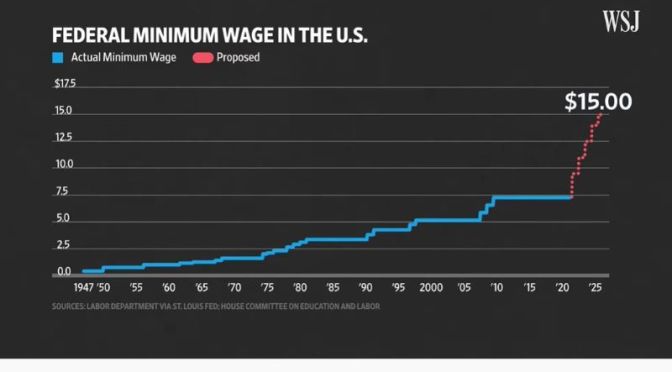
Biden has identified raising the minimum wage as a key goal of his administration, but economists and lawmakers disagree on the potential impact. WSJ asked two economists and a minimum-wage worker what the costs and benefits of a $15 minimum wage might be. Photo: Bill Clark/Congressional Quarterly/Zuma Press
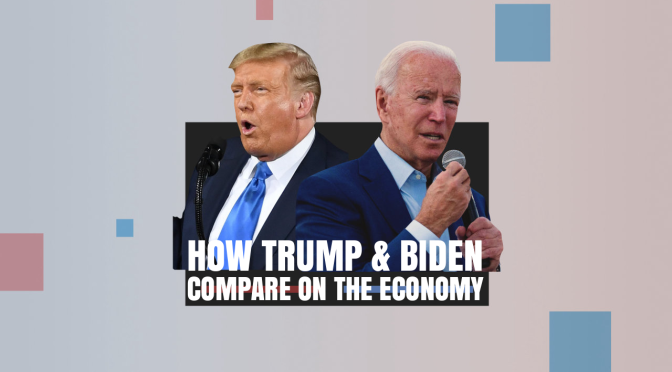
Voters will have a chance to help shape the American economy when they go to the polls in November. WSJ’s Jon Hilsenrath breaks down where President Donald Trump and Democratic presidential nominee Joe Biden stand on key economic issues.
Photo Illustration: Carlos Waters/WSJ
News, Views and Reviews For The Intellectually Curious








 Boomers Daily