For the first time, US scientists have achieved a fusion reaction with net energy gain. But the dream of limitless zero-carbon energy is still a long way from reality.
Video timeline: 00:00 – What powers the universe 01:04 – ITER: the biggest experiment in human history 04:28 – What is fusion? 06:38 – Replicating the sun 08:38 – The US breakthrough 13:46 – The investors 20:40 – A new class of magnet 24:30 – Dream or reality?
The FT’s Simon Mundy meets scientists and investors in the UK, France and US, to see how close we really are to commercial fusion power.
Chat GPT is the world’s most powerful AI chatbot. It offers a human-like alternative to search engines and can do everything from compile a menu to writing a TV script to explaining quantum physics. Could it also transform the jobs of hundreds of millions of people?
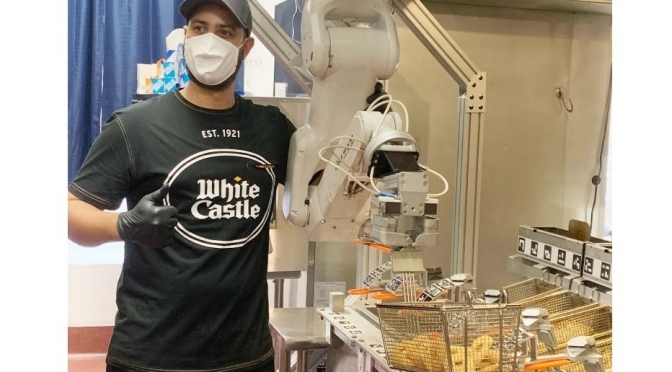
CNBC (January 10, 2023) – This robot named Flippy runs the fry station at a White Castle outside of Chicago. With a mechanical arm and using computer vision technology Flippy can cook everything from french fries and onion rings to cheese sticks. White Castle said it plans to add 100 Flippy’s to its kitchens’ nationwide.
Up to 82% of restaurant positions could, to some extent, be replaced by robots. Automation could save U.S. fast food restaurants over $12 billion in annual wages. And restaurants are also struggling to find workers.
American restaurants are down more than 560,000 jobs or about 4.6% of its workforce from their pre-pandemic levels. So what impact will robots have on the fast food industry and the livelihood of its workers? CNBC got a behind the scenes look at restaurant robot maker Miso Robotics to find out.
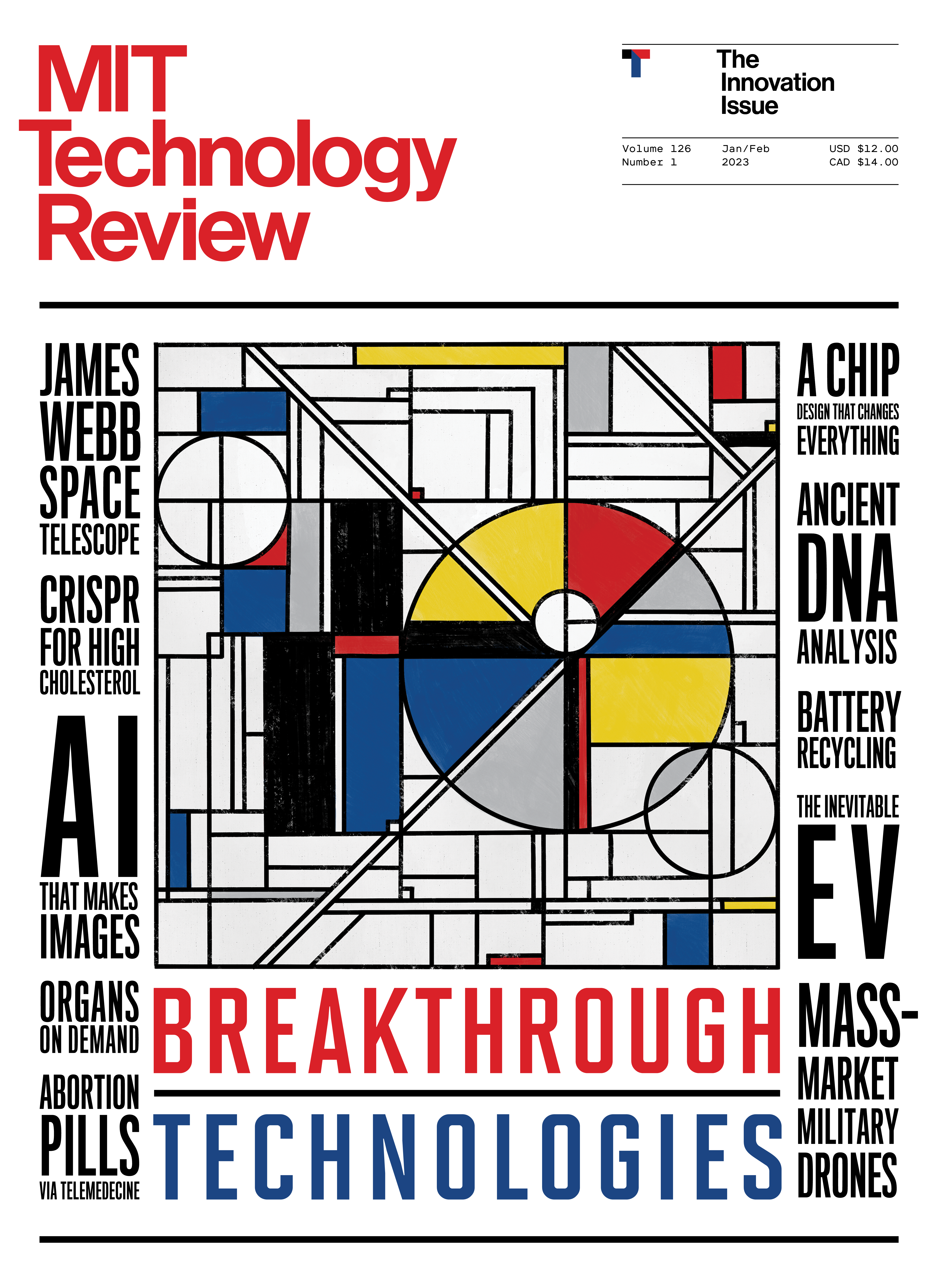
Our annual look at 10 Breakthrough Technologies—including CRISPR for high cholesterol, battery recycling, AI that makes images, and the James Webb Space Telescope—that will have a profound effect on our lives. Plus care robots, 3-D printing pioneers, and chasing bugs on the blockchain.
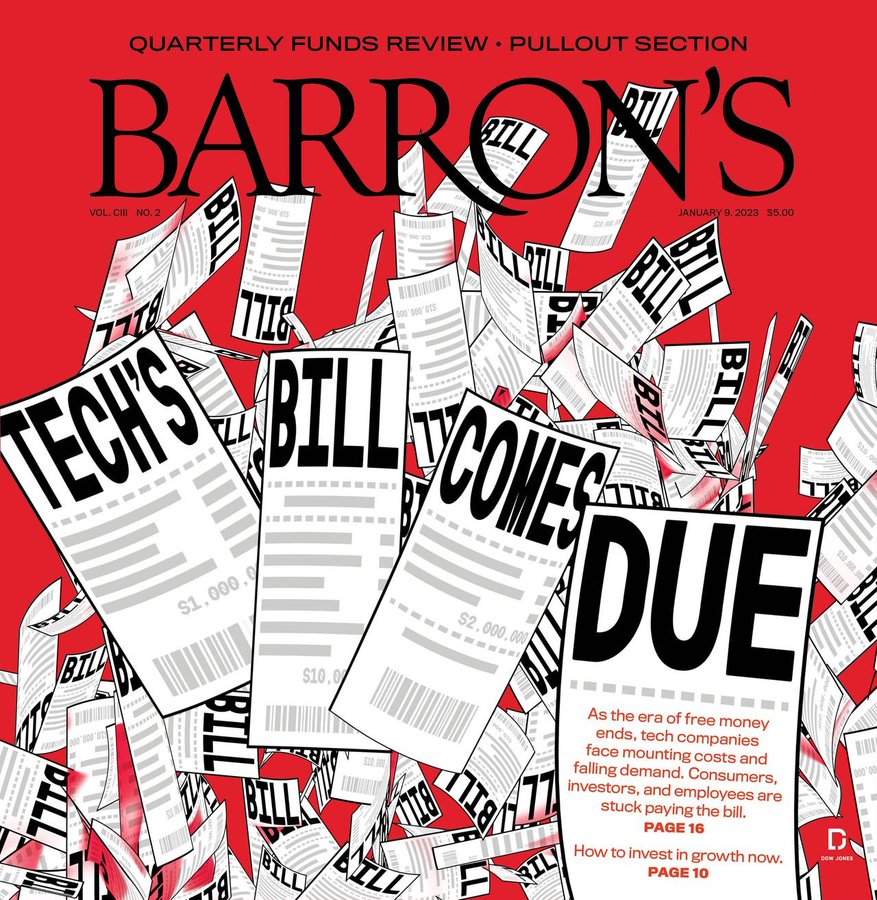
Tech companies went on a spending binge to satisfy new pandemic demand. Then came the reopening and the rate hikes. Now, investors, consumers, and employees are on the hook for the bill.
The electric-vehicle leader has been hammered by China lockdowns, a possible recession, and CEO Musk’s antics at Twitter. But the company has real strengths and cheap shares.
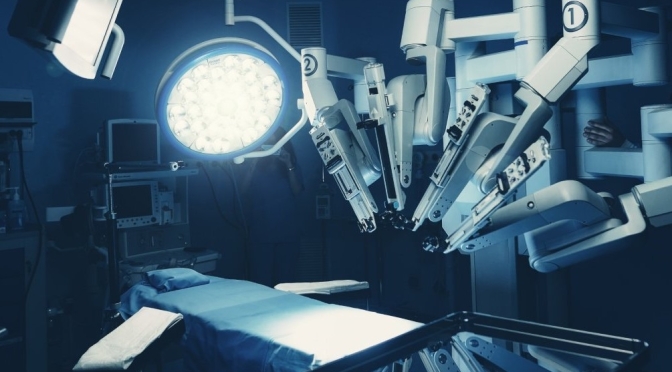
Freethink – Robotics are helping make minimally invasive surgeries even less invasive. Case in point: single-port robotic surgery, a relatively new type of approach where a robotic system controlled by a human surgeon executes the procedure by making only one incision into the patient.
Although still relatively uncommon, single-port surgery has been gaining momentum in recent years. The benefits are noticeable. Compared to traditional surgery, single-port surgery might leave patients with shorter recovery times, less scarring, and overall better outcomes.
The technique is also transforming how surgeons think about and execute surgery itself. “It’s allowing us to do surgeries differently than we do with [multi-port surgery],” said Michael Stifelman, M.D., director of robotic surgery at Hackensack University Medical Center. “What every patient wants is to get back to their life. Single-port robotics is allowing us to get them to that point more quickly.”
Learn more about the future of single-port surgery in this episode of “Operation: Reimagine Surgery,” a Freethink original series produced in partnership with Intuitive, which created the world’s first commercially available robotic surgery system in the 1990s.
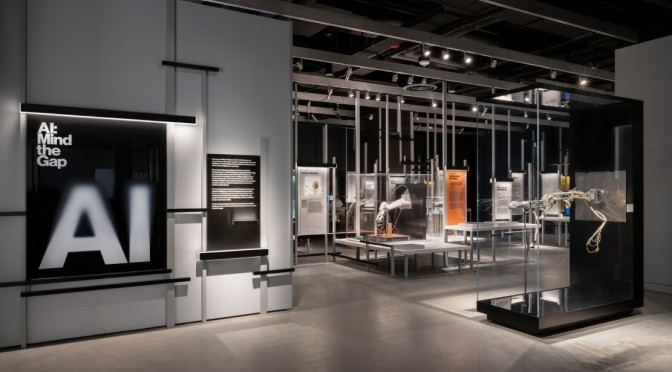
PBS NewsHour – Artificial intelligence, robotics and gene sequencing are the stuff of headlines, science fiction and sometimes even our worst fears. It’s all on view at the new MIT Museum. A place where the latest scientific advancements fill galleries, but only really work with your input. Special correspondent Jared Bowen of GBH Boston looks at this artistic frontier for our arts and culture series, “CANVAS.”
From AI in the home to robots in the workplace, the presence of AI all around us compels us to question its potential and recognize the risks. What has become clear is that the more we advance AI technology and consider machine ability versus human ability, the more we need to mind the gap.
National Geographic – James Cameron is diving into the deep: this time, into the oceans of an alien world. The director shares how Earth’s oceans inspired The Way of Water—and his hope it will motivate viewers to protect our own planet.
National Geographic recently spoke with Cameron from New Zealand about the science and technology of The Way of Water. What inspired these creatures, and how did Cameron and his team bring them to life?
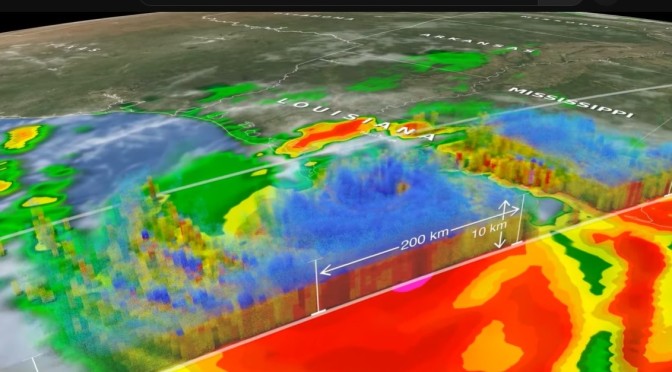
NASA Goddard (December 2022) – NASA is developing the Earth System Observatory, the core of which is five satellite missions providing critical data on climate change, severe weather and other natural hazards, wildfires, and global food production.
These observations will address the most pressing questions about our changing planet. Taken together as a single Observatory, NASA will have a holistic, 3D view of Earth to better understand how our planet’s complex systems work together and improve our capability to predict how our climate may change.
NASA’s Open Source Science strategy is the key to bringing the data from these missions together into a single observatory to help understand the earth as a system and accelerate our ability to use this understanding. These observations will better inform decision-makers on how our planet is changing, with greater precision on previously unimaginable scales – from entire continents down to individual trees, from atmosphere to bedrock.
CNET (December 4, 2022) – Archer Aviation introduced its first production model eVTOL that’s called Midnight, an electric air taxi designed for high-demand urban flights. United Airlines has put down a deposit for 100 Midnights to begin passenger service in 2025.
Video timeline: 0:00 Intro 0:55 Midnight eVTOL 1:54 Maker Prototype Test Flight 2:29 Archer x United 3:26 Conclusion
News, Views and Reviews For The Intellectually Curious












 Boomers Daily