

Chat GPT is the world’s most powerful AI chatbot. It offers a human-like alternative to search engines and can do everything from compile a menu to writing a TV script to explaining quantum physics. Could it also transform the jobs of hundreds of millions of people?
Tag Archives: Technology
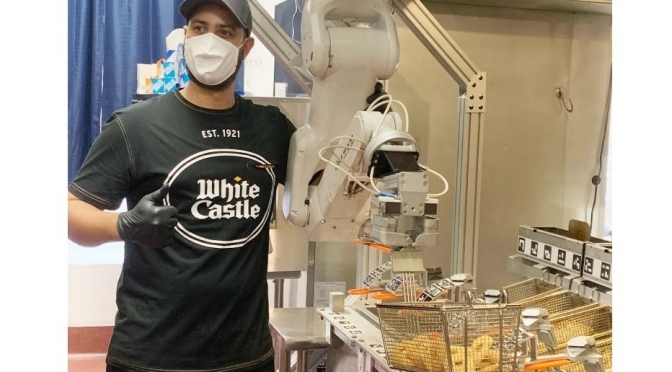
Technology: Will Robots Replace Food Workers?

Chapters: 0:00–2:23 – Intro 2:24–5:17 – Chapter 1 Miso Robotics 5:18–8:36 – Chapter 2 Workers quitting 8:37–10:59 – Chapter 3 Importance of Seeds
Up to 82% of restaurant positions could, to some extent, be replaced by robots. Automation could save U.S. fast food restaurants over $12 billion in annual wages. And restaurants are also struggling to find workers.
American restaurants are down more than 560,000 jobs or about 4.6% of its workforce from their pre-pandemic levels. So what impact will robots have on the fast food industry and the livelihood of its workers? CNBC got a behind the scenes look at restaurant robot maker Miso Robotics to find out.
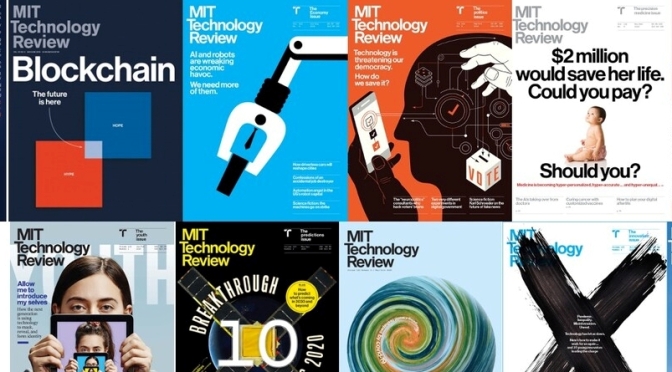
Preview: MIT Technology Review – January/Feb 2023
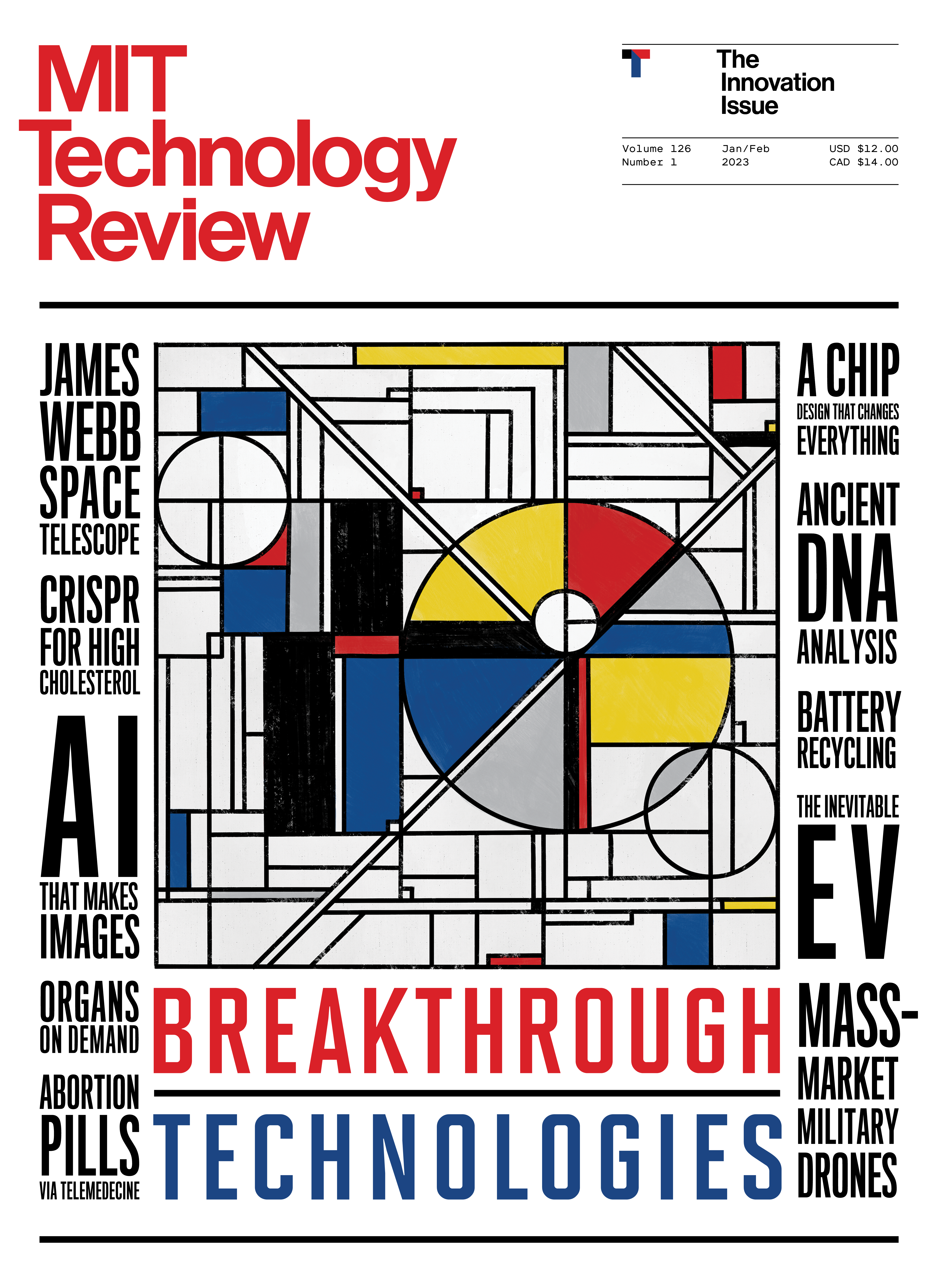
10 Breakthrough Technologies 2023
Our annual look at 10 Breakthrough Technologies—including CRISPR for high cholesterol, battery recycling, AI that makes images, and the James Webb Space Telescope—that will have a profound effect on our lives. Plus care robots, 3-D printing pioneers, and chasing bugs on the blockchain.
Generative AI is changing everything. But what’s left when the hype is gone?
No one knew how popular OpenAI’s DALL-E would be in 2022, and no one knows where its rise will leave us.
AI is bringing the internet to submerged Roman ruins
The technology is making it easier to monitor underwater archaeological sites.

Financial Review: Barron’s Magazine – January 9, 2023
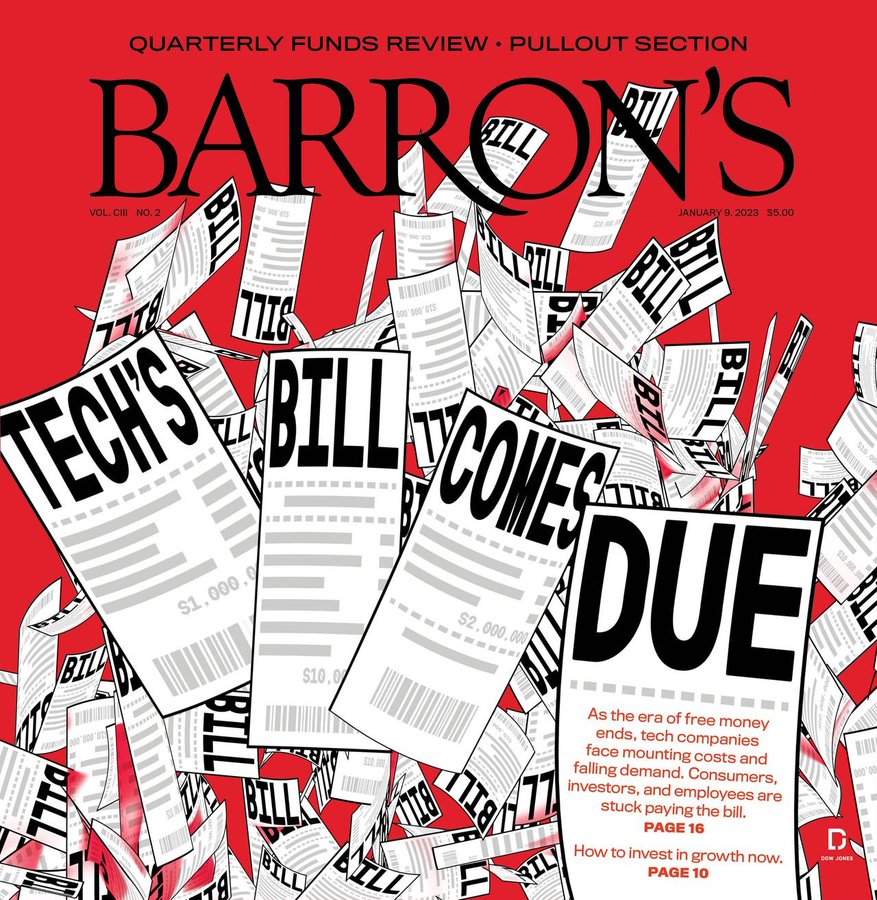

Barron’s Magazine – January 9, 2023 Issue:
Tech’s Bill Is Coming Due. Investors Aren’t the Only Ones Who Will Pay.

Tech companies went on a spending binge to satisfy new pandemic demand. Then came the reopening and the rate hikes. Now, investors, consumers, and employees are on the hook for the bill.
If You Want Growth, Stick With Quality
A punishing macro climate is making it tougher to find winners. But shares of quality companies may still be rewarded. Here’s what to look for.
Bonds Are Back. Here Are Some Funds to Buy Now.
After a tough 2022, this could be the year that fixed income is a better bet than stocks. Here’s what some of the experts recommend buying now.
Tesla’s Battered Stock Looks Like a Buy Again
The electric-vehicle leader has been hammered by China lockdowns, a possible recession, and CEO Musk’s antics at Twitter. But the company has real strengths and cheap shares.
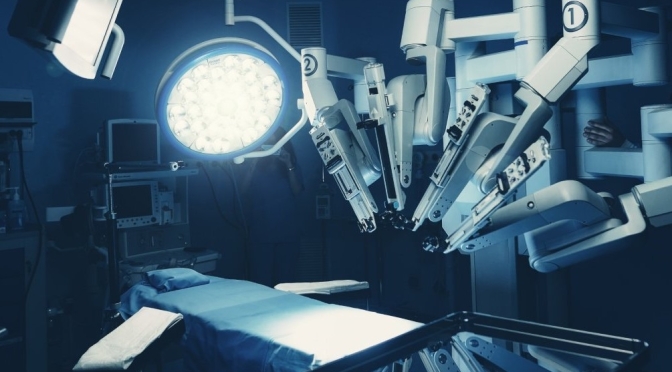
Medical Review: ‘Single-Port Robotic Surgery’

Although still relatively uncommon, single-port surgery has been gaining momentum in recent years. The benefits are noticeable. Compared to traditional surgery, single-port surgery might leave patients with shorter recovery times, less scarring, and overall better outcomes.
The technique is also transforming how surgeons think about and execute surgery itself. “It’s allowing us to do surgeries differently than we do with [multi-port surgery],” said Michael Stifelman, M.D., director of robotic surgery at Hackensack University Medical Center. “What every patient wants is to get back to their life. Single-port robotics is allowing us to get them to that point more quickly.”
Learn more about the future of single-port surgery in this episode of “Operation: Reimagine Surgery,” a Freethink original series produced in partnership with Intuitive, which created the world’s first commercially available robotic surgery system in the 1990s.
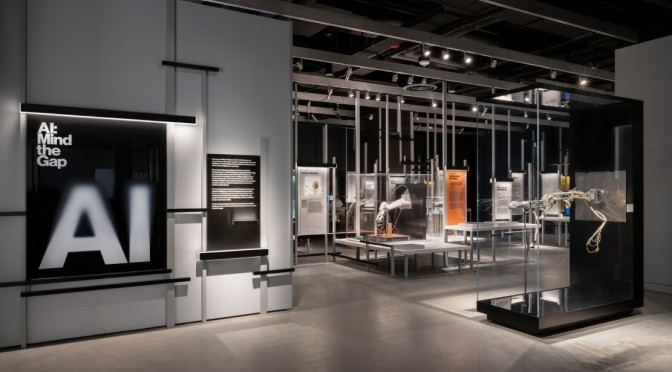
Science & Technology: A Tour Of New ‘MIT Museum’

From AI in the home to robots in the workplace, the presence of AI all around us compels us to question its potential and recognize the risks. What has become clear is that the more we advance AI technology and consider machine ability versus human ability, the more we need to mind the gap.

Reviews: ‘Avatar – The Way Of Water’ – The Science Of James Cameron’s 2022 Film

National Geographic recently spoke with Cameron from New Zealand about the science and technology of The Way of Water. What inspired these creatures, and how did Cameron and his team bring them to life?
Read the article to find out: https://on.natgeo.com/3VWciu5
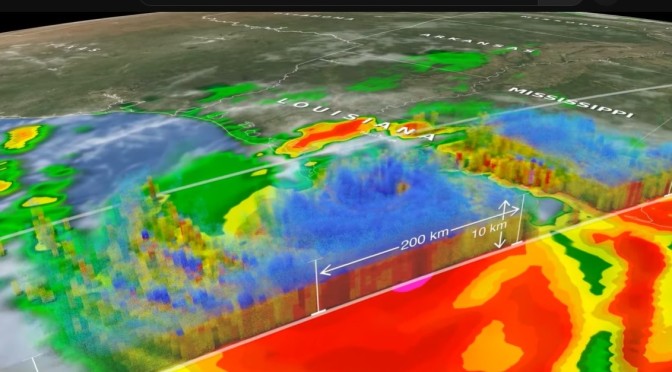
Views: NASA Unveils ‘Earth System Observatory’ (ESO)

These observations will address the most pressing questions about our changing planet. Taken together as a single Observatory, NASA will have a holistic, 3D view of Earth to better understand how our planet’s complex systems work together and improve our capability to predict how our climate may change.
NASA’s Open Source Science strategy is the key to bringing the data from these missions together into a single observatory to help understand the earth as a system and accelerate our ability to use this understanding. These observations will better inform decision-makers on how our planet is changing, with greater precision on previously unimaginable scales – from entire continents down to individual trees, from atmosphere to bedrock.

Transportation: United Airlines Reveals First ‘Air Taxi’ By Archer Aviation

Video timeline: 0:00 Intro 0:55 Midnight eVTOL 1:54 Maker Prototype Test Flight 2:29 Archer x United 3:26 Conclusion

World Economic Forum: Top Stories – Nov 25, 2022

0:15 This island nation has moved to the metaverse – Rising seas are due to swamp Tuvalu by the end of the century. So the Pacific archipelago of 12,000 people has taken a remarkable step, declaring itself the world’s ‘first digital nation’.
1:39 Crosswords battle memory loss – Researchers studied 107 elderly people with mild cognitive impairment. 4 times a week, they spent half an hour either doing a crossword or completing tasks on a popular brain-training computer platform. Then they were reassessed after 12 and 66 weeks. Crossword players scored better on cognitive decline and daily functioning tests.
2:50 UK is rolling out ‘buzz’ stops for bees – The UK is planting bee-friendly native flowers on the roofs of roadside bus shelters, creating a parallel transport network for bugs. Management company Clear Channel aims to convert 1,000 shelters overall with native plants such as pansies and thyme.
4:05 Entrepreneur running 200 marathons for water – Guli is an Australian entrepreneur and environmental activist. She plans to complete Run Blue in time for the UN Conference on Water in March 2023 and to inspire as many people as possible along the way. Guli’s mission has taken her to the front lines of the global water crisis.
_____________________________________________
The World Economic Forum is the International Organization for Public-Private Cooperation. The Forum engages the foremost political, business, cultural and other leaders of society to shape global, regional and industry agendas. We believe that progress happens by bringing together people from all walks of life who have the drive and the influence to make positive change.
 Boomers Daily