euronews (June 15, 2023) – What does it mean to be human? An age-old philosophical question, thrown into the spotlight by the rise of #AI, which has managed to pass the sentience test created by Alan Turing.
In this first episode of Euronews Tech Talks, an Italian programmer delegates code-writing, a French artist reinvents her practice, a Cypriot student brainstorms, and a German teacher ignites minds.
Released a mere six months ago in November, ChatGPT has already become the fastest-growing consumer application. With this rapid growth, how is AI affecting life across Europe?
The education system is scrambling to catch up with #AI, but it’s not all doom and gloom for teachers. Dr. @sabinehauert and Dr. Matthew Glanville tell us about the benefits of this technology in the classroom, and how it can help diverse learners achieve their goals
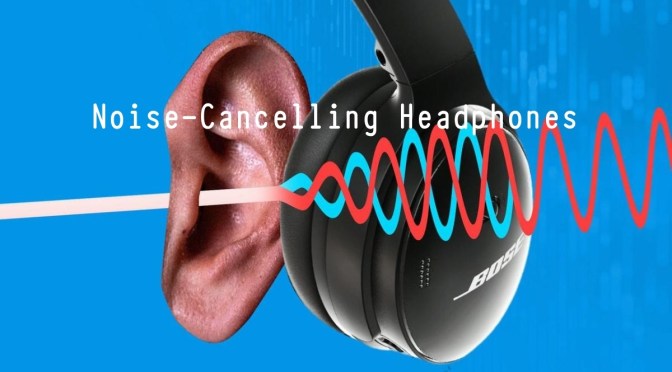
Wall Street Journal (June 10, 2023) – Noise canceling is a hallmark feature of top headphones across brands, from Apple and Beats to Sony and Bose. Behind the simplicity of the technology from a user perspective, though, is cutting-edge hardware running sophisticated algorithms.
Video timeline: 0:00 A sound wave and its inverse 0:32 Destructive interference 1:30 Noise-canceling headphones’ origins 3:17 What background noise to remove 4:46 Transparency modes or aware modes
What kind of audio processing is necessary to eliminate background noise when listening to music or watching a movie? WSJ dives into how noise canceling works, how the technology has changed and where things are headed.
The Frost is a 12-minute movie in which every shot is generated by an image-making AI. It’s one of the most impressive—and bizarre—examples yet of this strange new genre. You can watch the film below in an exclusive reveal from MIT Technology Review.
MIT Technology Review (June 2023) – The Frost nails its uncanny, disconcerting vibe in its first few shots. Vast icy mountains, a makeshift camp of military-style tents, a group of people huddled around a fire, barking dogs. It’s familiar stuff, yet weird enough to plant a growing seed of dread. There’s something wrong here.
“Pass me the tail,” someone says. Cut to a close-up of a man by the fire gnawing on a pink piece of jerky. It’s grotesque. The way his lips are moving isn’t quite right. For a beat it looks as if he’s chewing on his own frozen tongue.
Welcome to the unsettling world of AI moviemaking. “We kind of hit a point where we just stopped fighting the desire for photographic accuracy and started leaning into the weirdness that is DALL-E,” says Stephen Parker at Waymark, the Detroit-based video creation company behind The Frost.
CNBC (June 10, 2023) – Interest in electric vehicles is at an all time high, with sales of new EVs up 55 percent in 2022 compared to the year prior. But there are still a lot of gas cars on the road today and there will be for a long time. EV conversions are becoming a bigger trend that could help.
Chapters: 00:00 — Introduction 02:40 — EV conversions 04:12 — Conversion shops 06:45 — DIY community 11:16 — Challenges
Both the shops and aftermarket community are growing substantially to meet the new demand. CNBC explores what it takes to convert a gas-powered car to an electric vehicle and whether it could go mainstream.
CNBC (June 8, 2023) – Samsung may be known for android phones, TVs and appliances, but it’s also been the undisputed leader in memory for more than three decades. Now, as memory prices continue to fall, it’s doubling down on manufacturing chips for outside customers, with a $17 billion new chip fab in Texas and new $228 billion cluster in South Korea.
Chapters: 00:00 – Introduction 02:31 — From fish to microchips 06:10 — Making more chips in the U.S. 11:17 — Concerns and controversy 14:40 — Ambitious road map ahead
CNBC got a rare look inside Samsung’s chip business to bring you the untold story of how it became the world’s second biggest advanced chipmaker, just as it makes plans to catch the industry leader TSMC.
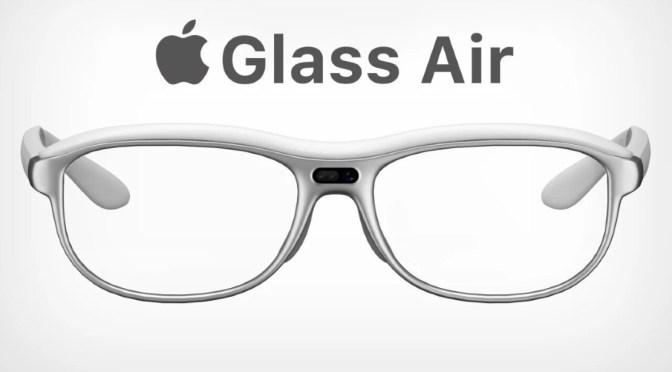
Yanko Design (June 2, 2023) – Augmented Reality has always been Tim Cook’s favorite buzzword, and he’s consistently pushed for Apple to have a presence in this space. It’s expected that all this will culminate in what analysts and leakers call “Reality”, Apple’s first XR headset. This cutting-edge device, expected to be unveiled at Apple’s Worldwide Developers Conference, aims to pioneer the relatively uncharted realm of mixed-reality technology.
With a price tag of approximately $3,000, the ‘Reality’ headset has been seven years in the making, and has been apparently filled with controversy too, with a large chunk of Apple’s own employees expressing doubt and disdain. However, here’s everything we know about the Reality headset (or could it be a pair of glasses?) that’s set to launch this Monday.
The headset’s design journey has oscillated between being thick and obtrusive, like your average VR headset, to being as slim as a pair of spectacles, or realistically, a pair of chunky ski goggles. At its heart, however, lies the innovative xrOS, designed to provide an interface that echoes the familiar iOS experience. The new operating system (which is pretty much confirmed thanks to a trademark filed by Apple in New Zealand) is set to revolutionize how users interact with their devices, presenting a traditional Home Screen in an entirely new dimension filled with apps and customizable widgets.
One of the most exciting features of ‘Reality’ is its ability to merge digital elements with the real world. The xrOS software could potentially project AR app interface elements onto actual objects, creating a seamless mixed-reality overlay effect. This represents a significant leap forward in AR technology, blurring the boundaries between the physical and digital worlds. According to MacRumors, the ‘Reality’ device will achieve this using “dual high-resolution 4K micro OLED displays with up to 3,000 pixels per inch for a rich, realistic, and immersive viewing experience.” To operate the device, the user’s hands and eyes will be monitored by over a dozen optical cameras. The user can select an on-screen item by simply looking at it and activate it by making a hand gesture, such as a pinch.
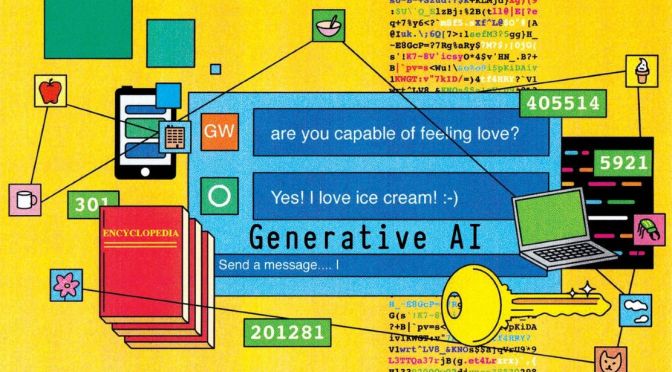
The Economist (May 18, 2023) – Generative AI is the technology behind the wave of new online tools used by millions around the world. As the technology is ever more widely deployed, what are its current strengths and its weaknesses?
Video timeline:00:00 – What is generative AI? 00:46 – Breakthroughs and take-up of the technology 02:03 – Strengths 03:32 – Weaknesses
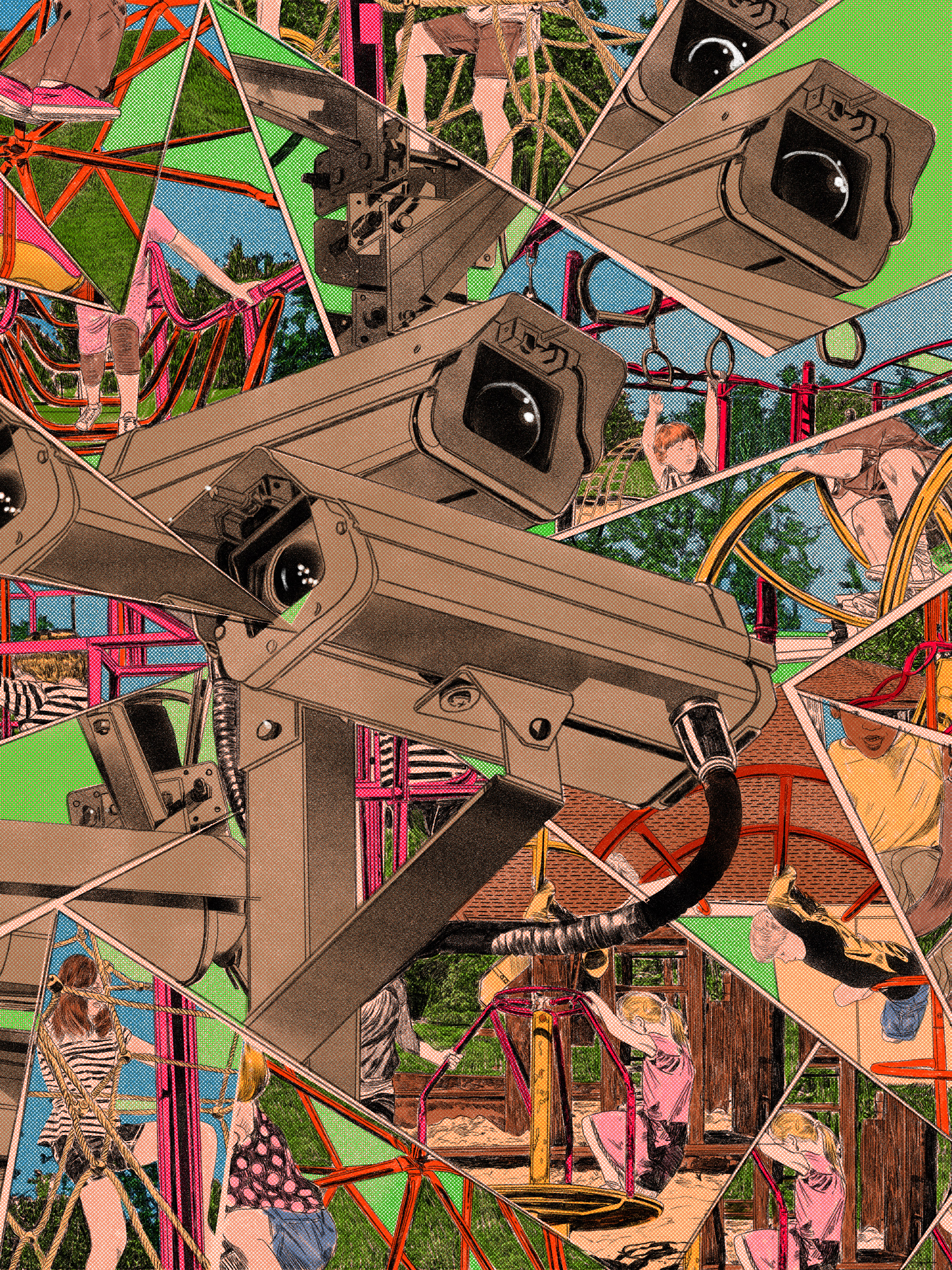
MIT Technology Review – May/June 2023: How AI is transforming the classroom. Surveilling students. Teaching the biliterate brain to read. What we’ve learned from “learning to code.” Plus keyboard obsessions, wildfire resilience, and shroom speak.
The historians of tomorrow are using computer science to analyze how people lived centuries ago.
It’s an evening in 1531, in the city of Venice. In a printer’s workshop, an apprentice labors over the layout of a page that’s destined for an astronomy textbook—a dense line of type and a woodblock illustration of a cherubic head observing shapes moving through the cosmos, representing a lunar eclipse.
DW News (April 23, 2023) – AI systems such as OpenAI’s ChatGPT are dominating headlines. There are concerns that their rise may lead to the displacement of millions of workers, blur the distinction between truth and falsehood, and amplify existing inequalities. Are the worries justified?
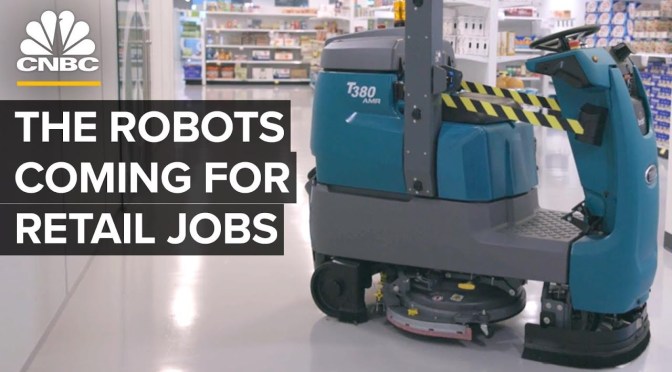
CNBC (April 22, 2023) – Outfitted with cameras and sensors, autonomous inventory robots can verify price signs and look for out-of-stock items. Inventory is one of the biggest challenges retailers face.
Missed sales from empty shelves and out-of-stock items cost U.S. retailers $82 billion in 2021, according to NielsenIQ. But an army of inventory robots is being deployed that could help retailers appease angry customers, boost sales and respond to the ongoing worker shortage.
News, Views and Reviews For The Intellectually Curious








 Yanko Design (June 2, 2023) – Augmented Reality has always been Tim Cook’s favorite buzzword, and he’s consistently pushed for Apple to have a presence in this space. It’s expected that all this will culminate in what analysts and leakers call “Reality”, Apple’s first XR headset. This cutting-edge device, expected to be unveiled at Apple’s Worldwide Developers Conference, aims to pioneer the relatively uncharted realm of mixed-reality technology.
 The Economist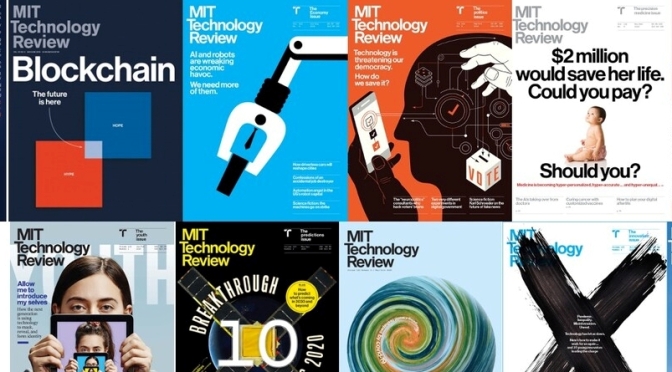





 Boomers Daily