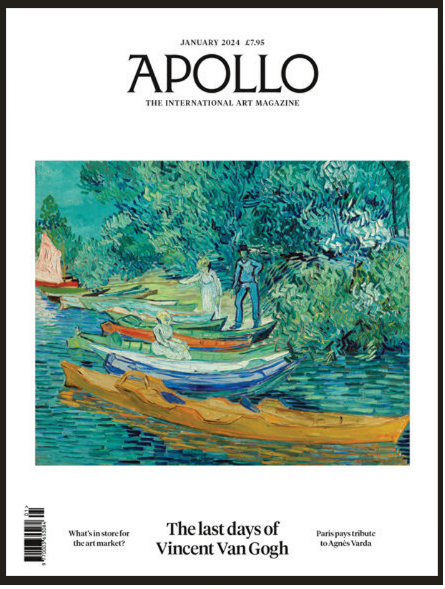
Apollo Magazine(December 23, 2023): The new January 2024 issue features‘The Last Days of Vincent Van Gogh’; What’s in store for the art market?; Paris pays tribute to Agnès Varda, and more…
Tesla and China-based BYD are financially similar. Both car makers generated almost identical operating profit in the third quarter. The one big difference: their valuations.Long read
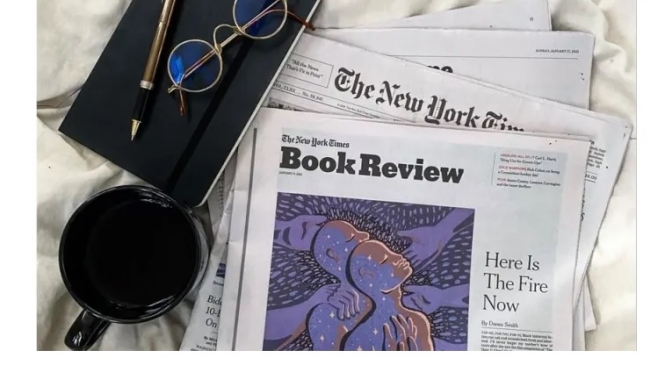
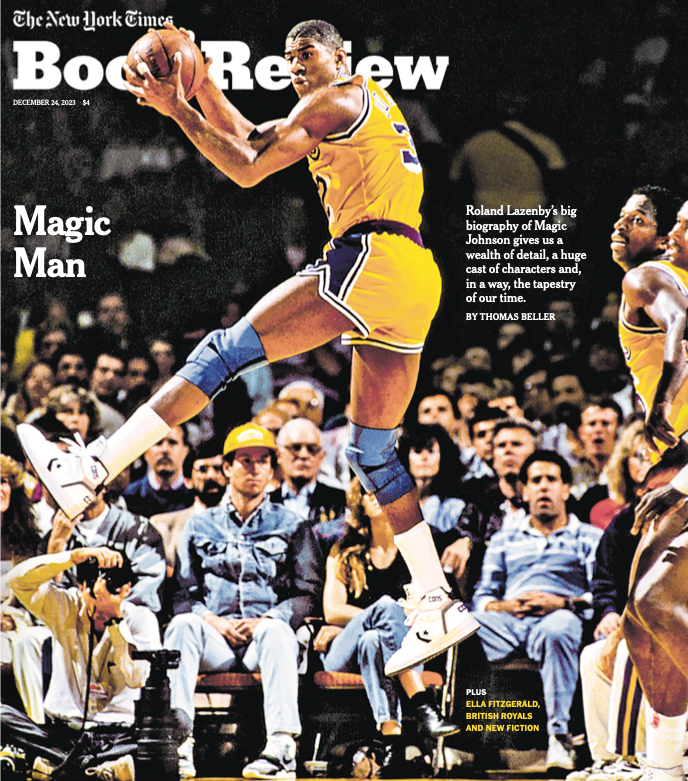
THE NEW YORK TIMES BOOK REVIEW (December 22, 2023): The latest issue features MAGIC: The Life of Earvin “Magic” Johnson, by Roland Lazenby; My Jewish Charlie Brown Christmas – The Peanuts special is the most overtly Christian TV holiday classic. So why does it speak to me so deeply?; Seven Fishes (Not Seven Dishes) for Christmas Eve – A modern Italian American take on the Feast of the Seven Fishes offers a streamlined menu any family can pull off….
Roland Lazenby’s big biography of Magic Johnson gives us a wealth of detail, a huge cast of characters and, in a way, the tapestry of our time.
By Thomas Beller
MAGIC: The Life of Earvin “Magic” Johnson, by Roland Lazenby
I once asked a portrait photographer why no one ever smiled in her pictures, and she replied, “A smile is a mask.”
I thought of this aphorism as I read Roland Lazenby’s 800-page biography of Magic Johnson. Sports Illustrated declared his smile to be one of the two greatest smiles of the 20th century. (The other was Louis Armstrong’s.) As Missy Fox, the daughter of his high school coach, says in the book, “That is the one thing he’s always had, that smile.”
My Jewish Charlie Brown Christmas
The Peanuts special is the most overtly Christian TV holiday classic. So why does it speak to me so deeply?
“A Charlie Brown Christmas” was a one-of-a-kind wonder when it premiered in 1965 and remains so almost 60 years later. Unlike the other jingle-belled baubles that TV throws down the chimney each year, it is melancholy and meditative. The animation is minimalist and subdued, full of grays and wafting snowflakes. I could wrap myself in the Vince Guaraldi jazz score like a quilt.
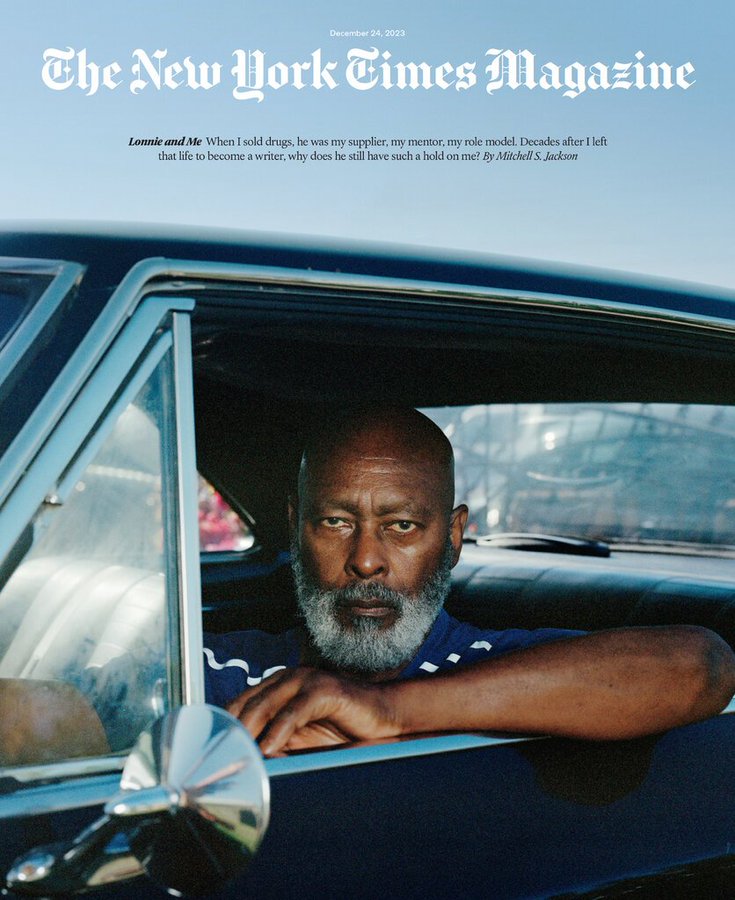
Decades after I left hustling to become a writer, why did I seek out the man who drew me into that world?
By Mitchell S. Jackson
O.G. rings me in the a.m. to say he’s just touched down in Phoenix. It’s the day before he said he’d arrive, and while there was a time when I’d treat the seeming opacity of his plans as par, the call’s a minor surprise. He asks for my address and tells me he can drop by as soon as he grabs his rental car. “Cool,” I say, as if the call ain’t ramped my pulse, as if my crib is presentable for guests. It isn’t. So I shoot out of bed and get to cleaning and straightening the first floor, going so far as to light a candle. It’s been umpteen years since I’ve seen O.G. — Lonnie’s his name — and God forbid he judge me anything less than hella fastidious.
The story of 2.3 million Palestinian refugees in Jordan has been shaped by generations of war and exile.Photographs
by MOISES SAMAN
How Do You Make a Movie About the Holocaust?
With “The Zone of Interest,” Jonathan Glazer is just the latest director to confront the problem.
Poetry makes nothing happen, W.H. Auden said in 1939, when words must have seemed especially impotent; but cinema is another matter. For several decades after the end of the Second World War, what’s come to be seen as its central catastrophe — the near-total destruction of the European Jews — was consigned to the status of a footnote. The neglect was rooted in guilt: Many nations eagerly collaborated in the killing, while others did nothing to prevent it. Consumed by their own suffering, most people simply didn’t want to know, and a conspiracy of silence was established.
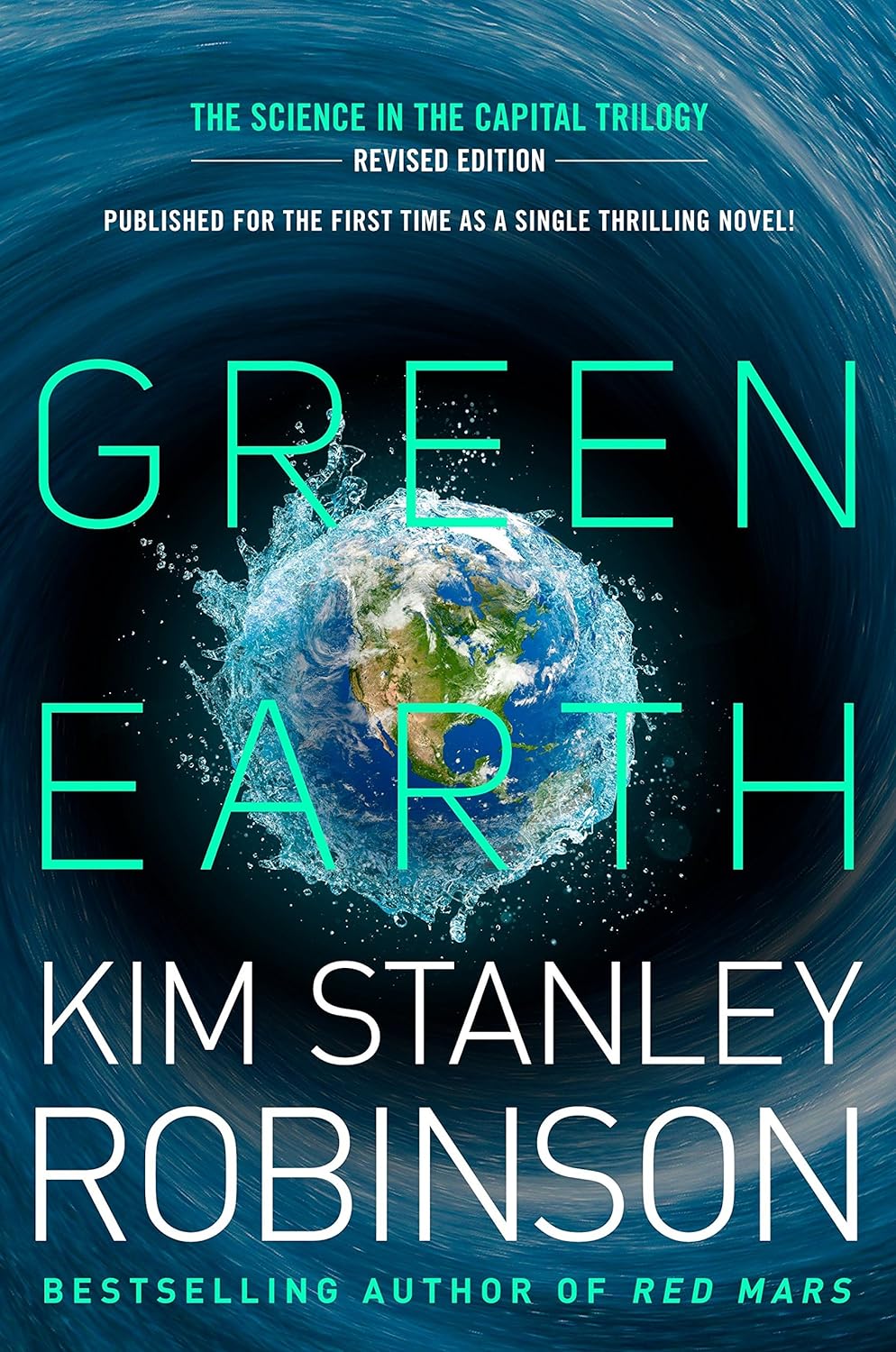
Kim Stanley Robinson is credited with helping create the genre of climate fiction, and his book Green Earth is yet another example of that. Set in Washington, DC, Robinson draws from his own personal experience living and working in the capital city. “What I like about DC is that there is kind of an electricity in the air, a human electricity,” Robinson told CityLab. “You walk the streets, you see people from all over the world. To go to the world capital and settle there is a statement. It’s an attempt to wrest control of one’s fate.” But where the fictional part of the story begins is in its characters — when he portrays federal bureaucrats as a positive force for good.
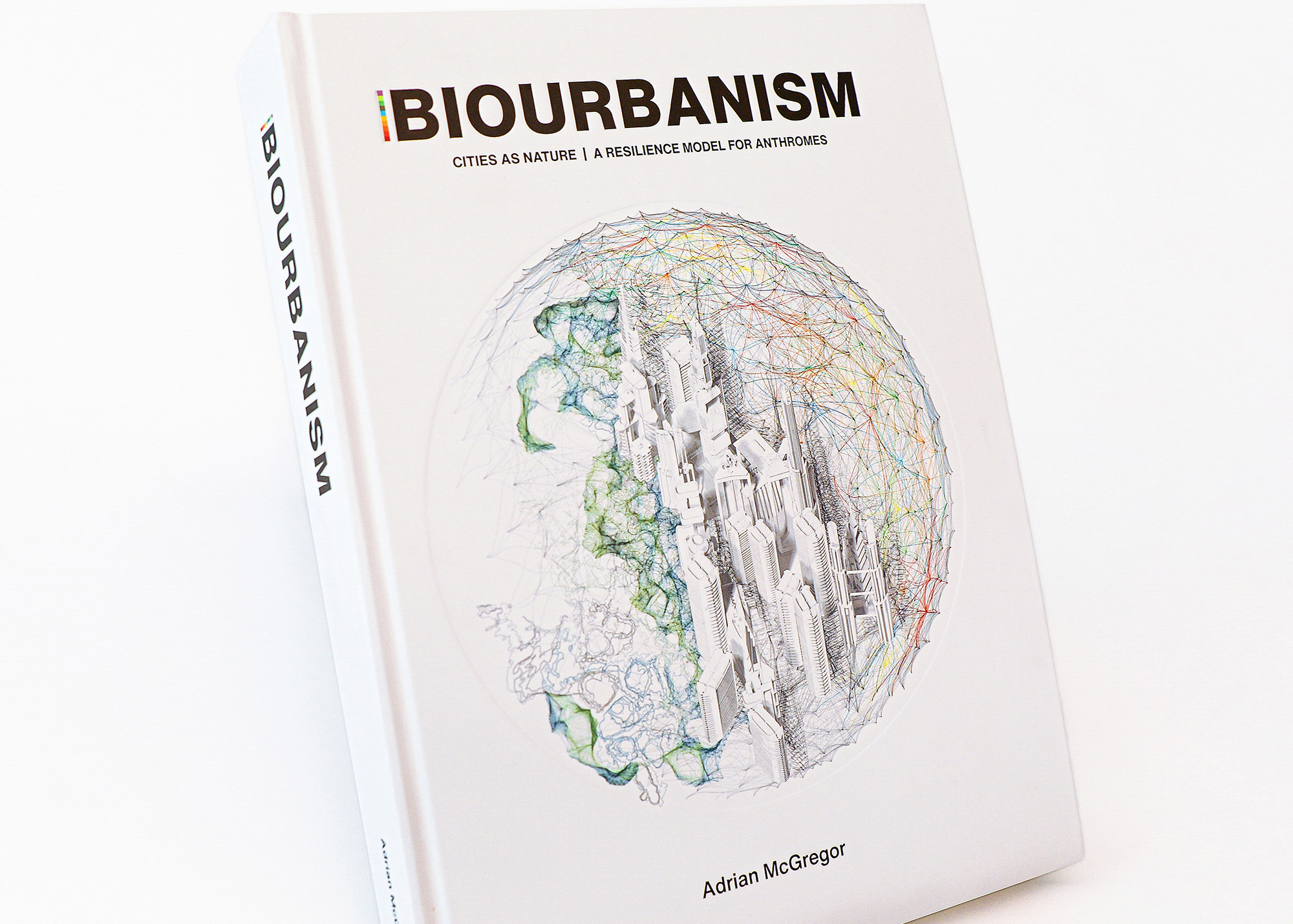
“If we can understand that cities are part of nature — even if they don’t really look like nature — that means we’ve got to change how we plan with them, how we work with them, and what our future looks like on spaceship Earth,” Adrian McGregor says. That’s the premise of Biourbanism: Cities as Nature, which looks at how effective urban planning and design can be achieved by viewing cities through a natural lens. McGregor sees cities as instrumental to lead the fight against the climate crisis. “There’s a policy gap between a federal government making decarbonization commitments and actual city policy,” he says. “They’re not really thinking clearly about where the emissions are coming from and therefore how to target them.”
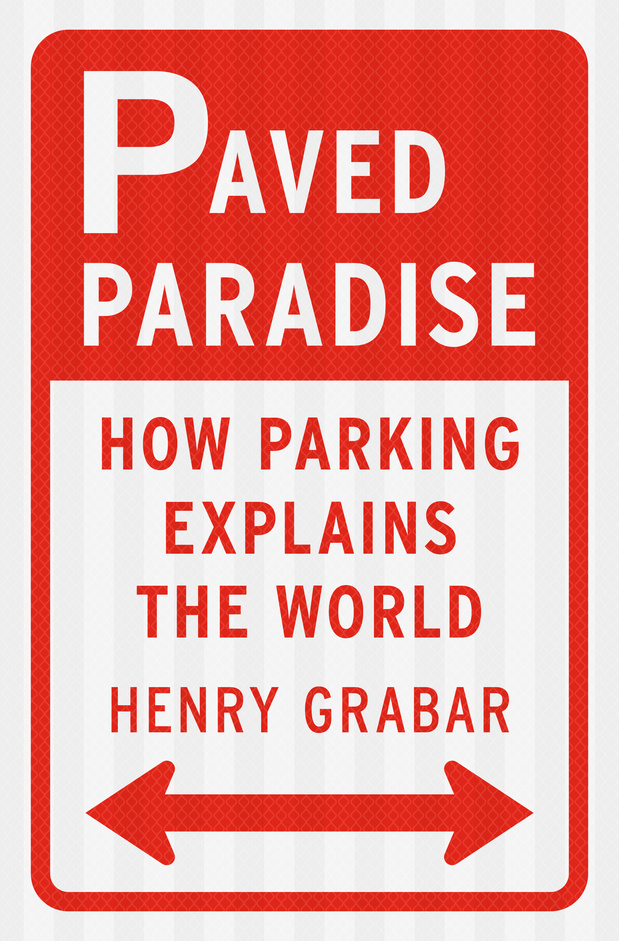
Journalist Henry Grabar has a pretty simple solution for better city living: parking reform. The act of parking, for so many, is an aggravating experience. “You’re more likely to be killed over a parking space than you are to be killed by a shark,” Grabar told CityLab. In his book Paved Paradise, he argues that the key to happier residents is transforming parking policies to make them smarter and more convenient, and by undoing some of the privileges given to drivers in order to help boost multimodal transportation. “It’s very hard to overrule the instinctive feeling that parking ought to be available when I want it, where I want it, for the price I want to pay, which is zero,” Grabar said. “A lot of smart parking policy deviates from those assumptions, like charging for coveted street parking in busy locations, or trying to encourage people to park in a garage a few blocks away and then walk a bit.”
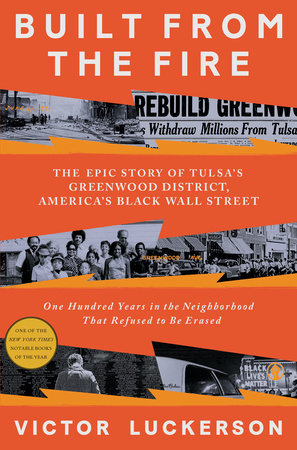
What happened after the Tulsa race massacre? It’s a question often lost when thinking about the violence that saw one of the wealthiest historic Black American neighborhoods burned down, and its residents killed or chased out. Built From the Fire seeks to tell the story of Greenwood from start to end, past the initial tragedy that wiped out Black Wall Street and the destructive urban renewal plans and physically divisive highways that followed. For Victor Luckerson, who moved to Tulsa and embedded himself in Greenwood’s community and archives in order to tell the story right, the policies and actions of local government officials did as much damage, if not more, to the neighborhood’s heritage than the initial conflagration. “I would say the massacre was more devastating in the short term, and urban renewal more devastating in the long term,” he says.
It’s not just heartbreak and bad grades that teens are facing — now, it’s gentrification too. Author Jade Adia found inspiration in the Los Angeles youth that came out to protest against police brutality after the murder of George Floyd, and wrote There Goes the Neighborhood with those young people in mind. Her debut young adult novel tells the story of 15-year-old Rhea, who devises a plan to save her best friend’s family from eviction, as gentrifiers threaten to upend her neighborhood in South Los Angeles. “I wanted to tackle the topic [of gentrification] in the most accessible way possible,” Adia told CityLab, “by putting young people and their experiences on the front lines of the conversation.”
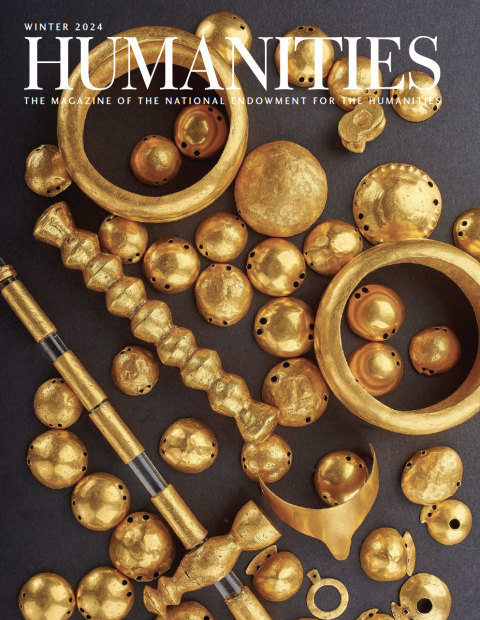
As visitors exit “First Kings of Europe,” the gift shop offers a kind of test. Two craft beers were created for the exhibition, a collaboration between the museum and Off Color Brewing: Beer for Kings, made from top-quality rich and ancient grains, and Beer for Commoners, made from the more modest ingredients of the poor. Beneath the racks of beer hang T-shirts with the art for each. Which identity does the visitor want to take home: commoner or king? The answer for most exhibitions celebrating the awe-inspiring treasures of royalty would be easy, but “First Kings of Europe” is a different kind of show, with an ambitious new approach to how we display and envision power, kingship, and history.
Quanta Magazine (December 21, 2023): 2023’s Biggest Breakthroughs in Biology and Neuroscience.
Video timeline: 00:05The Investigation of Consciousness – Our minds are constantly taking in new external information while also creating their own internal imagery and narratives. How do we distinguish reality from fantasy? This year, researchers discovered that the brain has a “reality threshold” against which it constantly evaluates processed signals. Original paper: “Subjective signal strength distinguishes reality from imagination”
04:30Microbiomes Evolve With Us – This year, scientists provided clear evidence that the organisms in our microbiome —the collection of bacteria and other cells that live in our guts and elsewhere on our body — spread between people, especially those with whom we spend the most time. This raises the intriguing possibility that some illnesses that aren’t usually considered communicable might be.
08:43How Life Keeps Time – The rate at which an embryo develops and the timing of when its tissues mature vary dramatically between species. What controls the ticking of this developmental clock that determines an animal’s final form? This year, a series of careful experiments suggest that mitochondria may very well serve dual roles as both the timekeeper and power source for complex cells.
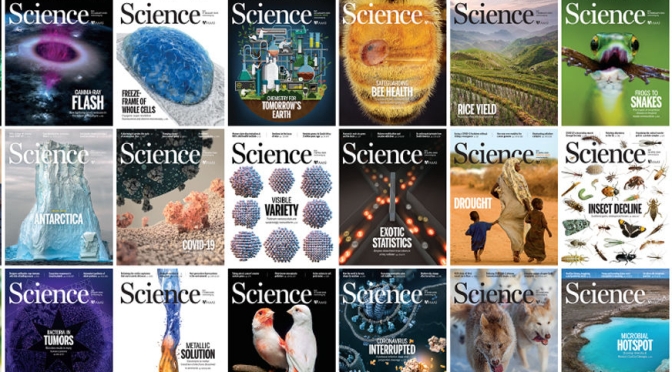
Science Magazine – December 21, 2023: The new issue featuresAI-Powered Forecasting – Predicting worldwide weather and cyclone tracks with greater speed and accuracy; Fifty years after the Endangered Species Act, what’s next?; Long-sought quasiparticle could transform quantum computing and What Salvadorans feared about bitcoin…
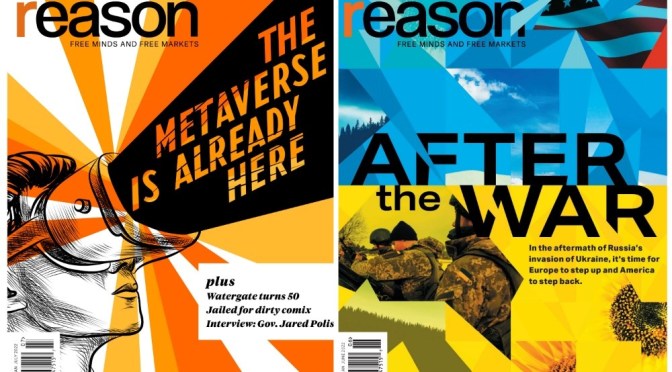
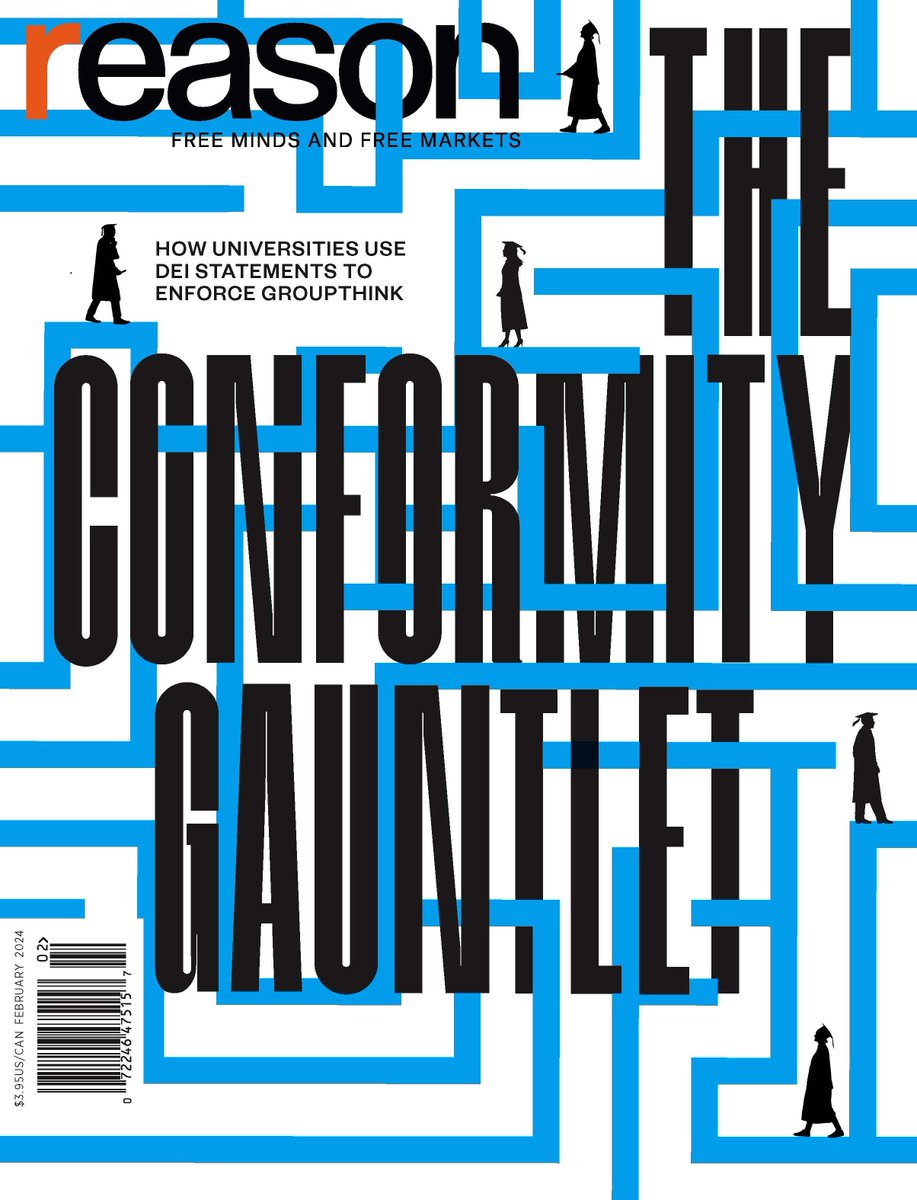
REASON MAGAZINE (December 21, 2023) – The latest issue features ‘The Conformity Gauntlet’ – How Universities use DEI Statements to Enforce Groupthink; The Post-Neoliberalism Moment; We Absolutely Do Not Need an FDA for AI, and more…
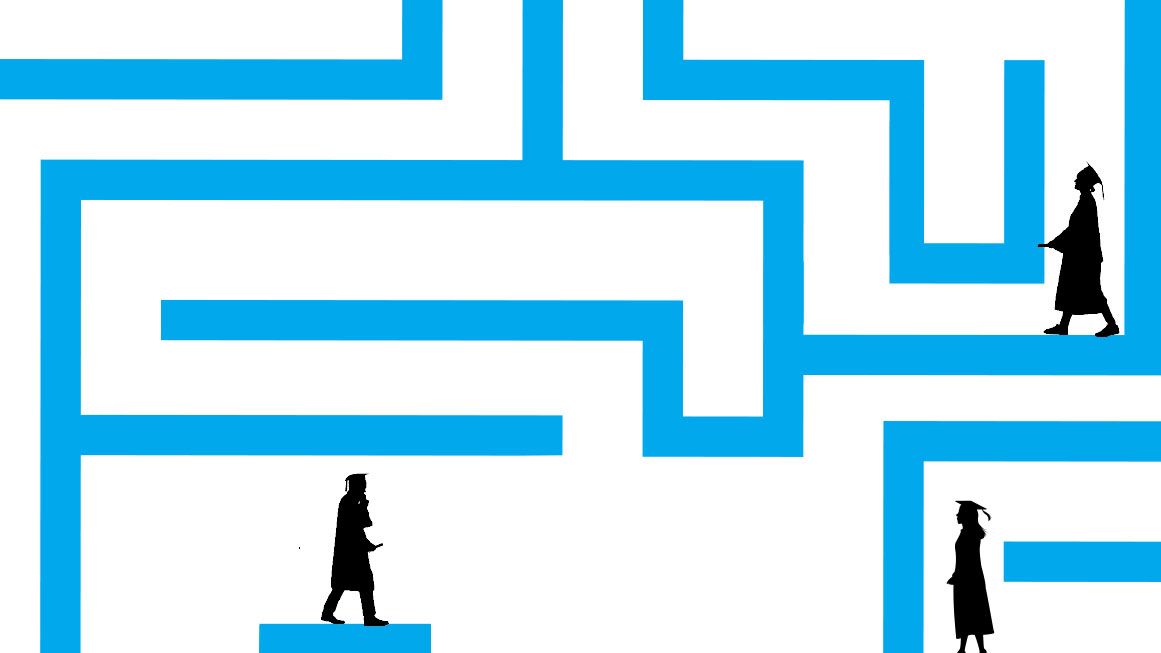
Universities Use DEI Statements To Enforce Groupthink
DEI statements are political litmus tests, write Greg Lukianoff and Rikki Schlott.
The Post-Neoliberalism Moment
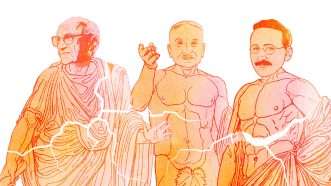
Anyone advocating neoliberal policies is now persona non grata in Washington, D.C.
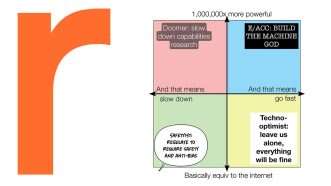
If our best and brightest technologists and theorists are struggling to see the way forward for AI, what makes anyone think politicians are going to get there first?
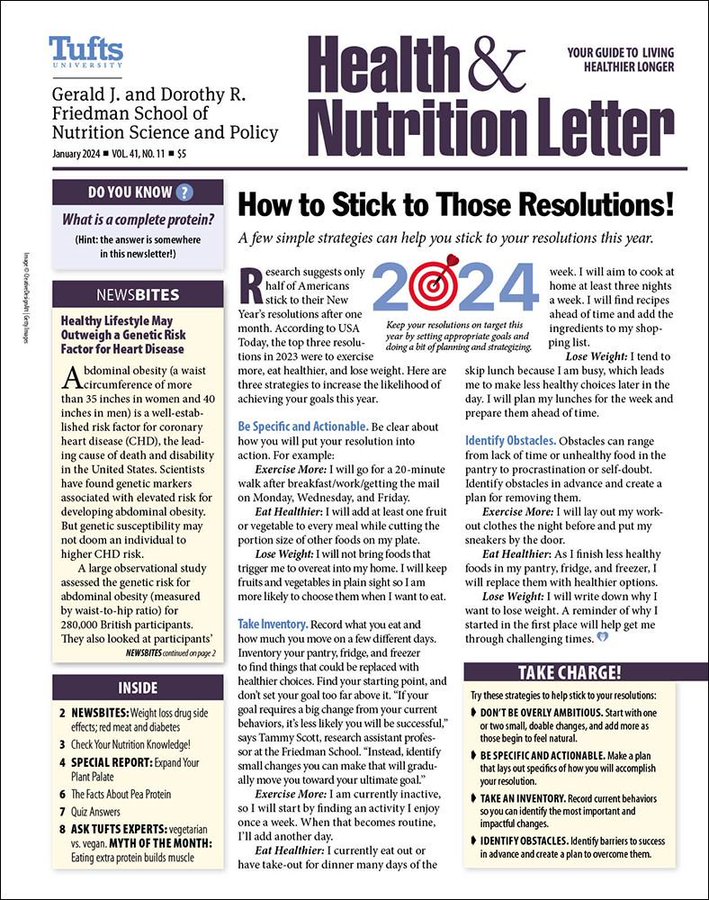
Tufts Health & Nutrition Letter (JANUARY 2024): The new issue features ‘Healthy Lifestyle May Outweigh a Genetic Risk Factor for Heart Disease; How to Stick to Those Resolutions!; Check Your Nutrition Knowledge; Special Report – Expand Your Plant Palate; The Facts About Pea Protein; and more…
News, Views and Reviews For The Intellectually Curious




















 Boomers Daily