
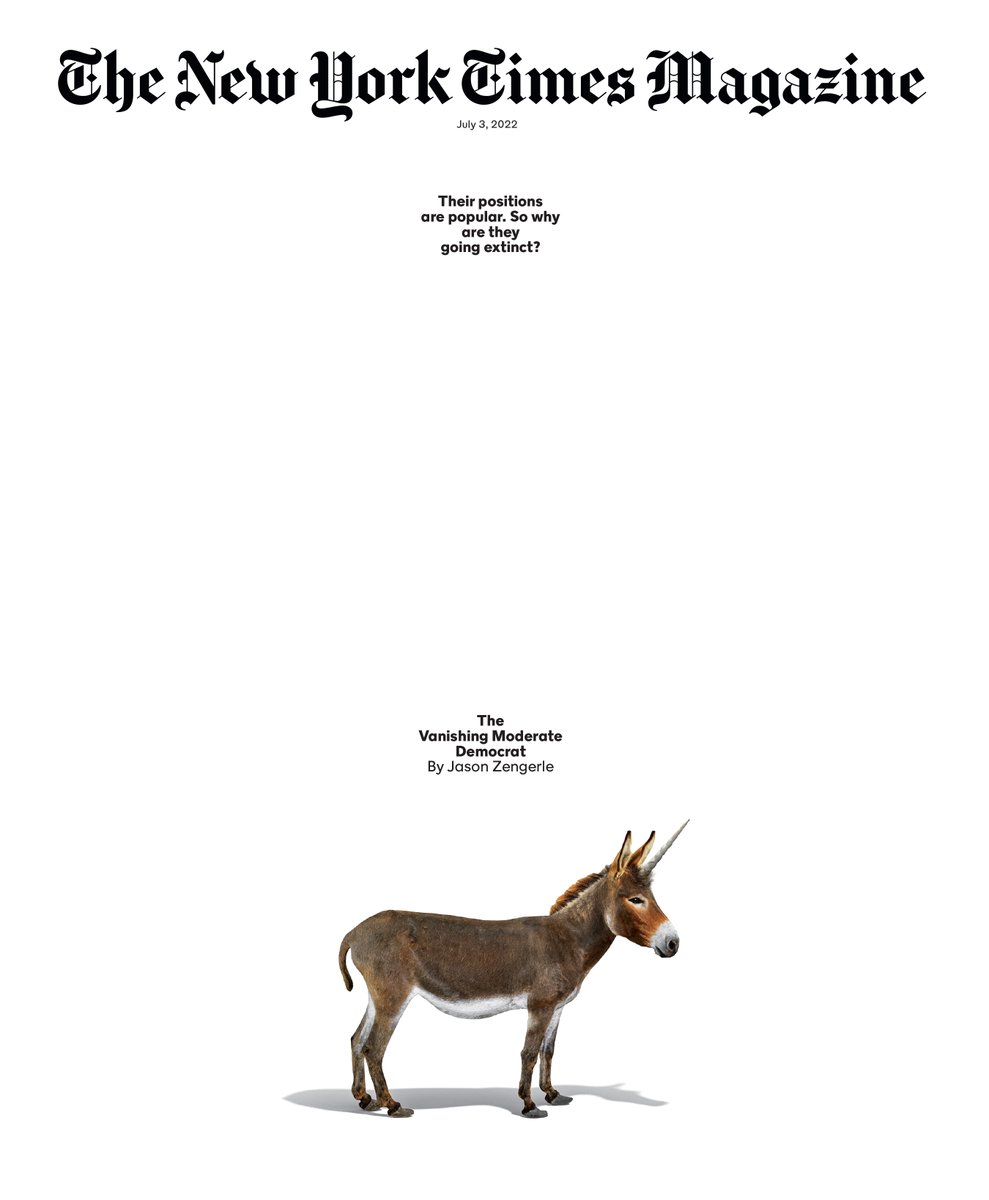
The Vanishing Moderate Democrat
Their positions are popular. So why are they going extinct?

Their positions are popular. So why are they going extinct?
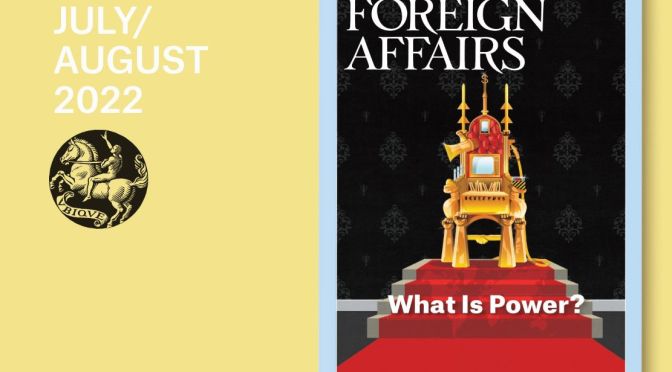
What comes after the American Century?
In February 1941, as Adolf Hitler’s armies prepared to invade the Soviet Union, the Republican oligarch and publisher Henry Luce laid out a vision for global domination in an article titled the american century. World War II, he argued, was the result of the United States’ immature refusal to accept the mantle of world leadership after the British Empire had begun to deteriorate in the wake of World War I. American foolishness, the millionaire claimed, had provided space for Nazi Germany’s rise. The only way to rectify this mistake and prevent future conflict was for the United…
The artist discusses urban spaces and classic Russian children’s books.
New York may be a city where a person can, for the amount one might reasonably expect to pay for a month’s rent in many parts of this country, partake in an hours-long omakase experience featuring toro topped with osetra caviar and uni served with white truffle. Its temples of art may house some of the most renowned—and well-insured—art in the world. But it is also a city that embraces the epicure of the hot dog and the patron of the sidewalk artist. I recently spoke to this week’s cover artist, Victoria Tentler-Krylov, about city planning and sketching people on the subway.

Jun 9th 2022ShareGive
Picture a computer that could finish your sentences, using a better turn of phrase; or use a snatch of melody to compose music that sounds as if you wrote it (though you never would have); or solve a problem by creating hundreds of lines of computer code—leaving you to focus on something even harder. In a sense, that computer is merely the descendant of the power looms and steam engines that hastened the Industrial Revolution. But it also belongs to a new class of machine, because it grasps the symbols in language, music and programming and uses them in ways that seem creative. A bit like a human.
The “foundation models” that can do these things represent a breakthrough in artificial intelligence, or ai. They, too, promise a revolution, but this one will affect the high-status brainwork that the Industrial Revolution never touched. There are no guarantees about what lies ahead—after all, ai has stumbled in the past. But it is time to look at the promise and perils of the next big thing in machine intelligence.
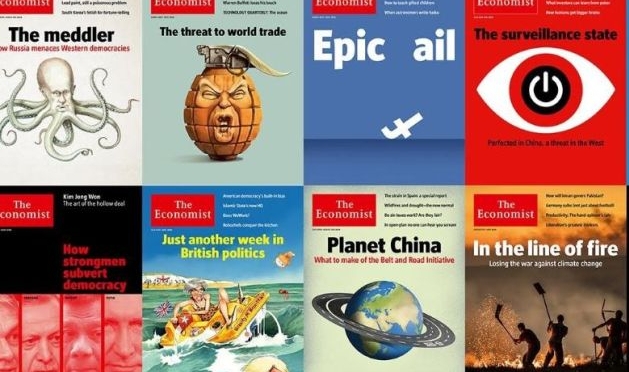
The Economist Magazine, May 21, 2022 – War is tipping a fragile world towards mass hunger. Fixing that is everyone’s business.
Will COVID controls keep controlling us?
In January 2022 I came down with mild symptoms of something or other. I was already triple-vaxxed, with a French vaccine passport (“pass vaccinal”) on my iPhone to prove it, and like a true pioneer I had already suffered through a bout of COVID-19 long before, in March 2020.
The Economist, May 14, 2022 – The Indian economy is being rewired. The opportunity is immense—and so are the stakes.
This week’s cover, by the designer Frank Viva, is a colorful, lyrical springtime ode to the pleasures of biking. We spoke to Viva about his love affair with cycling, his island retreat, and learning to prioritize what matters.
The artist discusses basketball, painting, and teamwork.
By Françoise Mouly, Art by Kadir NelsonMay 2, 2022
For the second year in a row, basketball fans in New York have felt the sting of disappointed dreams. The Brooklyn Nets are, in the words of the staff writer Vinson Cunningham, “a theoretical super-team, not a fully realized force,” and they crashed out of the playoffs in the first round, after losing to the Boston Celtics in “a sweep that even the worst Nets pessimist wouldn’t have predicted.” And yet, on the city’s many courts, the game goes on. We spoke to Kadir Nelson about celebrating a beloved urban pastime.


 Boomers Daily