Tag Archives: Foreign Affairs Magazine

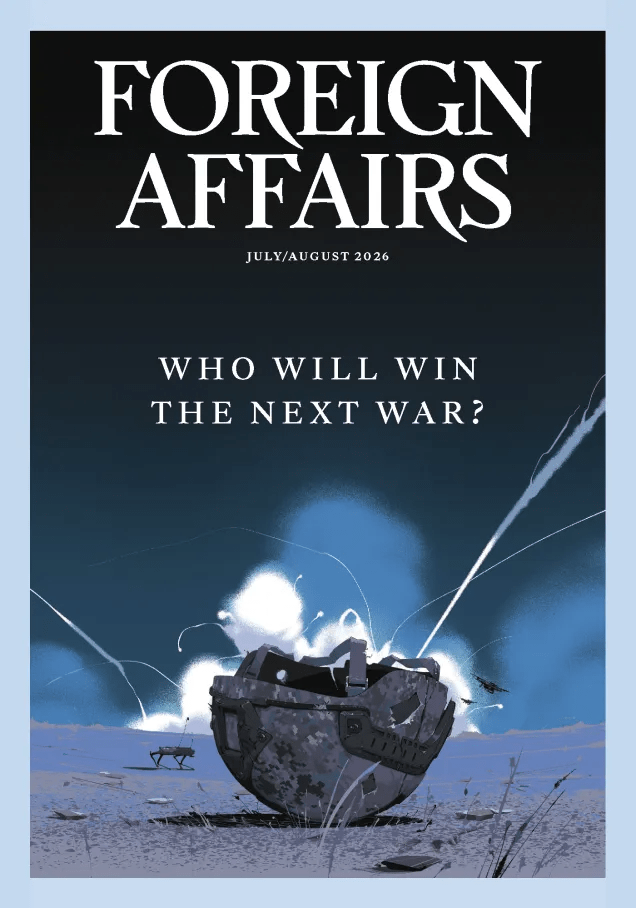
FOREIGN AFFAIRS MAGAZINE – JULY/AUGUST 2026 PREVIEW

FOREIGN AFFAIRS MAGAZINE: The latest issue features ‘Who Will Win the Next War’….

Losing the War of the Future

How New Technologies Threaten America’s Military Advantage by Paul Scharre

The Mirage of China’s Military Edge

Panic Is Misguided—and Counterproductive by Dennis Blair

The Next Russia Threat

Moscow’s Military Power After Ukraine by Michael Kofman

The Middle East Power Paradox

How the Iran War Will Transform America’s Military Role by Dana Stroul

The Strange Defeat of Nuclear Deterrence

And the Coming Crisis in Strategic Stability by Rose Gottemoeller

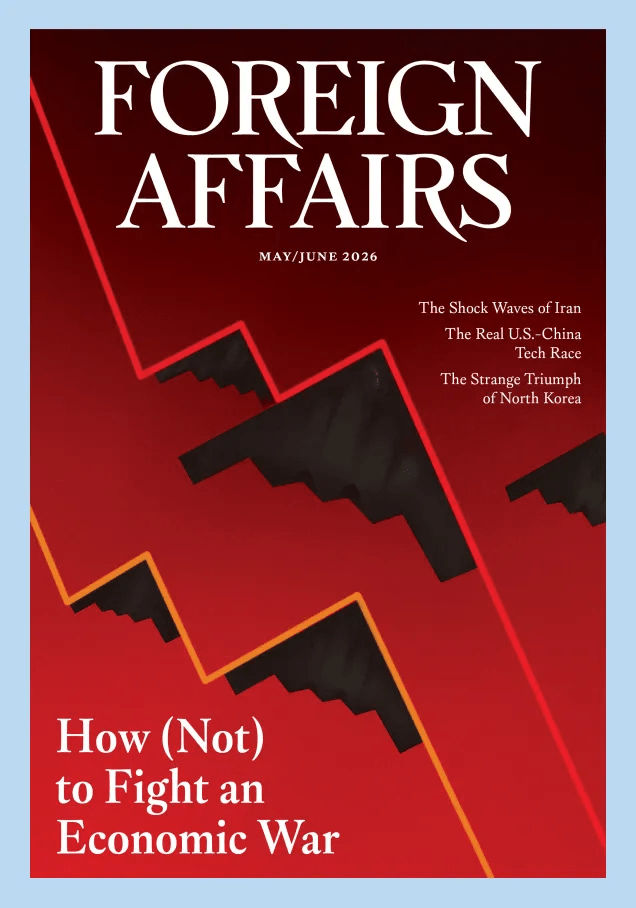
FOREIGN AFFAIRS MAGAZINE – MAY/JUNE 2026 PREVIEW

FOREIGN AFFAIRS MAGAZINE: The latest issue features ‘How (Not) to Fight and Economic War

The Real War for Iran’s Future

Who Will Determine the Fate of the Islamic Republic?

The Third Islamic Republic

A War’s Unintended Consequences—for Iran, the Middle East, and the Global Order

The Iran Imperative

How America and Israel Can Shape a New Middle East

How to Fight an Economic War

A Field Manual for a Ruptured World

The Iran Shock

And the Dangerous Allure of Energy Autarky

Jason Bordoff and Meghan L. O’Sullivan

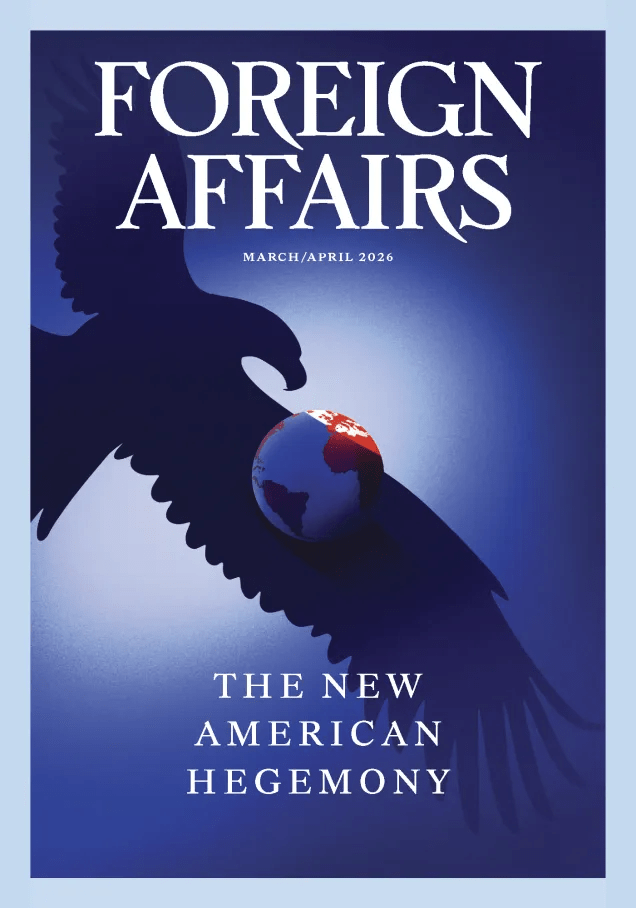
FOREIGN AFFAIRS MAGAZINE – MARCH/APRIL 2026

FOREIGN AFFAIRS MAGAZINE: The latest issue features ‘THE NEW AMERICAN HEGEMONY’

The Predatory Hegemon

How Trump Wields American Power by Stephen M. Walt

The Age of Kleptocracy

Geopolitical Power, Private Gain by Alexander Cooley and Daniel Nexon

The Globalist Delusion

Why America Must Build a New Operating System by Nadia Schadlow

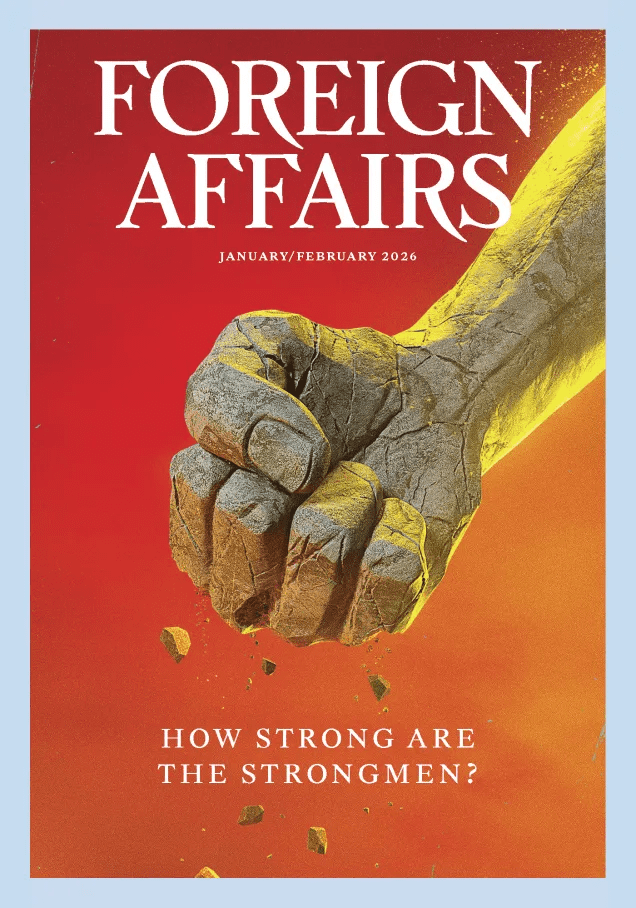
FOREIGN AFFAIRS MAGAZINE JANUARY/FEBRUARY 2026

FOREIGN AFFAIRS MAGAZINE: The latest issue features ‘How Strong Are The Strongmen?’

The Weakness of the Strongmen

What Really Threatens Authoritarians? Stephen Kotkin

The Price of American Authoritarianism

What Can Reverse Democratic Decline? By Steven LevitskyLucan A. Way, and Daniel Ziblatt

The Illiberal International

Authoritarian Cooperation Is Reshaping the Global Order by Nic CheesemanMatías Bianchi, and Jennifer Cyr

How China Wins the Future

Beijing’s Strategy to Seize the New Frontiers of Power by Elizabeth Economy

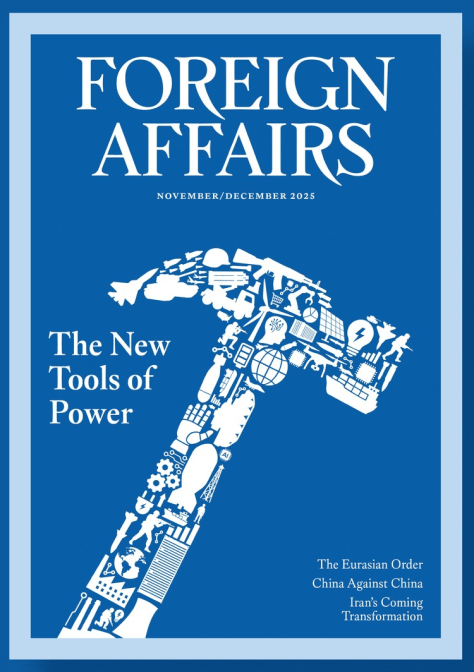
FOREIGN AFFAIRS MAGAZINE NOVEMBER/DECEMBER 2025

FOREIGN AFFAIRS MAGAZINE: The latest issue features ‘The New Tools of Power’

The Stagnant Order

And the End of Rising Powers by Michael Beckley

A Grand Strategy of Reciprocity

How to Build an Economic and Security Order That Works for America by Oren Cass

The New Supply Chain Insecurity

Fortress America Is Not a Safer America by Shannon K. O’Neil

The Return of the Energy Weapon

An Old Tool Creating New Dangers Jason Bordoff and Meghan L. O’Sullivan

FOREIGN AFFAIRS MAGAZINE – SEPTEMBER 2025 PREVIEW

Foreign Affairs-外交事务2025.09&10月号下载PDF电子版网盘杂志订阅-易

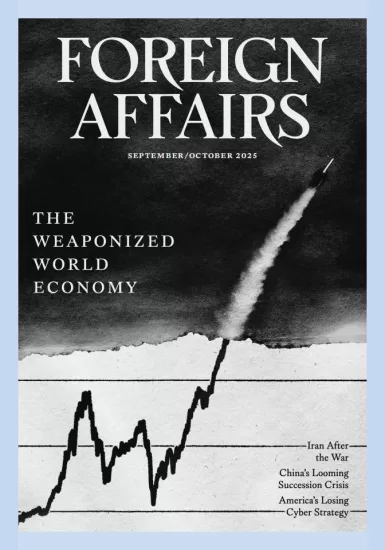
FOREIGN AFFAIRS MAGAZINE: The latest issue features ‘The Weaponized World Economy’

The Weaponized World Economy

Surviving the New Age of Economic Coercion by Henry Farrell and Abraham Newman

The New Economic Geography

Who Profits in a Post-American World? Adam S. Posen

The Real China Model

Beijing’s Enduring Formula for Wealth and Power by Dan Wang and Arthur Kroeber

After the Trade War

Remaking Rules From the Ruins of the Rules-Based System by Michael B. G. Froman

FOREIGN AFFAIRS MAGAZINE – JULY/AUGUST 2025 PREVIEW

FOREIGN AFFAIRS MAGAZINE (June 24, 2025): The latest issue features ‘Who Needs Allies?’….

Dispensable Nation

America in a Post-American World by Kori Schake

Beware the Europe You Wish For

The Downsides and Dangers of Allied Independence by Celeste A. Wallander

The Case for a Pacific Defense Pact

America Needs a New Asian Alliance to Counter China by Ely Ratner

India’s Great-Power Delusions

How New Delhi’s Grand Strategy Thwarts Its Grand Ambitions by Ashley J. Tellis

Foreign Affairs Magazine – May/June 2025 Preview

Semafor Flagship: A launchpad, not a destination | Semafor

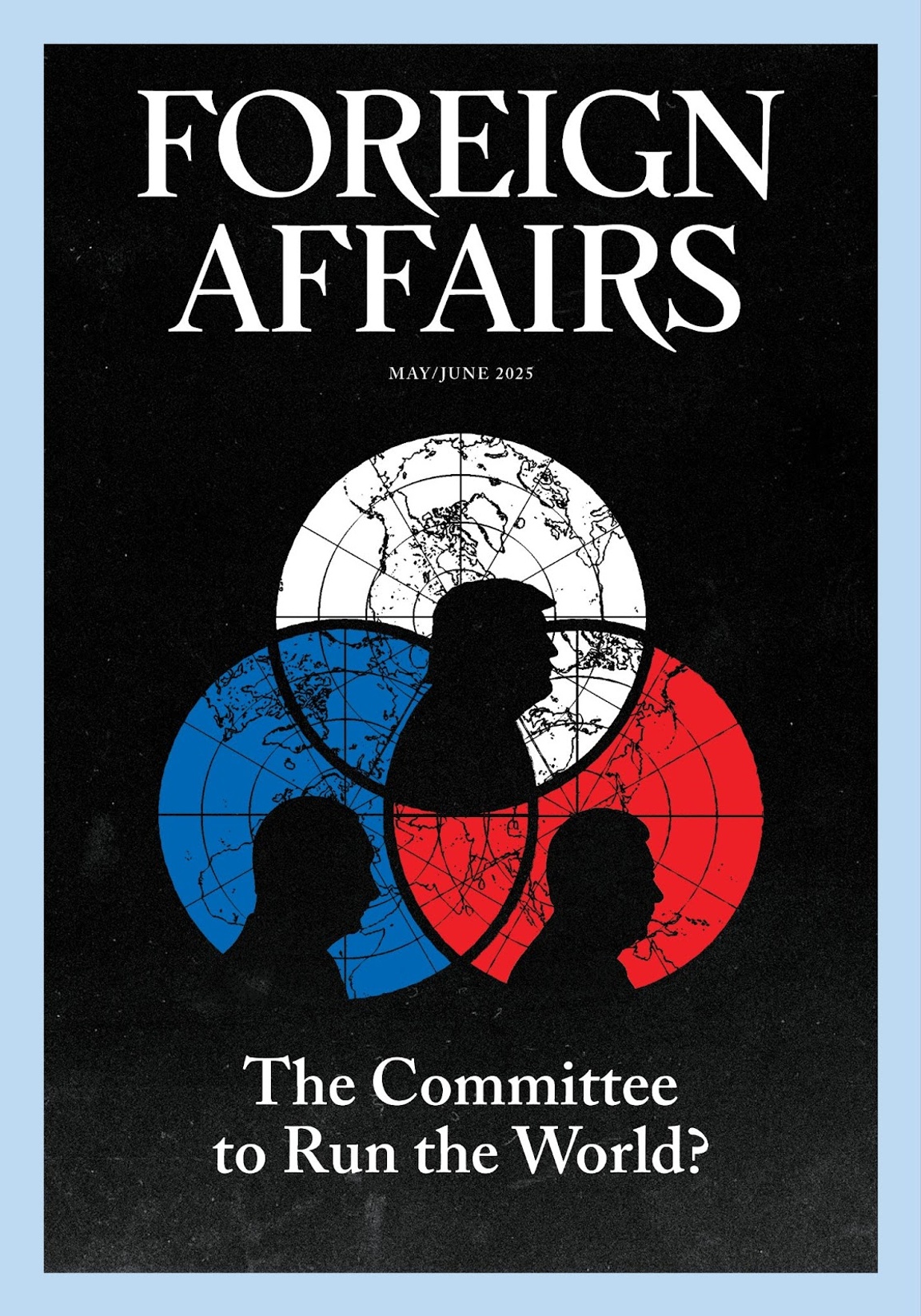
FOREIGN AFFAIRS MAGAZINE (April 22, 2025): The latest issue features ‘The Committee to Run the World?’….

The Rise and Fall of Great-Power Competition

Trump’s New Spheres of Influence by Stacie E. Goddard

The Return of Great-Power Diplomacy

How Strategic Dealmaking Can Fortify American Power by A. Wess Mitchell

The Russia That Putin Made

Moscow, the West, and Coexistence Without Illusion by Alexander Gabuev

The Once and Future China

How Will Change Come to Beijing? by Rana Mitter

Foreign Affairs Magazine – March/April 2025 Issue

Image

FOREIGN AFFAIRS MAGAZINE (February 25, 2025): The latest issue features ‘The Center Will Not Hold’ – How an Order Ends…

The World Trump WantsAmerican Power in the New Age of Nationalism

Michael Kimmage

The Renegade OrderHow Trump Wields American Power

Hal Brands

The Fatal Flaw of the New Middle EastGaza, Syria, and the Region’s Next Crisis

Maha Yahya

Essay: ‘Russia’s Costly Conquest In Ukraine’

FOREIGN AFFAIRS MAGAZINE (February 5, 2025): Today, about 20 percent of southeastern Ukraine is under Russian occupation, including Crimea and large parts of the Donetsk, Luhansk, Kherson, and Zaporizhzhia regions. Russian President Vladimir Putin has painted the war in Ukraine as a nationalist campaign to repel Western advances and reclaim territory that, in his view, rightfully belongs to Russia. But conquest has another motivation: economic gain. If Russia maintains military control over these regions, it may be hoping to reap that benefit. At this stage, however, it is hardly clear that they would become economic assets for Moscow; supporting the war-torn territories could just as easily become a drain on its coffers.

The human costs of this war are enormous. Russian forces are ruling occupied Ukraine with an iron fist, engaging in a ruthless campaign of torture, kidnapping, violence, and arbitrary killing. Any assessment of the war’s economic consequences should not minimize its awful depravity or the immense suffering it has inflicted. But its economic outcome will affect future judgments of Putin’s decision to invade in February 2022. If Russia benefits economically from the occupation of Ukraine, the war may be remembered as a strategic success, albeit a coldblooded one. If Russia instead suffers economically, the invasion will be seen as a self-defeating, barbaric blunder.