
 Interview with Dr. Nicole Lurie on rapid vaccine development, including new tools to facilitate vaccine testing and manufacturing and persistent challenges.
The need to rapidly develop a vaccine against SARS-CoV-2 comes at a time of explosion in basic scientific understanding, including in areas such as genomics and structural biology, that is supporting a new era in vaccine development. Over the past decade, the scientific community and the vaccine industry have been asked to respond urgently to epidemics of H1N1 influenza, Ebola, Zika, and now SARS-CoV-2. An H1N1 influenza vaccine was developed relatively rapidly, largely because influenza-vaccine technology was well developed and key regulators had previously decided that vaccines made using egg- and cell-based platforms could be licensed under the rules used for a strain change. Although a monovalent H1N1 vaccine was not available before the pandemic peaked in the Northern Hemisphere, it was available soon afterward as a stand-alone vaccine and was ultimately incorporated into commercially available seasonal influenza vaccines.
Nicole Lurie is a strategic advisor to the CEO of the Coalition for Epidemic Preparedness Innovations. Stephen Morrissey, the interviewer, is the Executive Managing Editor of the Journal.

 Online News Editor David Grimm talks with producer Joel Goldberg about the unique challenges of reopening labs amid the coronavirus pandemic. Though the chance to resume research may instill a sense of hope, new policies around physical distancing and access to facilities threaten to derail studies—and even careers.
 When New York City’s Poster House museum had to close its doors in early March, director Julia Knight wondered how the institution could support the city.
 This week, crafting an artificial eye with the benefits of a human’s, and understanding how disk-galaxies formed by peering back in time.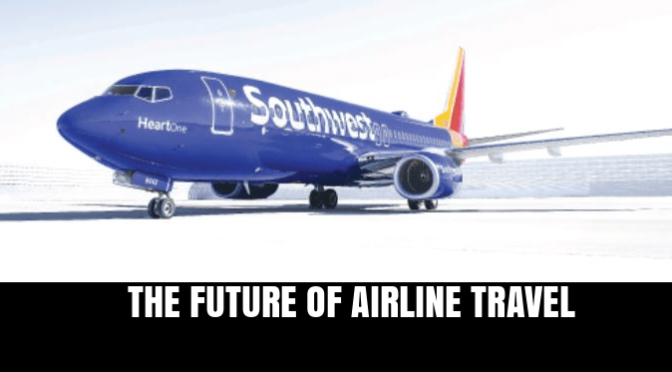
 Airlines have strained to survive after travel dried up because of the coronavirus pandemic. WSJ’s Alison Sider explains how airlines are adjusting, and the CEO of Southwest Airlines paints a picture of what the future of flying might look like.
 Even limited hearing loss might be associated with cognitive decline. If true, early intervention with hearing aids might help people have better cognitive performance.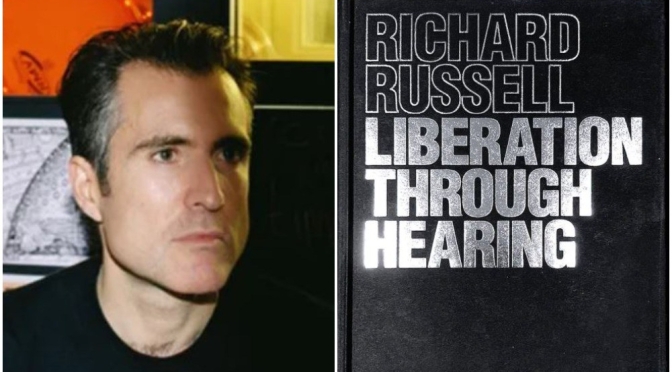
 “Monocle On Culture” speaks to Richard Russell, head of XL Recordings about his brand new book and his incredible career producing records for everyone from Damon Albarn to Bobby Womack, his life in New York that kicked everything off and the unusual start of his collaboration with Gil Scott Heron.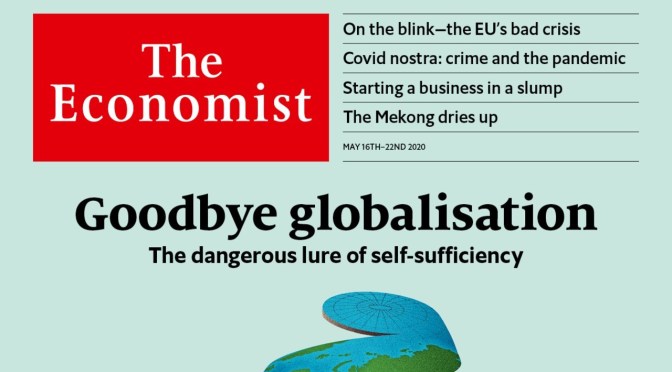
 A selection of three essential articles read aloud from the latest issue of The Economist. This week, has
 Colin Cowherd talks with Dr. Patrick Soon-Shiong who is not only a Doctor helping to fight Covid-19 but also owns the LA Times and is a minority owner of the Lakers. Dr. Shiong talks about the things we are learning about the disease and why it is so much more dangerous than previous pandemics.
 Monocle’s editor in chief, Tyler Brûlé, discusses the weekend’s top stories with his guests. Topics include how the coronavirus outbreak is being felt in Switzerland, the UK and Japan.
  Boomers Daily