
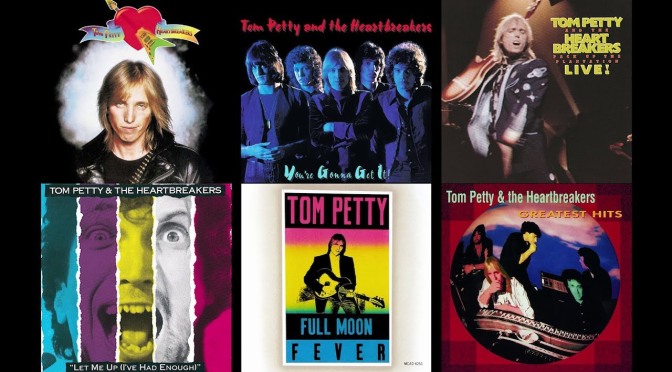
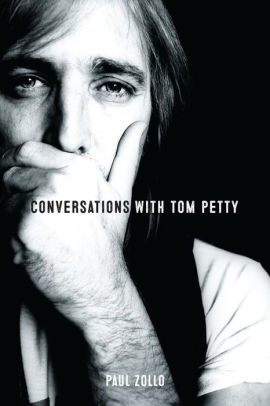
 Author Paul Zollo conducted a series of in-depth discussions with Tom about his career, with special focus on his songwriting. The conversations are reprinted here with little or no editorial comment and represent a unique perspective on Tom’s entire career. Originally published in 2005 (also by Omnibus Press), Tom’s wife Dana has fully approved this updated edition, which retains its foreword by Petty, adds additional interview material, an expanded introduction as well as additional photos from Petty’s last ever live performance. This is, perhaps, as close as you can get to an autobiography by the great man.
Tom Petty has long been considered one of the great songwriters of American rock ‘n’ roll, as well as one of the key standard bearers of integrity in the music business. Conversations With Tom Petty is the first authorized book to focus solely on the life and work of the man responsible for some of the most memorable rock anthems of our generation, including: ‘American Girl’, ‘Breakdown’, ‘Refugee’, “The Waiting’, ‘Don’t Come Around Here No More’, ‘I Won’t Back Down’, ‘Free Fallin’, ‘Runnin’ Down a Dream’, ‘You Don’t Know How It Feels’, ‘Mary Jane’s Last Dance’ and many others.

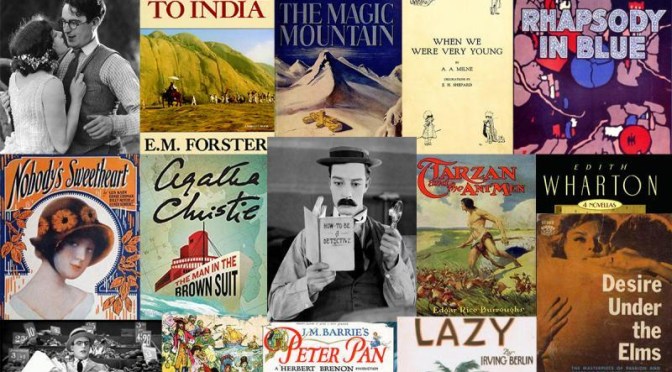
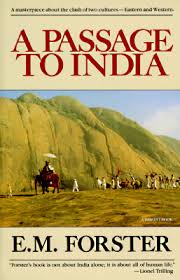
 On January 1, 2020, works from 1924 will enter the US public domain, where they will be free for all to use and build upon, without permission or fee. These works include George Gershwin’s Rhapsody in Blue, silent films by Buster Keaton and Harold Lloyd, and books such as Thomas Mann’s The Magic Mountain, E. M. Forster’s A Passage to India, and A. A. Milne’s When We Were Very Young. These works were supposed to go into the public domain in 2000, after being copyrighted for 75 years. But before this could happen, Congress hit a 20-year pause button and extended their copyright term to 95 years.
 Thomas Mann,
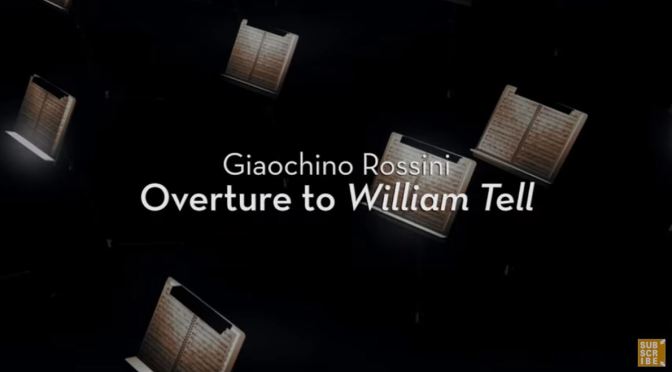
 Rossini’s 1829 opera “William Tell” is rarely performed today, but its Overture lives on as one of the most popular works in the classical repertoire. The Overture is essentially an instrumental suite written in four parts and performed without pause. The best-known section is the last, the allegro vivace, famously used as the rousing theme music for “The Lone Ranger” radio and TV series (and notoriously so in “A Clockwork Orange).




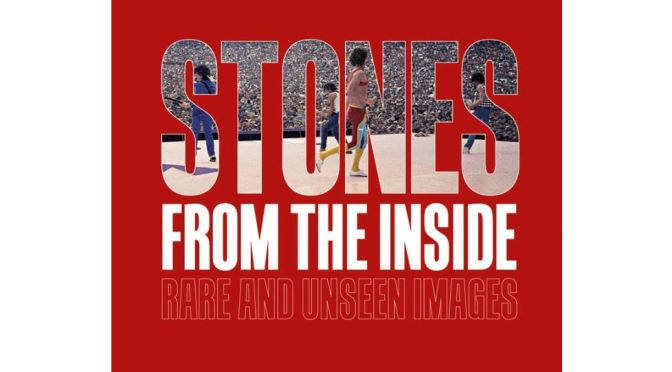
 Along with the images of the band at work and play, Wyman includes remarkable images of those along for the ride, from John Lennon, Eric Clapton, David Bowie and Iggy Pop to John Belushi and Dan Aykroyd. To accompany his photographs, Wyman offers up wonderful insights, anecdotes and behind-the-photo stories, giving all us a front-row seat and backstage pass to what it was like to be there, as music history was made as a member of The Rolling Stones.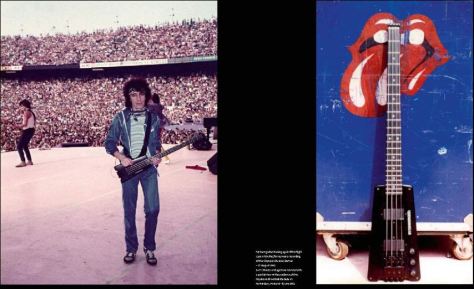
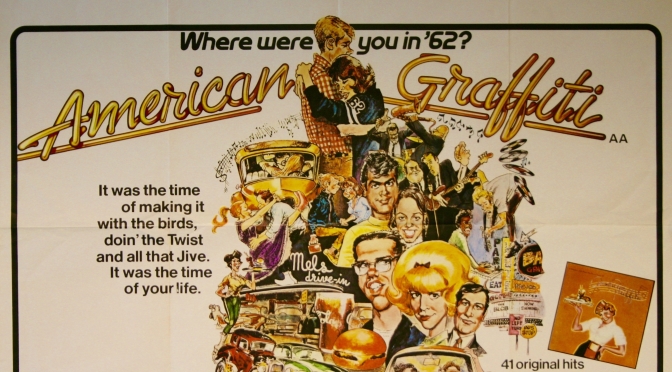
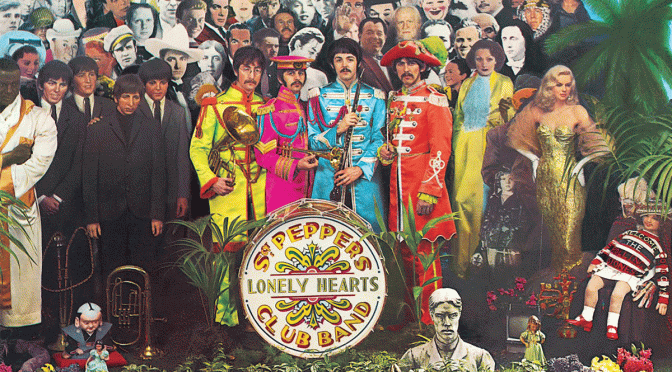
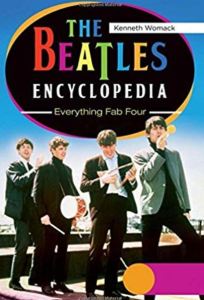 Rock ’n’ roll, or even popular music, [was] often highly gendered and sexist. It certainly was paternalistic in the ’60s and prior, in terms of songs being directed at women as objects, women as needing to be “counseled” about love, [or] it was about coming on to them, even if it was just something innocent and romantic, “I Want to Hold Your Hand.” And the Beatles very consciously in 1965 began to change their tone. They created a very specific type of female character who would think for herself and did not need a man.
  Looking back at your favorite classic rock songs through the lens of today’s attitudes about women’s empowerment, male privilege, and even sexual violence can be cringeworthy at best. But just as they were trailblazers in music, film, fashion, and popular culture, the Beatles were ahead of their time in embracing feminism, argues Kenneth Womack, a well-known authority on the band and dean at Monmouth University, evolving from early patronizing “hey, girl” entreaties to songs filled with independent women who don’t need a man, not even a Beatle. Ideological Diversity, a Harvard Kennedy School student organization, hosts a free talk with Womack on Thursday about how the group explored issues of feminism, gender, and inclusion in ways few rock bands dared in the 1960s.
 Boomers Daily