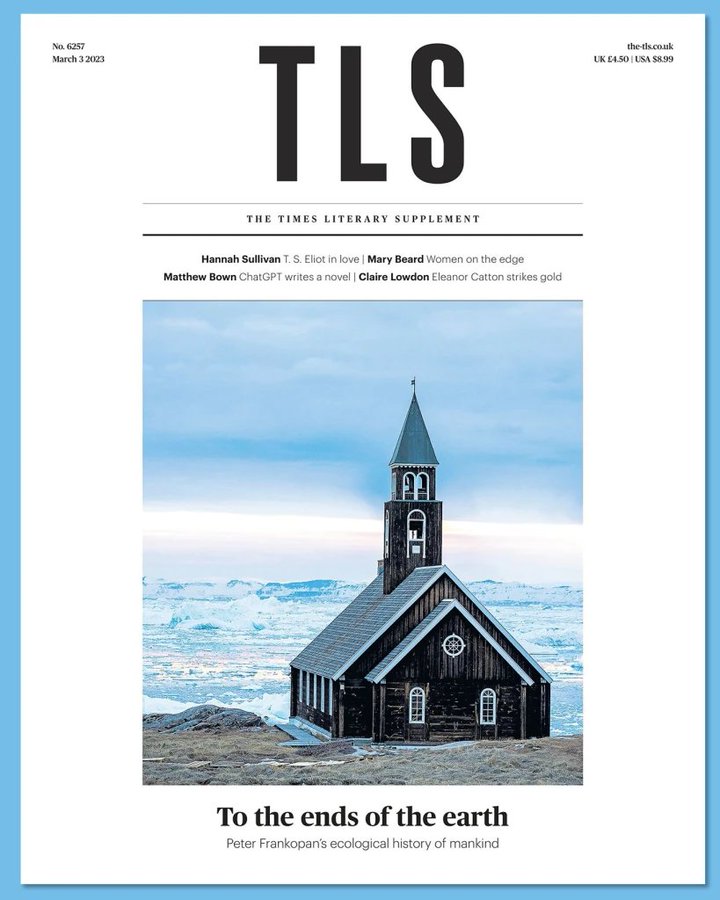
Times Literary Supplement @TheTLS (March 3, 2023) – Peter Frankopan likes to take the long view. In The Silk Roads (2015) Oxford University’s professor of global history argued that the Persian Empire and its trade routes were central to the rise of western civilization, not, as traditionally thought, Rome, Greece and Egypt. In The Earth Transformed Frankopan’s timeline is considerably longer: he looks at climate change since the formation of the Earth 4.5 billion years ago.
ART IN AMERICA MAGAZINE – MARCH 2023 – The artwork on the cover of this issue looks pretty simple: an elegant arrangement of colorful, cartoon-like flowers. Pretty it is; simple it most certainly is not. Artist Jill Magid scoured the digital worlds of hundreds of video games—from Super Mario to Minecraft—and selected pixelated plants and photo-realistic flowers from virtual landscapes that she then assembled into bouquets worthy of the fanciest dinner party.
After that, she took the resulting images and crafted her first series of NFT-backed artworks, which dropped on Valentine’s Day. The collection comprises 165 animated bouquets, including one that you can view online at artwrld.com and on Art in America’s Instagram, where Magid has generously collaborated with us on our first animated cover.
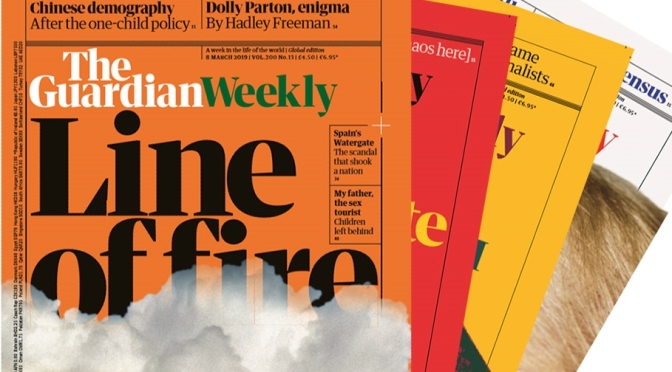
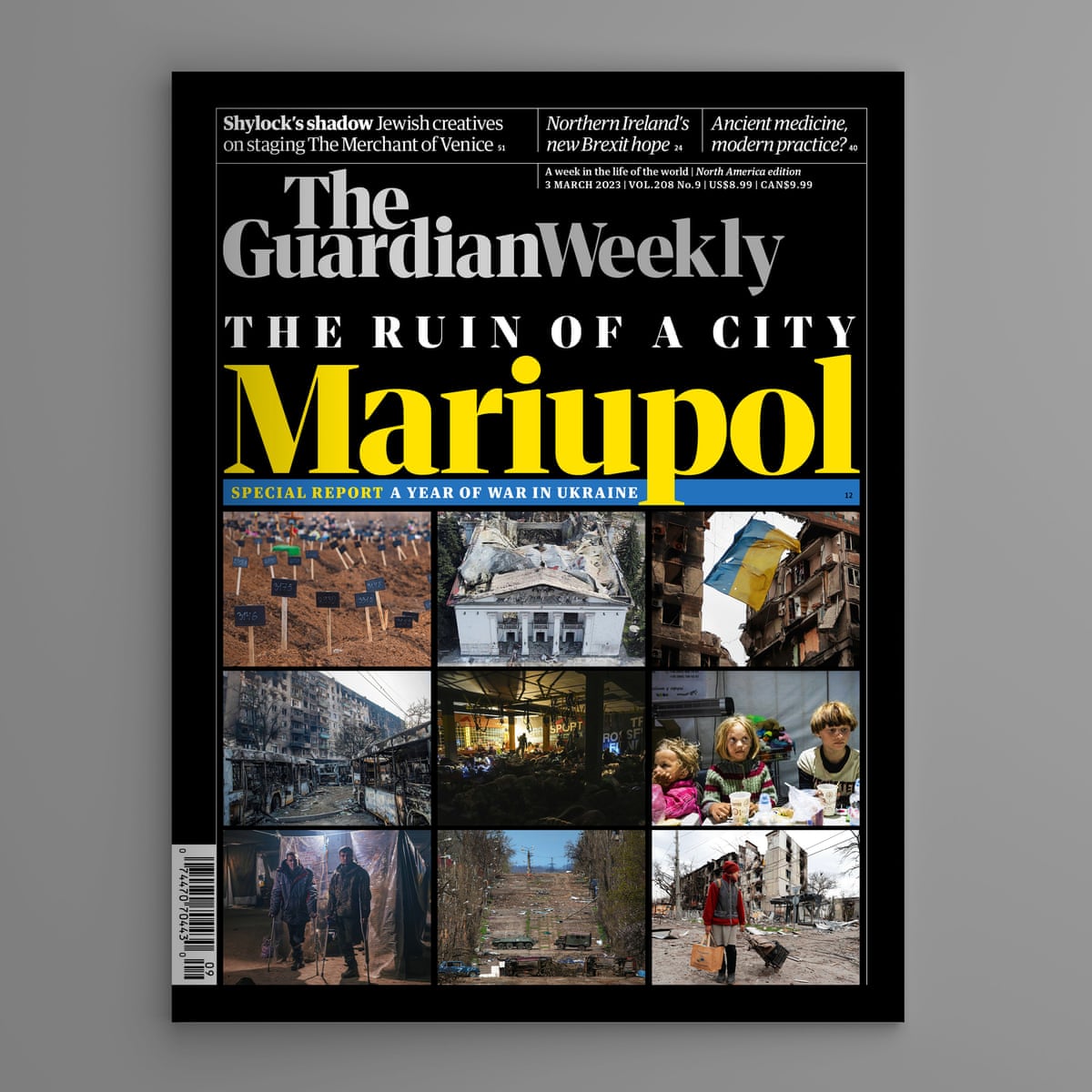
The Guardian Weekly (March 3, 2023) – A year on from the invasion of Ukraine and there seems little end in sight to a conflict that has, unquestionably, changed the world.The Guardian Weekly’s big story this week outlines five possible routes to peace (some more hopeful than others), but the main focus is a stunning collaboration from Guardian reporters detailing the fate of the port of Mariupol, the battle for which has perhaps been the bloodiest and most shocking chapter of the war to date.
It’s an extraordinary account of the devastation, partial reconstruction, and Russification of a thriving city. “You learn to only voice your opinions with those you know you can trust,” says Darya, a student opposed to the occupation. “Otherwise, you keep your thoughts to yourself.”
On Monday the UK government finally agreed a deal with the EU to end a long-running Brexit disputeover customs arrangements and legal oversight in Northern Ireland. Our Brexit correspondent Lisa O’Carroll unpicks the key points of the new agreement and what it means for the region.
In 2003, when the US army occupied Iraq after the fall of Saddam Hussein, the Guardian writer Ghaith Abdul-Ahad was aged 28 and living in Baghdad. He recounts his front-row view of the fall of the regime, the arrival of the so-called liberators and the unfolding of a sectarian war.
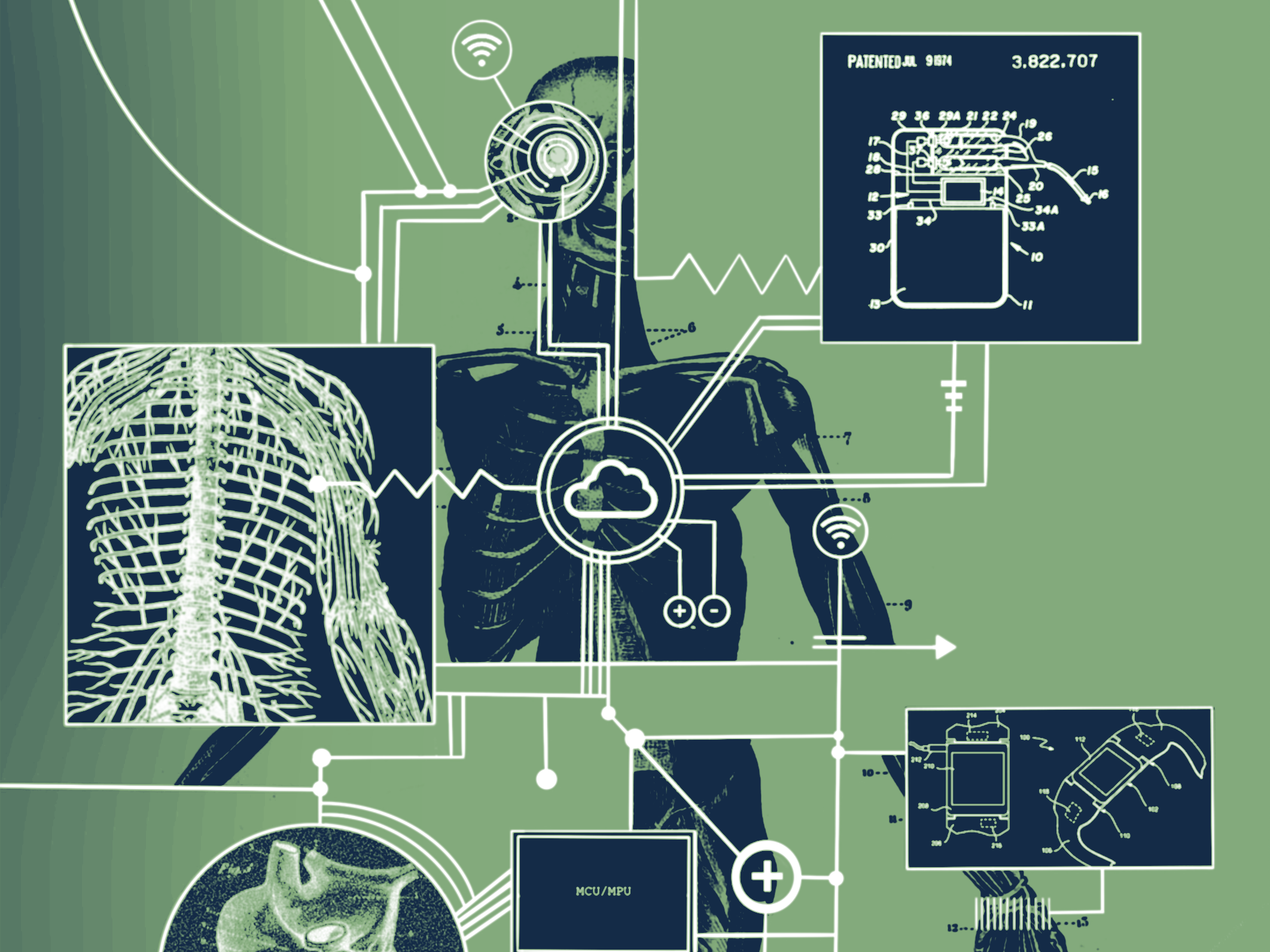
Through a growing focus on healthcare monitoring in recent years, Apple has positioned its wearables as essential accessories for the technophile and the casual hypochondriac alike.
Like so many other predictions of collapse, exaggerated. Methylphenidate for Miriam. Two executives showed up for a meeting dressed as Woody and Buzz Lightyear. A source of revolutionary Marxist critiques, an outright conservative, a peddler of flimsy conspiracy theories. Some days I am so filled with myself I can see nothing. I am not going to apologize for the empire, for our history. Bravissima! Stealth, he kept no socials. She had martini-glass tits. In this city every boy is an isotope. Enter among the truly civilized peoples. Cruising for difference. The body of a bear, the nose of an elephant, the paws of a tiger, the tail of an ox, and needle-like hairs. Wainscoting for an all-knowing liberalism. How can a narrow regional tabloid claim itself The World? The surrealist didn’t prescribe life-sized butter ears. Spend how you want the sixtyish years you have left of your life.
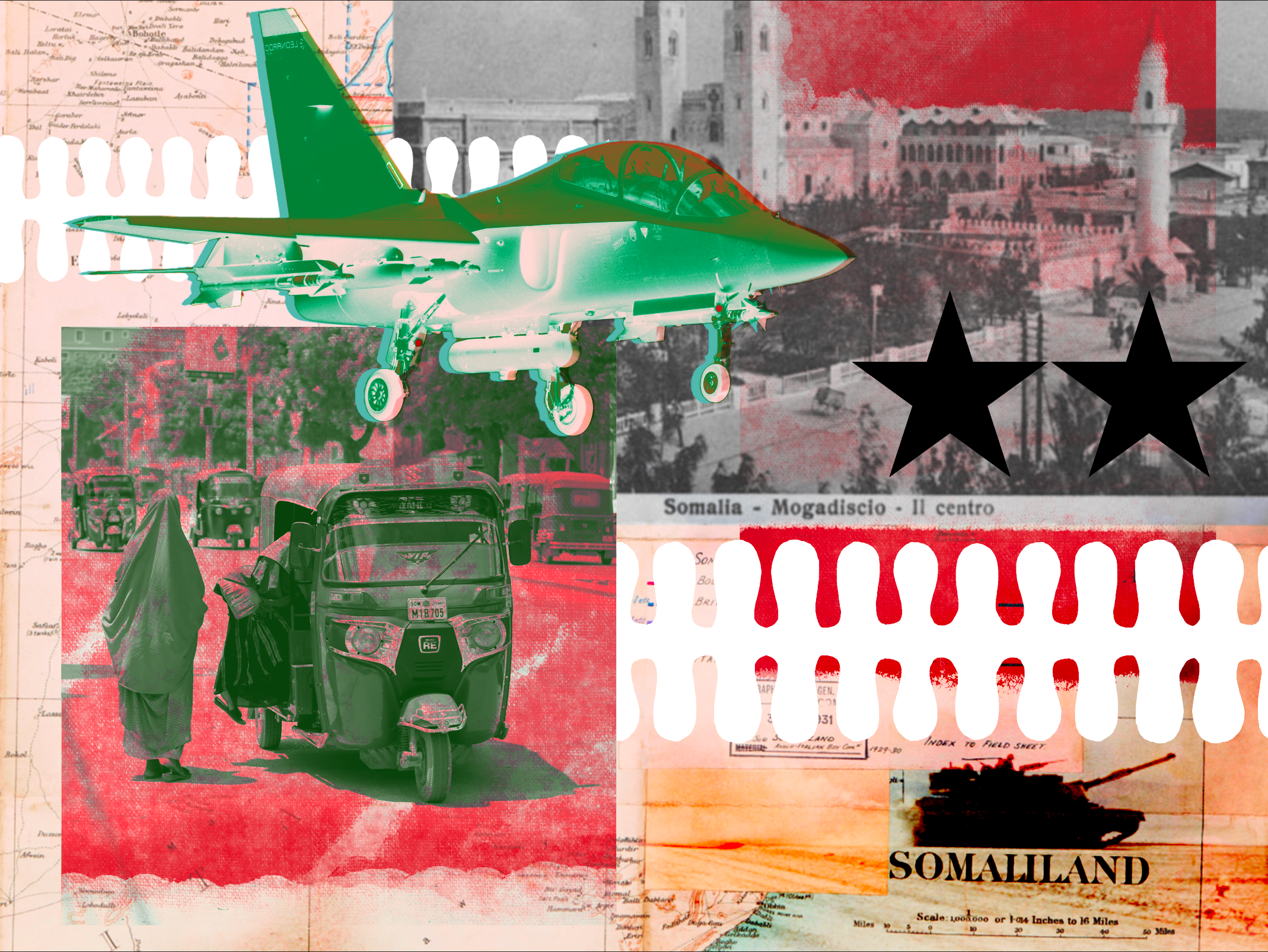
“Italian language teaching is back in Somalia!” the Italian embassy in Somalia tweeted in late September 2021, announcing a new program at the Somali National University that would reintroduce the language of the country’s former colonizer.
Fertilizers filled with the nutrient boosted our ability to feed the planet. Today, they’re creating vast and growing dead zones in our lakes and seas.
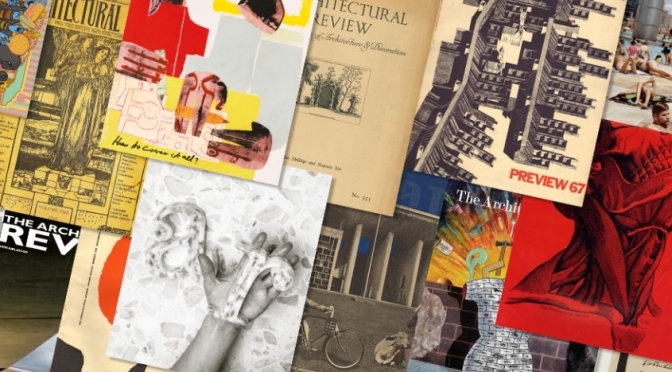
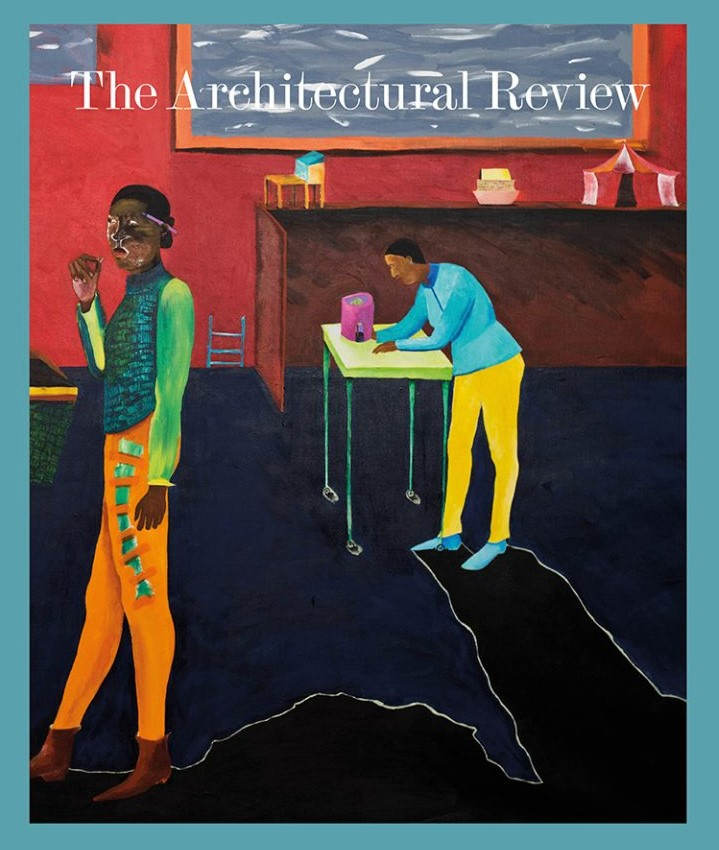
The Architectural Review (March 2023) – This issue brings together the winners and nominees of the W Awards, celebrating exemplary work by women and non-binary people around the world. We explore the expansive bodies of work of the founder of the CCA and winner of the Ada Louise Huxtable Prize for Contribution to Architecture, Phyllis Lambert, and co-founder of SANAA and winner of the Jane Drew Prize for Architecture, Kazuyo Sejima. And in its inaugural year, the Prize for Research in Gender and Architecture is awarded to Part W for their mapping project, Women’s Work.
The W Awards issue is here 💥 celebrating exemplary work by women and non-binary people around the world, including @ccawire's Phyllis Lambert, SANAA's Kazuyo Sejima, @PartWCollective, as well as the shortlists for the MJ Long and Moira Gemmill Prizes https://t.co/cw16HzX4bUpic.twitter.com/biUSFKbVWv
This issue also includes the work of the architects shortlisted for the Moira Gemmill Prize for Emerging Architecture – recognising emerging talent in architects under the age of 45 from around the world – and the MJ Long Prize for Excellence in Practice, which celebrates architects who are working in UK‑based practices, with a focus on their role in the design and delivery of a recently completed project.
Most Americans think they know the story of the pandemic. But when a writer immersed himself in a Covid oral-history project, he realized how much we’re still missing.




















 Boomers Daily