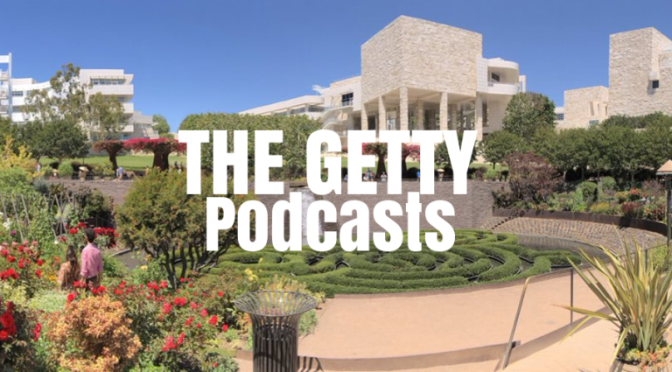
In this two-part series, six US museum directors discuss the pandemic and its repercussions for their institutions. These candid, insightful conversations address wide-ranging topics, from the logistical challenges of when to close and how to reopen to philosophical exchanges about the role of museums in society.
This first episode features Max Hollein of The Metropolitan Museum of Art in New York, Kaywin Feldman of the National Gallery of Art in Washington, DC, and James Rondeau of the Art Institute of Chicago.
This second episode features Matthew Teitelbaum of the Museum of Fine Arts, Boston, Ann Philbin of the Hammer Museum in Los Angeles, and Timothy Potts of the J. Paul Getty Museum.
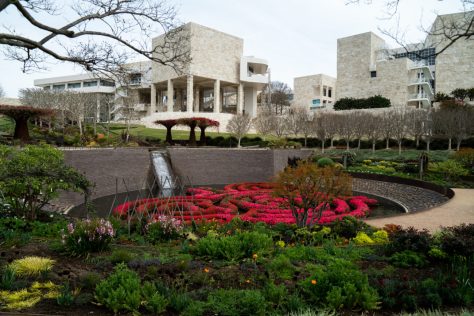
It’s springtime at the Central Garden. Birds are singing, the azaleas are glowing, and burgundy tulips and blue irises line the paths. However, the crowds are gone—the Getty Center has closed temporarily to minimize the spread of coronavirus.
A view back toward the Getty Center from the furthest point of the Central Garden. Photo by Sarah Waldorf
The quiet comes at a time of transition for the garden. Spring always brings change and renewal, but this year Getty’s new horticulturist, Jackie Flor, has been trying to channel the vision of the garden’s creator, artist Bob Irwin, as she brings the garden back to his original intent
Does the new Golden Celebration rose with its rich, sweet scent honor Irwin’s intentions for that spot? How about the trio of new Redbuds ready to pop? And how would he feel about her attempts to curtail the wildly proliferating Madeira Island Geranium? Yes, they were his favorite plant, but they have run rampant.
“I’m not heartless,” she said a few weeks ago about the robust plants with pink flowers. “But they need to be tucked back into their proper place.”
USC Fisher Museum of Art proudly presents Charles Arnoldi | Four Decades, a survey of the versatile and prolific Venice Beach artist, which traces the evolution of the artist’s expansive and materials-focused practice from the 1970s to the present.
USC Fisher Museum of Art proudly announces Charles Arnoldi | Four Decades from the Collection of Jordan D. Schnitzer and His Family Foundation, a survey of Venice Beach artist Charles (Chuck) Arnoldi. The exhibition, organized by the USC Fisher Museum of Art with the generous support of the Jordan Schnitzer Family Foundation and curated by Bruce Guenther, author of Charles Arnoldi: Paper (2017), opens January 21, 2020 and runs through April 4, 2020.
Charles Arnoldi was a young man from Dayton, Ohio who had seen little of the world when he arrived in Southern California in the mid 1960s. Following stints at a local community college and Chouinard Art Institute, Arnoldi won LACMA’s New or Young Talent Award in 1969 and thus began his ever-evolving career which continues to this day in his sprawling Venice studio.
For close to 50 years, Arnoldi’s work has reflected a passion for the material world, a commitment to experimentation, and a tireless focus on studio production. Charles Arnoldi | Four Decades is drawn from the holdings of the collector Jordan D. Schnitzer and His Family Foundation.
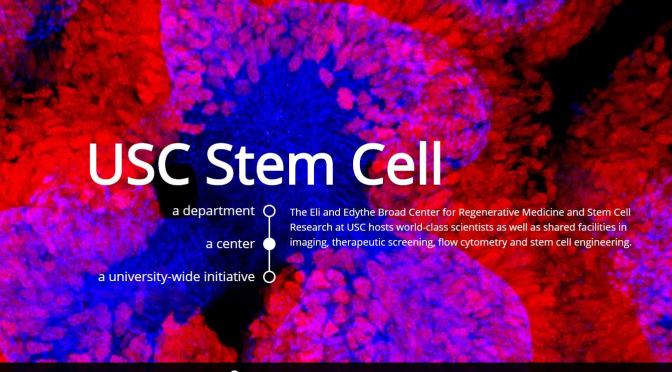
USC Stem Cell scientist Andy McMahon is using human stem cells to create mini-kidney structures known as organoids. His lab is using these organoids to study and find new drugs to treat polycystic kidney disease.
In 1962, Johnny Harlowe made the jump from the silver screen to chef and owner of Dear John’s. Convinced by his pal Frank Sinatra, Johnny opened the iconic spot just a ways down from Sony Studios on Culver Blvd. It became the watering-hole for the Hollywood elite with Sinatra often in the corner playing the piano against the dark brick walls once lined with portraits of famous John’s. Seasoned chefs and entrepreneurs Hans Röckenwagner and Josiah Citrin have teamed up to re-open Dear John’s this April with an updated classic American menu and old-school cocktail list.
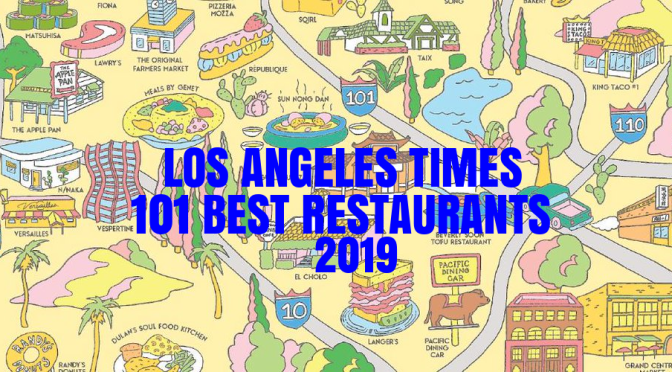
The LA Times 101 restaurant rankings are here. Yale historian Paul Freedman traces the history of American cuisine. Journalist Charlotte Druckman shares what she learned from more than 100 women in the food world. Plus: a look at the surprising connections that take you from one recipe to another.
“The Academy Museum gives us the opportunity to honor the past while creating a building for the future—in fact, for the possibility of many futures. The historic Saban Building is a wonderful example of Streamline Moderne style, which preserves the way people envisioned the future in 1939. The new structure, the Sphere Building, is a form that seems to lift off the ground into the perpetual, imaginary voyage through space and time that is moviegoing. By connecting these two experiences we create something that is itself like a movie. You go from sequence to sequence, from the exhibition galleries to the film theater and the terrace, with everything blending into one experience.”
Renzo Piano, Architect
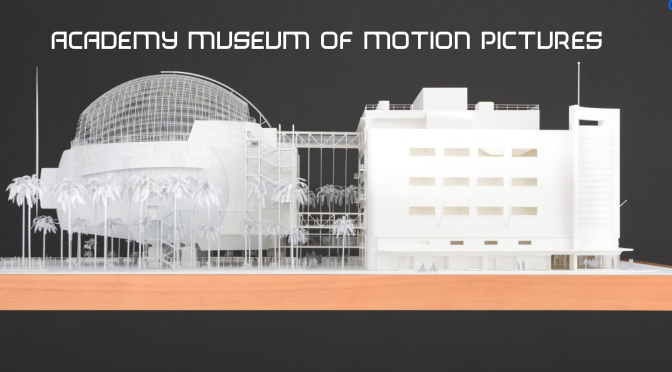
When it opens in the heart of Los Angeles, at the intersection of Wilshire Boulevard and Fairfax Avenue, the Academy Museum of Motion Pictures will be the world’s premier movie museum.
Situated on the famed “Miracle Mile,” the museum will preserve and breathe new life into the former 1939 May Company department store, now re-named the Saban Building. Celebrating its history and imagining new possibilities, the additions to the building that date from 1946 have been removed and replaced with a spherical building that features the 1,000-seat David Geffen Theater and the Dolby Family Terrace with views towards Hollywood. The revitalized campus will feature more than 50,000 square feet of gallery space, two theaters, cutting-edge project spaces, an outdoor piazza, the rooftop terrace, an active education studio, a restaurant, and store.
From the Tiny Home Industry Association (Dec 11, 2019):
The City of Los Angeles has given the Green Light to Movable Tiny Homes as ADUs! The Accessory Dwelling Unit (ADU) ordinance has been APPROVED today by the LA City Council. This ordinance permits Movable Tiny Houses as permissible and permanently habitable accessory dwelling units (ADU). The ordinance becomes law in time for Christmas!
Suffice it to say that, now that the nation’s 2nd largest city recognizes Movable Tiny Homes as habitable ADU’s, it will go a long way in providing a model for other cities around the country.
…Nick Montgomery, who opened Konbi with Akira Akuto; both are alums of David Chang’s Momofuku restaurants in New York. American chefs talk about opening “odes” to little spots they stumbled upon in Tokyo, and while this 10-seat space is indeed Montgomery and Akuto’s ode to Japan’s konbini (24-hour convenience stores), there is a palpable intensity to their level of study that makes Konbi entirely its own.
Konbi is a daytime restaurant in Echo Park. We serve Japanese style sandwiches, seasonal vegetable dishes, French pastries, as well as a selection of coffee & tea.

 In this two-part series, six US museum directors discuss the pandemic and its repercussions for their institutions. These candid, insightful conversations address wide-ranging topics, from the logistical challenges of when to close and how to reopen to philosophical exchanges about the role of museums in society.
 The quiet comes at a time of transition for the garden. Spring always brings change and renewal, but this year Getty’s new horticulturist, Jackie Flor, has been trying to channel the vision of the garden’s creator, artist Bob Irwin, as she brings the garden back to his original intent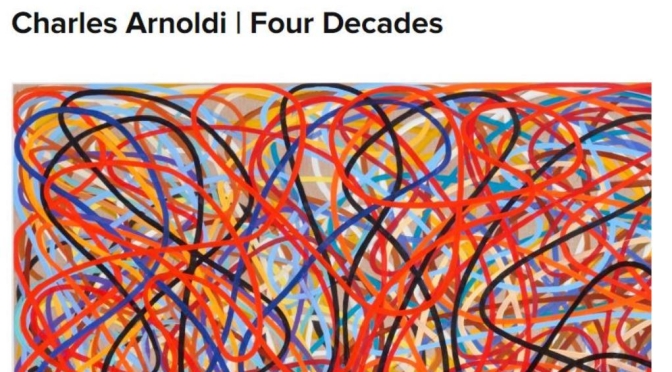

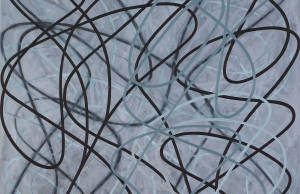 of the artist’s expansive and materials-focused practice from the 1970s to the present.
 Charles Arnoldi was a young man from Dayton, Ohio who had seen little of the world when he arrived in Southern California in the mid 1960s. Following stints at a local community college and Chouinard Art Institute, Arnoldi won LACMA’s New or Young Talent Award in 1969 and thus began his ever-evolving career which continues to this day in his sprawling Venice studio.


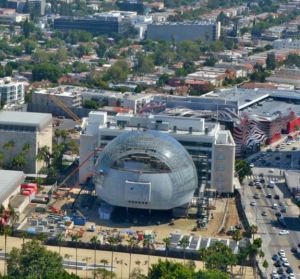 “The Academy Museum gives us the opportunity to honor the past while creating a building for the future—in fact, for the possibility of many futures. The historic Saban Building is a wonderful example of Streamline Moderne style, which preserves the way people envisioned the future in 1939. The new structure, the Sphere Building, is a form that seems to lift off the ground into the perpetual, imaginary voyage through space and time that is moviegoing. By connecting these two experiences we create something that is itself like a movie. You go from sequence to sequence, from the exhibition galleries to the film theater and the terrace, with everything blending into one experience.”
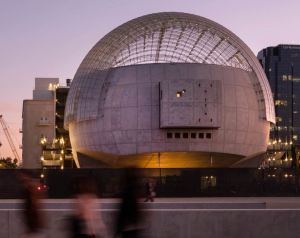 Situated on the famed “Miracle Mile,” the museum will preserve and breathe new life into the former 1939 May Company department store, now re-named the Saban Building. Celebrating its history and imagining new possibilities, the additions to the building that date from 1946 have been removed and replaced with a spherical building that features the 1,000-seat David Geffen Theater and the Dolby Family Terrace with views towards Hollywood. The revitalized campus will feature more than 50,000 square feet of gallery space, two theaters, cutting-edge project spaces, an outdoor piazza, the rooftop terrace, an active education studio, a restaurant, and store.
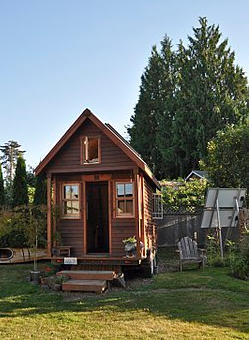 The City of Los Angeles has given the Green Light to Movable Tiny Homes as ADUs!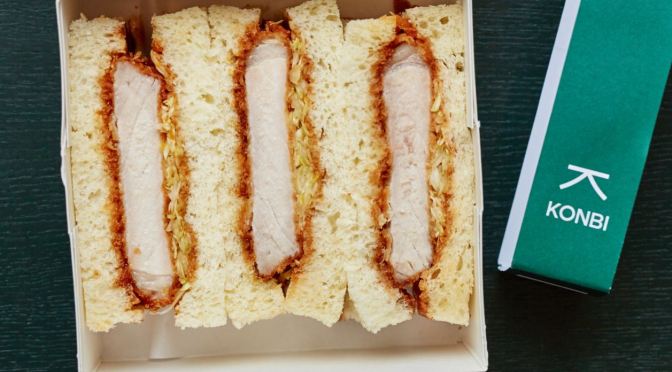
 …Nick Montgomery, who opened Konbi with Akira Akuto; both are alums of David Chang’s Momofuku restaurants in New York. American chefs talk about opening “odes” to little spots they stumbled upon in Tokyo, and while this 10-seat space is indeed Montgomery and Akuto’s ode to Japan’s
 Boomers Daily