Tag Archives: Longevity

Technology Quarterly – The Economist (Oct 2023)

Image

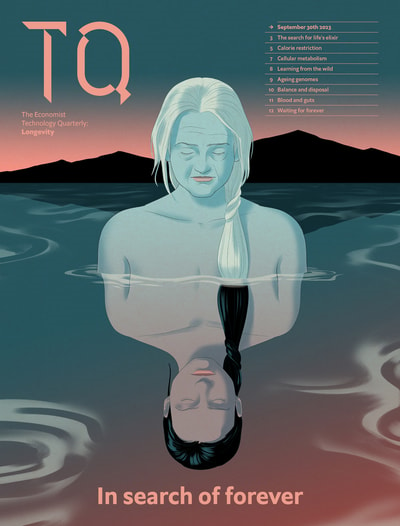
TECHNOLOGY QUARTERLY (SEPTEMBER 27, 2023) – The new issue features ‘In search of forever’ – Slowing, let alone reversing, the process of ageing was once alchemical fantasy. Now it is a subject of serious research and investment, Geoffrey Carr reports.

Slowing human ageing is now the subject of serious research

A horizontal sand timer with an elderly woman and a girl on each side looking at each other

And some of it is making progress, writes Geoffrey Carr

“All my possessions for a moment of time.” Those, supposedly, were the last words of Elizabeth I, who as queen of England had enough possessions to be one of the richest women of her era. Given her patronage of alchemists—who searched, among other things, for an elixir of life—she may have meant it literally. But to no avail. She had her last moment of time in March 1603, a few months short of the three score years and ten asserted by the Bible to be “the days of our years”.

Eating fewer calories can ward off ageing

A hand holding a fork with tiny vegetables on it

And various existing medicines may offer similar benefits

In 1991 eight volunteers sealed themselves into a huge greenhouse in the desert near Tucson, Arizona. They were part of an experiment seeking to discover whether a carefully curated selection of plants and animals could develop into a self-sustaining ecosystem: a “Biosphere 2” independent of “Biosphere 1”, aka the outside world.
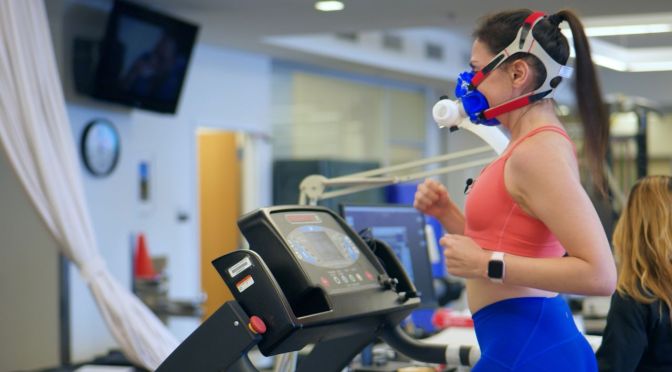
Health: ‘Stress Exercise’ That Increases Longevity

Daniela Hernandez | WSJ (September 14, 2023) – Research shows that moderate amounts of physical stress can help your body stay healthier for longer.

Video timeline: 0:00 Stress exercise 0:38 Baseline longevity test 2:41 Training 3:17 The results 4:59 What can you do about it?

That’s why longevity hacks, like intermittent fasting and ice baths, are blowing up on social media. I put myself through a strenuous 10-day workout plan to learn why and how the most active form of stress–exercise–is actually your best bet for a longer, healthier life.

Reviews: “A New Way Of Thinking About Aging”

“People 50 and older hold the vast majority of wealth in the country, but we’re producing products and services for people who don’t have nearly as much money to spend…”

by Alexander Gelfand

April 27, 2023: Thanks to advances in medicine and public health, people are living longer, healthier lives. The world’s population of people 60 and older is growing five times faster than the population as a whole. Global life expectancy has doubled since 1900, and experts say that children born in developed countries now have a good chance of living to 100.

A “silver tsunami” is already sweeping the U.S. labor force: the Bureau of Labor Statistics projects that 36% of people ages 65–69 will remain on the job in 2024 — up significantly from the 22% who were working in 1994.

These longer-lived, longer-working individuals generate an ever-bigger slice of global GDP and control an expanding tranche of global wealth. In her recent book Stage (Not Age)Golden estimates that the “longevity economy” is worth more than $22 trillion — $8.3 trillion in the United States alone.

That may be a conservative figure: AARP (the organization formerly known as the American Association of Retired Persons) estimates that people over 50 already account for half of consumer spending worldwide, or $35 trillion. (This range of figures may have to do with how “older adult” is defined: The term is variously used to refer to people over the ages of 65, 60, or — sorry, Gen Xers — 50.)

READ MORE

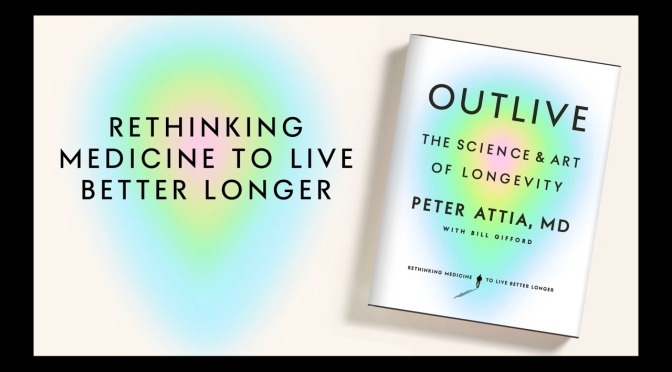
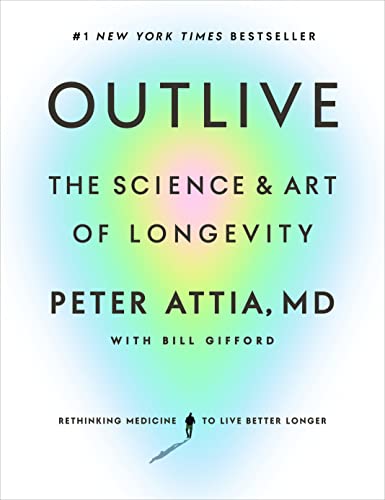
Healthy Aging: ‘Outlive – The Science And Art Of Longevity’ By Peter Attia

Trained as an oncological surgeon, Attia became interested in longevity because he saw that the “Four Horsemen” worked against it: diabetes, heart disease, cancer, and Alzheimer’s disease. All play a role in an unhealthy system, and all interrelate.

‘OUTLIVE – THE SCIENCE & ART OF LONGEVITY’ BY PETER ATTIA, MD

Outlive: The Science and Art of Longevity - Kindle edition by Attia MD,  Peter . Health, Fitness & Dieting Kindle eBooks @ Amazon.com.

A data- and anecdote-rich invitation to live better, and perhaps a little longer, by making scientifically smart choices.

If you have Type 2 diabetes, then your chances of developing heart disease, cancer, and neurological disorders increases, and if your goal is to live well in old age, then it behooves you to change your ways in order to keep your insulin reception levels in the clear. How to do so?

READ MORE AT KIRKUS REVIEWS

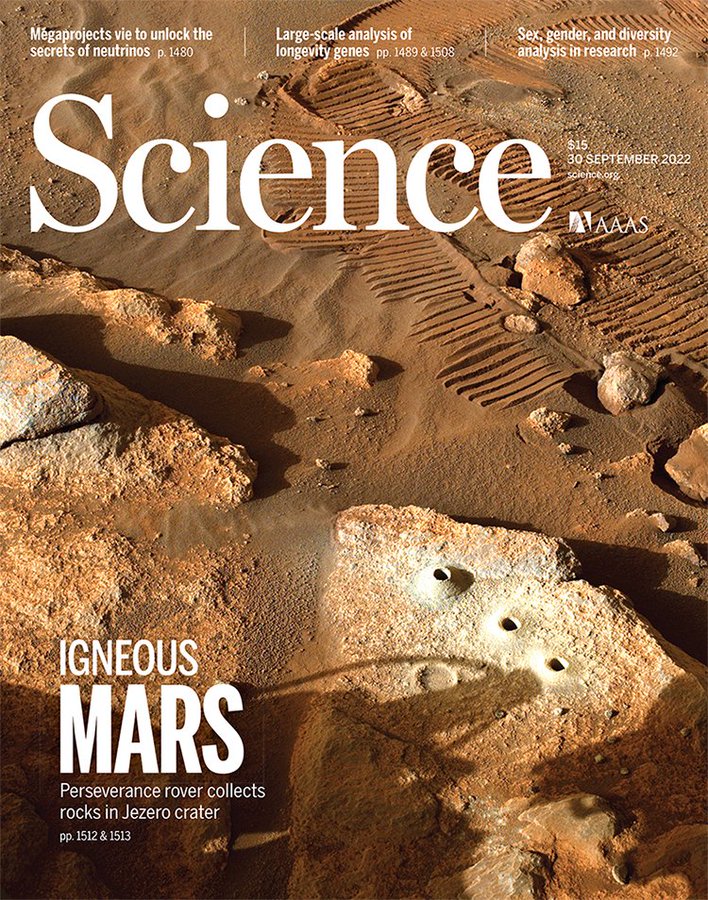
Research Preview: Science Magazine – Sept 30, 2022

Image

The genetics of a long life

Genetically diverse mice and cross-species comparison uncover links to longevity

New Omicron strains may portend big COVID-19 waves

Emerging subvariants are more immune evasive than ever

Room-temperature superconductor claim retracted

After doubts grew, blockbuster Nature paper is withdrawn over objections of study team

University pandemic policies raise equity worries

Tenure delays and pandemic impact statements could backfire, some fear

Signs of state meddling seen in Russian academy election

Leader of Russia’s largest chipmaker elected president after incumbent’s sudden withdrawal

Fraud charges crumble in China Initiative cases

Judges reject claims that defendants defrauded agencies by not disclosing China ties

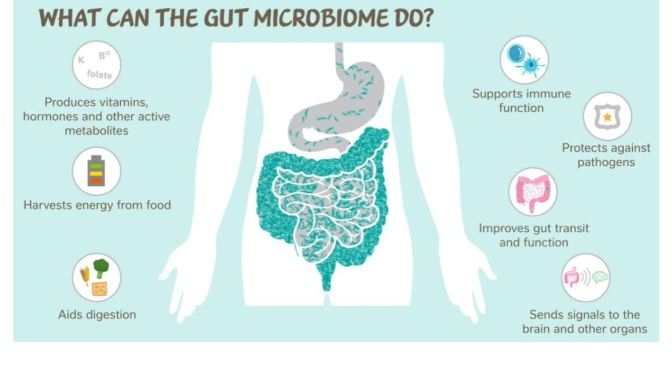
Health: ‘Gut Microbiomes – Enabler Of Longer Lives’

Microbiomes are complex microbial ecosystems, and amongst those found in and on human body, gut microbiome is the most complex. It performs important functions, and is increasingly recognized as a key element influencing long-life health. Specific nutritional components, such as prebiotics and probiotics, can be used to shape healthy gut microbiome. Nestlé Research has made significant contributions in this field for over 30 years.

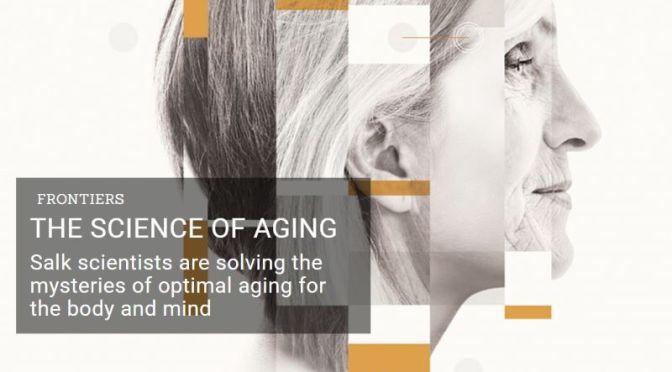
Healthy Longevity: ‘The Science Of Aging’ (Salk Institute Video)

“Aging is such a profound part of not only the human experience but all life on Earth,” says Salk Vice President/Chief Science Officer Martin Hetzer. “It’s one of the big, untapped opportunities in biomedical research, particularly around questions on what role exercise, nutrition and cognitive stimulation play in staying healthy throughout life. It is important not to forget that getting older also comes with benefits; we want to take a holistic view of human health at all ages and understand it from all angles.”

Scientists want to answer intriguing questions: Why are some people able to “age well,” trekking up mountain ranges or rafting through white water in their nineties, while others live just as long, disease-free, but grow inexplicably frail decades sooner? Worse yet, why does advanced age sometimes diminish cognitive ability or even lead to dementia?

In numerous diseases, age itself is the major risk factor. Cancer, Alzheimer’s, heart disease and many other afflictions become profoundly more likely the older we get. Aside from extending our life spans, scientists want to know how we can also extend our health during advanced age. What is emerging from research is that aging–loosely defined as a systems-wide deterioration of our cells, organs and genetic material that results in disease or damage–is a collective and complex process in the body.

Website

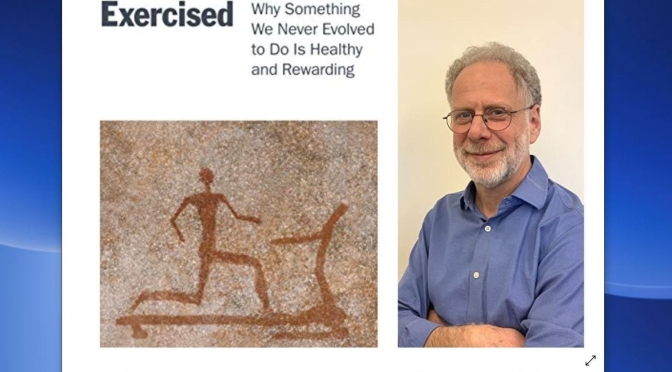
Top New Books On Aging: “Exercised” By Daniel E. Lieberman – “Extending Longevity” (Harvard)

HARVARD MAGAZINE (SEPT – OCT 2020): From the book EXERCISED: Why Something We Never Evolved to Do Is Healthy and Rewarding by Daniel E. Lieberman, to be published on September 8, 2020 by Pantheon Books:

‘….many of the mechanisms that slow aging and extend life are turned on by physical activity, especially as we get older. Human health and longevity are thus extended both by and for physical activity.’

What Happens When We Exercise?
The graph breaks total energy expenditure (TEE) into two parts: active energy expenditure, and resting metabolism. Resting metabolism remains elevated for hours even after exercise ceases, burning additional calories in a phase known as excess post-exercise oxygen consumption (EPOC).

Exercise is like scrubbing the kitchen floor so well after a spill that the whole floor ends up being cleaner. The modest stresses caused by exercise trigger a reparative response yielding a general benefit.

In order to elucidate the links between exercise and aging, I propose a corollary to the Grandmother Hypothesis, which I call the Active Grandparent Hypothesis. According to this idea, human longevity was not only selected for but was also made possible by having to work hard during old age to help as many children, grandchildren, and other younger relatives as possible survive and thrive. That is, while there may have been selection for genes (as yet unidentified) that help humans live past the age of 50, there was also selection for genes that repair and maintain our bodies when we are physically active.

Daniel E. Lieberman is a paleoanthropologist at Harvard University, where he is the Edwin M Lerner II Professor of Biological Sciences, and Professor in the Department of Human Evolutionary Biology. He is best known for his research on the evolution of the human head and the evolution of the human body.

Read full excerpt from article

Aging: “Okinawa’s Secrets To Longevity” (Telegraph)

The Telegraph logoHundreds of miles south of Japan’s main islands, in the East China Sea, is a Jurassic Park of longevity, with a higher percentage of centenarians (people who live to 100 years old) than anywhere else on Earth.
Greg Dickinson visits the Japanese archipelago of Okinawa to discover the secret to long life.

Read the full article at: https://telegraph.co.uk/travel/destin…

Health: 60-Year Old “B-D” Editor Launches “18-Hour Intermittent Fasting” Diet Study For 2020’s Decade

Following the important publishing of “The Benefits Of Intermittent Fasting” study by Johns Hopkins in the New England Journal of Medicine on December 26, 2019, the 60-year old editor of Boomers-Daily.com (“B-D”) will launch, participate in, and document a decade-long, 18-Hour Intermittent Fasting Diet on December 30, 2019. The following protocol will be followed:

  • All daily food consumption will be between 10 am and 4 pm
  • Diet will be followed 7 days a week
  • High fiber, nutrition-dense foods will be favored
  • Gluten-free and Lactose-free foods will be favored
  • Eating will NOT be calorie-restricted
  • Bedtime target of 7:30 to 8:30 pm (or earlier) every night
  • 7-8+ hours of sleep per night a PRIORITY
  • Early morning vigorous exercise daily of 1 – 1 1/2 hours targeted

All readers of Boomers-Daily.com are encouraged to communicate with B-D and launch their own 18-hour Intermittent Fasting Diet (the 6-hour eating period can be varied 1-2 hours later or earlier). Please email boomersdaily@gmail.com to join the study, comment or inquire about this or your own 18-Hour Intermittent Fasting Diet. We will be looking to start an online chat room and other online platforms to increase the size, scope, visibility and transparency of the study over the next decade.

12-26-19  Intermittent Fasting: Live ‘Fast,’ Live longer? (infographic).png.png