

Tag Archives: Health
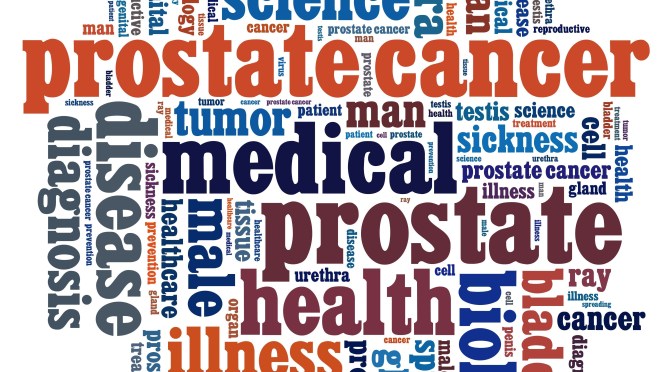
Health Talk: “Prostate Cancer – Diagnosis And Treatments” (Mayo Clinic)
On the Mayo Clinic Radio program, Dr. Derek Lomas, a Mayo Clinic urologist, discusses prostate cancer, including a new biopsy method.
This interview originally aired Feb. 22, 2020. Prostate cancer is the second most common cancer — second to skin cancer — among men in the U.S. One in 9 men will be diagnosed with prostate cancer in his lifetime, according to the American Cancer Society. Screening is important because early detection greatly improves the chances of survival. While some types of prostate cancer grow slowly, and may need minimal or even no treatment, other types are aggressive and can spread quickly. If prostate cancer is suspected, a biopsy can confirm the diagnosis.
Learn more about prostate cancer: https://www.mayoclinic.org/diseases-c…

Diet Studies: Repeated “Diet Switching” Found To Increase Mortality Risks
From a Science Journal study (Feb 21, 2020):
 We suggest this increase in mortality seen on DR in the 4-day switch treatment is due to either accrued physiological costs or more probable, a carryover of deaths directly resulting from the rich diet, but recorded on the DR diet.
A closer examination of the timing of mortality within the 4-day switching paradigm showed that the mortality response was strongest in the second 48 hours after exposure to both DR and rich diets.
Ageing has attracted extensive scientific interest, from both a fundamental and biomedical perspective. Dietary restriction (DR) extends health and life span across taxa, from baker’s yeast to mice, with very few exceptions (1, 2). The reduction in total calories—or restriction of macronutrients, such as protein—extends life span reliably (3–5). Although the precise universal mechanisms that connect DR to ageing remain elusive, translation of DR’s health benefits to human medicine is deemed possible. The widespread assumption of DR’s translational potential originates from the notion that DR’s beneficial effects are facilitated by shared evolutionary conserved mechanisms, as beneficial effects of DR are observed across taxa.
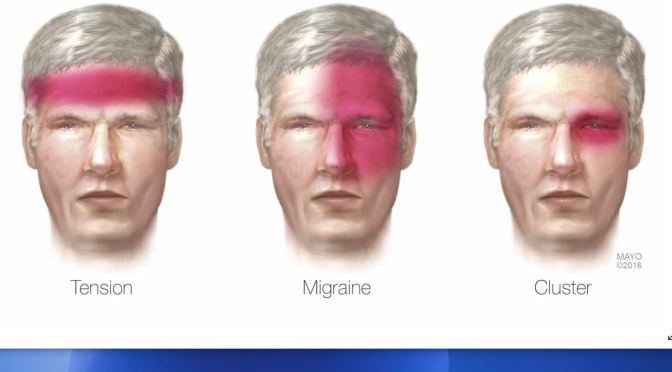
Health Talk: “Treating Headaches, Migraines And Cluster” (Mayo Clinic)
On the Mayo Clinic Radio program, Dr. Beth Robertson, a Mayo Clinic neurologist, discusses headaches and treatment for migraines.
This interview originally aired Feb. 22, 2020. Learn more about headaches: https://www.mayoclinic.org/diseases-c…
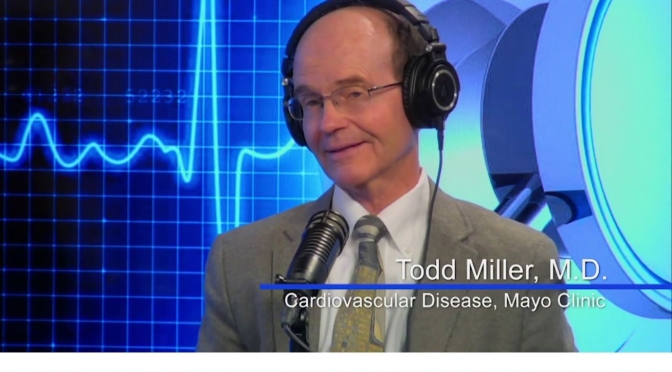
Health Talk: “Exercise And The Heart” (Mayo Clinic)
On the Mayo Clinic Radio program, Dr. Todd Miller, a Mayo Clinic cardiologist, explains how exercise affects the heart. This interview originally aired Feb. 22, 2020. Learn more about exercise and the heart: https://www.mayoclinic.org/healthy-li…
Studies: Dementia Risk Is Up To 11 Times Greater With Declines In Both Memory And Gait (JAMA)
From a JAMA Network Open online release (February 21, 2020):
 Across the 6 studies of 8699 participants, mean age ranged between 70 and 74 years and mean gait speed ranged between 1.05 and 1.26 m/s. Incident dementia ranged from 5 to 21 per 1000 person-years. Compared with usual agers, participants with only memory decline had 2.2 to 4.6 times higher risk for developing dementia…
Those with only gait decline had 2.1 to 3.6 times higher risk. Those with dual decline had 5.2 to 11.7 times the risk…
Impaired mobility, such as slow gait, is associated with an increased risk of dementia, but the effect size of this association is generally modest.1–6 Identifying persons who experience both mobility decline and memory decline, a main symptom in the early stage of dementia, may have a greater prognostic value in assessing risk of dementia because the combination could identify a group in whom gait speed decline is at least in part caused by neurodegenerative pathologic conditions of the central nervous system rather than local musculoskeletal problems, such as sarcopenia or osteoarthritis.7–9 A recent study of 154 participants with mild cognitive impairment reported that those who declined in both cognition and gait speed had the highest risk of dementia.
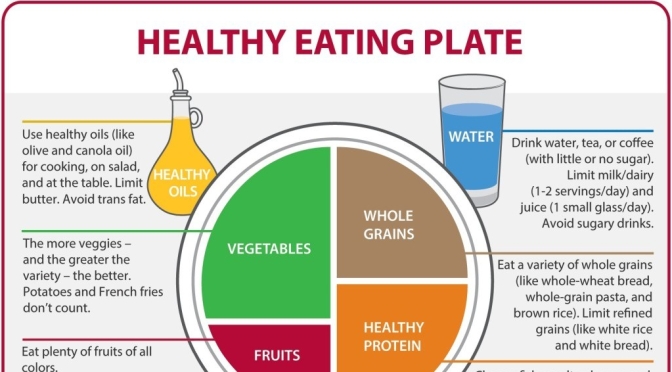
Nutrition Infographic: Harvard Unveils A “Healthy Eating Plate” As Guide For Balanced Meals
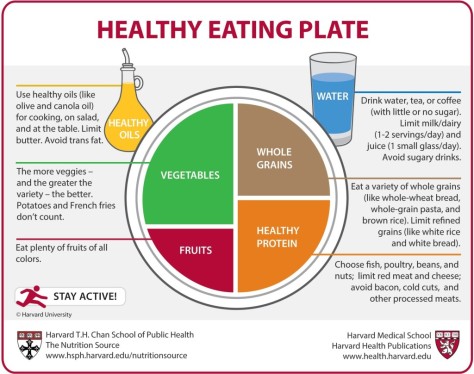
- Make most of your meal vegetables and fruits – ½ of your plate:
Aim for color and variety, and remember that potatoes don’t count as vegetables on the Healthy Eating Plate because of their negative impact on blood sugar.
- Go for whole grains – ¼ of your plate:
Whole and intact grains—whole wheat, barley, wheat berries, quinoa, oats, brown rice, and foods made with them, such as whole wheat pasta—have a milder effect on blood sugar and insulin than white bread, white rice, and other refined grains.
- Protein power – ¼ of your plate:
Fish, poultry, beans, and nuts are all healthy, versatile protein sources—they can be mixed into salads, and pair well with vegetables on a plate. Limit red meat, and avoid processed meats such as bacon and sausage.
- Healthy plant oils – in moderation:
Choose healthy vegetable oils like olive, canola, soy, corn, sunflower, peanut, and others, and avoid partially hydrogenated oils, which contain unhealthy trans fats. Remember that low-fat does not mean “healthy.”
Skip sugary drinks, limit milk and dairy products to one to two servings per day, and limit juice to a small glass per day.
The red figure running across the Healthy Eating Plate’s placemat is a reminder that staying active is also important in weight control.
The main message of the Healthy Eating Plate is to focus on diet quality.
- The type of carbohydrate in the diet is more important than the amount of carbohydrate in the diet, because some sources of carbohydrate—like vegetables (other than potatoes), fruits, whole grains, and beans—are healthier than others.
- The Healthy Eating Plate also advises consumers to avoid sugary beverages, a major source of calories—usually with little nutritional value—in the American diet.
- The Healthy Eating Plate encourages consumers to use healthy oils, and it does not set a maximum on the percentage of calories people should get each day from healthy sources of fat. In this way, the Healthy Eating Plate recommends the opposite of the low-fat message promoted for decades by the USDA.
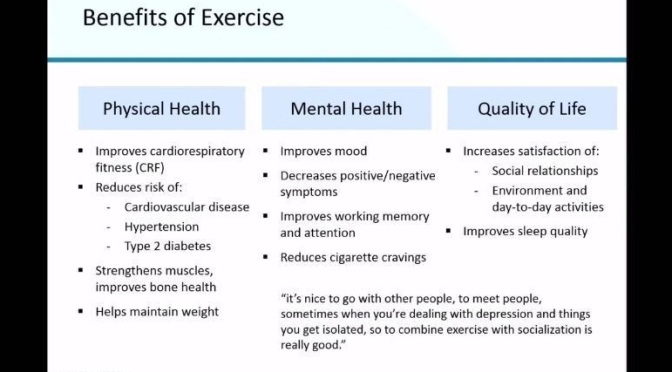
Exercise Health Benefits: “Should I Go To The Gym Today?” (MGH Video)
This presentation by Julia Browne, PhD, a clinical and research fellow in the Center of Excellence for Psychosocial and Systemic Research at Massachusetts General Hospital and Harvard Medical School was part of Schizophrenia Education Day 2019.
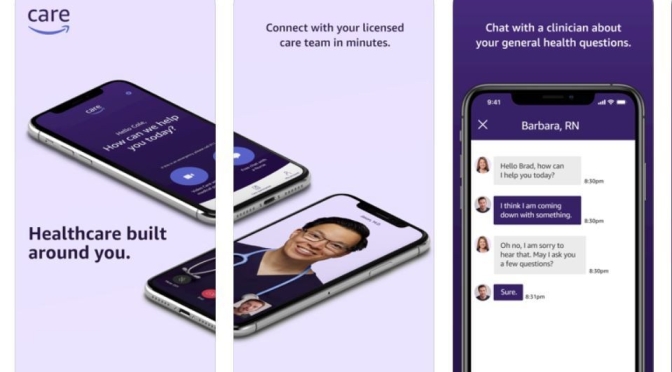
Health: “Amazon Care” Virtual Medical Service Smartphone App Launches
From a Becker’s Hospital Review release (02/19/2020):
 Amazon’s virtual medical clinic that offers in-person follow-ups is now available to Amazon employees in Seattle.
Five things to know:
1. The virtual medical service, called Amazon Care, went live via the company’s employee benefits portal on Feb. 18. It is available to Amazon employees who work at the company’s headquarters and their dependents.
2. Amazon Care offers employees virtual medical consultations with physicians and nurse practitioners. Patients can use the app to schedule a follow-up visit in their home or office.
 3. Medications prescribed via Amazon Care can be delivered to a patient’s home.
4. “Amazon Care eliminates travel and wait time, connecting employees and their family members to a physician or nurse practitioner through live chat or video, with the option for in-person follow up services from a registered nurse ranging from immunizations to instant strep throat detection,” an Amazon spokesperson told CNBC.
5. Amazon first shared information about Amazon Care in September, noting that it planned to pilot the service in Seattle.

Digital Health: Americans Open To 24/7 Monitoring Devices, AI Technology To Lower Health Care Costs
Center for the Digital Future at USC Annenberg (Feb 19, 2020):
 Many Americans are willing to make significant personal tradeoffs to lower their health insurance rates or medical costs, such as agreeing to 24/7 personal monitoring or working with artificial intelligence instead of a human doctor, the Center for the Digital Future at the USC Annenberg School for Communication and Journalism finds.
Among the study’s findings:
- Nearly 1 in 4 Americans (24%) would work with an artificial intelligence-based technology if it lowered the cost of their health care.
- Most Americans (80%) think that access to health care is a basic right that should be available to all citizens regardless of their ability to pay. This is a view shared even by a majority of citizens who identify themselves as very conservative (56%).
- Significant percentages of Americans are willing to make profound lifestyle choices in exchange for lower insurance rates. For example, one-third of Americans would agree to 24/7 personal monitoring by insurance companies or health care professionals if their insurance rates were reduced.
- Twenty-one percent of Americans said they would stay in their current job if leaving it meant losing their current health coverage.
- Almost all Americans say health care is a key issue in the 2020 presidential election (92%).
- Even though Americans say they are satisfied with their current health insurance, they are open to alternatives. Thirty percent of Americans would consider buying health coverage from any company that offers lower costs, including a variety of non-insurance companies such as Amazon, Google, or Costco.
 Boomers Daily