
 Eat less, live longer- If you want to reduce levels of inflammation throughout your body, delay the onset of age-related diseases and live longer—eat less food. That’s the conclusion of a new study by scientists from the US and China that provides the most detailed report to date of the cellular effects of a calorie-restricted diet in rats.
(Salk News, February 27, 2020)
While the benefits of caloric restriction have long been known, the new results show how this restriction can protect against aging in cellular pathways, as detailed in Cell on February 27, 2020.
Aging is the highest risk factor for many human diseases, including cancer, dementia, diabetes and metabolic syndrome. Caloric restriction has been shown in animal models to be one of the most effective interventions against these age-related diseases. And although researchers know that individual cells undergo many changes as an organism ages, they have not known how caloric restriction might influence these changes.
In the new paper, Belmonte and his collaborators—including three alumni of his Salk lab who are now professors running their own research programs in China—compared rats who ate 30 percent fewer calories with rats on normal diets. The animals’ diets were controlled from age 18 months through 27 months. (In humans, this would be roughly equivalent to someone following a calorie-restricted diet from age 50 through 70.)



 In this edition of Backchat we take a deep dive into Nature’s coverage of coronavirus. As cases climb, what are some of the challenges involved in reporting on the virus?
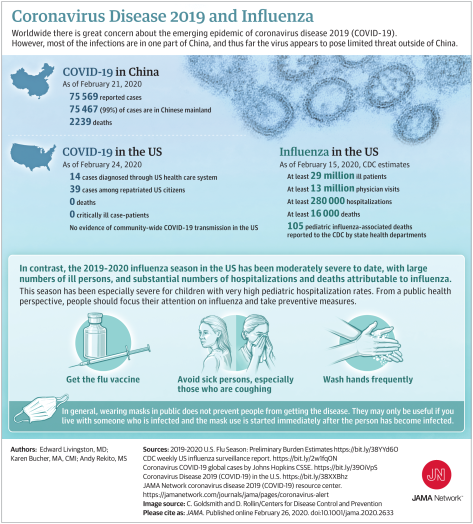
 In public health, honesty is worth a lot more than hope. It has become clear in the past week that the new viral disease, covid-19, which struck China at the start of December will spread around the world. Many governments have been signalling that they will stop the disease. Instead, they need to start preparing people for the onslaught



 The study shows that wearable sensors coupled with machine learning analytics have predictive accuracy comparable to implanted devices.

 As we head into South Carolina’s primary and gear up for Super Tuesday, the 2020 candidates are looking to stand out to voters. But perhaps no policy proposal has marked this election more than Sen. Bernie Sanders’s push for Medicare for All.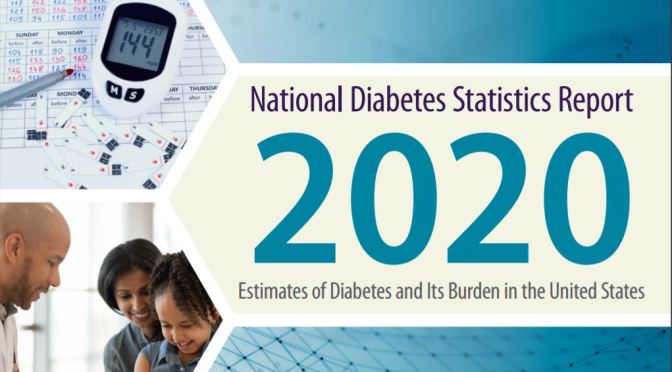
 The National Diabetes Statistics Report is a periodic publication of the Centers for Disease Control and Prevention (CDC) that provides updated statistics about diabetes in the United States for a scientific audience. It includes information on prevalence and incidence of diabetes, prediabetes, risk factors for complications, acute and long-term complications, deaths, and costs. These data can help focus efforts to prevent and control diabetes across the United States.
 Boomers Daily