
 Benjamin Thompson, Noah Baker, and Amy Maxmen discuss Trump withholding funds from the WHO, and how COVID-19 kills. We also hear about controlling misinformation while communicating risk.
In this episode:
01:15 Understanding bottlenecks
After listening to last week’s episode of Coronapod, researchers in the USA were inspired to start collecting data about the challenges facing labs carrying out testing. After more than 4,000 responses to their online survey, we discuss their goals.
03:08 A hole in the WHO’s funding
US President Donald Trump has announced plans to withhold funding for the WHO, pending a review of the organization’s handling of the pandemic. We discuss the decision and ask what it means for the global response to COVID-19.
News: Nature‘s rolling coronavirus news blog
05:55 Responding to the immune system
We investigate the role of the immune system in the death of COVID-19 patients and what this could mean for treatments. Could some therapeutics actually be undermining the body’s ability to fight the virus?
News: How does COVID-19 kill? Uncertainty is hampering doctors’ ability to choose treatments
13:54 One good thing this week
Our hosts pick out things that have made them smile in the last 7 days, including seasonal memories from Sierra Leone, a trip to the supermarket, and the 99-year old war veteran who has raised millions for charity.
BBC News: Coronavirus: Capt Tom Moore’s NHS fundraiser hits £17m
18:33 Communicating complex data
Clearly communicating risks and evidence is key for governments and other organisations if they are to best inform the public during the pandemic. But what is the best way to do it? We hear the methods that communications experts and behavioural scientists recommend to keep the public informed, and keep misinformation at bay.
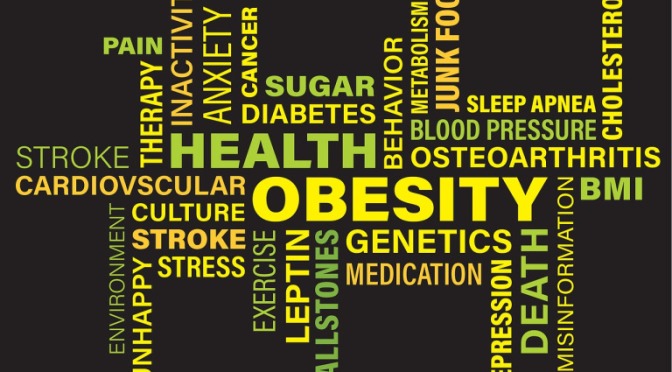
 “Having normal body weight is crucial in the prevention of type 2 diabetes, regardless of genetic predisposition.”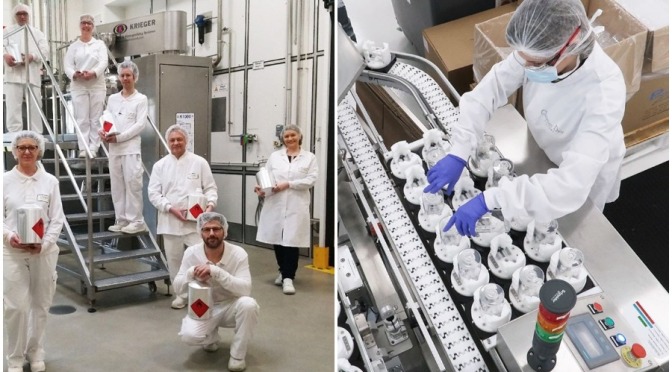
 Jamie Waters explains how the fashion industry emerged as a vital contributor in the fight against the pandemic. Many brands, big and small, have pivoted to make masks and other protective equipment.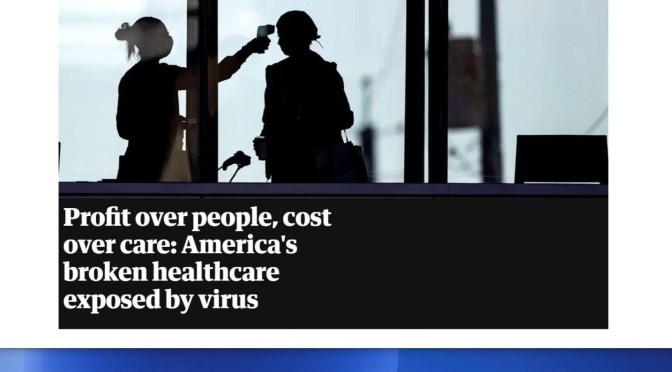
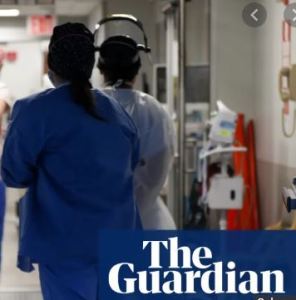 “As this epidemic makes clear, at any moment, any of us could become sick, could become hospitalized, could be on a mechanical ventilator,” said Adam Gaffney, an ICU doctor in Boston. “And that, in the United States, could mean potentially ruinous healthcare costs.”


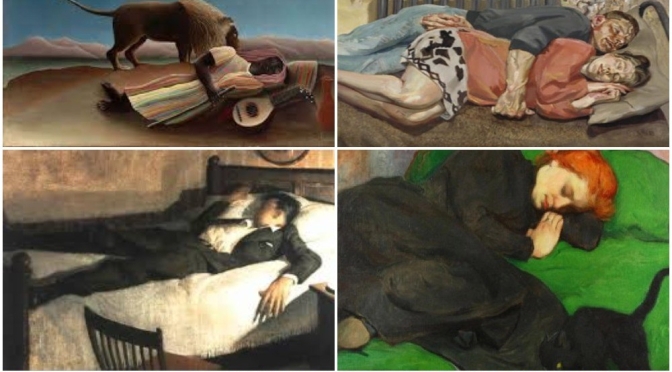
 The sleep industry caters to a working consumer’s wish to sleep less, yet sleep more productively, and accommodates transnational industry which has joined the state as a custodian of biopolitics. Jonathan Crary’s 24/7 spells out in detail how the state and a capitalist economy are encroaching stupendously on the private sphere, in which sleep was one of the last vestiges of unfettered time.
 Boomers Daily