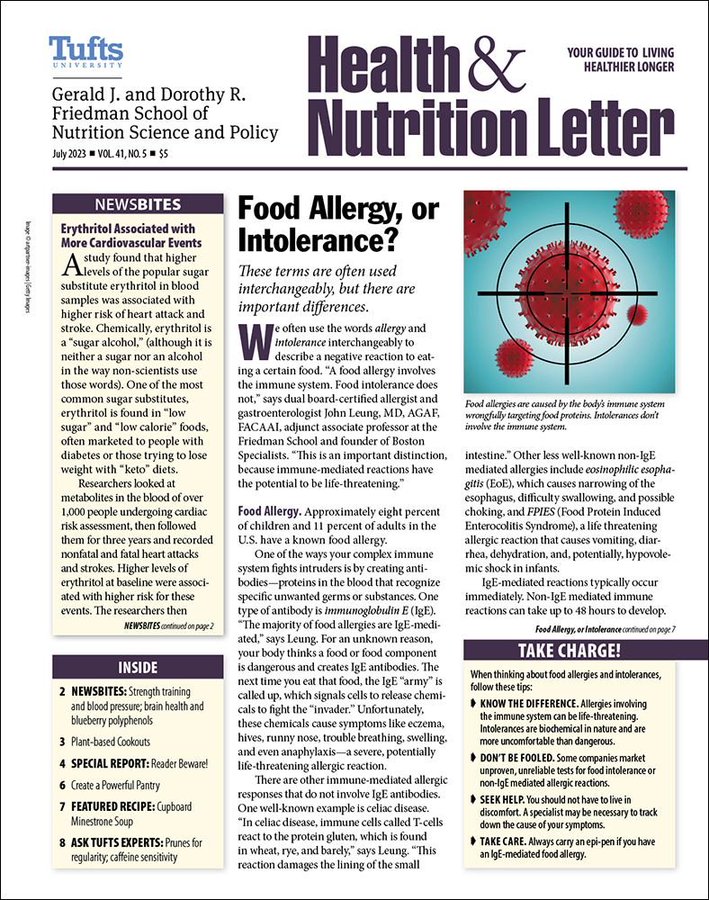
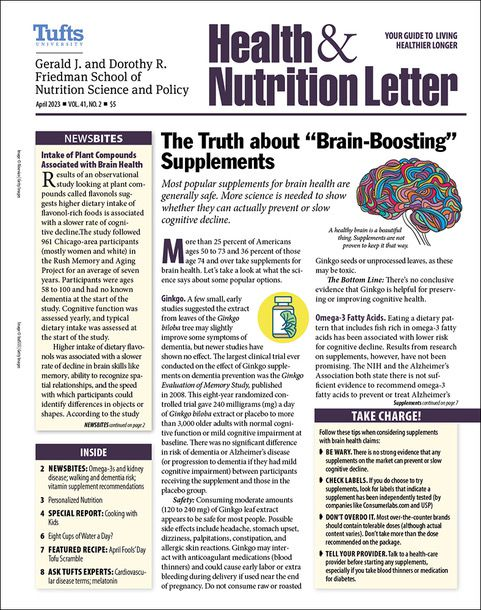
Tufts Health & Nutrition Letter (July 2023): Food Allergy, or Intolerance?; Sugar substitute Erythritol associated with higher heart attack and stroke risks; Plant-based Cookouts; Create a Powerful Pantry, and more…
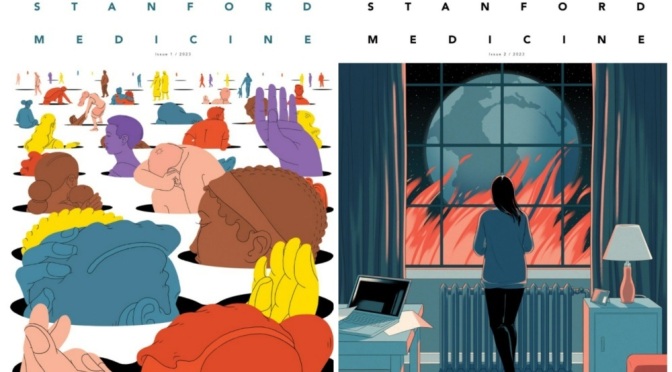
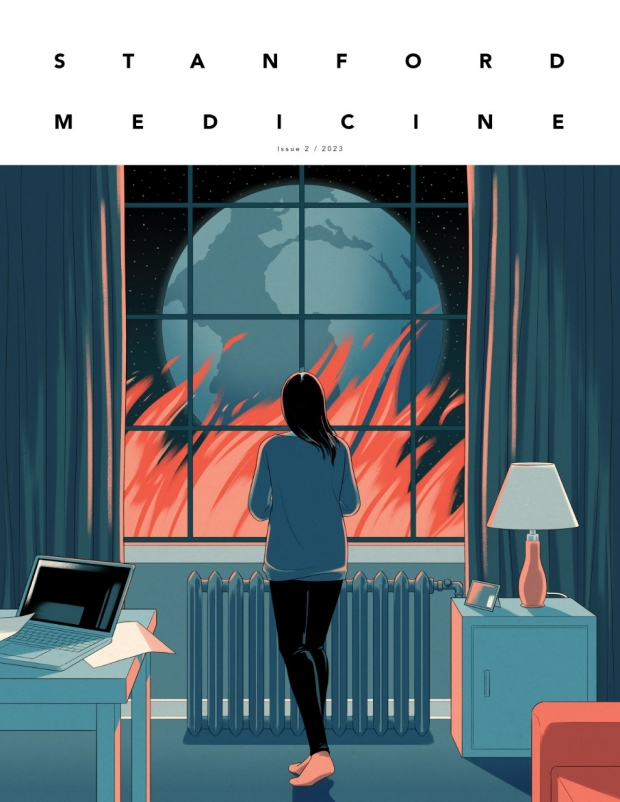
Stanford Medicine Magazine (Summer 2023) – The new issue of Stanford Medicine magazine explores how the environment and health interact — and ways to counter negative impacts.
The COVID-19 pandemic, from which we’re still struggling to emerge, has expanded our working vocabulary, gifting the public lexicon with new, if admittedly mostly gloomy, words and concepts. (Examples: spike protein, intubation, N95, rapid antigen test.) We may not flood our speech with these terms, but we’re at least passingly familiar with them now.
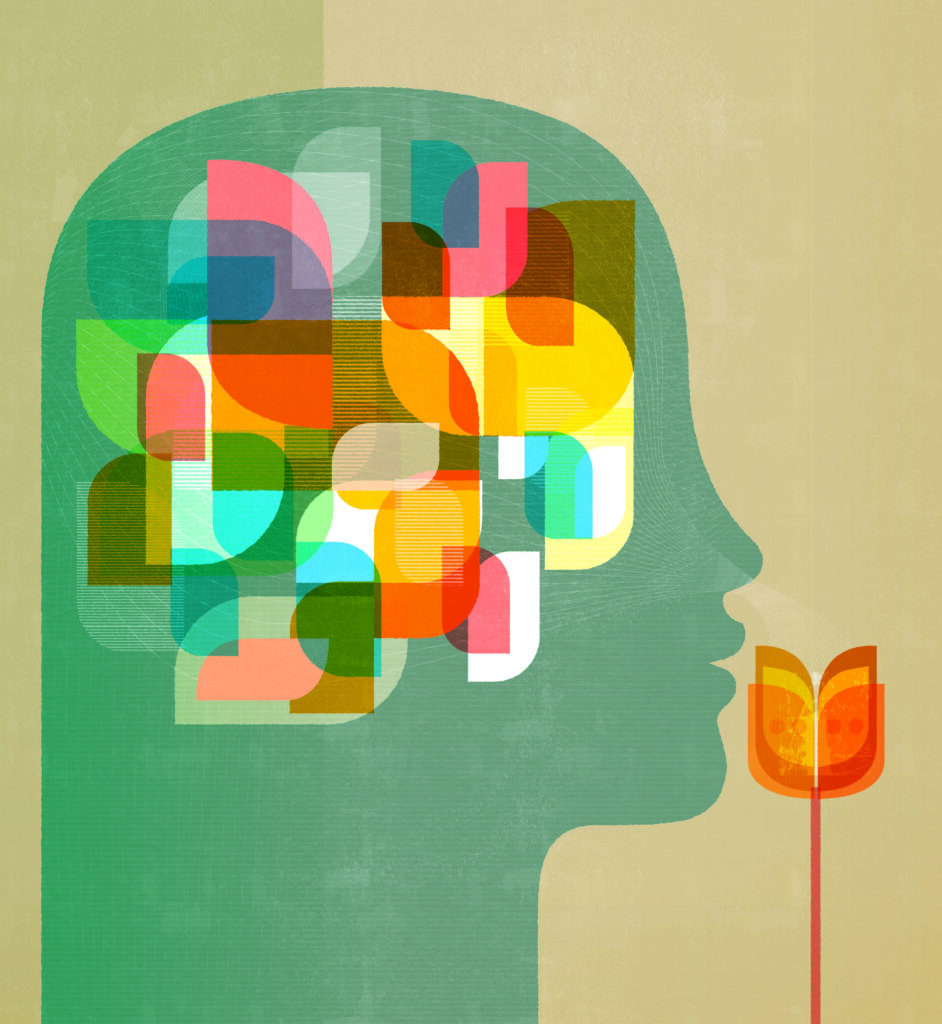
Among the human senses, smell — or more formally, olfaction — is often considered the most dispensable. In a recent survey, 1 in 6 college students said they would rather lose their sense of smell than their little left toe, and 1 in 4 would forgo their sense of smell to keep their phone.
But for people who’ve found themselves suddenly unable to smell — a more common predicament since the COVID-19 pandemic — the loss can be surprisingly, profoundly devastating.
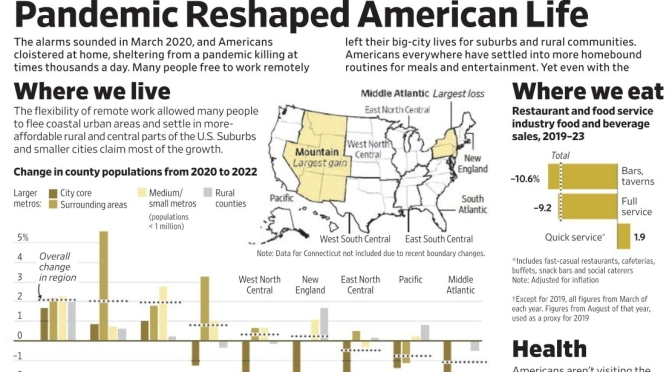
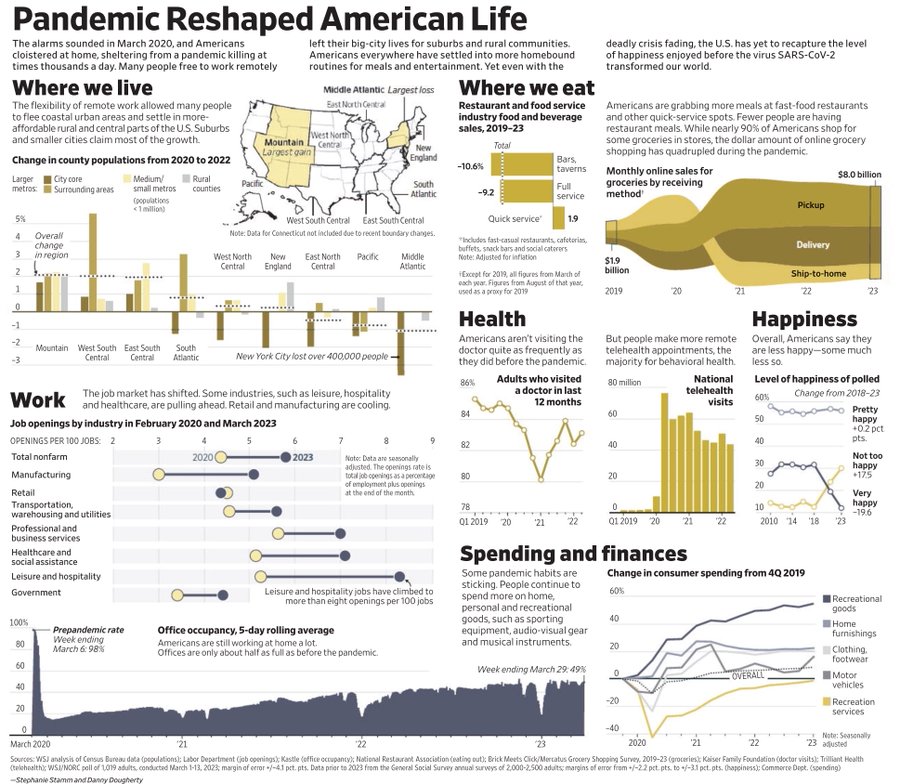
Wall Street Journal (May 5, 2023) – The alarms sounded in March 2020, and Americans cloistered at home, sheltering from a pandemic killing at times thousands a day. Many people free to work remotely left their big-city lives for suburbs and rural communities. Americans everywhere have settled into more homebound routines for meals and entertainment. Yet even with the deadly crisis fading, the U.S. has yet to recapture the level of happiness enjoyed before the virus SARS-CoV-2 transformed our world.
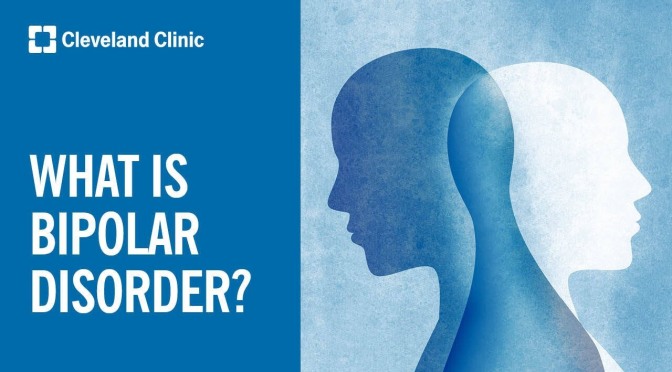
Cleveland Clinic (April 6, 2023) – About 5.7 million adults in the U.S. have bipolar disorder. The lifelong mental health condition, which includes four different types, is known for the maniac and depressive episodes someone experiences.
Chapters: 0:00 Intro 0:26 What is bipolar disorder? 0:50 What does a manic episode feel like? 1:18 What does a depressive episode feel like? 2:00 How to manage bipolar disorder
What is bipolar disorder?
Bipolar disorder (formerly known as manic-depressive illness or manic depression) is a lifelong mood disorder and mental health condition that causes intense shifts in mood, energy levels, thinking patterns and behavior. These shifts can last for hours, days, weeks or months and interrupt your ability to carry out day-to-day tasks.
There are a few types of bipolar disorder, which involve experiencing significant fluctuations in mood referred to as hypomanic/manic and depressive episodes. However, people with bipolar disorder aren’t always in a hypomanic/manic or depressive state. They also experience periods of normal mood, known as euthymia.
Daniela Hernandez | WSJ (March 24, 2023): HBO’s The Last of Us previews what a fungal apocalypse might look like. While scientists aren’t worried about the Cordyceps fungus taking us out IRL, deaths due to severe fungal infections are going up and raising alerts from public-health agencies.
Video timeline:0:00 Fungal infections kill an average of 1.6 million people per year 0:30 How climate change has aided in fungi production 2:11 Infectious fungi are more dangerous for compromised immune systems 2:42 Why there are limited treatment options for fungal infections 3:29 How worried should you be about fungi?
I explain three big reasons why the next big health threat might come from a fungus.
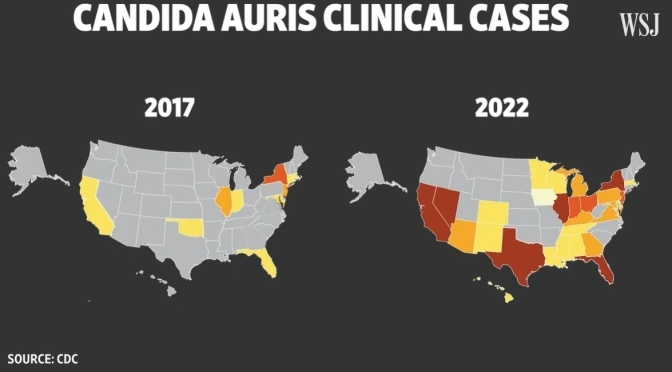
Candida auris is an emerging fungus that presents a serious global health threat. CDC is concerned about C. auris for three main reasons:
It is often multidrug-resistant, meaning that it is resistant to multiple antifungal drugs commonly used to treat Candida infections. Some strains are resistant to all three available classes of antifungals.
It is difficult to identify with standard laboratory methods, and it can be misidentified in labs without specific technology. Misidentification may lead to inappropriate management.
It has caused outbreaks in healthcare settings. For this reason, it is important to quickly identify C. auris in a hospitalized patient so that healthcare facilities can take special precautions to stop its spread.
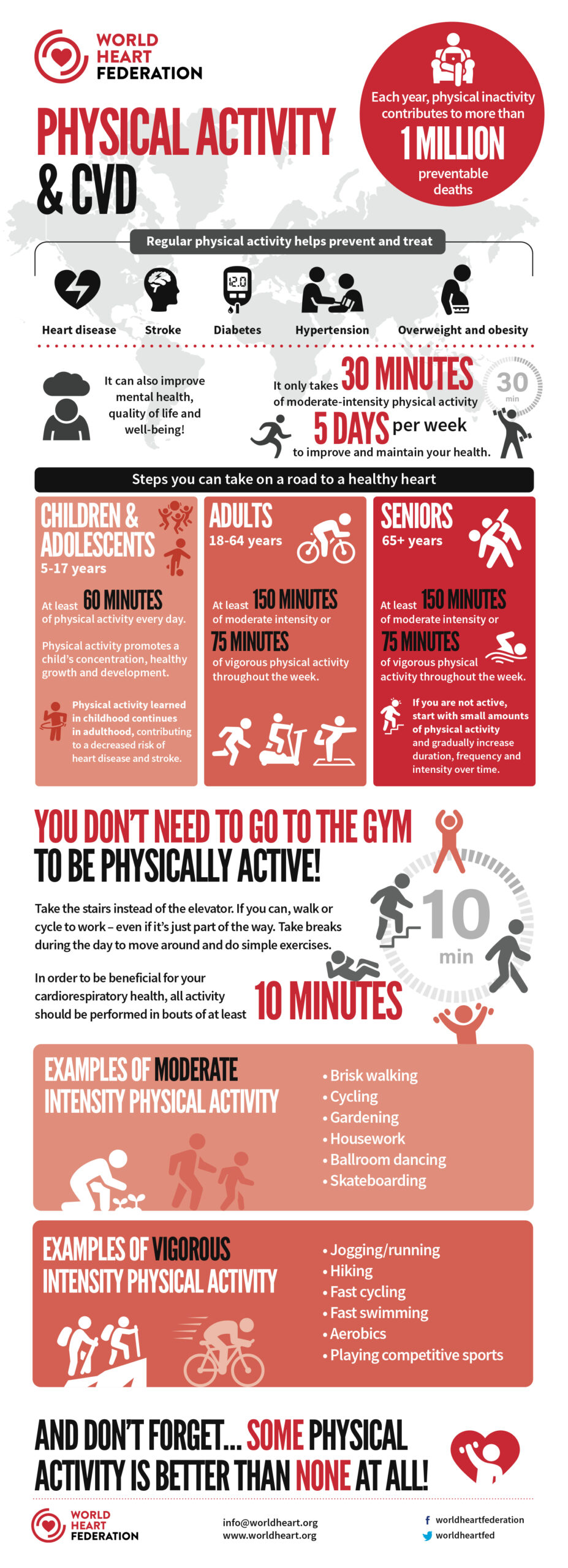
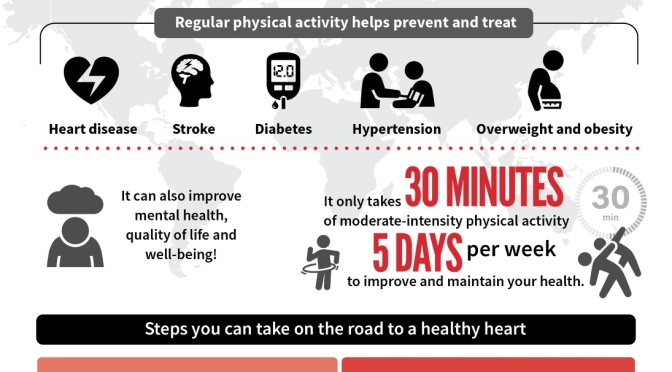
Frequent exercise is robustly associated with a decrease in cardiovascular mortality as well as the risk of developing cardiovascular disease. Physically active individuals have lower blood pressure, higher insulin sensitivity, and a more favorable plasma lipoprotein profile. Animal models of exercise show that repeated physical activity suppresses atherogenesis and increases the availability of vasodilatory mediators such as nitric oxide.
Exercise has also been found to have beneficial effects on the heart. Acutely, exercise increases cardiac output and blood pressure, but individuals adapted to exercise show lower resting heart rate and cardiac hypertrophy.
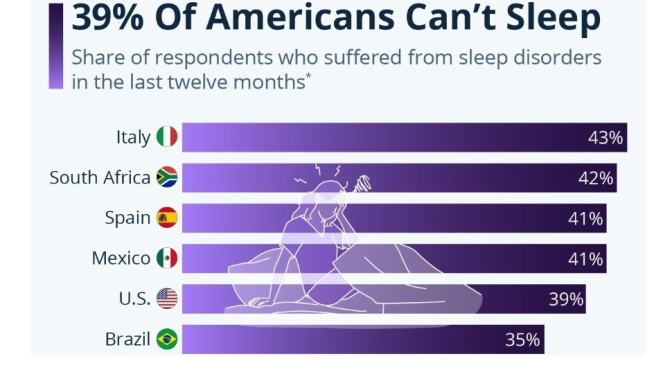
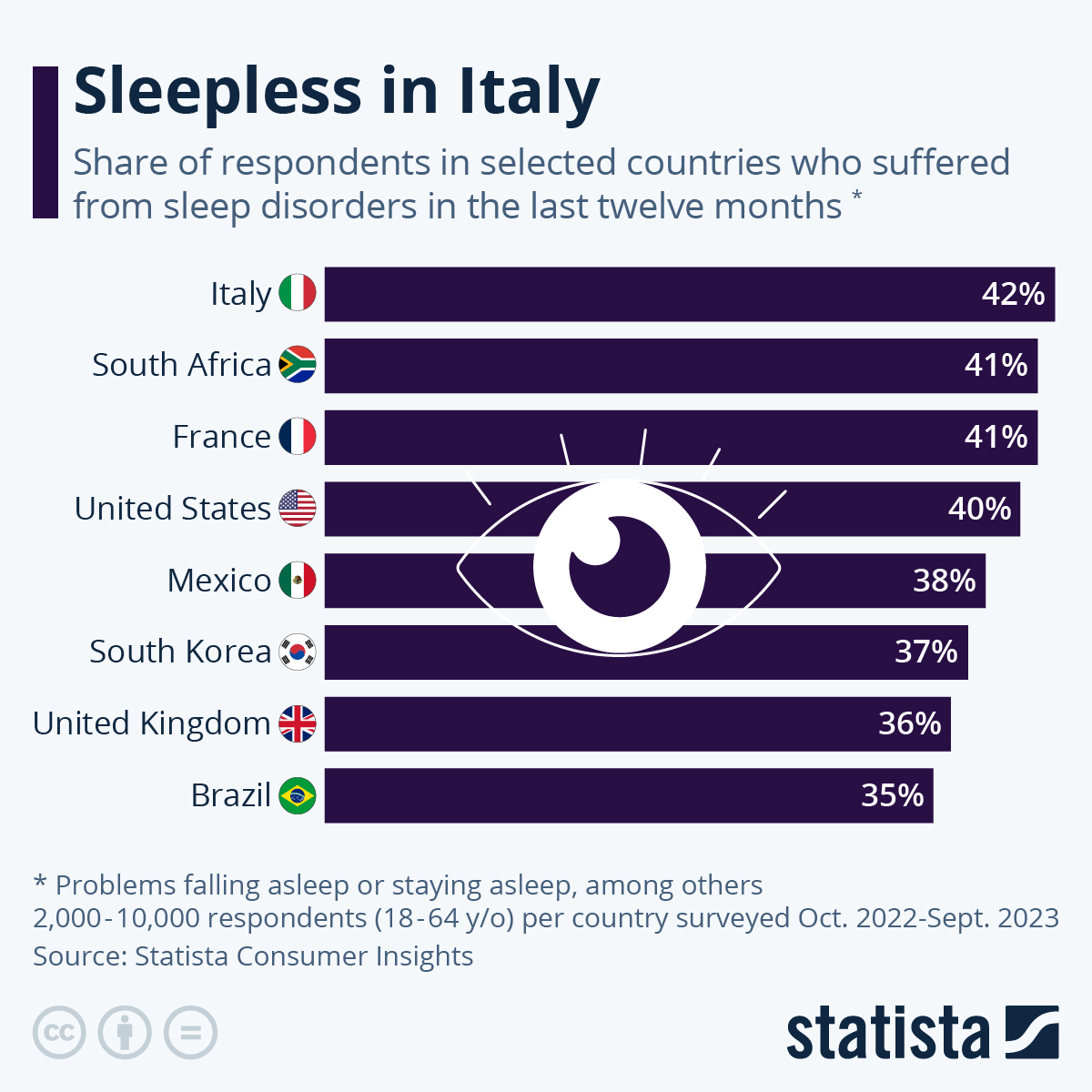
This Friday, March 17, is World Sleep Day, an annual event that aims to raise awareness of the importance of getting a good night’s sleep. This year’s campaign tagline is “Sleep is essential for health.” According to a study by the American College of Cardiology, up to 8 percent of deaths from any cause could be attributed to “poor sleep patterns”, while those with healthier sleep habits are less likely to die prematurely.
Data from Statista Consumer Insights shows that in the United States, 39 percent of respondents said they had suffered from a sleep disorder (problems falling asleep or staying asleep, insomnia, etc.) in the 12 months prior to the survey. Italians were among the worst sleepers in the survey at 48 percent reporting a sleep disorder, while India registered a higher share of good sleepers, with only 26 percent suffering from poor sleep.
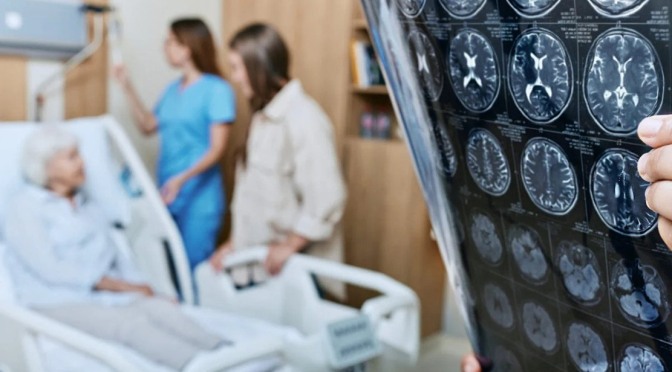
National Science Foundation (March 13, 2023) – Harnessing the power of AI, researchers calculate our brain’s age leading to earlier detection of Alzheimer’s and other cognitive diseases.
Researchers at USC have developed a new artificial intelligence model that more accurately captures brain age. This study could result in earlier detection of Alzheimer’s and other cognitive diseases and provide important information about how quickly our brains age.











 Boomers Daily