
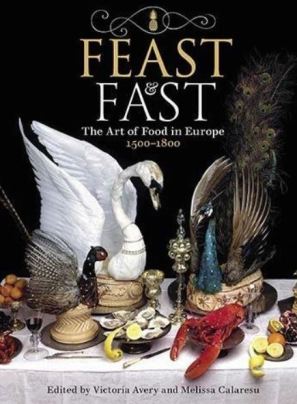
 Food defines us as individuals, communities, and nations – we are what we eat and, equally, what we don’t eat. When, where, why, how and with whom we eat are crucial to our identity. Feast and Fast presents novel approaches to understanding the history and culture of food and eating in early modern Europe.
This richly illustrated book will showcase hidden and newly-conserved treasures from the Fitzwilliam Museum and other collections in and around Cambridge. It will tease out many contemporary and controversial issues – such as the origins of food and food security, overconsumption in times of austerity, and our relationship with animals and nature – through short research-led entries by some of the world’s leading cultural and food historians.
Feast and Fast explores food-related objects, images, and texts from the past in innovative ways and encourages us to rethink our evolving relationship with food.
To read more and purchase:




 How is a drapery put in place? For what reasons does this motive persist until today? How to explain its power of fascination? These are the questions that this exhibition intends to pose, in order to enter the “factory” of the drapery and to get closer to the artistic gesture. By showing the stages of making a drapery, the visitor will discover the singular practices of artists from the Renaissance to the second half of the 20th century.
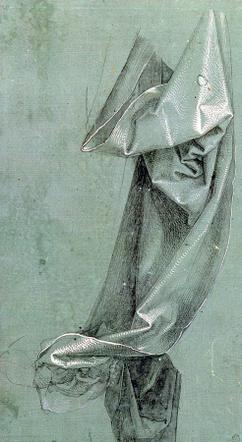 Albrecht Dürer, Drapery Study, 1508, Brush and Indian Ink, heightened white on dark green paper

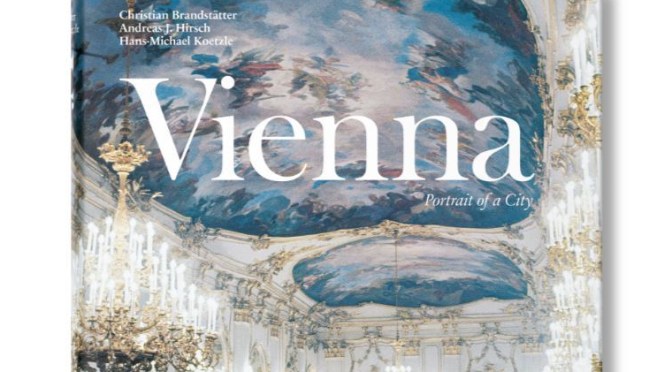
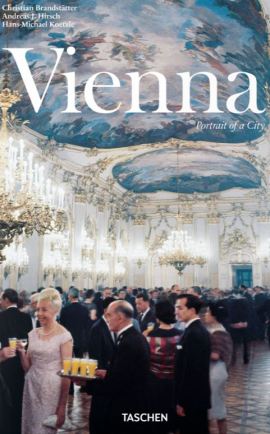 This volume is a treasure trove of photography from the last 175 years, following the evolution of Vienna from imperial capital to modern metropolis. Like a visual walk through time and cityscape, hundreds of carefully curated pictures trace the developments in Vienna’s built environment and the cultural and historical trends they reflect, whether the urban Gesamtkunstwerk of the 19th-century Ringstrasse or the experiments of “Red Vienna” in the 1920s, when the city had a social democrat government for the first time.
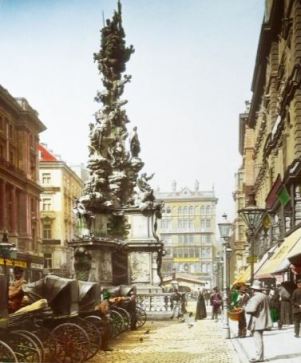 Vienna combines drama and elegance like no other. For centuries the heart of the Austro-Hungarian Empire, the stately city on the Danube, has been defined by vast palaces and imperial grandeur—but behind the Baroque opulence, Vienna is also a place of genteel coffee house culture, epicurean tradition, and a heritage of both delicate and daring music, art, and design, from Johann Strauss to
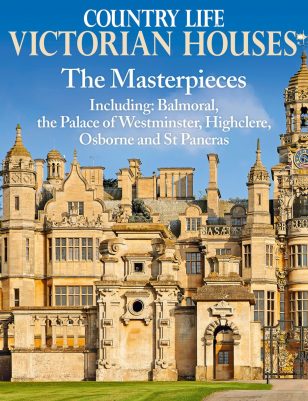 First published in 1897, Country Life is itself a late-Victorian institution. What could be more appropriate, therefore, than to celebrate this anniversary with a collector’s issue of articles and photographs from the magazine’s archives?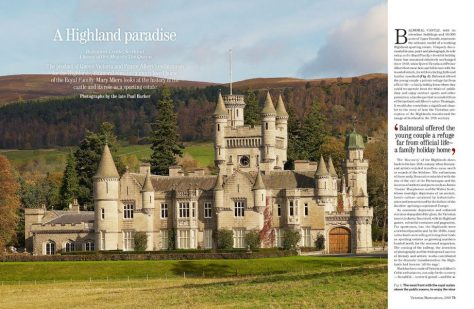
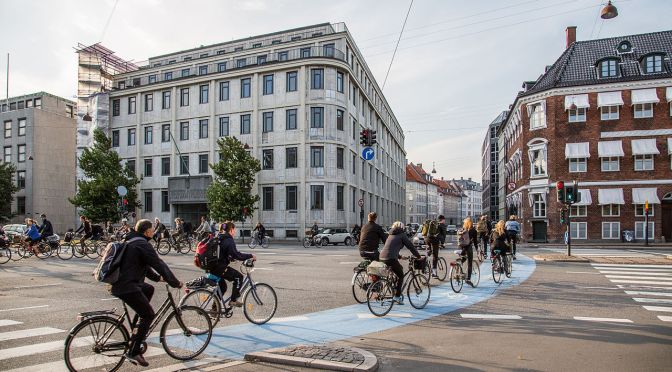
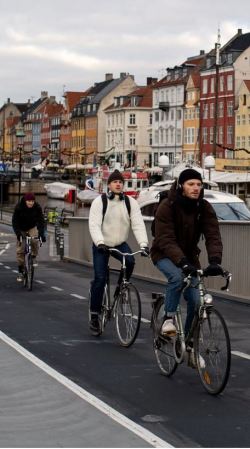 Copenhagen’s legendary bicycle setup has been propelled by all of these aspirations, but the critical element is the simplest: People here eagerly use their bicycles — in any weather, carrying the young, the infirm, the elderly and



 Boomers Daily