
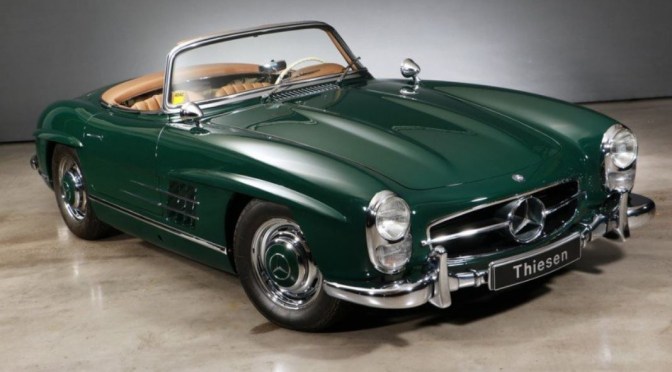
 The 300 SL celebrated its premiere at the? International Motor Sports Show? in New York, which took place from February 6th to 14th, 1954. Mercedes-Benz experienced an enormously positive response from visitors to the 300 SL at the Motor Show, so series production began in August 1954 at the Sindelfingen plant.
A total of 1,858 units of the Mercedes 300 SL Roadster were produced between 1957 and 1963.
 This 300 SL Roadster was delivered in Germany on September 22, 1960. In the mid-1980s, the car came into the possession of an experienced Mercedes specialist. The roadster underwent extensive restoration under his direction. According to the available documentation, the body was separated from the chassis and completely overhauled. Since then, the car has only been moved about 28,000 km and serviced regularly. A few years ago, the vehicle changed hands within Germany to a businessman and classic car enthusiast who used the roadster for nice trips and events.
To read more: https://www.classicdriver.com/en/car/mercedes-benz/300-sl/1960/724393


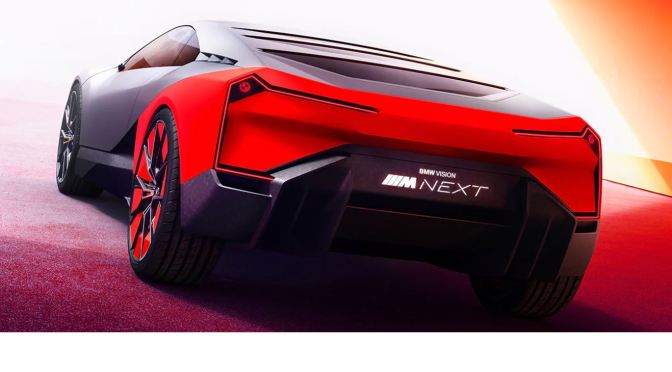
 ‘we believe in the power of choice,’ begins domagoj dukec. as cars embrace new technologies such as autonomous systems, BMW and their designers are ensuring customers are still offered their own ultimate driving experience. in fact, they are actually integrating technology into the background of their designs, from the powertrains to the adaptable furniture and interior fabrics, creating mobility spaces that adapt to your needs. the innovations are there to help and enhance the experience but are free to the user to choose when, where and how it affects their journey. this power of choice is exemplified by
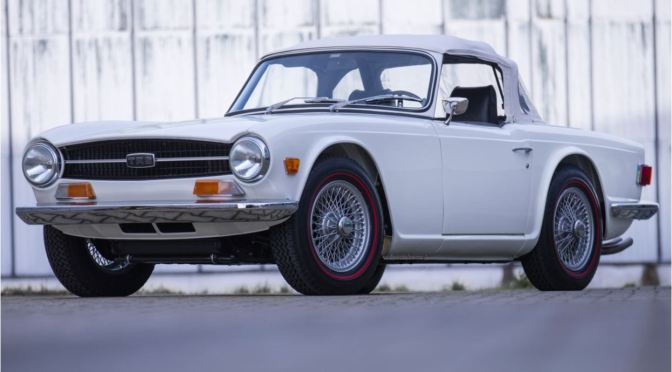

 The Type E Series III had the privilege of launching the new Jaguar V12 engine in 1971. This superb 5.3L engine with two overhead cams, derived from a prototype for the 24 Hours of Le Mans, was powered by four carburettors. and developed 272CV DIN upon its release, it will give up to 700CV in competition versions.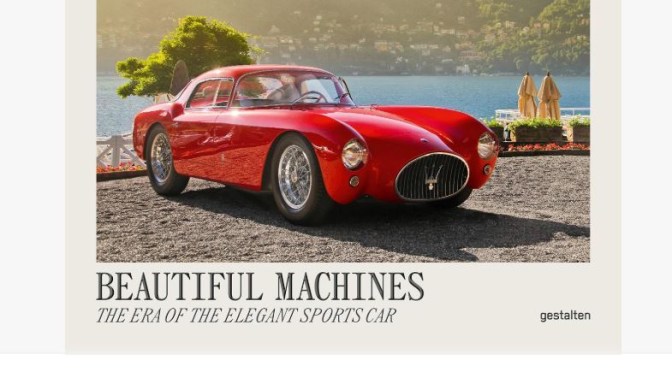
 Start your engines for a grand tour of the most stylish grand motoring automobiles ever created. Evoking an era when elegance, romance, and outright performance defined the automobile and the fascinating stories that made them icons of the road. From the shark-inspired Maserati Ghibli to the fiery Lamborghini Miura, from European elegance with American firepower such as the Iso Grifo and Facel Vega to the groundbreaking designs of the Alfa Romeo Tipo 33 Stradale and Renault Alpine and the advanced technology behind the Jensen FF or Porsche 918 Spyder.

 The result is a testimony to the true meaning of haute couture – this car doesn’t need to impress or be flashy. It’s first and foremost superb craftsmanship, which has been married to extreme refinement. Next time you venture into Paris and notice a dark blue Eden Roc being driven by a young and elegant tattooed man, don’t hesitate to look closer and try to spot Leroy’s intricate tailor-made feathery details.
 Maxime Leroy is anything but your typical classic car collector. He is a visionary creator with a strong personality whose adult life has been devoted to showcasing feathers. He discovered the art of plumasserie at school thanks to two of his professors. At that time, the school was the last school in France dedicated to teaching this dying art. And thanks to Leroy, who now spends two days a week there teaching, it still is.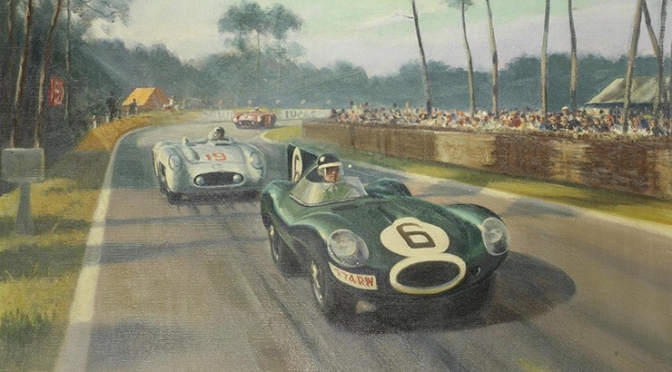
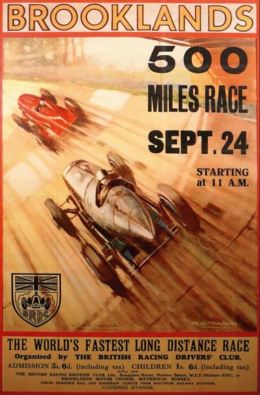 His work was displayed in many exhibitions in the UK and twenty four of his paintings were exhibited in New York in 1960. the exhibition was entitled ‘British Motoring Achievements’ and was a collection of paintings depicting outstanding performances of British cars during the previous ten years. These included the Vanwall and Cooper in Grand Prix, Monte Carlo and Alpine Rallies, speed records by MG and Austin, and Le Mans wins by Jaguar and Aston Martin.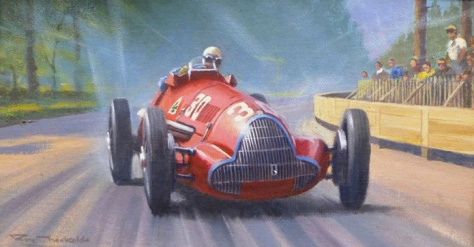
 Boomers Daily