Tag Archives: august 2025

HEALTHY AGING: WHY LEAN MUSCLE MASS IS ESSENTIAL

By Michael Cummins, Editor, August 5, 2025

When we envision the journey of aging, we often focus on the more visible signs—the lines on our faces, the graying hair, or the occasional ache in our joints. But the most profound changes occur beneath the surface, particularly within our muscular system. The gradual loss of muscle mass, a condition known as sarcopenia, is often accepted as an inevitable part of getting older. Yet, this decline is far from a cosmetic concern. It represents a fundamental shift in our body’s operating system, compromising our resilience and making us more vulnerable to chronic disease.

Modern science has revolutionized our understanding of skeletal muscle. It is not merely a tool for movement but a dynamic, multifaceted endocrine organ—a bustling chemical factory that profoundly influences every aspect of our health. By actively engaging and maintaining this “factory,” we can effectively fight back against the aging process at a cellular and systemic level. This essay will explore the critical importance of preserving lean muscle mass, detailing its key functions in regulating metabolism, combating chronic inflammation, bolstering our immune system, and acting as a protective shield for the entire body. Ultimately, it will argue that building and maintaining muscle should be a foundational and non-negotiable pillar of any strategy for promoting a long, healthy, and vibrant life.

The Unseen Architects: A Deeper Look at Mitochondria

To truly appreciate the power of muscle, we must first look inside the cell at the microscopic architects that make it all possible: the mitochondria. While famously known as the “powerhouses” of the cell, their story is far more fascinating. As scientist Lena Pernas from the Max Planck Institute for Biology of Ageing explains in her TEDxPadova talk, their ancestors were ancient bacteria that, over 1.5 billion years ago, forged a symbiotic relationship with our early eukaryotic ancestors by finding their way into a larger cell and staying. This remarkable evolutionary event is why mitochondria still retain some bacterial traits, including their own unique circular DNA, known as mtDNA. Interestingly, all of our mitochondrial DNA is passed down exclusively from our mothers.

“To truly appreciate the power of muscle, we must first look inside the cell at the microscopic architects that make it all possible: the mitochondria.”

These tiny organelles are responsible for converting the oxygen we breathe and the nutrients we consume into adenosine triphosphate (ATP), the chemical energy that powers our every thought, movement, and biological process. Mitochondria are not scattered randomly in our bodies; they are strategically placed in the greatest numbers and size within the tissues that have the highest energy demands. This makes our lean muscle tissue a prime location for these cellular power plants. A healthy, active muscle is packed with a dense network of mitochondria, ready to produce the vast amounts of energy needed for physical activity. The strength and efficiency of this mitochondrial network are directly linked to the health and vitality of your muscles, making the connection between muscle mass and healthy aging all the more profound.

The Metabolic Engine Room: Regulating Your Body’s Energy

Skeletal muscle is the single largest organ in the human body, constituting nearly 50% of total body weight in a lean individual. Its sheer size and constant activity make it a metabolic powerhouse. One of its most vital roles is as the body’s primary glucose regulator. After a meal, muscle tissue acts as a massive storage container, efficiently taking up glucose from the bloodstream in response to insulin’s signal. This action is crucial for keeping blood sugar levels balanced and preventing the dangerous spikes and crashes associated with metabolic dysfunction.

“By maintaining a robust amount of muscle mass, you effectively protect this system, keeping your metabolic ‘engine room’ running smoothly.”

However, as we age and lose muscle mass, this storage container shrinks. The remaining cells have to work harder to manage blood sugar, which often leads to a condition called insulin resistance. In this state, your body’s cells become less responsive to insulin’s message, causing glucose to accumulate in the bloodstream—a key precursor to Type 2 diabetes. Insulin resistance triggers a dangerous cascade of events. The excess glucose in the blood can bind to proteins, forming pro-inflammatory molecules known as Advanced Glycation End-products (AGEs).

Additionally, impaired insulin action leads to a rise in circulating free fatty acids, which directly activate inflammatory pathways within cells. This vicious cycle, where metabolic dysfunction drives inflammation and vice versa, is a cornerstone of numerous age-related diseases. By maintaining a robust amount of muscle mass, you effectively protect this system, keeping your metabolic “engine room” running smoothly and providing a high-leverage strategy for preventing chronic conditions.

Fighting Inflammation: Your Body’s Internal Anti-Inflammatory Factory

Chronic, low-grade systemic inflammation is a major driver of age-related decline. Known as inflammaging, this slow-burning inflammatory state contributes to everything from heart disease and arthritis to neurodegenerative disorders. The genius of skeletal muscle lies in its ability to actively combat this process.

When muscles contract during physical activity, they release a complex cocktail of signaling molecules called myokines. These myokines act as powerful, natural anti-inflammatory agents. They are the chemical messengers of your muscle’s “pharmacy,” traveling throughout the body to modulate inflammatory and immune responses. Without enough muscle and physical activity, you lose this natural defense, allowing the chronic inflammatory “fire” to burn hotter.

One of the most well-studied myokines, Interleukin-6 (IL-6), beautifully illustrates this concept. While often associated with inflammation in its chronic state, when it is secreted acutely by working muscles, it acts as a powerful anti-inflammatory signal. Muscle-derived IL-6 can inhibit the production of other pro-inflammatory cytokines, creating a more balanced and healthy systemic environment.

Brown Fat: Your Body’s Calorie-Burning Furnace

A particularly exciting and potent anti-inflammatory function of myokines is their ability to influence your body’s fat tissue. Not all fat is created equal. While white fat stores energy, brown fat is a specialized tissue packed with mitochondria that burns calories to produce heat. People with higher levels of brown fat are often at a lower risk for conditions like type 2 diabetes and heart disease, even if they are overweight.

“By keeping your muscles active, you are sending out potent signals that actively work to counteract the systemic inflammation and metabolic dysfunction that drives the aging process.”

Skeletal muscle plays a vital, direct role in the production and activation of this beneficial brown fat. Exercise-induced myokines, notably Irisin and Fibroblast Growth Factor 21 (FGF21), are key players in a process called “browning.” This is a remarkable biological feat where white fat cells, particularly in certain areas of the body, are signaled to transform into brown-like fat cells (often called “beige” adipocytes).

These new beige fat cells become metabolic furnaces, increasing your overall energy expenditure and helping to improve blood sugar control and cholesterol levels. By keeping your muscles active, you are not just building strength; you are sending out these potent signals that actively work to counteract the systemic inflammation and metabolic dysfunction that drives the aging process.

The Vicious Cycle: How Inactivity and Obesity Degrade Muscle

While lean muscle can act as a powerful protective agent, a sedentary lifestyle and obesity create a detrimental environment that actively degrades both mitochondrial and muscle health.

“In essence, inactivity and obesity create a vicious cycle…a dangerous cycle that accelerates the decline of overall health.”

This is a complex interplay of chronic inflammation, insulin resistance, and altered metabolic processes that forms a dangerous cycle.

Impact on Mitochondria: Inactivity and obesity are a direct assault on the cell’s powerhouses.

They impair their function by:

Reduced Mitochondrial Biogenesis: Without the stimulus of physical activity, the body suppresses the process of creating new mitochondria. This leads to a decrease in the overall number and density of these crucial power plants in your muscle cells.

Impaired Function: The existing mitochondria become less efficient at producing ATP, reducing your muscles’ capacity to generate energy.

Increased Oxidative Stress: A sedentary lifestyle and excess metabolic load lead to a significant increase in reactive oxygen species (ROS). This oxidative stress damages mitochondria and reduces your body’s natural antioxidant defenses, leading to an accumulation of cellular damage.

Compromised Quality Control: Your body has a clean-up process called mitophagy that removes damaged mitochondria. Inactivity and obesity make this process sluggish, allowing unhealthy mitochondria to build up and further compromise energy production.

Impact on Lean Muscle:
Beyond the cellular level, inactivity and obesity degrade muscle tissue through a state of chronic low-grade inflammation. This silent inflammation is a hallmark of obesity and is characterized by the infiltration of immune cells and the release of harmful molecules.

Pro-inflammatory Molecules: Immune cells and fat cells in obese individuals secrete inflammatory molecules like TNF-α and MCP-1. These molecules cause inflammation within muscle cells and interfere with their metabolism, leading to insulin resistance.

Insulin Resistance and Protein Degradation: The insulin resistance that is common with obesity directly accelerates muscle breakdown. It does this by suppressing a crucial signaling pathway responsible for building muscle protein, while simultaneously activating pathways that break down protein.

Ectopic Lipid Deposition: This is the accumulation of fat within the muscle itself, a condition known as myosteatosis. This fatty infiltration is directly linked to decreased muscle strength and a reduced ability for muscle regeneration.

In essence, inactivity and obesity create a vicious cycle. They promote chronic inflammation and insulin resistance, which in turn damages mitochondria and leads to the breakdown of muscle protein. This loss of muscle then further worsens metabolic function, fueling the cycle and accelerating the decline of overall health.

The Immune System’s Secret Fuel Tank and Guardian

Beyond their metabolic and anti-inflammatory functions, muscles are a critical support system for your immune health. The human body is a constant battlefield, and your immune cells are your first line of defense. But these cells are metabolically demanding, requiring a constant supply of energy and building blocks to function effectively. This is where lean muscle mass becomes an unsung hero.

“Think of your muscles as a vast ‘fuel tank’ for your immune system.”

Skeletal muscle is your body’s largest reservoir of protein and amino acids. This vast store is not just for building brawn; it actively provides essential amino acids for vital functions, including the rapid proliferation and activation of immune cells. A prime example is glutamine, an amino acid that is abundantly produced by skeletal muscle. Glutamine is the primary energy source for rapidly dividing immune cells like lymphocytes and monocytes. Think of your muscles as a vast “fuel tank” for your immune system.

If this tank is full, your immune cells have the fuel they need to mount a robust defense against pathogens. However, if you lose muscle mass or your body is under severe stress (such as during a serious illness), this glutamine tank can run low. When this happens, immune cells are deprived of their primary fuel source, which can compromise their function, proliferative capacity, and ability to effectively fight off infections. This direct metabolic link explains why individuals with sarcopenia or significant muscle wasting are often more susceptible to infections and have poorer outcomes when they get sick.

Beyond Strength: A Whole-Body Protective Shield

The benefits of maintaining muscle mass extend far and wide, touching virtually every system in the body. A higher lean body mass is a powerful indicator of overall health and resilience.

Bone Health: The act of resistance training creates tension on your muscles, which in turn puts a positive, mechanical stress on your bones. This stimulus signals to the bones to get stronger and denser, making resistance training one of the most effective defenses against osteoporosis.

Heart Health: A higher ratio of muscle to fat mass is associated with a healthier lipid profile, lower blood pressure, and a reduced risk of heart disease. The myokines released during exercise also play a role in protecting the cardiovascular system.

Brain Power: Research shows a fascinating link between muscle and brain health. Myokines released during exercise can have neuroprotective effects, enhancing cognitive function and potentially reducing the risk of neurodegenerative diseases. They can influence the production of brain-derived neurotrophic factor (BDNF), a molecule essential for neuronal growth and survival.

“A higher lean body mass is a powerful indicator of overall health and resilience.”

The sheer volume and metabolic activity of muscle mean that even subtle changes in its health can have widespread systemic effects, offering a powerful, protective shield for the entire body.

The Action Plan: What You Can Do

The good news is that sarcopenia is not an irreversible fate. You can actively fight muscle loss at any age, and the most effective strategy is a powerful combination of resistance training and a strategic approach to nutrition.

Resistance Training: This is the most crucial signal you can give your body to keep and build muscle. This doesn’t mean you have to become a bodybuilder; it means making your muscles work against a force. This can include:

Lifting weights: Using dumbbells, barbells, or machines.

Resistance bands: An excellent, low-impact option.

Bodyweight exercises: Squats, lunges, push-ups, and planks are highly effective.
The key is progressive overload, which means gradually increasing the intensity over time to challenge your muscles and force them to adapt and grow.

Eating Enough Protein: Protein is the essential building block of muscle tissue. As we get older, our bodies become less efficient at using protein, a phenomenon called “anabolic resistance.” This means older adults need a higher intake of protein per meal than younger individuals to achieve the same muscle-building response. Aim for a consistent intake of high-quality protein with every meal, especially around your resistance training sessions, to maximize muscle protein synthesis and counteract sarcopenia.

Crucially, the research shows that combining these two strategies—exercise and nutrition—creates a synergistic effect. The benefits are amplified when you support your muscles with both the mechanical stimulus to grow and the nutritional building blocks they need.

Conclusion

The journey of healthy aging is not about avoiding the passage of time but about building a body that can withstand its effects. At the heart of this process lies our skeletal muscle. By moving beyond the old paradigm of muscle as a simple locomotive tool, we can appreciate its central and multifaceted role as a metabolic regulator, an anti-inflammatory agent, and a vital supporter of our immune system. The progressive loss of this powerful organ is a primary driver of age-related decline and chronic disease.

“The secret to a long, healthy life isn’t hidden in a mythical fountain of youth—it’s waiting for you to build it, one muscle fiber at a time.”

However, this new understanding also provides a clear and empowering path forward. By prioritizing regular resistance training and a thoughtful approach to nutrition, we can actively build and maintain our lean muscle mass. This is not just an investment in a stronger body; it is an investment in a more resilient metabolism, a calmer inflammatory system, and a more robust immune defense. The secret to a long, healthy life isn’t hidden in a mythical fountain of youth—it’s waiting for you to build it, one muscle fiber at a time.

THIS ESSAY WAS WRITTEN AND EDITED UTILIZING AI

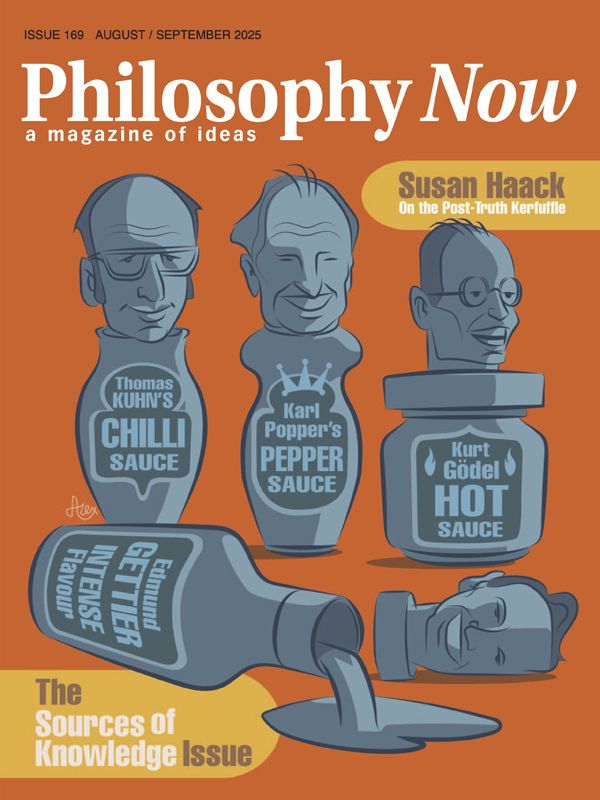
PHILOSOPHY NOW MAGAZINE – AUGUST/SEPTEMBER 2025

PHILOSOPHY NOW MAGAZINE (August 5, 2025): The latest issue features ‘The Sources of Knowledge Issue’

Xuanzang & the Gettier Problem

Maya Koka journeys through the desert to seek knowledge about knowledge.

The Philosophical Method of Exception

Peter Keeble spotlights and critiques a common philosophical technique.

Popper, Science & Democracy

Brian King follows Popper’s idea of the evolution of knowledge, life and society.

Challenging the Objectivity of Science

Sina Mirzaye Shirkoohi observes science to get the facts straight about it.

Gödel, Wittgenstein, & the Limits of Knowledge

Michael D. McGranahan takes us to the edge of language, mathematics and science.

From Perks to Power: The Rise Of The “Hard Tech Era”

By Michael Cummins, Editor, August 4, 2025

Silicon Valley’s golden age once shimmered with the optimism of code and charisma. Engineers built photo-sharing apps and social platforms from dorm rooms that ballooned into glass towers adorned with kombucha taps, nap pods, and unlimited sushi. “Web 2.0” promised more than software—it promised a more connected and collaborative world, powered by open-source idealism and the promise of user-generated magic. For a decade, the region stood as a monument to American exceptionalism, where utopian ideals were monetized at unprecedented speed and scale. The culture was defined by lavish perks, a “rest and vest” mentality, and a political monoculture that leaned heavily on globalist, liberal ideals.

That vision, however intoxicating, has faded. As The New York Times observed in the August 2025 feature “Silicon Valley Is in Its ‘Hard Tech’ Era,” that moment now feels “mostly ancient history.” A cultural and industrial shift has begun—not toward the next app, but toward the very architecture of intelligence itself. Artificial intelligence, advanced compute infrastructure, and geopolitical urgency have ushered in a new era—more austere, centralized, and fraught. This transition from consumer-facing “soft tech” to foundational “hard tech” is more than a technological evolution; it is a profound realignment that is reshaping everything: the internal ethos of the Valley, the spatial logic of its urban core, its relationship to government and regulation, and the ethical scaffolding of the technologies it’s racing to deploy.

The Death of “Rest and Vest” and the Rise of Productivity Monoculture

During the Web 2.0 boom, Silicon Valley resembled a benevolent technocracy of perks and placation. Engineers were famously “paid to do nothing,” as the Times noted, while they waited out their stock options at places like Google and Facebook. Dry cleaning was free, kombucha flowed, and nap pods offered refuge between all-hands meetings and design sprints.

“The low-hanging-fruit era of tech… it just feels over.”
—Sheel Mohnot, venture capitalist

The abundance was made possible by a decade of rock-bottom interest rates, which gave startups like Zume half a billion dollars to revolutionize pizza automation—and investors barely blinked. The entire ecosystem was built on the premise of endless growth and limitless capital, fostering a culture of comfort and a lack of urgency.

But this culture of comfort has collapsed. The mass layoffs of 2022 by companies like Meta and Twitter signaled a stark end to the “rest and vest” dream for many. Venture capital now demands rigor, not whimsy. Soft consumer apps have yielded to infrastructure-scale AI systems that require deep expertise and immense compute. The “easy money” of the 2010s has dried up, replaced by a new focus on tangible, hard-to-build value. This is no longer a game of simply creating a new app; it is a brutal, high-stakes race to build the foundational infrastructure of a new global order.

The human cost of this transformation is real. A Medium analysis describes the rise of the “Silicon Valley Productivity Trap”—a mentality in which engineers are constantly reminded that their worth is linked to output. Optimization is no longer a tool; it’s a creed. “You’re only valuable when producing,” the article warns. The hidden cost is burnout and a loss of spontaneity, as employees internalize the dangerous message that their value is purely transactional. Twenty-percent time, once lauded at Google as a creative sanctuary, has disappeared into performance dashboards and velocity metrics. This mindset, driven by the “growth at all costs” metrics of venture capital, preaches that “faster is better, more is success, and optimization is salvation.”

Yet for an elite few, this shift has brought unprecedented wealth. Freethink coined the term “superstar engineer era,” likening top AI talent to professional athletes. These individuals, fluent in neural architectures and transformer theory, now bounce between OpenAI, Google DeepMind, Microsoft, and Anthropic in deals worth hundreds of millions. The tech founder as cultural icon is no longer the apex. Instead, deep learning specialists—some with no public profiles—command the highest salaries and strategic power. This new model means that founding a startup is no longer the only path to generational wealth. For the majority of the workforce, however, the culture is no longer one of comfort but of intense pressure and a more ruthless meritocracy, where charisma and pitch decks no longer suffice. The new hierarchy is built on demonstrable skill in math, machine learning, and systems engineering.

One AI engineer put it plainly in Wired: “We’re not building a better way to share pictures of our lunch—we’re building the future. And that feels different.” The technical challenges are orders of magnitude more complex, requiring deep expertise and sustained focus. This has, in turn, created a new form of meritocracy, one that is less about networking and more about profound intellectual contributions. The industry has become less forgiving of superficiality and more focused on raw, demonstrable skill.

Hard Tech and the Economics of Concentration

Hard tech is expensive. Building large language models, custom silicon, and global inference infrastructure costs billions—not millions. The barrier to entry is no longer market opportunity; it’s access to GPU clusters and proprietary data lakes. This stark economic reality has shifted the power dynamic away from small, scrappy startups and towards well-capitalized behemoths like Google, Microsoft, and OpenAI. The training of a single cutting-edge large language model can cost over $100 million in compute and data, an astronomical sum that few startups can afford. This has led to an unprecedented level of centralization in an industry that once prided itself on decentralization and open innovation.

The “garage startup”—once sacred—has become largely symbolic. In its place is the “studio model,” where select clusters of elite talent form inside well-capitalized corporations. OpenAI, Google, Meta, and Amazon now function as innovation fortresses: aggregating talent, compute, and contracts behind closed doors. The dream of a 22-year-old founder building the next Facebook in a dorm room has been replaced by a more realistic, and perhaps more sober, vision of seasoned researchers and engineers collaborating within well-funded, corporate-backed labs.

This consolidation is understandable, but it is also a rupture. Silicon Valley once prided itself on decentralization and permissionless innovation. Anyone with an idea could code a revolution. Today, many promising ideas languish without hardware access or platform integration. This concentration of resources and talent creates a new kind of monopoly, where a small number of entities control the foundational technology that will power the future. In a recent MIT Technology Review article, “The AI Super-Giants Are Coming,” experts warn that this consolidation could stifle the kind of independent, experimental research that led to many of the breakthroughs of the past.

And so the question emerges: has hard tech made ambition less democratic? The democratic promise of the internet, where anyone with a good idea could build a platform, is giving way to a new reality where only the well-funded and well-connected can participate in the AI race. This concentration of power raises serious questions about competition, censorship, and the future of open innovation, challenging the very ethos of the industry.

From Libertarianism to Strategic Governance

For decades, Silicon Valley’s politics were guided by an anti-regulatory ethos. “Move fast and break things” wasn’t just a slogan—it was moral certainty. The belief that governments stifled innovation was nearly universal. The long-standing political monoculture leaned heavily on globalist, liberal ideals, viewing national borders and military spending as relics of a bygone era.

“Industries that were once politically incorrect among techies—like defense and weapons development—have become a chic category for investment.”
—Mike Isaac, The New York Times

But AI, with its capacity to displace jobs, concentrate power, and transcend human cognition, has disrupted that certainty. Today, there is a growing recognition that government involvement may be necessary. The emergent “Liberaltarian” position—pro-social liberalism with strategic deregulation—has become the new consensus. A July 2025 forum at The Center for a New American Security titled “Regulating for Advantage” laid out the new philosophy: effective governance, far from being a brake, may be the very lever that ensures American leadership in AI. This is a direct response to the ethical and existential dilemmas posed by advanced AI, problems that Web 2.0 never had to contend with.

Hard tech entrepreneurs are increasingly policy literate. They testify before Congress, help draft legislation, and actively shape the narrative around AI. They see political engagement not as a distraction, but as an imperative to secure a strategic advantage. This stands in stark contrast to Web 2.0 founders who often treated politics as a messy side issue, best avoided. The conversation has moved from a utopian faith in technology to a more sober, strategic discussion about national and corporate interests.

At the legislative level, the shift is evident. The “Protection Against Foreign Adversarial Artificial Intelligence Act of 2025” treats AI platforms as strategic assets akin to nuclear infrastructure. National security budgets have begun to flow into R&D labs once funded solely by venture capital. This has made formerly “politically incorrect” industries like defense and weapons development not only acceptable, but “chic.” Within the conservative movement, factions have split. The “Tech Right” embraces innovation as patriotic duty—critical for countering China and securing digital sovereignty. The “Populist Right,” by contrast, expresses deep unease about surveillance, labor automation, and the elite concentration of power. This internal conflict is a fascinating new force in the national political dialogue.

As Alexandr Wang of Scale AI noted, “This isn’t just about building companies—it’s about who gets to build the future of intelligence.” And increasingly, governments are claiming a seat at that table.

Urban Revival and the Geography of Innovation

Hard tech has reshaped not only corporate culture but geography. During the pandemic, many predicted a death spiral for San Francisco—rising crime, empty offices, and tech workers fleeing to Miami or Austin. They were wrong.

“For something so up in the cloud, A.I. is a very in-person industry.”
—Jasmine Sun, culture writer

The return of hard tech has fueled an urban revival. San Francisco is once again the epicenter of innovation—not for delivery apps, but for artificial general intelligence. Hayes Valley has become “Cerebral Valley,” while the corridor from the Mission District to Potrero Hill is dubbed “The Arena,” where founders clash for supremacy in co-working spaces and hacker houses. A recent report from Mindspace notes that while big tech companies like Meta and Google have scaled back their office footprints, a new wave of AI companies have filled the void. OpenAI and other AI firms have leased over 1.7 million square feet of office space in San Francisco, signaling a strong recovery in a commercial real estate market that was once on the brink.

This in-person resurgence reflects the nature of the work. AI development is unpredictable, serendipitous, and cognitively demanding. The intense, competitive nature of AI development requires constant communication and impromptu collaboration that is difficult to replicate over video calls. Furthermore, the specialized nature of the work has created a tight-knit community of researchers and engineers who want to be physically close to their peers. This has led to the emergence of “hacker houses” and co-working spaces in San Francisco that serve as both living quarters and laboratories, blurring the lines between work and life. The city, with its dense urban fabric and diverse cultural offerings, has become a more attractive environment for this new generation of engineers than the sprawling, suburban campuses of the South Bay.

Yet the city’s realities complicate the narrative. San Francisco faces housing crises, homelessness, and civic discontent. The July 2025 San Francisco Chronicle op-ed, “The AI Boom is Back, But is the City Ready?” asks whether this new gold rush will integrate with local concerns or exacerbate inequality. AI firms, embedded in the city’s social fabric, are no longer insulated by suburban campuses. They share sidewalks, subways, and policy debates with the communities they affect. This proximity may prove either transformative or turbulent—but it cannot be ignored. This urban revival is not just a story of economic recovery, but a complex narrative about the collision of high-stakes technology with the messy realities of city life.

The Ethical Frontier: Innovation’s Moral Reckoning

The stakes of hard tech are not confined to competition or capital. They are existential. AI now performs tasks once reserved for humans—writing, diagnosing, strategizing, creating. And as its capacities grow, so too do the social risks.

“The true test of our technology won’t be in how fast we can innovate, but in how well we can govern it for the benefit of all.”
—Dr. Anjali Sharma, AI ethicist

Job displacement is a top concern. A Brookings Institution study projects that up to 20% of existing roles could be automated within ten years—including not just factory work, but professional services like accounting, journalism, and even law. The transition to “hard tech” is therefore not just an internal corporate story, but a looming crisis for the global workforce. This potential for mass job displacement introduces a host of difficult questions that the “soft tech” era never had to face.

Bias is another hazard. The Algorithmic Justice League highlights how facial recognition algorithms have consistently underperformed for people of color—leading to wrongful arrests and discriminatory outcomes. These are not abstract failures—they’re systems acting unjustly at scale, with real-world consequences. The shift to “hard tech” means that Silicon Valley’s decisions are no longer just affecting consumer habits; they are shaping the very institutions of our society. The industry is being forced to reckon with its power and responsibility in a way it never has before, leading to the rise of new roles like “AI Ethicist” and the formation of internal ethics boards.

Privacy and autonomy are eroding. Large-scale model training often involves scraping public data without consent. AI-generated content is used to personalize content, track behavior, and profile users—often with limited transparency or consent. As AI systems become not just tools but intermediaries between individuals and institutions, they carry immense responsibility and risk.

The problem isn’t merely technical. It’s philosophical. What assumptions are embedded in the systems we scale? Whose values shape the models we train? And how can we ensure that the architects of intelligence reflect the pluralism of the societies they aim to serve? This is the frontier where hard tech meets hard ethics. And the answers will define not just what AI can do—but what it should do.

Conclusion: The Future Is Being Coded

The shift from soft tech to hard tech is a great reordering—not just of Silicon Valley’s business model, but of its purpose. The dorm-room entrepreneur has given way to the policy-engaged research scientist. The social feed has yielded to the transformer model. What was once an ecosystem of playful disruption has become a network of high-stakes institutions shaping labor, governance, and even war.

“The race for artificial intelligence is a race for the future of civilization. The only question is whether the winner will be a democracy or a police state.”
—General Marcus Vance, Director, National AI Council

The defining challenge of the hard tech era is not how much we can innovate—but how wisely we can choose the paths of innovation. Whether AI amplifies inequality or enables equity; whether it consolidates power or redistributes insight; whether it entrenches surveillance or elevates human flourishing—these choices are not inevitable. They are decisions to be made, now. The most profound legacy of this era will be determined by how Silicon Valley and the world at large navigate its complex ethical landscape.

As engineers, policymakers, ethicists, and citizens confront these questions, one truth becomes clear: Silicon Valley is no longer just building apps. It is building the scaffolding of modern civilization. And the story of that civilization—its structure, spirit, and soul—is still being written.

*THIS ESSAY WAS WRITTEN AND EDITED UTILIZING AI
THE NEW YORKER MAGAZINE – AUGUST 11, 2025 PREVIEW

The illustrated cover of the August 11 2025 issue of The New Yorker in which a trans woman poses as the Statue of Liberty.

THE NEW YORKER MAGAZINE: The latest cover features ‘Amy Sherald’s “Trans Forming Liberty” – The art and politics of representation.

The Politics of Fear

As a Presidential candidate, Donald Trump made his world view plain: there was “us” and there was “them.” Once he was in the White House, the fear factor would prevail. By David Remnick

The Pain of Perfectionism

It’s the fault people humblebrag about in job interviews. but psychologists are discovering more and more about the real harm it causes. By Leslie Jamison

The Engines and Empires of New York City Gambling

As plans are laid for a new casino, one can trace, through four figures, a history of rivalry and excess, rife with collisions of character and crime. By Adam Gopnik

A Deep-Dish Dive Into The U.S. Obsession With Pizza

By Michael Cummins, Editor, Intellicurean

We argue over thin crust versus deep-dish, debate the merits of a New York slice versus a Detroit square, and even defend our favorite topping combinations. Pizza is more than just a meal; it’s a cultural cornerstone of American life. Yet, behind this simple, beloved food lies a vast and powerful economic engine—an industry generating tens of billions of dollars annually. This essay explores the dual nature of America’s pizza landscape, a world where tech-driven corporate giants and passionate independent artisans coexist. We will dive into the macroeconomic trends that fuel its growth, the fine-grained struggles of small business owners, and the cultural diversity that makes pizza a definitive pillar of the American culinary experience.

Craft, Community, and the Independent Spirit

The true heart of the pizza industry lies in the human element, particularly within the world of independent pizzerias. While national chains like Domino’s and Pizza Hut rely on standardized processes and massive marketing budgets, local shops thrive on the passion of their owners, the skill of their pizzaiolos, and their deep connection to the community. This dedication to craft is a defining characteristic. For many, like the co-founders of New York City’s Zeno’s Pizza, making pizza is not just a business; it’s a craft rooted in family tradition and personal expertise. This meticulous attention to detail, from sourcing high-quality ingredients to the 48-hour fermentation of their dough, translates directly into a superior and unique product that fosters a fiercely loyal local following.

Running an independent pizzeria is an exercise in juggling passion with the practicalities of business. Owners must navigate the complexities of staffing, operations, and the ever-present pressure of online reviews. One successful owner shared his philosophy on building a strong team: instead of hiring many part-time employees, he created a smaller, dedicated crew with more hours and responsibility. This approach made employees feel more “vested” in the company, leading to higher morale, a greater sense of ownership, and significantly lower turnover in an industry notorious for its transient workforce. Another owner emphasized efficiency through cross-training, teaching every staff member to perform multiple roles from the kitchen to the front counter. This not only ensured smooth operations during peak hours but also empowered employees with new skills, making them more valuable assets to the business.

Customer relationships are equally crucial for independent shops. Instead of fearing negative online feedback, many owners see it as a direct line of communication with their customer base. A common practice is for an owner to insist that customers with a bad experience contact him directly, offering to “make it right” with a new order or a refund. This personal touch builds trust and often turns a negative situation into a positive one, demonstrating how successful independent pizzerias become true community hubs, built on a foundation of trust and personal connection. These businesses are more than just restaurants; they are local institutions that sponsor Little League teams, host fundraisers, and serve as gathering places that strengthen the fabric of their neighborhoods.

Macroeconomic Trends and Profitability

The macroeconomic picture of the pizza industry tells a story of immense scale and consistent growth. The U.S. pizza market alone generates over $46.9 billion in annual sales and is supported by a vast network of more than 75,000 pizzerias. To put that into perspective, the American pizza market is larger than the entire GDP of some small countries. This financial robustness isn’t just impressive on its own; it gains perspective when you realize that pizza holds its own against other major food categories like burgers and sandwiches, often dominating the quick-service restaurant sector. This success is underpinned by a powerful and reliable engine: constant consumer demand.

The U.S. pizza market alone generates over $46.9 billion in annual sales and is supported by a vast network of more than 75,000 pizzerias. — PMQ Pizza Magazine, “Pizza Power Report 2024”

A staggering 13% of Americans eat pizza on any given day, and a significant portion of the population enjoys it at least once a week. This high-frequency demand is driven by a broad and loyal consumer base that spans all demographics, but is particularly strong among younger consumers. For Gen Z and Millennials, pizza’s customizability, shareability, and convenience make it a perfect choice for nearly any occasion, from a quick solo lunch to a communal dinner with friends. The rise of digital ordering platforms and the optimization of delivery logistics have only amplified this demand, making it easier than ever for consumers to satisfy their craving.

The economic viability of a pizzeria is built on a simple yet powerful formula: inherent profitability. The cost of goods sold (COGS) for a pizza is remarkably low compared to many other dishes. The core ingredients—flour, tomatoes, and cheese—are relatively inexpensive commodities. While the quality of these ingredients can vary, the basic ratio of cost to sale price remains highly favorable. This low cost allows operators to achieve high profit margins, even at competitive price points. This profitability is further enhanced by pizza’s versatility. Operators can easily create a vast menu of specialty and premium pies by adding a variety of toppings, from artisanal meats and cheeses to fresh vegetables, all of which can be sold at a higher margin. This flexibility is a key reason why pizzerias are often cited as one of the most profitable types of restaurants to operate, providing a solid foundation for both national chains and independent startups.

Chains vs. Independents and Regional Identity

The enduring appeal of pizza in America is largely due to its remarkable diversity. The concept of “pizza” is not monolithic; it encompasses a wide array of regional styles, each with its own loyal following and distinct characteristics. The great pizza debate often revolves around the choice between thick and thin crusts, from the foldable, iconic New York-style slice to the hearty, inverted layers of a Chicago deep-dish. Other popular styles include the cracker-thin St. Louis-style, known for its Provel cheese blend, and the thick, crispy-edged Detroit-style, which has seen a recent surge in popularity. Each style represents a unique chapter in American food history and reflects the local culture from which it was born.

This diversity is reflected in the market dynamics, characterized by a fascinating duality: the coexistence of powerful national chains and a dense network of independent pizzerias. Dominant chains like Domino’s, with over 7,000 U.S. locations and $9 billion in annual sales, and Pizza Hut, with more than 6,700 locations and $5.6 billion in sales, leverage economies of scale and sophisticated technology to dominate the market. Their success is built on brand recognition, supply chain efficiency, and a focus on seamless digital innovation and rapid delivery.

In contrast, independents thrive by leaning into their unique identity, focusing on high-quality ingredients, traditional techniques, and a strong connection to their local communities. This dynamic is particularly evident in cities with rich pizza histories. In New York, the independent scene is a constellation of legendary establishments, from the historical Lombardi’s in Little Italy—often credited as America’s first pizzeria—to modern classics like Joe’s Pizza in Greenwich Village and L&B Spumoni Gardens in Brooklyn. These shops are not just restaurants; they are destinations. Chicago’s famous deep-dish culture is built on a foundation of iconic independent pizzerias like Lou Malnati’s and Giordano’s, which have since grown into regional chains but maintain a local identity forged by decades of tradition. Similarly, Detroit’s burgeoning pizza scene is defined by beloved institutions such as Buddy’s Pizza and Loui’s Pizza, which were instrumental in popularizing the city’s unique rectangular, thick-crust style. These places represent the soul of their cities, each telling a unique story through their distinctive pies.

The Fine-Grained Economics of a New York Slice

While the national picture is one of robust growth, the hyper-local reality, especially in a city like New York, is a constant battle for survival. As the owners of Zeno’s Pizza shared on the Bloomberg “Odd Lots” podcast, they saw an opportunity to open their new shop in a “pizza desert” in Midtown East after the pandemic forced many established places to close. They recognized that while the East Village is a “knife fight” of competition with pizzerias on every block, their location was a green space for a new business. This kind of strategic thinking is essential for anyone trying to enter the market.

The initial capital investment for a new pizzeria is a daunting obstacle. As discussed on the podcast, the Zeno’s team noted that a 1,000-square-foot quick-serve restaurant requires a minimum of $400,000, and more likely $500,000 to $600,000, in working capital before the doors can even open. Much of this goes to costly, specialized equipment: a single pizza oven can cost anywhere from $32,000 and is now up to $45,000, and a commercial cheese shredder can run $5,000. Beyond the equipment, the build-out costs are substantial, including commercial-grade plumbing, electrical work, specialized ventilation systems, and a multitude of city permits. These expenses, along with supply chain issues that led to back-ordered equipment and construction delays, mean the payback period for a restaurant has stretched from a pre-COVID average of 18 months to a new normal of three years.

The historic rule of thumb for a pizzeria’s cost structure was a balanced 30/30/30/10 split—30% for fixed costs (rent, utilities), 30% for labor, 30% for food costs, and a 10% profit margin. Today, that model has been shattered. — Bloomberg’s ‘Odd Lots’ podcast

Pizza’s profitability, while historically strong, is also under immense pressure. The historic rule of thumb for a pizzeria’s cost structure was a balanced 30/30/30/10 split—30% for fixed costs (rent, utilities), 30% for labor, 30% for food costs, and a 10% profit margin. Today, that model has been shattered. Labor costs, for example, have ballooned to 45% of a restaurant’s budget due to rising minimum wages and a tight labor market, while insurance premiums have climbed by 20-30%. This leaves very little room for a profit margin, forcing owners to find creative solutions to survive.

To counter these rising costs, pizzerias are being forced to innovate their business models. The Zeno’s co-founders noted that they are now pushing their prices higher to a premium product segment, relying on fresh, high-quality ingredients and a meticulous process like a 48-hour dough fermentation that makes the pizza healthier and less heavy. This strategy allows them to justify a higher price point to a discerning customer base. They also actively seek new sales by cold-calling companies for catering orders, a crucial part of their business that offers a higher ticket price and a predictable revenue stream.

The increasing use of third-party delivery services adds another layer of complexity to the financial landscape. While these platforms offer a wider reach, they take a significant cut, often charging up to 20%, plus additional fees for delivery. To make this work, pizzerias are forced to list prices on these platforms that are 15% higher than their in-house menu. The owners noted that the post-pandemic cap on these fees is expiring, which will place even more pressure on an already-tight profit margin. The decision to partner with these services becomes a difficult trade-off between increased exposure and reduced profitability.

Conclusion: A Lasting Legacy for America’s Favorite Food

The story of pizza in America is a compelling narrative of resilience, innovation, and cultural integration. It is a tale of a massive, multi-billion-dollar industry that thrives on both the hyper-efficient, tech-driven operations of its largest chains and the passion-fueled, community-centric efforts of its independent artisans.

Will this obsession last? All evidence points to a resounding yes. Pizza is not a fleeting trend; it is a fundamental part of the American diet and cultural landscape. Its unique ability to be a family meal, a late-night snack, a celebratory dish, and an affordable comfort food ensures its enduring relevance. The industry’s financial robustness, driven by constant consumer demand and inherent profitability, provides a sturdy foundation for its future.

So, how will the pizza category keep reinvigorating itself? By continually adapting and reflecting the evolving tastes of the public. This reinvigoration will come from multiple fronts:

  • Regional Innovation: The discovery and popularization of new regional styles, like the recent surge in Detroit-style pizza, will continue to capture the public’s imagination.
  • Creative Toppings: As palates become more sophisticated, chefs will experiment with bolder, more diverse ingredients, pushing the boundaries of what a “pizza” can be.
  • Technological Integration: The adoption of cutting-edge technology will continue to streamline operations, enhance delivery logistics, and provide new, seamless ordering experiences.
  • The Artisanal Revival: The push for high-quality, artisanal products and a return to traditional techniques by independent pizzerias will offer a crucial counterpoint to the efficiency of the national chains, ensuring that pizza remains a craft as well as a commodity.

The challenges of rising costs and competitive pressures are real, but the industry has proven its ability to adapt and thrive. The story of pizza in America reminds us that a business can still thrive on a foundation of passion and community. It’s a timeless testament to the power of a simple, delicious idea—one that will continue to unite and divide us, slice by delicious slice.

This essay was written and edited utilizing AI

LITERARY REVIEW – AUGUST 2025 NEW BOOKS PREVIEW

LITERARY REVIEW (August 2, 2025): The latest issue features ‘Mark Twain’s American Odyssey’…

The Bard & the Builders: The Dream Factory: London’s First Playhouse and the Making of William Shakespeare By Daniel Swift

Hannibal’s Lament: Carthage: A New History of an Ancient Empire By Eve MacDonald

Colosseum Confidential: Those Who Are About to Die: Gladiators and the Roman Mind By Harry Sidebottom

BARRON’S MAGAZINE – AUGUST 4, 2025 PREVIEW

BARRON’S MAGAZINE: The latest issue features ‘Remaking The Fed’ – Trump Will Remake the Fed. Lower Rates Are Just the Start.

Trump Will Remake the Fed. Lower Rates Are Just the Start.

A bubbling movement to overhaul the Fed is ready to seize the moment. Big changes are in store for the central bank.

Stagflation Is Coming. Don’t Blame the Fed—Blame Tariffs.

Randall W. Forsyth

M&A Is Back. These Stocks Could Be Targets.

Dealmaking is in style again under President Donald Trump. Potential takeover targets include C3.ai, Viking Therapeutics, and Lyft.

Trump Tariffs Are Here. The Road Ahead Still Isn’t Clear.

Even the most fleshed-out trade pacts are light on details, and in some cases there are different interpretations of what was agreed upon.

THE ECONOMIST MAGAZINE – AUGUST 2, 2025 PREVIEW

THE ECONOMIST MAGAZINE: The latest issue features Greenlash‘ –

The climate needs a politics of the possible

To win voters’ consent, policymakers must offer pragmatism and hope

What opponents of the EU-US trade deal get wrong

Internal reform matters more than external trade

America is easing chip-export controls at exactly the wrong time

The ban on sales to China was working, and should be kept in place

Essay: The Corporate Contamination of American Healthcare

By Michael Cummins, Editor, Intellicurean, August 1, 2025

American healthcare wasn’t always synonymous with bankruptcy, bureaucracy, and corporate betrayal. In its formative years, before mergers and market forces reshaped the landscape, the United States relied on a patchwork of community hospitals, charitable clinics, and physician-run practices. The core mission, though unevenly fulfilled, was simply healing. Institutions often arose from religious benevolence or civic generosity, guided by mottos like “Caring for the Community” or “Service Above Self.” Medicine, while never entirely immune to power or prejudice, remained tethered to the idea that suffering shouldn’t be monetized. Doctors frequently knew their patients personally, treating entire families across generations, with decisions driven primarily by clinical judgment and the patient’s best interest, not by algorithms from third-party payers.

Indeed, in the 1950s, 60s, and 70s, independent physicians took pride in their ability to manage patient care holistically. They actively strove to keep patients out of emergency rooms and hospitals through diligent preventative care and timely office-based interventions. During this era, patients generally held their physicians in high esteem, readily accepting medical recommendations and taking personal responsibility for following through on advice, fostering a collaborative model of care. This foundational ethos, though romanticized in retrospect, represented a clear distinction from the profit-driven machine it would become.

But this premise was systematically dismantled—not through a single malicious act, but via incremental policies that progressively tilted the axis from service to sale. The Health Maintenance Organization (HMO) Act of 1973, for instance, championed by the Nixon administration with the stated aim of curbing spiraling costs, became a pivotal gateway for private interests. It incentivized the creation of managed care organizations, promising efficiency through competition and integrated services. Managed care was born, and with it, the quiet, insidious assumption that competition, a force lauded in other economic sectors, would somehow produce compassion in healthcare.

It was a false promise, a Trojan horse for commercialization. This shift led to a strained patient-physician relationship today, contrasting sharply with earlier decades. Modern interactions are often characterized by anxiety and distrust, with the “AI-enabled patient,” frequently misinformed by online data, questioning their doctor’s expertise and demanding expensive, potentially unnecessary treatments. “A little bit of knowledge is a dangerous thing. Drink deep, or taste not the Pierian spring,” as Alexander Pope observed in “An Essay on Criticism” in 1711. Worse still, many express an unwillingness to pay for these services, often accumulating uncollectible debt that shifts the financial burden elsewhere.

Profit Motive vs. Patient Care: The Ethical Abyss Deepens

Within this recoding of medicine, ethical imperatives have been warped into financial stratagems, creating an ethical abyss that compromises the very essence of patient care. In boardrooms far removed from the sickbed, executives, often without medical training, debate the cost-benefit ratios of compassion. The pursuit of “efficiency” and “value” in these settings often translates directly into cost-cutting measures that harm patient outcomes and demoralize medical professionals. The scope of this problem is vast: total U.S. healthcare spending exceeded $4.5 trillion in 2022, representing over 17% of the nation’s GDP, far higher than in any other developed country.

“American healthcare has been able to turn acute health and medical conditions into a monetizable chronic condition.” (The editor of Intellicurean)

Insurance companies—not medical professionals—routinely determine what qualifies as “essential” medical care. Their coverage decisions are often based on complex algorithms designed to minimize payouts and maximize profits, rather than clinical efficacy. Denials are issued algorithmically, often with minimal human review. For instance, a 2023 study by the Kaiser Family Foundation revealed that private insurers deny an average of 17% of in-network claims, translating to hundreds of millions of denials annually. These aren’t minor rejections; they often involve critical surgeries, life-saving medications, or extended therapies.

Appeals become Kafkaesque rituals of delay, requiring patients, often already sick and vulnerable, to navigate labyrinthine bureaucratic processes involving endless phone calls, mountains of paperwork, and protracted legal battles. For many patients, the options are cruelly binary: accept substandard or insufficient care, or descend into crippling medical debt by paying out-of-pocket for treatments deemed “non-essential” by a corporate entity. The burden of this system is vast: a 2023 KFF report found that medical debt in the U.S. totals over $140 billion, with millions of people owing more than $5,000.

Another significant burden on the system comes from patients requiring expensive treatments that, while medically necessary, drive up costs. Insurance companies may cover these treatments, but the cost is often passed on to other enrollees through increased premiums. This creates a cross-subsidization that raises the price of healthcare for everyone, even for the healthiest individuals, further fueling the cycle of rising costs. This challenge is further complicated by the haunting specter of an aging population. While spending in the last 12 months of life accounts for an estimated 8.5% to 13% of total US medical spending, for Medicare specifically, the number can be as high as 25-30% of total spending. A significant portion of this is concentrated in the last six months, with some research suggesting nearly 40% of all end-of-life costs are expended in the final month. These costs aren’t necessarily “wasteful,” as they reflect the intense care needed for individuals with multiple chronic conditions, but they represent a massive financial burden on a system already straining under corporate pressures.

“The concentration of medical spending in the final months of life is not just a statistical anomaly; it is the ultimate moral test of a system that has been engineered for profit, not for people.” (Dr. Samuel Chen, Director of Bioethics at the National Institute for Public Health)

The ethical abyss is further widened by a monumental public health crisis: the obesity epidemic. The Centers for Disease Control and Prevention (CDC) reports that over 40% of American adults are obese, a condition directly linked to an array of chronic, expensive, and life-shortening ailments. This isn’t just a lifestyle issue; it’s a systemic burden that strains the entire healthcare infrastructure. The economic fallout is staggering, with direct medical costs for obesity-related conditions estimated to be $173 billion annually (as of 2019 data), representing over 11% of U.S. medical expenditures.

“We’ve created a perverse market where the healthier a population gets, the less profitable the system becomes. The obesity epidemic is a perfect storm for this model: a source of endless, monetizable illness.” (Dr. Eleanor Vance, an epidemiologist at the Institute for Chronic Disease Studies)

While the healthcare industry monetizes these chronic conditions, a true public health-focused system would prioritize aggressive, well-funded preventative care, nutritional education, and community wellness programs. Instead, the current system is engineered to manage symptoms rather than address root causes, turning a public health emergency into a profitable, perpetual business model. This same dynamic applies to other major public health scourges, from alcohol and substance use disorders to the widespread consumption of junk food. The treatment for these issues—whether through long-term addiction programs, liver transplants, or bariatric surgery—generates immense revenue for hospitals, clinics, and pharmaceutical companies. The combined economic cost of alcohol and drug misuse is estimated to be over $740 billion annually, according to data from the National Institutes of Health.

The food and beverage industry, in turn, heavily lobbies against public health initiatives like soda taxes or clear nutritional labeling, ensuring that the source of the problem remains profitable. The cycle is self-sustaining: corporations profit from the products that cause illness, and then the healthcare system profits from treating the resulting chronic conditions. These delays aren’t accidents; they’re operational strategies designed to safeguard margins.

Efficiency in this ecosystem isn’t measured by patient recovery times or improved health metrics but by reduced payouts and increased administrative hurdles that deter claims. The longer a claim is delayed, the more likely a patient might give up, or their condition might worsen to the point where the original “essential” treatment is no longer viable, thereby absolving the insurer of payment. This creates a perverse incentive structure where the healthier a population is, and the less care they use, the more profitable the insurance company becomes, leading to a system fundamentally at odds with public well-being.

Hospitals, once symbols of community care, now operate under severe investor mandates, pressuring staff to increase patient throughput, shorten lengths of stay, and maximize billable services. Counseling, preventive care, and even the dignified, compassionate end-of-life discussions that are crucial to humane care are often recast as financial liabilities, as they don’t generate sufficient “revenue per minute.” Procedures are streamlined not for optimal medical necessity or patient comfort but for profitability and rapid turnover. This relentless drive for volume can compromise patient safety. The consequences are especially dire in rural communities, which often serve older, poorer populations with higher rates of chronic conditions.

Private equity acquisitions, in particular, often lead to closures, layoffs, and “consolidations” that leave entire regions underserved, forcing residents to travel vast distances for basic emergency or specialty care. According to data from the American Hospital Association, over 150 rural hospitals have closed since 2010, many after being acquired by private equity firms, which have invested more than $750 billion in healthcare since 2010 (according to PitchBook data), leaving millions of Americans in “healthcare deserts.”

“Private equity firms pile up massive debt on their investment targets and… bleed these enterprises with assorted fees and dividends for themselves.” (Laura Katz Olson, in Ethically Challenged: How Private Equity Firms Are Impacting American Health Care)

The metaphor is clinical: corporate entities are effectively hemorrhaging the very institutions they were meant to sustain, extracting capital while deteriorating services. Olson further details how this model often leads to reduced nurse-to-patient ratios, cuts in essential support staff, and delays in equipment maintenance, directly compromising patient safety and quality of care. This “financial engineering” transforms a vital public service into a mere asset to be stripped for parts.

Pharmaceutical companies sharpen the blade further. Drugs like insulin—costing mere dollars to produce (estimates place the manufacturing cost for a vial of insulin at around $2-$4)—are sold for hundreds, and sometimes thousands, of dollars per vial in the U.S. These exorbitant prices are shielded by a labyrinth of evergreening patents, aggressive lobbying, and strategic maneuvers to suppress generic competition. Epinephrine auto-injectors (EpiPens), indispensable and time-sensitive for severe allergic reactions, similarly became emblematic of this greed, with prices skyrocketing by over 400% in less than a decade, from around $100 in 2009 to over $600 by 2016. Monopoly pricing isn’t just unethical—it’s lethal, forcing patients to ration life-saving medication, often with fatal consequences.

“The U.S. pays significantly more for prescription drugs than other high-income countries, largely due to a lack of government negotiation power and weaker price regulations.” (A Commonwealth Fund analysis)

This absence of negotiation power allows pharmaceutical companies to dictate prices, viewing illnesses as guaranteed revenue streams. The global pharmaceutical market is a massive enterprise, with the U.S. alone accounting for over 40% of global drug spending, highlighting the industry’s immense financial power within the country.

Meanwhile, physicians battle burnout at rates previously unimaginable, a crisis that predates but was exacerbated by recent global health challenges. But the affliction isn’t just emotional; it’s systemic.

“The healthcare system contributes to physician suffering and provides recommendations for improving the culture of medicine.” (Dimitrios Tsatiris, in his 2025 book, Healthcare Is Killing Me: Burnout and Moral Injury in the Age of Corporate Medicine)

Tsatiris highlights how administrative burdens—such as endless electronic health record (EHR) documentation, pre-authorization requirements, and quality metrics that often feel detached from actual patient care—consume up to half of a physician’s workday. The culture, as it stands, is one of metrics, audits, and profound moral dissonance, where doctors feel increasingly alienated from their core mission of healing.

This moral dissonance is compounded by the ever-present threat of malpractice litigation. Today’s physician is often criticized for sending too many patients to the emergency room, perceived as an unnecessary cost driver. However, the alternative is fraught with peril: in the event they don’t send a patient to the ER and a severe outcome occurs, they can be sued and held personally liable, driving up malpractice insurance premiums and fostering a culture of defensive medicine. This creates a perverse incentive to err on the side of caution—and higher costs—even when clinical judgment might suggest a less aggressive, or more localized, approach.

Doctors are punished for caring too much, for spending extra minutes with a distressed patient when those minutes aren’t billable. Nurses are punished for caring too long, forced to oversee overwhelming patient loads due to understaffing. The clinical encounter, once sacred and unhurried, has been disfigured into a race against time and billing software, reducing human interaction to a series of data entries. This systemic pressure ultimately compromises the quality of care and the well-being of those dedicated to providing it.

The Missing Half of the Equation: Patient Accountability

The critique of corporate influence, however, cannot absolve the patient of their role in this crisis. A sustainable and ethical healthcare system requires a reciprocal relationship between providers and recipients of care. While the system is engineered to profit from illness, the choices of individuals can either fuel this machine or actively work against it. This introduces a critical and often uncomfortable question: where does personal responsibility fit into a system designed to treat, not prevent, disease?

The most significant financial and physical burdens on the American healthcare system are a direct result of preventable chronic conditions. The obesity epidemic, for instance, is not just a statistical anomaly; it is a profound failure of both a profit-driven food industry and a culture that has de-emphasized personal well-being. A system that must manage the downstream effects of sedentary lifestyles, poor nutrition, and substance abuse is inherently overstretched. While the system profits from treating these conditions, the individual’s choices contribute to the collective cost burden for everyone through higher premiums and taxes. A true reformation of healthcare must therefore be a cultural one, where individuals are empowered and incentivized to engage in self-care as a civic duty.

Preventative care is often framed as an action taken in a doctor’s office—a check-up, a screening, a vaccination. But the most impactful preventative care happens outside of the clinic. It is in the daily choices of diet, exercise, stress management, and sleep. A reformed system could and should champion this type of self-care. It would actively promote nutritional education and community wellness programs, recognizing that these are not “extras” but essential, cost-saving interventions.

“Patients bear a moral and practical responsibility for their own health through lifestyle choices. By engaging in preventative care and healthy living, they not only improve their personal well-being but also act as a crucial partner in the stewardship of finite healthcare resources. A just system of care must therefore recognize and support this partnership by making treatment accessible through means-based financial responsibility, ensuring that necessary care is never a luxury, but rather a right earned through shared commitment to health.” (From reviews of publications like the AMA Journal of Ethics, as cited by Intellicurean)

This approach would reintroduce a sense of shared responsibility, where patients are not just passive consumers but active participants in their own health journey and the health of the community. This is not about blaming the sick; it’s about building a sustainable and equitable system where every member plays a part.

A System of Contradictions: Advanced Technology, Primitive Access

American healthcare boasts unparalleled technological triumphs: robotic surgeries, groundbreaking gene therapies, AI-driven diagnostics, and personalized medicine that seemed like science fiction just a decade ago. And yet, for all its dazzling innovation, it remains the most inaccessible system among wealthy nations. This isn’t a paradox—it’s a stark, brutal contradiction rooted in profiteering, a testament to a system that prioritizes cutting-edge procedures for a few over basic access for all.

Millions remain uninsured. Even with the Affordable Care Act (ACA), approximately 26 million Americans remained uninsured in 2023, representing 8% of the population, according to the U.S. Census Bureau. Millions more endure insurance plans so riddled with exclusions, high deductibles, and narrow networks that coverage is, at best, illusory—often referred to as “junk plans.” For these individuals, a single emergency room visit can summon financial ruin.

The Commonwealth Fund’s 2024 report, “The Burden of Health Care Costs on U.S. Families,” found that nearly half of U.S. adults (49%) reported difficulty affording healthcare costs in the past year, with 29% saying they skipped or delayed care due to cost. This isn’t the failure of medical science or individual responsibility; it’s the direct consequence of policy engineered for corporate profit, where profit margins are prioritized over public health and economic stability.

“Patients being saddled with high bills, less accessible health care.” (Center for American Progress, in its September 2024 report “5 Ways Project 2025 Puts Profits Over Patients”)

The statistics are blunt, but the human toll is brutal—families delaying crucial preventative screenings, rationing life-sustaining medications, and foregoing necessary doctor visits. This forced delay or avoidance of care exacerbates chronic conditions, leads to more severe acute episodes, and ultimately drives up overall healthcare costs as untreated conditions become emergencies.

The marketplace offers these “junk” plans—low-premium, high-deductible insurance packages that cover little and confuse much. They are often marketed aggressively, sold with patriotic packaging and exploiting regulatory loopholes, but they deliver little beyond financial instability and false security. These plans disproportionately affect lower-income individuals and communities of color, who are often steered towards them as their only “affordable” option.

For instance, Black and Hispanic adults are significantly more likely to report medical debt than their White counterparts, even when insured. A 2022 study published in JAMA Network Open found that Black adults were 50% more likely to hold medical debt than White adults, and Hispanic adults were 30% more likely. This disparity reflects deeper systemic inequities, where a profit-driven system exacerbates existing racial and economic injustices.

Core public health services—mental health, maternal care, chronic disease management, and preventative care—receive paltry funding and are consistently difficult to access unless they are highly monetizable. The economic logic is ruthless: if a service doesn’t generate significant revenue, it doesn’t merit substantial corporate investment. This creates a fragmented system where crisis intervention is prioritized over holistic well-being, leading to a mental health crisis, rising maternal mortality rates (especially among Black women, who are 2.6 times more likely to die from pregnancy-related causes than White women), and uncontrolled epidemics of chronic diseases like diabetes and heart disease.

Even public institutions like the Centers for Disease Control and Prevention (CDC) and the Food and Drug Administration (FDA), once considered bastions of scientific authority and public trust, have seen their credibility questioned. The decline isn’t a function of conspiracy or scientific incompetence—it’s the direct consequence of their proximity to, and perceived capture by, corporate interests. Pharmaceutical lobbyists heavily influence drug approval timelines and post-market surveillance. Political appointees, often with ties to industry, dilute public health messaging or prioritize economic considerations over scientific consensus. The suspicion is earned, and it undermines the very infrastructure of collective health protection.

“Forced to devote substantial time and resources to clear insurer-imposed administrative hurdles, physicians feel powerless and wholly unable to provide patients with timely access to evidence-based care.” (Dr. Jack Resneck Jr., MD, former President of the American Medical Association (AMA))

The physician’s lament crystallizes the crisis. This reflects a profound loss of professional autonomy and moral injury among those dedicated to healing. Medicine is no longer a nuanced conversation between expert and patient—it is a transaction administered by portal, by code, by pre-authorization, stripping away the human connection that is vital to true care.

The Rising Resistance: Reclaiming the Soul of Medicine

Yet even amid this profound disillusionment and systemic capture, resistance blooms. Physicians, nurses, activists, policy architects, and millions of ordinary Americans have begun to reclaim healthcare’s moral foundation. Their campaign isn’t merely legislative or economic—it’s existential, a fight for the very soul of the nation’s commitment to its people.

Grassroots organizations like Physicians for a National Health Program (PNHP) and Public Citizen are at the forefront, vigorously arguing for a publicly funded, universally accessible system. Their premise isn’t utopian but ethical and pragmatic: health is a fundamental human right, not a commodity to be bought or a reward for economic success. They point out the immense administrative waste inherent in the current multi-payer system, where billions are spent on billing, marketing, and claims processing rather than direct patient care.

A 2020 study published in the Annals of Internal Medicine estimated that U.S. administrative healthcare costs amounted to $812 billion in 2017, representing 34% of total healthcare expenditures, significantly higher than in comparable countries with universal systems. This staggering figure represents money siphoned away from nurses’ salaries, vital equipment, and preventative programs, disappearing into the bureaucratic machinery of profit.

Nursing unions have emerged as fierce and indispensable advocates for patient safety, pushing for legally mandated staffing ratios, equitable compensation, and genuinely patient-centered care. They understand that burnout isn’t an individual failure but an institutional betrayal, a direct result of corporate decisions to cut corners and maximize profits by overloading their frontline workers. Their strikes and advocacy efforts highlight the direct link between safe staffing and patient outcomes, forcing a public conversation about the true cost of “efficiency.”

“A unified system run by health care professionals—not politicians or commercial insurers—that offers universal coverage and access.” (Gilead I. Lancaster, in his 2023 book, Building a Unified American Health Care System: A Blueprint for Comprehensive Reform)

Lancaster’s blueprint provides a detailed roadmap for a system that puts medical expertise and public health at its core, stripping away the layers of financial intermediation that currently obfuscate and obstruct care.

The Medicare for All proposal, while polarizing in mainstream political discourse, continues to gain significant traction among younger voters, disillusioned professionals, and those who have personally suffered under the current system. It promises to erase premiums, eliminate deductibles and co-pays, and expand comprehensive access to all medically necessary services for every American. Predictably, it faces ferocious and well-funded opposition from the entrenched healthcare industry—an industry that spends staggering sums annually on lobbying. According to OpenSecrets, the healthcare sector (including pharmaceuticals, health services, and insurance) spent over $675 million on federal lobbying in 2024 alone, deploying an army of lobbyists to protect their vested interests and sow doubt about single-payer alternatives.

Terms like “government takeover” and “loss of choice” pollute the public discourse, weaponized by industry-funded campaigns. But what “choice” do most Americans actually possess? The “choice” between financial ruin from an unexpected illness or delaying life-saving care isn’t liberty—it’s coercion masked as autonomy, a perverse redefinition of freedom. For the millions who face medical debt, unaffordable premiums, or simply lack access to specialists, “choice” is a cruel joke.

The resistance is deeply philosophical. Reformers seek to restore medicine as a vocation—an act of trust, empathy, and collective responsibility—rather than merely a transaction. They reference global models: Canada’s single-payer system, the UK’s National Health Service, France’s universal coverage, Germany’s multi-payer but non-profit-driven system. These systems consistently offer better health outcomes, lower per-capita costs, and vastly fewer financial surprises for their citizens. For instance, the U.S. spends roughly $13,490 per person on healthcare annually, nearly double the average of other high-income countries, which spend an average of $6,800 per person (according to the OECD). This stark contrast provides irrefutable evidence that the U.S. system’s astronomical cost isn’t buying better health, but rather fueling corporate profits.

The evidence is not in dispute. The question, increasingly, is whether Americans will finally demand a different social contract, one that prioritizes health and human dignity over corporate wealth.

The Path Forward: A New Social Contract

The corporate contamination of American healthcare isn’t an organic evolution; it’s engineered—through decades of deliberate policy decisions, regulatory capture, and a dominant ideology that privileged profit over people. This system was built, brick by brick, by powerful interests who saw an opportunity for immense wealth in the vulnerabilities of the sick. And systems that are built can, with collective will and sustained effort, be dismantled and rebuilt.

But dismantling isn’t demolition; it’s reconstruction—brick by ethical brick. It requires a profound reimagining of what healthcare is meant to be in a just society. Healthcare must cease to be a battleground between capital and care. It must become a sanctuary—a fundamental social commitment embedded in the national psyche, recognized as a public good, much like education or clean water. This commitment necessitates a radical reorientation of values within the system itself.

This will require bold, transformative legislation: a fundamental redesign of funding models, payment systems, and institutional accountability. This includes moving towards a single-payer financing system, robust price controls on pharmaceuticals, stringent regulations on insurance companies, and a re-evaluation of private equity’s role in essential services.

As editor of Intellicurean, I propose an innovative approach: establishing new types of “healthcare cash accounts,” specifically designated and utilizable only for approved sources of preventative care. These accounts could be funded directly by a combination of tax credits from filed tax returns and a tax on “for-profit” medical system owners and operators, health insurance companies, pharmaceutical companies, publicly held food companies, and a .05% tax on billionaires and other sources.

These accounts could be administered and accounted for by approved banks or fiduciary entities, ensuring transparency and appropriate use of funds. Oversight could be further provided by an independent review board composed of diverse stakeholders, including doctors, clinicians, and patient advocates, ensuring funds are directed towards evidence-based wellness initiatives rather than profit centers.

As a concrete commitment to widespread preventative health, all approved accountholders, particularly those identified with common deficiencies, could also be provided with essential, evidence-backed healthy supplements such as Vitamin D, and where appropriate, a combination of Folic Acid and Vitamin B-12, free of charge. This initiative recognizes the low cost and profound impact of these foundational nutrients on overall well-being, neurological health, and disease prevention, demonstrating a system that truly invests in keeping people healthy rather than simply treating illness.

Americans must shed the pervasive consumerist lens through which healthcare is currently viewed. Health isn’t merely a product or a service to be purchased; it’s a shared inheritance, intrinsically linked to the air we breathe, the communities we inhabit, and the equity we extend to one another. We must affirm that our individual well-being is inextricably tethered to our neighbor’s—that human dignity isn’t distributable by income bracket or insurance plan, but is inherent to every person. This means fostering a culture of collective responsibility, where preventative care for all is understood as a collective investment, and illness anywhere is recognized as a concern for everyone.

The path forward isn’t utopian; it’s political, and above all, moral. It demands courage from policymakers to resist powerful lobbies and courage from citizens to demand a system that truly serves them. Incrementalism, in the face of such profound systemic failure, has become inertia, merely postponing the inevitable reckoning. To wait is to watch the suffering deepen, the medical debt mount, and the ethical abyss widen. To act is to restore the sacred covenant between healer and healed.

The final question is not one of abstract spirituality, but of political will. The American healthcare system, with its unparalleled resources and cutting-edge innovations, has been deliberately engineered to serve corporate interests over public health. Reclaiming it will require a sustained, collective effort to dismantle the engine of profiteering and build a new social contract—one that recognizes health as a fundamental right, not a commodity.

This is a battle that will define the character of our society: whether we choose to continue to subsidize greed or to finally invest in a future where compassion and care are the true measures of our progress.

THIS ESSAY WAS WRITTEN AND EDITED BY MICHAEL CUMMINS UTILIZING AI

HARPER’S MAGAZINE – AUGUST 2025 PREVIEW

HARPER’S MAGAZINE: The latest issue features ‘Playing Dead Or Really Dead?’ – The Democrats’ Disappearing Act…

Playing Dead

Do the Democrats really want reform? by Andrew Cockburn

Your Face Tomorrow

The puzzle of AI facial recognition by Michael W. Clune

Debt Reckoning

Has the Treasury market started to crack? by Mary Childs