
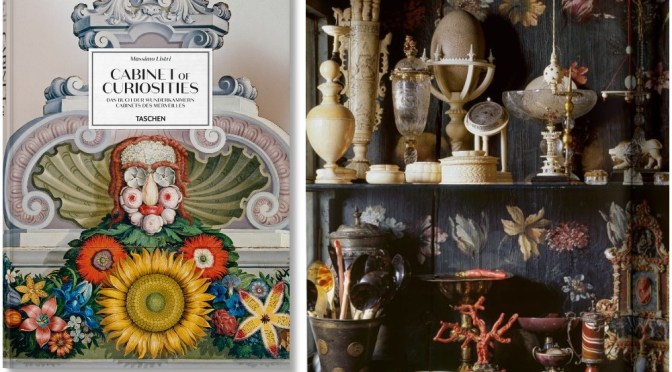
From the Grand Duke Francesco I de’ Medici and Holy Roman Emperor Rudolf II to Archduke Ferdinand II of Habsburg, these aristocratic virtuosos acquired, selected, and displayed the objects in real-life catalogues that represented the entire world—spanning architecture, interior design, painting, sculpture, gemology, geology, botany, biology and taxonomy, astrology, alchemy, anthropology, ethnography, and history.
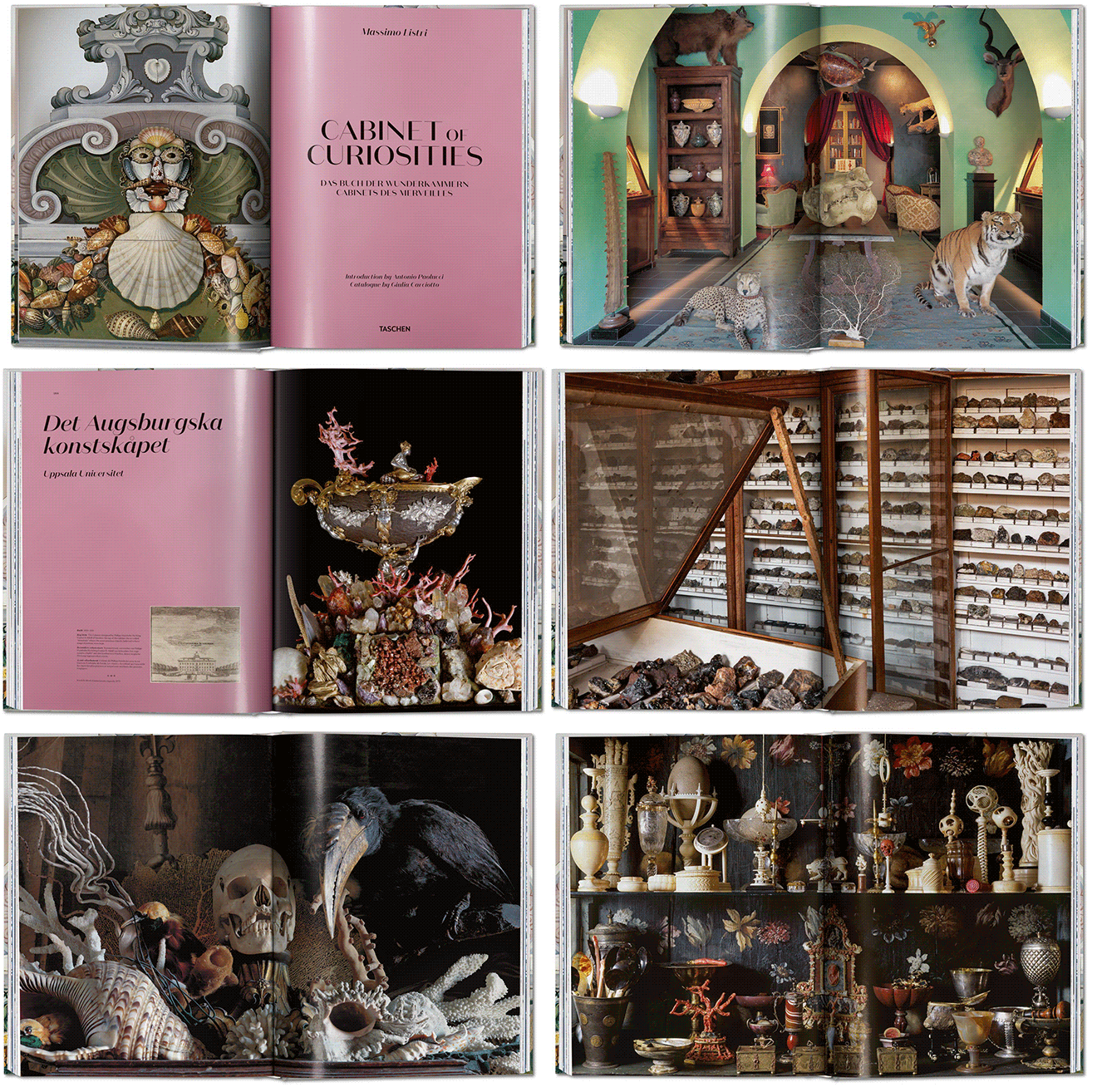
The Wunderkammer, or “cabinet of curiosities,” saw collectors gathering objects from many strands of artistic, scientific, and intellectual endeavor, in an ambitious attempt to encompass all of humankind’s knowledge in a single room.
These marvelous cabinets of curiosities can now be explored by all in this XXL collection. To realize this mammoth undertaking, Massimo Listri traveled to seven European countries over several decades; the result is a set of gorgeous photographs, an authoritative yet accessible introduction, and detailed commentary on each of the 19 chambers highlighting the most remarkable items in each collection. Discover how these timeless treasures both describe and defined civilization, the modern concept of the museum, and our very knowledge of the universe.
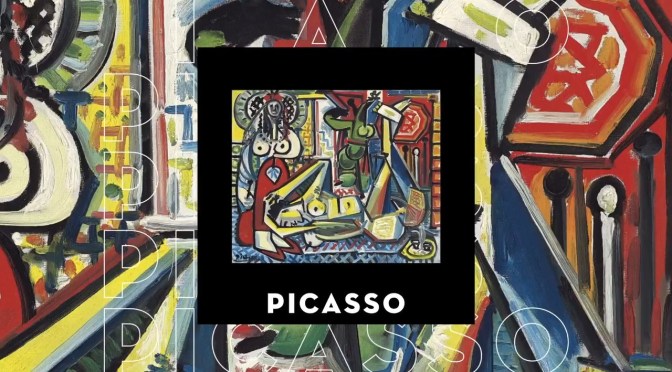
 Between 13 December 1954 and 14 February 1955, Picasso painted a series of fifteen canvases based on Eugène Delacroix’s masterwork Les femmes d’Alger, each of which he assigned an identifying letter from A to O. Together, these paintings constitute Picasso’s single greatest achievement in the decades following the end of the Second World War. They represent his first comprehensive appropriation and thoroughgoing exploration of an important painting by an earlier artist, as well as the most focused analysis he had done since the war years of the female figure set within a specific spatial environment.
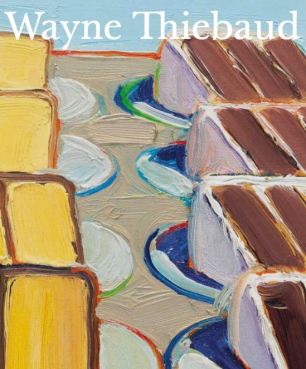 One of the largest canvases from Thiebaud’s groundbreaking early period, it depicts a row of arcade machines, decorated in a vibrant mix of oranges and yellows…With their foreshortened bodies, the machines press towards the picture plane like the cakes and hot dogs in Thiebaud’s other works, inviting the viewer to reach in and taste.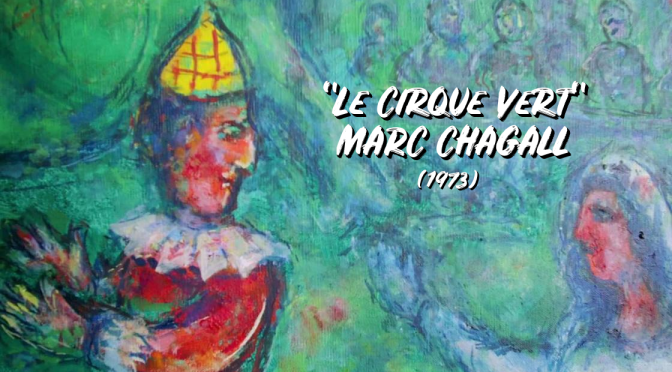
 As a child, Marc Chagall would marvel at the traveling acrobatic troupes that passed through his Village. The animals, dancers and musicians of the circus seemed to conjure a distinct joy that would consistently manifest itself throughout the artist’s career. In this episode of Expert Voices, discover how Chagall was able to uniquely translate this fascination to canvas as Edith Eustis delves into the deep greens and brilliant reds of Marc Chagall’s Le Cirque Vert. Painted in 1973, this work captures the magical allure of the spectacle and incorporates many of the artist’s most iconic motifs. Le Cirque Vert will be offered as a highlight of Sotheby’s Impressionist & Modern Art Evening Sale in New York.

 …what perhaps absorbed him most was a suite of 10 paintings of one of the weeping willows he had planted on the shores of his pond in 1893, when he had purchased the property to construct his aquatic paradise. The tree had grown in girth and grandeur over the intervening years, its leafy arms now extending out over the dappled waters like an impassioned conductor energizing an orchestra.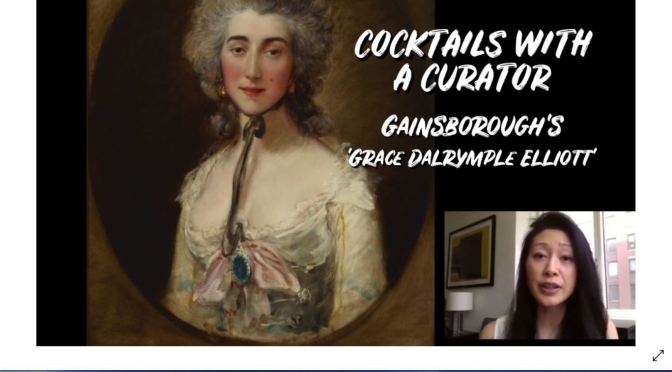
 In this week’s episode of “Cocktails with a Curator,” Curator Aimee Ng studies Thomas Gainsborough’s scandalous portrait of Grace Dalrymple Elliott. Discover why this painting met with a negative reception when it was shown at the Royal Academy in 1782. Mrs. Elliott later moved to France, where she lived through the Reign of Terror and died in 1823 in the outskirts of Paris. This week’s complementary cocktail is the Pimm’s Cup, a traditional summer drink in Britain.
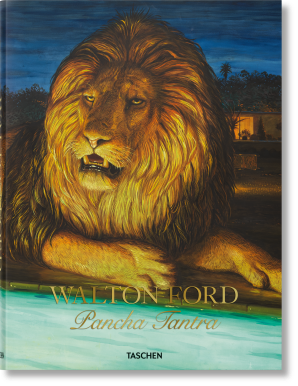 In this stunning but sinister visual universe, beasts and birds are not mere aesthetic objects but dynamic actors in allegorical struggles: a wild turkey crushes a small parrot in its claw; a troupe of monkeys wreaks havoc on a formal dinner table; an American buffalo is surrounded by bloodied white wolves. In dazzling watercolor, the images impress as much for their impeccable realism as they do for their complex narratives.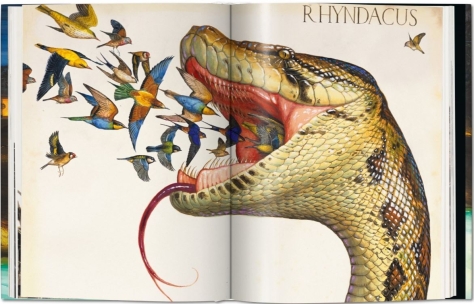
 Boomers Daily