
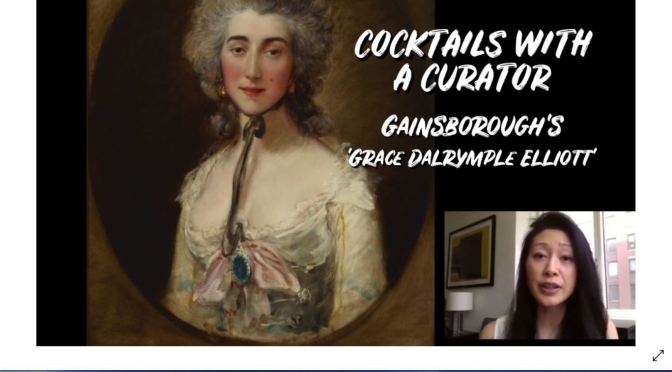
 In this week’s episode of “Cocktails with a Curator,” Curator Aimee Ng studies Thomas Gainsborough’s scandalous portrait of Grace Dalrymple Elliott. Discover why this painting met with a negative reception when it was shown at the Royal Academy in 1782. Mrs. Elliott later moved to France, where she lived through the Reign of Terror and died in 1823 in the outskirts of Paris. This week’s complementary cocktail is the Pimm’s Cup, a traditional summer drink in Britain.
Thomas Gainsborough RA FRSA was an English portrait and landscape painter, draughtsman, and printmaker. Along with his rival Sir Joshua Reynolds, he is considered one of the most important British artists of the second half of the 18th century.
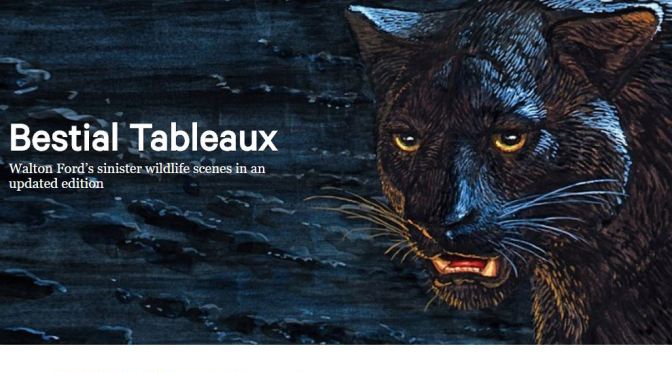
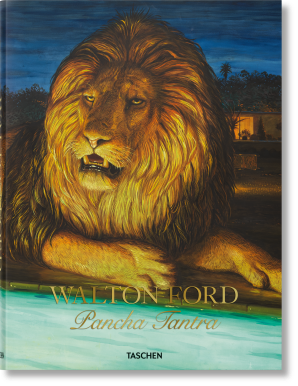 In this stunning but sinister visual universe, beasts and birds are not mere aesthetic objects but dynamic actors in allegorical struggles: a wild turkey crushes a small parrot in its claw; a troupe of monkeys wreaks havoc on a formal dinner table; an American buffalo is surrounded by bloodied white wolves. In dazzling watercolor, the images impress as much for their impeccable realism as they do for their complex narratives.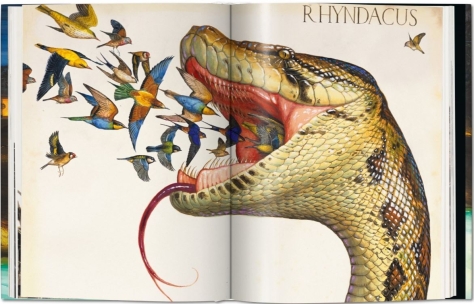
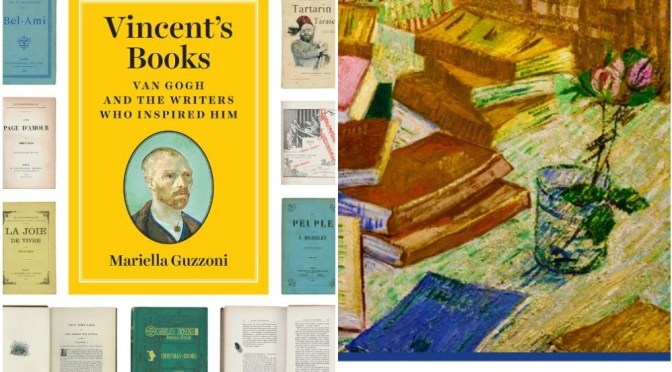
 In his paintings we see books on their own, or books in the company of people or other objects; small, lonely ziggurats of books, or a book beside a candle. That last juxtaposition is telling in the extreme. Vincent had a reverence for books. They were sacred ground. They have a kind of inner glow about them.
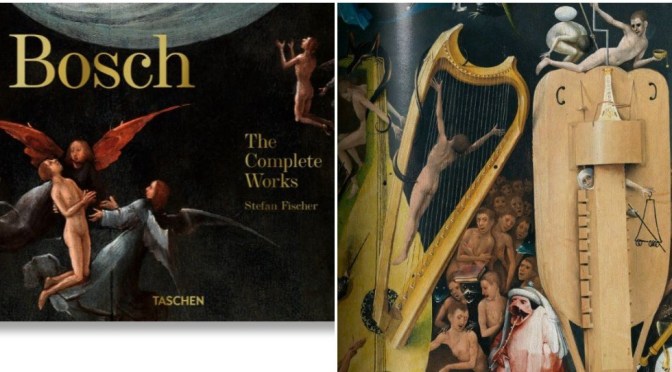
 A bird-monster devouring sinners, naked bodies in tantric contortions, a pair of ears brandishing a sharpened blade: with just 20 paintings and nine drawings to his name, Netherlandish visionary
 Boomers Daily