
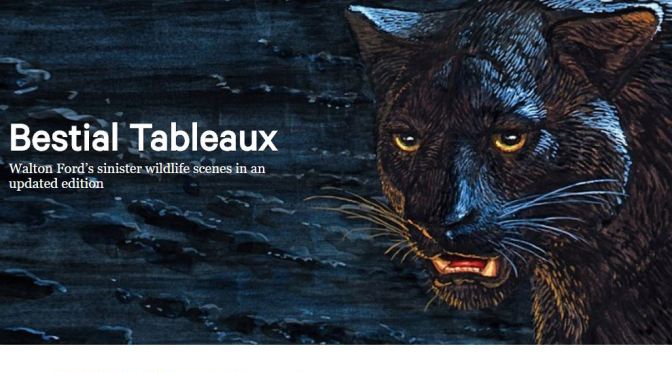
 In this stunning but sinister visual universe, beasts and birds are not mere aesthetic objects but dynamic actors in allegorical struggles: a wild turkey crushes a small parrot in its claw; a troupe of monkeys wreaks havoc on a formal dinner table; an American buffalo is surrounded by bloodied white wolves. In dazzling watercolor, the images impress as much for their impeccable realism as they do for their complex narratives.
At first glance, Walton Ford’s large-scale, highly detailed watercolors of animals recall the prints of 19th-century illustrators John James Audubon and Edward Lear. A closer look reveals a complex and disturbingly anthropomorphic universe, full of symbols, sly jokes, and allusions to the ‘operatic’ quality of traditional natural history.
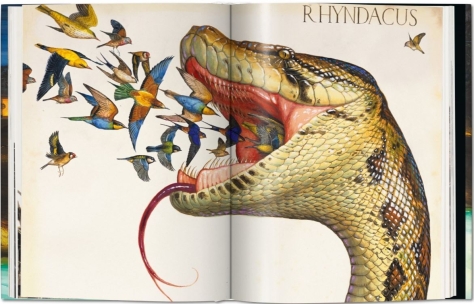
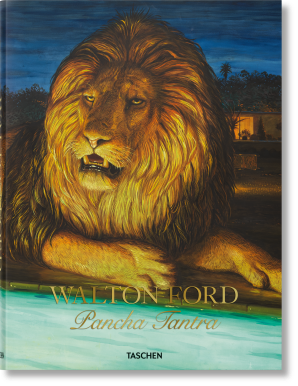
First available as a signed and limited volume, this updated edition of Pancha Tantra is the most comprehensive survey of Ford’s oeuvre to date, with 40 new works, more than 120 additional pages, and a new essay by the artist. It features dazzling details, an in-depth exploration of his visual universe, a complete biography, and excerpts from his textual inspirations: from Indian folktales and the letters of Benjamin Franklin to the Autobiography of Benvenuto Cellini and Audubon’s Ornithological Biography.





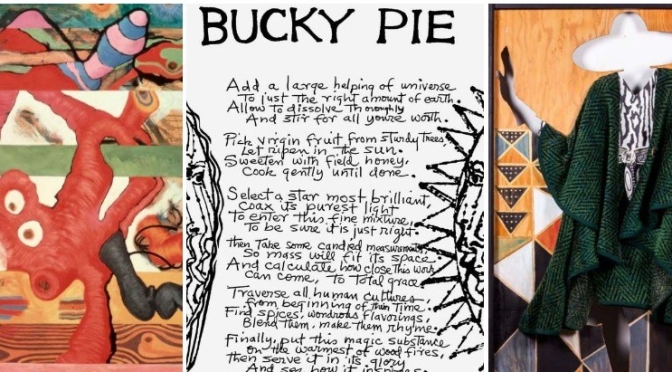
 “We are proud to announce the Fall 2020 Artbook | D.A.P. Catalog of new books on art and culture.”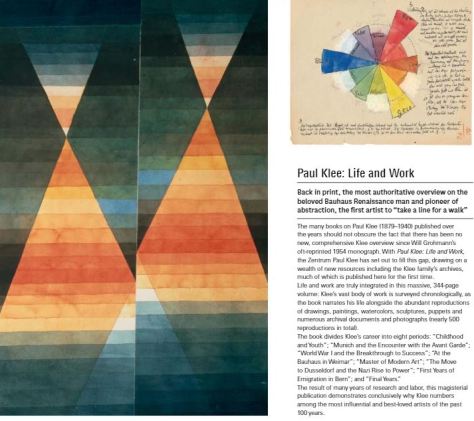
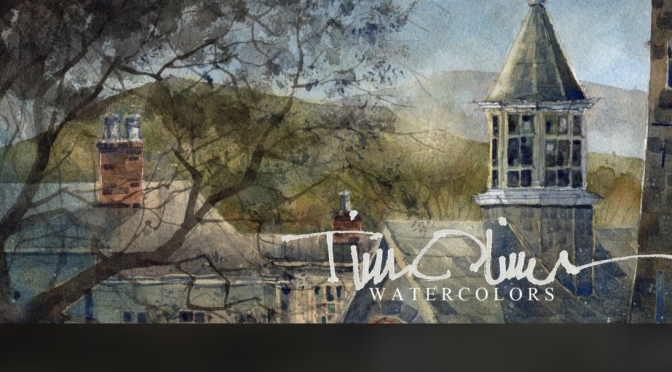


 Watercolor, in a practiced hand, is the perfect medium for capturing the powerful emotion of a place. While I paint a variety of subjects, I’m most attracted to landscapes that stir passion within me in the moment. I’m always drawn to things western, rural, gritty and seemingly mundane or ordinary. Anything evocative of a ‘time long passed by’ will always capture my attention.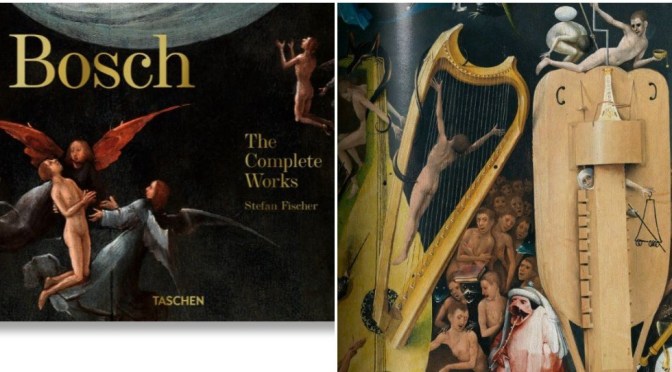
 A bird-monster devouring sinners, naked bodies in tantric contortions, a pair of ears brandishing a sharpened blade: with just 20 paintings and nine drawings to his name, Netherlandish visionary

 Boomers Daily