

A cyberattack on the U.S.’s largest fuel pipeline on May 7 forced a shutdown that triggered a spike in gas prices and shortages in parts of the Southeast. WSJ explains just how vulnerable the nation’s critical energy infrastructure is to attack. Photo illustration: Liz Ornitz/WSJ
Tag Archives: Analysis
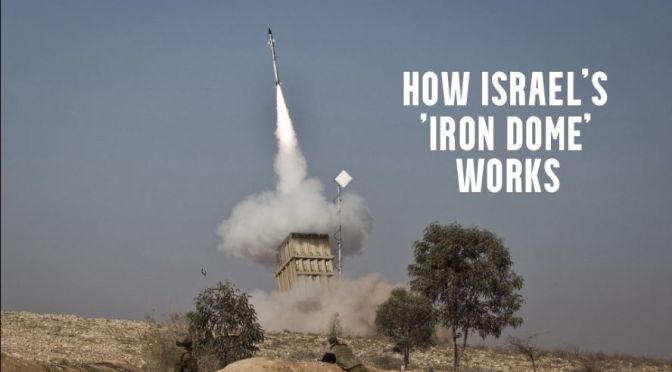
Military Analysis: How Israel’s ‘Iron Dome’ Works
Israel’s Iron Dome missile-defense system is designed to intercept and destroy short-range rockets and mortars. During the recent conflict, it has been used to destroy more than 200 rockets bound for Israeli cities. Here’s how it works. Photo: Ilia Yefimovich/Getty Images

Analysis: Vaccinating The World, Israel-Palestinian Clash, Musical Plagarism
A selection of three essential articles read aloud from the latest issue of The Economist. This week: ten million reasons to vaccinate the world, Israel and the Palestinians (9:48) and musical plagiarism (15:35).

Analysis: How Coca-Cola Leads Beverage Market
With more than 1.9 billion drinks served every day Coca-Cola is one of the world’s largest beverage companies. From its humble beginnings selling a single product at a drugstore for 5 cents a glass, the company now has a roster of 200 brands that includes Coke, Fanta, and Sprite. But with health and wellness trends on the rise, the company has been forced to pivot. So after 135-years in business, can the soft drink giant stay on top? And what will the secular decline of sugar-sweetened beverages in the U.S. mean for the future of Coca-Cola?
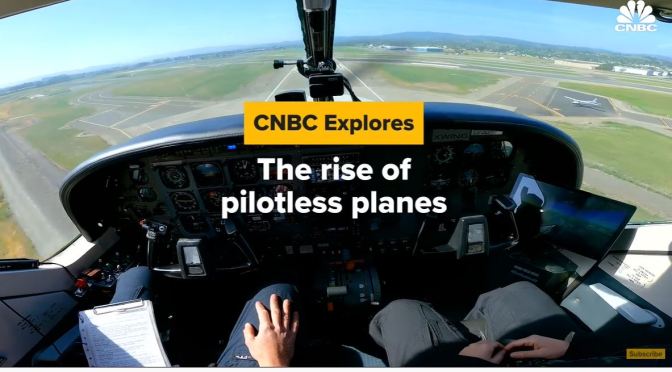
Air Travel: The Rise Of Pilotless Planes (Video)
Over the past 100 years, the technology inside airplanes has become more and more advanced from jumbo jets to smaller Cessna’s. Some see the next step to full automation as removing the pilot completely. Reliable Robots and Xwing are two Bay Area start-ups working on doing just that. Rather than build new aircraft, both companies have retrofitted Cessna Grand Caravan’s. The planes can fly autonomously with a remote operator who monitors the flight and can take control if needed. Both companies are working with the FAA on getting approval. Xwing took CNBC for a test flight, where the pilot didn’t touch the controls once. Watch the video to learn how it works and when pilotless planes will become the norm.
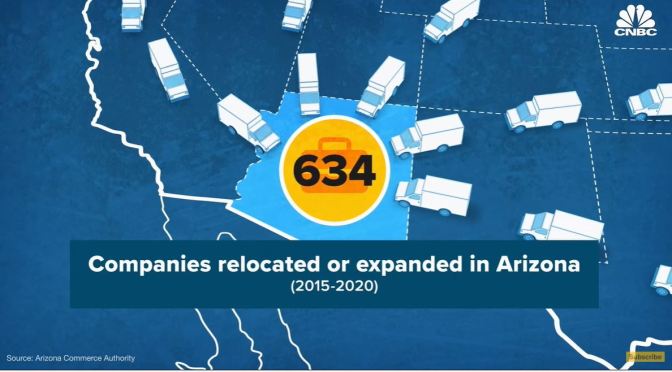
Business: Why Arizona is Now A Technology Hub
Arizona has rapidly become an epicenter for electric vehicle and self-driving tech, and it’s now the site of three big new semiconductor factories as the U.S. struggles to increase production during the global chip shortage. In 2020, Phoenix attracted more residents than any other U.S. city for the fourth year in a row, as highly skilled workers flocked to the lower cost of living and wide open spaces of the Grand Canyon State. From Lucid Motors to ElectraMeccanica, Intel to Taiwan Semiconductor Manufacturing Co, 634 companies relocated or expanded in Arizona between 2015 and 2020. CNBC asked the governor, big companies, and Arizonans about why the tech boom is happening and how it’s changing the state.

Analysis: Why The World Is Running Out Of Sand
Even though sand can be found in nearly every single country on Earth, the world could soon face a shortage of this crucial, under-appreciated commodity. Sand use around the world has tripled in the last twenty years, according to the UNEP. That’s far greater than the rate at which sand is being replenished. Here’s what’s behind the looming sand crisis.

Political Analysis: Is ‘Myanmar’ A Failed State?
Myanmar is on the brink of collapse. Its armed forces are continuing a brutal crackdown—arresting, torturing and killing protesters—as Aung San Suu Kyi, Myanmar’s de-facto leader, is detained. Our experts answer your questions.
Chapters 00:00 – What will happen to Aung San Suu Kyi? 02:15 – What are India and China doing? 03:37 – Should the West intervene? 05:25 – What’s happening to the Rohingya refugees? 07:16 – How will Myanmar’s neighbours be affected? 08:44 – Will civil war break out? 10:36 – Can the protesters win? 12:05 – Will Myanmar become a failed state?

Analysis: The Microchip Shortage Limiting Autos
While the automotive industry was ravaged early on in the pandemic thanks to lockdown measures and a dramatic decrease in travel, it more recently has begun facing a new problem: a shortage of microchips.
Microchips are vital to much of a vehicle’s key functions, such as engine control, transmission, infotainment systems, and more. In the last half of 2020 and now in 2021, vehicle sales recovered fairly quickly, faster than automakers anticipated.
Suddenly, they were struggling to meet demand. At the same time, chipmakers were experiencing supply shortages and increased demand from other sectors, such as personal electronics. With the resulting lack of microchip supply, automakers have been forced to slow production, even on their most popular models. For several automakers, the shortage is expected to cost them $1 billion or more — and even still, the alternatives are worryingly few.
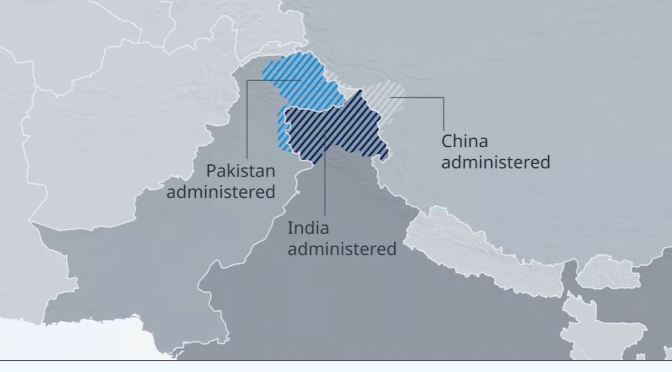
Analysis: India-Pakistan Conflict Explained (Video)
In February 2021, India and Pakistan agreed to strictly observe all previous agreements on ceasefire along the Line of Control in Jammu and Kashmir and other sectors, and to address core issues and concerns. It was their first joint statement in over eight years. But will the agreement be upheld this time? Both countries have come close to an all-out military conflict several times in the past two decades. DW takes a look at factors that are driving the hostility between the two South Asian neighbors.
 Boomers Daily