Tag Archives: 16th Century

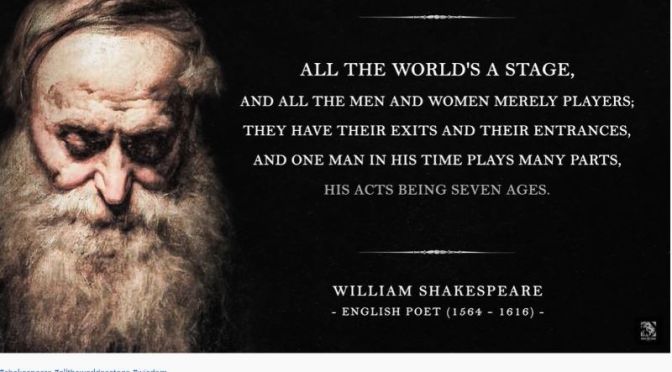
World’s Greatest Quotes: ‘The Seven Ages Of Man’ – William Shakespeare (1599)

Read by James Smillie

The Seven Ages of Man by William Shakespeare

All the world’s a stage,
And all the men and women merely players;
They have their exits and their entrances;
And one man in his time plays many parts,
His acts being seven ages. At first the infant,
Mewling and puking in the nurse’s arms;
And then the whining school-boy, with his satchel
And shining morning face, creeping like snail
Unwillingly to school. And then the lover,
Sighing like furnace, with a woeful ballad
Made to his mistress’ eyebrow. Then a soldier,
Full of strange oaths, and bearded like the pard,
Jealous in honour, sudden and quick in quarrel,
Seeking the bubble reputation
Even in the cannon’s mouth. And then the justice,
In fair round belly with good capon lin’d,
With eyes severe and beard of formal cut,
Full of wise saws and modern instances;
And so he plays his part. The sixth age shifts
Into the lean and slipper’d pantaloon,
With spectacles on nose and pouch on side;
His youthful hose, well sav’d, a world too wide
For his shrunk shank; and his big manly voice,
Turning again toward childish treble, pipes
And whistles in his sound. Last scene of all,
That ends this strange eventful history,
Is second childishness and mere oblivion;
Sans teeth, sans eyes, sans taste, sans everything.
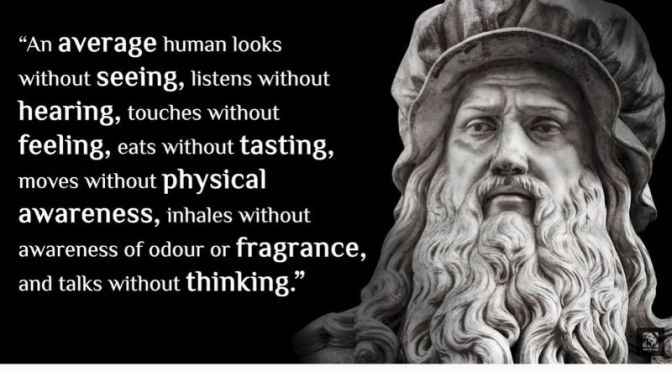
Great Quotes: ‘Leonardo da Vinci, 1452-1519’ (Video)

Leonardo da Vinci lived between 1452-1519. He was an Italian polymath of the High Renaissance who is widely considered one of the most diversely talented individuals ever to have lived. Performed by Chris Lines.

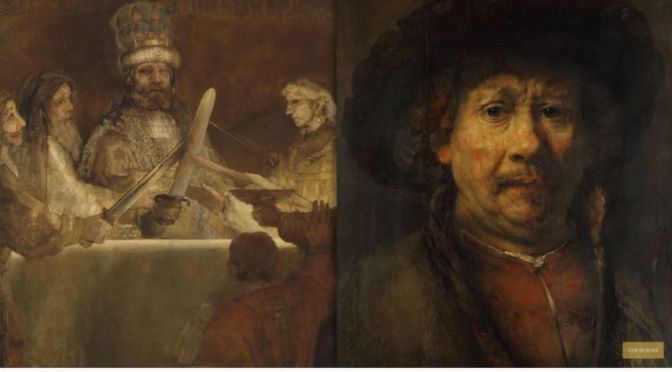
Art: ‘Rembrandt – Master Of The Dutch Golden Age’

Arguably the greatest master of the Dutch Golden Age, Rembrandt is famed for several types of works: his monumental history paintings, his self-portraits and, as beautifully exemplified by the transcendent Abraham and the Angels, his intimate biblical scenes.

Rembrandt Harmenszoon van Rijn was a Dutch draughtsman, painter, and printmaker. An innovative and prolific master in three media, he is generally considered one of the greatest visual artists in the history of art and the most important in Dutch art history.

The Dutch Golden Age was a period in the history of the Netherlands, roughly spanning the era from 1581 to 1672, in which Dutch trade, science, and art and the Dutch military were among the most acclaimed in the world. The first section is characterized by the Eighty Years’ War, which ended in 1648.

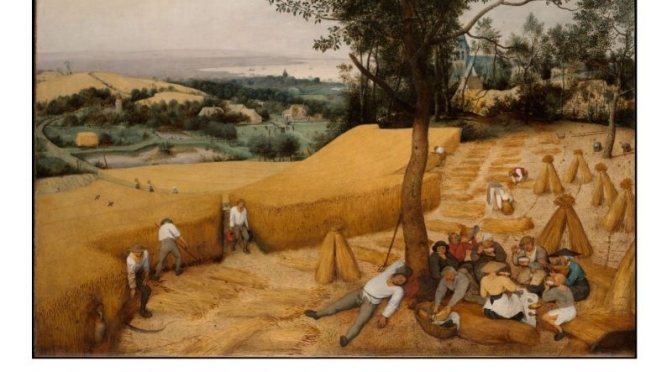
Artwork: ‘The Harvesters’ By Dutch Renaissance Painter Pieter Bruegel The Elder, 1525-1569 (Video)

Artist: Pieter Bruegel the Elder (Netherlandish, Breda ca. 1525–1569 Brussels) Title: The Harvesters

The Harvesters is an oil painting on wood completed by Pieter Bruegel the Elder in 1565. It depicts the harvest time, in the months of July and August or late summer. Nicolaes Jonghelinck, a merchant banker and art collector from Antwerp, commissioned this painting.

On view at Metropolitan Museum: https://www.metmuseum.org/art/collect…

Pieter Bruegel the Elder was the most significant artist of Dutch and Flemish Renaissance painting, a painter and printmaker, known for his landscapes and peasant scenes; he was a pioneer in making both types of subject the focus in large paintings.

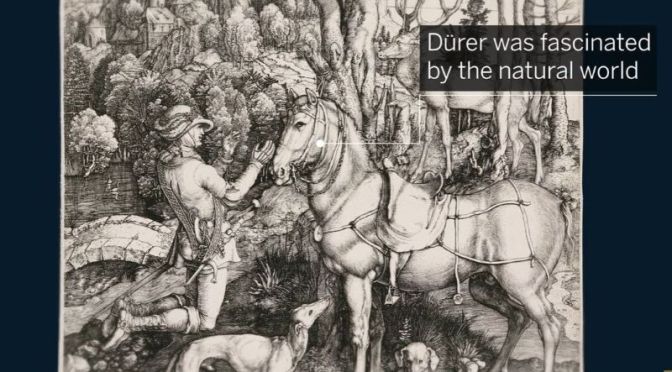
Profile: German Painter & Engraver Albrecht Dürer

‘Saint Eustace’ by Albrecht Dürer depicts the popular medieval legend of a Roman General becoming a saint. In this episode of Anatomy of an Artwork, discover how Dürer captured the intricate detail of the story through the arduous medium of engraving.

Albrecht Dürer (1471 -1528), sometimes spelt in English as Durer or Duerer, was a German painter, printmaker, and theorist of the German Renaissance. Born in Nuremberg, Dürer established his reputation and influence across Europe when he was in his twenties due to his high-quality woodcut prints.

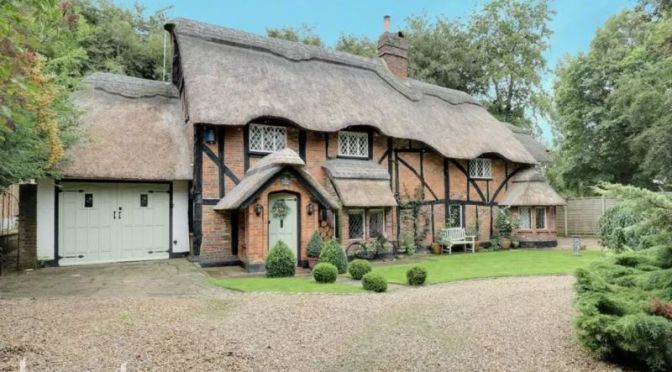
English Country Homes: ’16th Century Chocolate Box’ In Bedfordshire

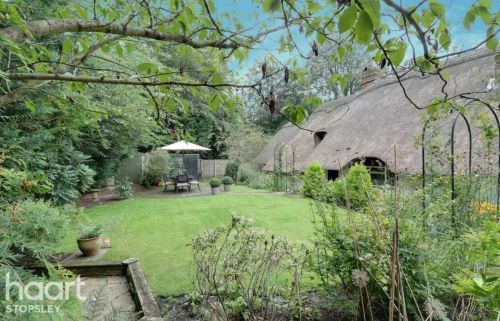
This lovely house — Grade II-listed — was built four centuries ago, when (no doubt) all around was rolling fields and endless Bedfordshire skies. Today, it’s a couple of hundred yards up a country lane, that comes straight off the main A505 heading from Hitchin to Luton, with a large cemetery just along the road.

So not quite a countryside idyll, then, but at least you know the neighbours will be dead quiet.

Balancing the house and the location is always part of the fun with any property, of course. And if you’re after a place truly in the country, then a thatched cottage such as this one at the other end of the county — a delightful two-bedroom beauty at £435,000 — is really in the middle of nowhere.

Read more

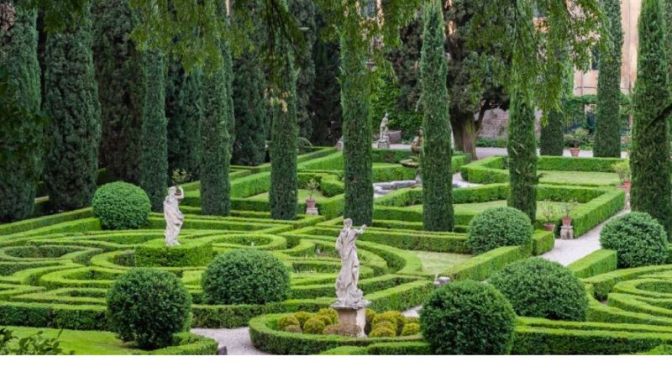
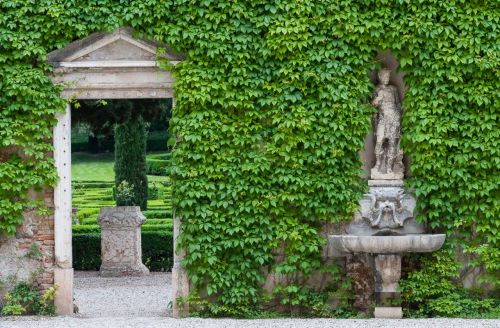
Italian Gardens: ‘Giardino Giusti in Verona’ and ‘Villa Fracanzan Piovene’ near Vicenza – “Shakespearean”

Giardino Giusti in Verona and Villa Fracanzan Piovene: The centuries-old Italian gardens that evoke the romance of Romeo and Juliet.

November 7, 2020

The name Giusti has been synonymous with one of Italy’s most celebrated Renaissance gardens since the late 16th century. Originally wool-dyers from Prato in Tuscany, the Giusti family had moved its business north in the previous century, settling in an unglamorous industrial suburb of Verona. Within a few generations, its members were rich and had also acquired the requisite antiquarian and artistic tastes of true Renaissance gentlefolk.

The garden created by Agostino Giusti between 1565 and 1580 was intended to fulfil various functions. It had to showcase his collection of Roman inscriptions and to serve as a setting for the lavish theatrical and musical productions—the predecessors of opera—then in vogue. To this day, the garden retains the surprise element of a stage set, presenting a magnificent and entertaining spectacle that totally confounds one’s expectations of a city garden.

Read more

Classic Italian Buildings: ‘Palazzo Serristori’ In Florence (Video Tour)

Palazzo Serristori, a historical and prestigious palace currently under restoration is for sale by the river Arno, at a stone’s throw from Florence’s city centre, an internationally-renowned city for its history, art and culture.

The palace dates back to the 16th century and has changed a lot over the years, especially in the 19th century when the Demidoff family gave it its current looks. The property has four floors above ground, a basement and a mezzanine floor. The interiors are embellished with fine finishes and materials, such as walls and ceilings enriched with frescoes and decorations and inlays of great artistic importance. Of the original sixteenth-century palace, only the corner facade where the main entrance opens up is preserved.

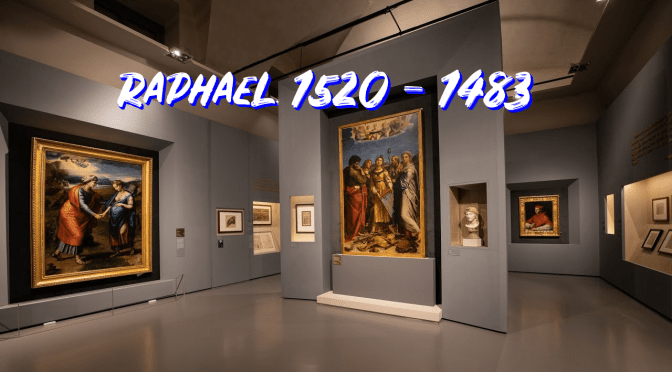
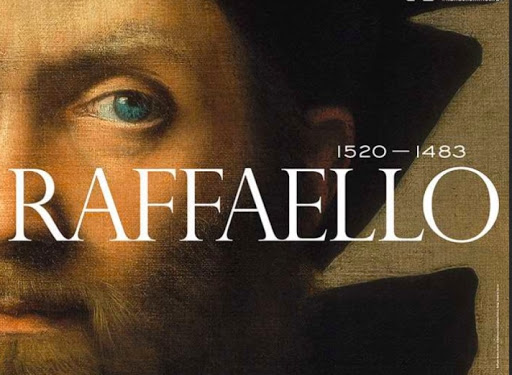
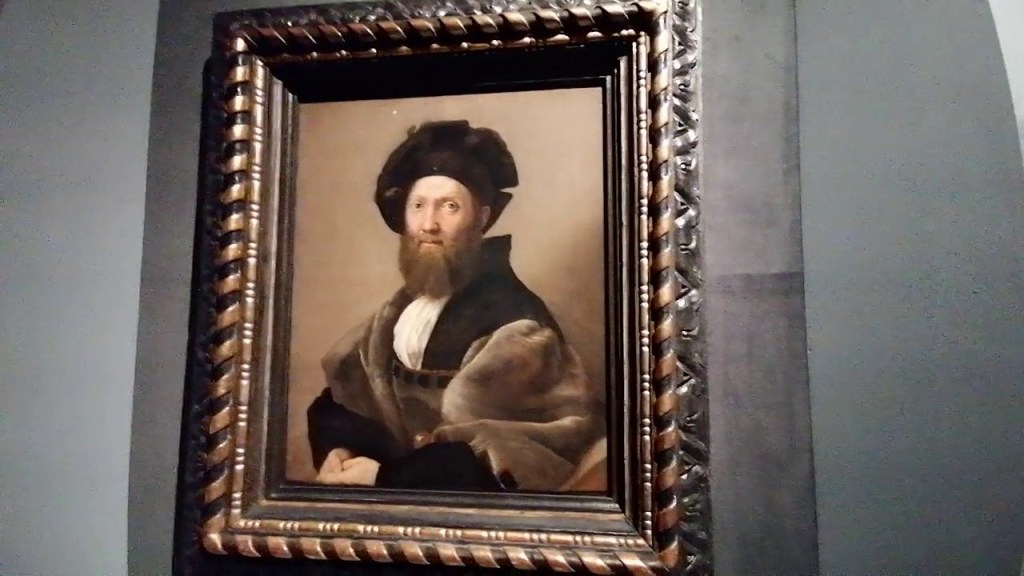
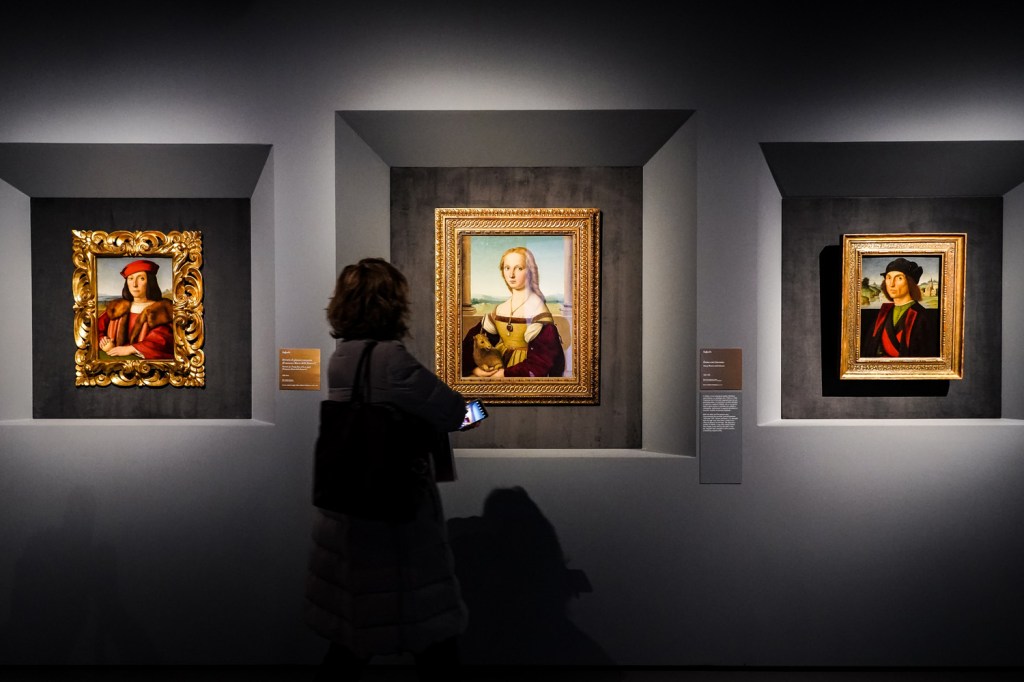
World’s Top Exhibitions: “Raphael 1520-1483”, Rome’s ‘Scuderie del Quirinale’

Five hundred years after the death of Raphael Sanzio, Italy pays homage to the supreme Renaissance artist with a great exhibition at the Scuderie del Quirinale. Raphael died in Rome on 6 April 1520 and it is in Rome that he owes his universal fame. It is therefore particularly significant that this national tribute should take place in the city where the artist from Urbino fully expressed his formidable talent, and where his life suddenly ended at only 37 years of age. 

More than one hundred masterpieces that are autographed or, in any event, are attributable to Raphaelesque ideas shall be gathered together at the Scuderie for the first time, including paintings, cartoons, drawings, tapestries and architectural projects.They will be joined by an equal number of works for comparison and context (sculptures and other ancient artefacts, Renaissance sculptures, codices, documents and precious masterpieces of applied art) amounting to a total of 204 works on display, including 120 paintings and drawings by Raphael himself.

Read more

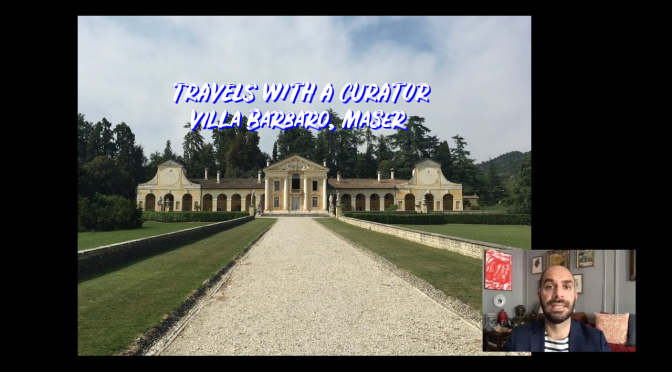
Travels With A Curator: “Villa Barbaro, Maser” In Italy (The Frick Video)

In this week’s episode of “Travels with a Curator,” join Xavier F. Salomon, Deputy Director and Peter Jay Sharp Chief Curator, on an excursion to one of his favorite places in the world, Villa Barbaro in Maser, Italy. Designed in the sixteenth century by Andrea Palladio, the villa is decorated floor to ceiling with magnificent frescoes by Paolo Veronese. The Frick is home to two allegorical paintings by Veronese that he produced in the 1560s, shortly after completing his work on the villa.