Poetic Views: Museum at Wordsworth Grasmere

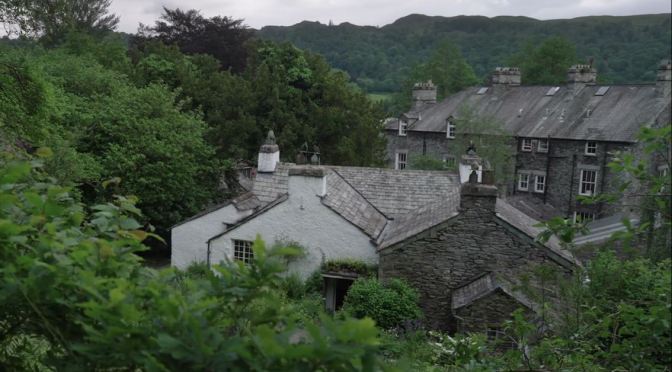
The Museum at Wordsworth Grasmere, the second phase of work at the former Lake District home of the great English Romantic poet William Wordsworth and his sister Dorothy, has opened to the public, with all gallery, exhibition design and interpretative overviews by Nissen Richards Studio.

The first phase of work by Nissen Richards Studio encompassed the conservation and reinterpretation of Dove Cottage itself, where William and Dorothy once lived, plus the new identity for Wordsworth Grasmere and the scheme’s signage and wayfinding.

The new visitor journey, designed by Nissen Richards Studio in close collaboration with the Wordsworth Grasmere team, includes a series of threshold moments, such as a totem sign and the setting of words into the walkways, featuring fragments of poems going off in two directions, so that visitors see them clearly on arrival and departure.

The Museum includes a shop and ticketing area, before visitors enter a new, double-height orientation space, where quotations by Wordsworth are set within a dramatic, full-height light wall. Visitors then make their way to a former stable space that houses an immersive introductory film, before stepping over the threshold into Dove Cottage. Visitors return to The Museum via Dove Cottage’s Garden-Orchard, entering an expanded first floor space, loosely arranged into four new galleries. Galleries One and Four are set to one side and Galleries Two and Three to the other, whilst a pause space in between offers views onto the gardens and surrounding landscape.

Previews: New Scientist Magazine – November 27

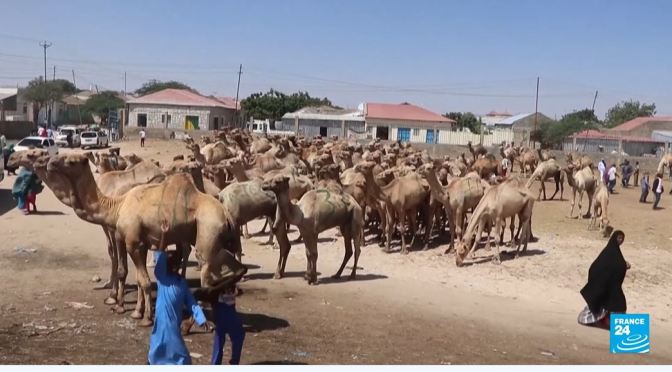
Culture: The Importance Of Camels In Somalian Life

They are valued for their milk, valued for their meat and valued as well for their strength. #Camels are at the heart of traditional #Somali life as nomadic populations rely on them more than ever with the #climate crisis.

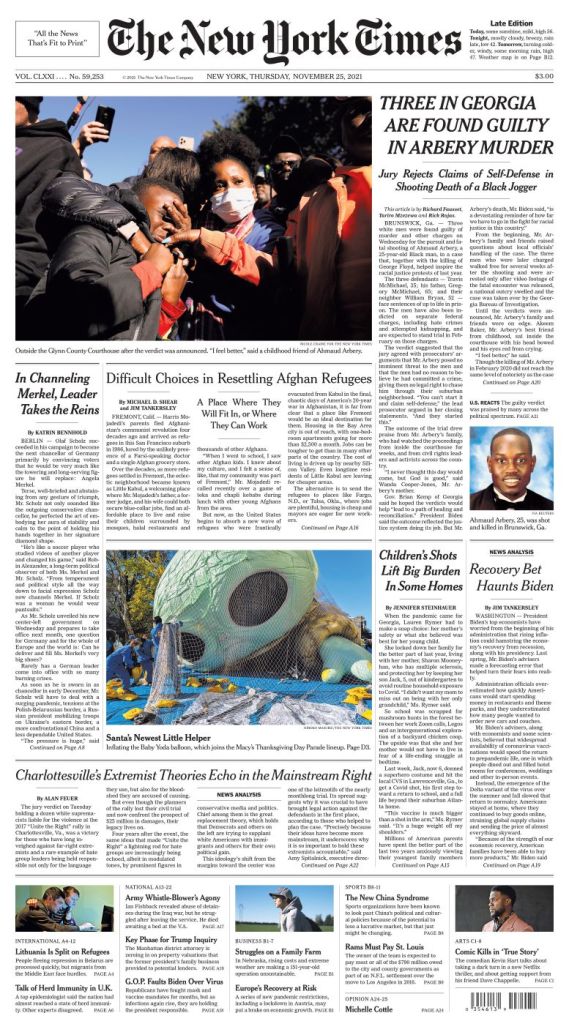
Morning News: Germany’s Coalition Deal, Honduras Election, Grammy Awards

We explore Germany’s coalition deal and discuss the challenges ahead for the country’s next chancellor, Olaf Scholz. Plus: the significance of an election in Honduras for relations between China and Taiwan, and this year’s Grammy awards.

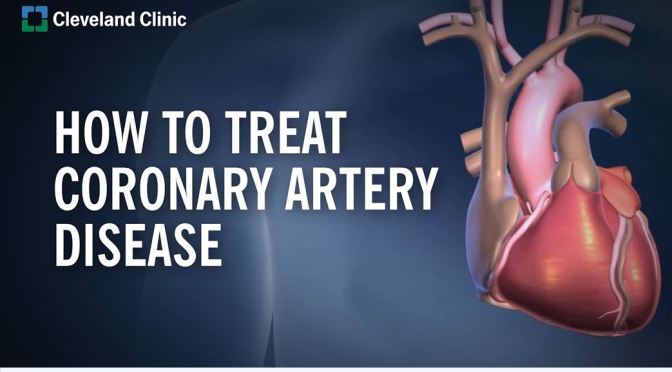
Medicine: How To Treat Coronary Heart Disease

More than 360,000 people died from coronary artery disease in 2019. While there is no cure to the disease, you can take steps to lower your risk and manage the harmful plaque build-up impacting your health. The information in this video was accurate as of 11.25.2021 and is for information purposes only. Consult your local medical authority or your healthcare practitioner for advice.

Chapters: 0:00 Intro 0:12 What is coronary artery disease? 0:26 What are the signs of coronary artery disease? 0:41 Can you reverse coronary artery disease? 1:04 What are statins? 1:34 What are the treatments for coronary artery disease? 1:46 Make lifestyle changes to reduce your risk. 2:07 Taking medication can help treat coronary artery disease. 2:25 What is a coronary stent procedure? 3:03 What is coronary artery bypass graft surgery? 3:36 What’s the best treatment for coronary artery disease? 3:45 When should you talk to your doctor about coronary artery disease symptoms?

Science: Research Salary Survey, Jumping Spiders, NASA Smashing Asteroids

The Nature salary and satisfaction survey reveals researchers’ outlook, and NASA’s test of planetary defenses.

In this episode:

00:45 Salary and satisfaction survey

Like all aspects of life, scientific careers have been impacted by the pandemic. To get an insight into how researchers are feeling, Nature has conducted a salary and satisfaction survey. We hear from some of the respondents.

Careers Feature: Stagnating salaries present hurdles to career satisfaction

09:07 Research Highlights

The physics of a finger snap, and the surprisingly strong silk of jumping spiders.

Research Highlight: It’s a snap: the friction-based physics behind a common gesture

Research Highlight: High-speed spinning yields some of the toughest spider silk ever found

11:23 Briefing Chat

We discuss some highlights from the Nature Briefing. This time, the plans to smash a spacecraft into an asteroid, and how baby formula is changing to better resemble breast milk.

Nature News: NASA spacecraft will slam into asteroid in first planetary-defence test

Chemistry World: The science of breast milk and baby formula

Remodels: 1892 Victorian Home In Goshen, New York

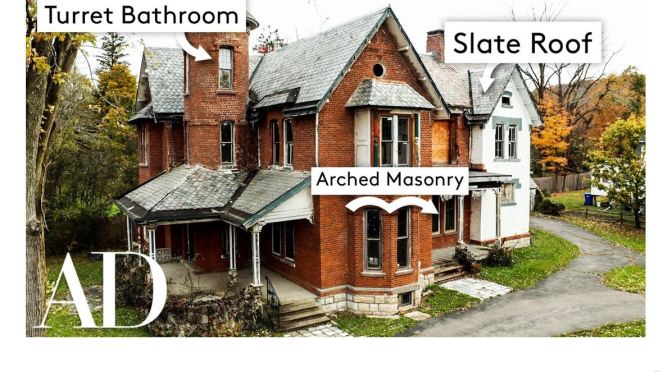
Today on AD we visit Goshen in Upstate New York to tour a Victorian home from 1892 with a ton of potential, but needing lots of work. Contractor Nick Schiffer from NS Builders goes room by room laying out the possibilities within the walls while acknowledging how daunting the road to this former gem’s restoration will be. When you see it’s listed at just under $300,000, though – and similar sized homes in the area fetch double that amount – this massive renovation becomes one seriously worth considering.

Views: Global Population Projections By Year 2100

Air Travel: Why Airport Security Is So Slow (CNBC)

There once was a time when getting through airport security was quick and easy. But after the attacks on 9/11, the TSA, or Transportation Security Administration, was created and security screenings became much more thorough. With millions of people passing through TSA checkpoints everyday, this can create excruciating long lines, especially during holiday travel. Despite enhancements in technology like millimeter wave imaging and CT scanners, the airport security process has been slow to evolve. But that may soon be changing.

Delta, JetBlue, and American Airlines are just a few of the U.S. airlines starting to test facial recognition for boarding and TSA checkpoints. The TSA is also working with companies on designing better screeners so passengers don’t have to remove anything from bags and can leave their shoes on. CNBC explores how far we’ve come in airport security and the ways the TSA and airlines are looking to speed up and make airport security even safer.

News, Views and Reviews For The Intellectually Curious