
From a VW media online news release December 26, 2019:
“The mobile charging robot will spark a revolution when it comes to charging in different parking facilities, such as multistorey car parks, parking spaces and underground car parks because we bring the charging infrastructure to the car 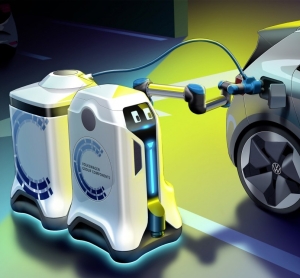 and not the other way around. With this, we are making almost every car park electric, without any complex individual infrastructural measures”, summarises Mark Möller, Head of Development at Volkswagen Group Components.
“It’s a visionary prototype, which can be made into reality quite quickly, if the general conditions are right”, Möller continues. Volkswagen Group Components is researching different approaches to the assembly of charging infrastructure and has already developed several successful products. The flexible quick charging station and DC wall boxes are already part of a future charging family. Customer-oriented, intelligent and flexible approaches to charging are at the centre of the research. Other innovative products such as the charging robot are currently being developed.
- Volkswagen Group Components presents a new and visionary charging concept
- Mobile robots will charge electric vehicles completely autonomously in future
- Every parking space can become a charging point
Volkswagen provides a glimpse into the future in which the search for charging stations for electric cars comes to an end. Volkswagen Group Components’ mobile charging robot takes over this task – and drives to the electric car completely autonomously.
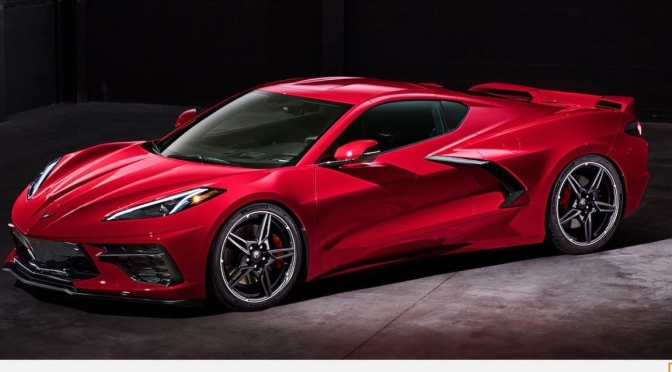

 Avant2Go car sharing is an effective way to cut and manage your mobility expenses. Find an available car and reserve it using the Avant2Go mobile app. The first reservation (15 min) is free. Use the app to end your rental and settle the final cost. The rental price includes car registration, insurance, fuel*, running costs, vignette, loss of value, free parking at Avant2Go spots and more.
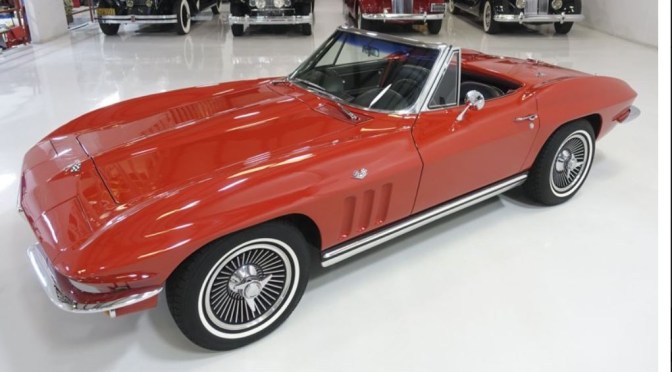
 For its third season, the 1965 Corvette Sting Ray further cleaned up style-wise and was muscled up with the addition of an all-new braking system and larger powerplants. 1965 styling alterations were subtle, confined to a smoothed-out hood now devoid of scoop indentations, a trio of working vertical exhaust vents in the front fenders that replaced the previous nonfunctional horizontal “speedlines,” restyled wheel covers and rocker-panel moldings, and minor interior trim revisions. The 1965 Corvette Sting Ray became ferocious with the mid-year debut of the
  1965 also added another 350 hp small block engine (Option L79) which used hydraulic rather than solid lifters, a milder camshaft and a modestly redesigned smaller oil pan.

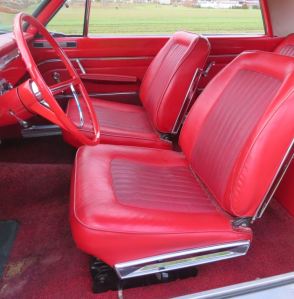 The Plymouth Valiant (first appearing in 1959 as simply the Valiant) is an
  The Valiant was totally reskinned for 1963 with a 0.5 in (13 mm) shorter wheelbase; it had a wide, flat hood and a flat square rear deck. The upper belt feature line ran from the rear body, in a gentle sweep, to the front fender tip. Here it was ‘veed’ back and down to the trailing edge of the front fender. The roofline was flatter and sharpened in profile. The grille was a variation of the inverted trapezoid shape that characterized contemporary Chryslers, with a fine mesh insert. Advances in body structure, many accessories and a new spring-staged choke were promotional highlights. The Valiant was offered as a 2-door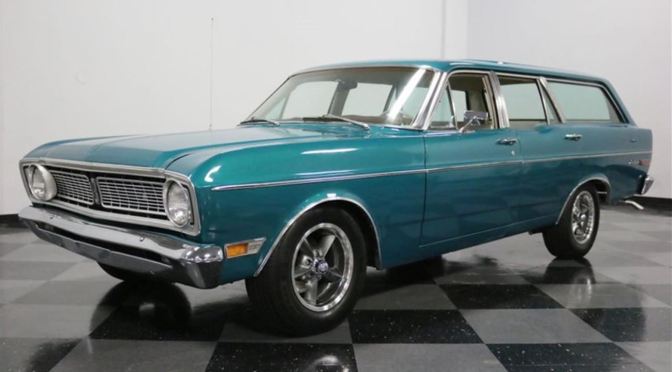
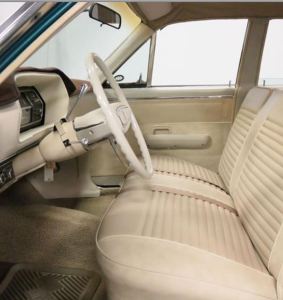 In late 1965, Ford launched the third generation Falcon, based on a shortened Fairlane platform with revised styling. At the top of the line was the highly-trimmed Futura Sports Coupe, which featured chrome side window frames, giving this two-door sedan the look of a hardtop. It also featured a premium all-vinyl interior. Large “Sports Coupe” script on the “C” pillar was borrowed from the 1964–1965 Fairlane Sports Coupe.
  The heater-defroster became standard.
 “Nikas combines extensive research into a previously unavailable and highly detailed archive of Donald Healey’s personal records with the author’s masterful ability to weave together an amazing level of detail while making it an eminently readable story. The result is a book that both seasoned automotive historians and anyone with an interest in the story of a life well lived will enjoy. Until you’ve read this book, you don’t know the true story of Donald Healey and his cars”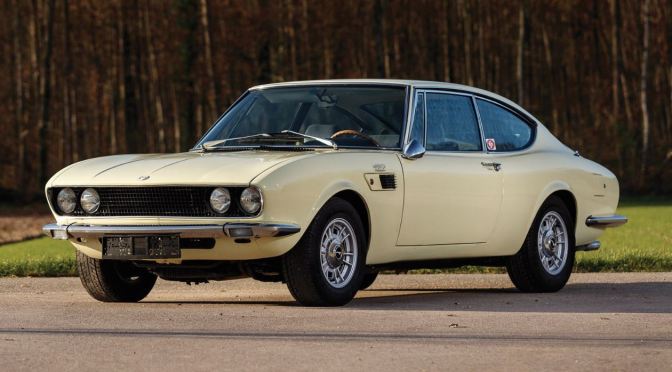
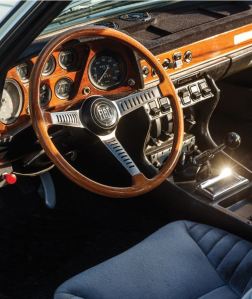 The Fiat Dino (Type 135) was a
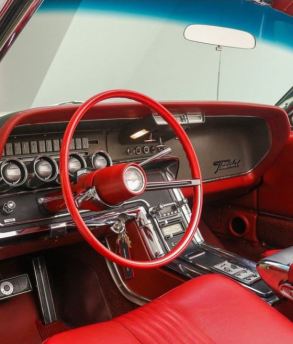 The revised model was initially offered as a hardtop, convertible, Sports Roadster with dealer-installed tonneau cover and wire wheels, and Landau with vinyl roof, simulated landau irons, and wood grain interior appointments. Total 1964 sales were excellent: 92,465, up nearly fifty per cent from the previous year, but with only 50 Sports Roadster kits were sold from the factory. The 1964 Thunderbird was the only car of this generation to have the word ‘Thunderbird’ spelled out on the front hood instead of a chrome Thunderbird emblem. The only transmission available was the Cruise-O-Matic MX 3 speed automatic.
 The fourth generation of the
  Boomers Daily