
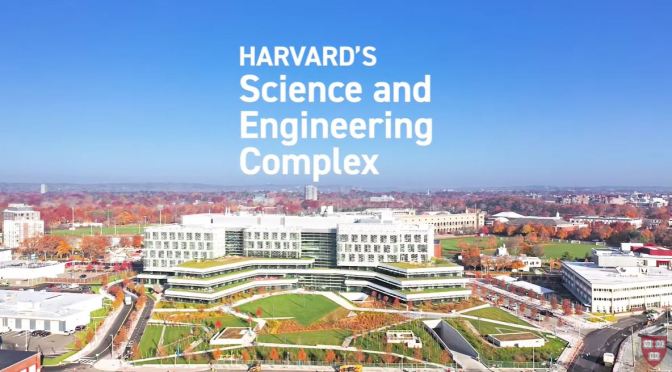
Harvard’s much-anticipated Science and Engineering Complex (SEC) in Allston is complete. The SEC is home to a portion of Harvard’s John A. Paulson School of Engineering and Applied Sciences (SEAS). Labs are setting up (some are already operational), furniture has been moved in, and offices are being transitioned. Assuming continued progress in controlling the virus, it will be open to students in the Fall of 2021. Join us for a look inside the new SEC – one of the most innovative, healthiest and energy-efficient buildings in the world!
Category Archives: Technology
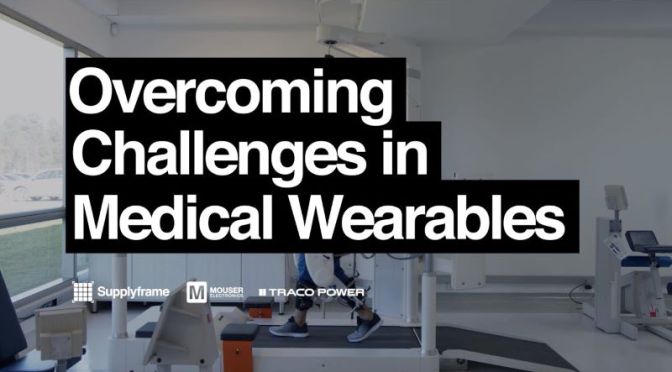
Health: ‘Overcoming Challenges In Medical Wearables’ (Video)
Medical wearables are quickly becoming a potential solution in a world where tele-health is gaining ground. Here are three examples of challenges in designing medical wearables, and how to overcome them.

Future Of Travel: How ‘Health Passports’ Work
Health passports were something we had barely heard of a year ago, but now, everyone is talking about them. Some form of passport or proof of health status is likely to be a lasting legacy of Covid-19. But what are they, how do they work, and how will they affect the way we travel?

Employment: ‘How Small Cities Are Attracting Remote Workers’ (Video)
As the pandemic changes how — and where — professionals work, some smaller cities and regions are offering hefty relocation incentives to attract remote workers to help jumpstart their local economies. WSJ met one family who accepted an offer to make a new home in the Ozarks. Photo: Craig Kauffman for the Wall Street Journal

The Arts: ‘Technology & The Future of Theatre’
Art and technology are often seen as distinct disciplines. But combining them results in magic. Sarah Ellis, the Director of Digital Development at the Royal Shakespeare Company, teaches us how technology is reimagining the experience of theatre, taking it beyond the stage and into our living rooms. As an award-winning producer, Sarah Ellis currently works as Director of Digital Development for the Royal Shakespeare Company to explore new artistic initiatives and partnerships.
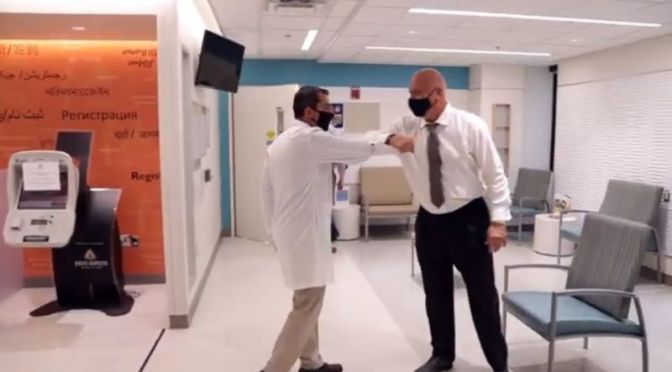
Medicine: Baseball Great Cal Ripken Jr.’s ‘Robotic Radical Prostatectomy’
Known as the Ironman, 60-year old Hall of Famer Cal Ripken Jr. was diagnosed with prostate cancer during the COVID-19 pandemic. Partnering with the Brady Urological Institute, Mr. Ripken had a successful robotic radical prostatectomy to remove his tumor and is now deemed cancer free. Watch urologic surgeon Mohamad Allaf and Cal Ripken Jr. discuss his prostate cancer journey at Johns Hopkins and share his powerful message to men across the world.
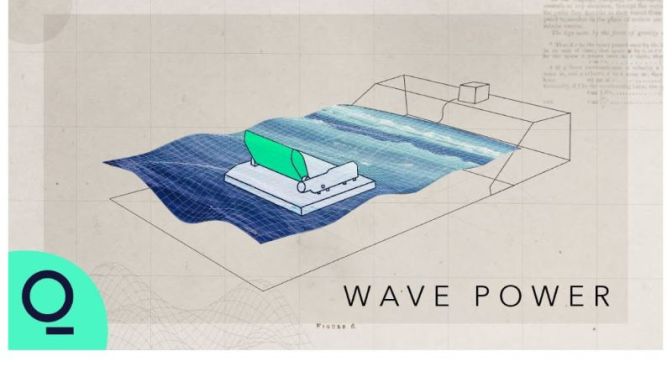
Green Energy: Harnessing Ocean Wave Power (Video)
Searching for ways to reduce our reliance on fossil fuels, engineers and entrepreneurs are looking to a largely untapped potential source of renewable energy: wave power.
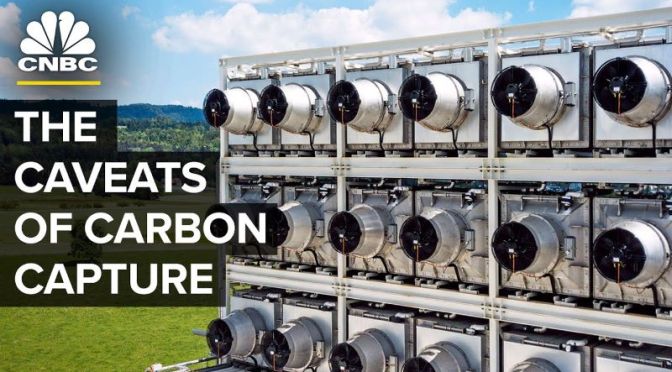
Climate Change: The Challenges For Carbon Capture Technologies
Elon Musk, Microsoft and oil giants like BP, Occidental and Exxon Mobil are investing in carbon capture technologies. Carbon Engineering and Climeworks are two start-ups that have built machines to suck CO2 straight out of the atmosphere in a process known as direct air capture. But the technology faces a number of challenges, one of which is that there’s currently no market for the captured CO2. As a result, some companies are selling their captured CO2 to oil companies, which use it to produce even more oil.
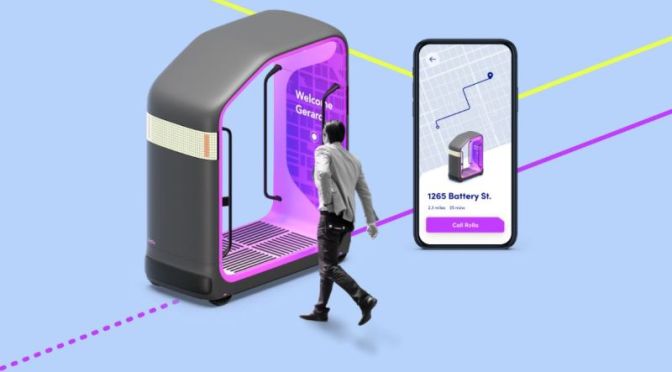
Design: ‘Rolla’ – A New Form Of City Mass Transit
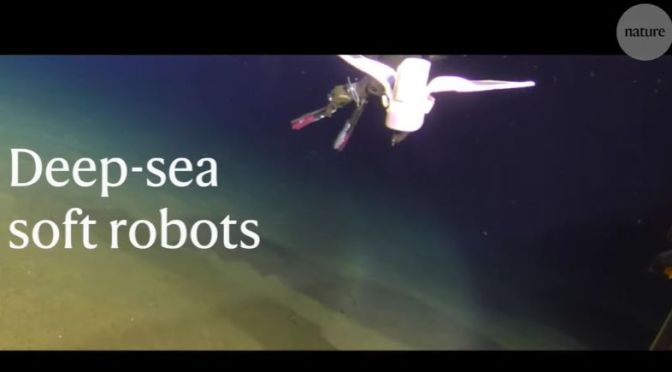
Science & Exploration: ‘Deep-Sea Soft Robots’
Is the future of deep-sea exploration soft? Researchers have developed a new type of soft robot designed to cope with the crushing pressures at the bottom the ocean. Inspired by the skull of the Mariana Snailfish, the deepest living fish, the researchers distributed their robot’s electronics, creating a machine that can withstand extreme pressure.
 Boomers Daily