Russia cut the gas flowing through the Nord Stream 1 pipeline by half in what many see as retaliation for Europe’s support of Ukraine. EU energy ministers fear further cuts as winter approaches.
A new research review suggests the decades-long reliance on SSRIs to treat depression was based on a false premise. And why Dakar’s plant vendors show such high levels of trust.
Budget constraints have gone missing. That presents both danger and opportunity
It is sometimes said that governments wasted the global financial crisis of 2007-09 by failing to rethink economic policy after the dust settled. Nobody will say the same about the covid-19 pandemic. It has led to a desperate scramble to enact policies that only a few months ago were either unimaginable or heretical. A profound shift is now taking place in economics as a result, of the sort that happens only once in a generation. Much as in the 1970s when clubby Keynesianism gave way to Milton Friedman’s austere monetarism, and in the 1990s when central banks were given their independence, so the pandemic marks the start of a new era. Its overriding preoccupation will be exploiting the opportunities and containing the enormous risks that stem from a supersized level of state intervention in the economy and financial markets.
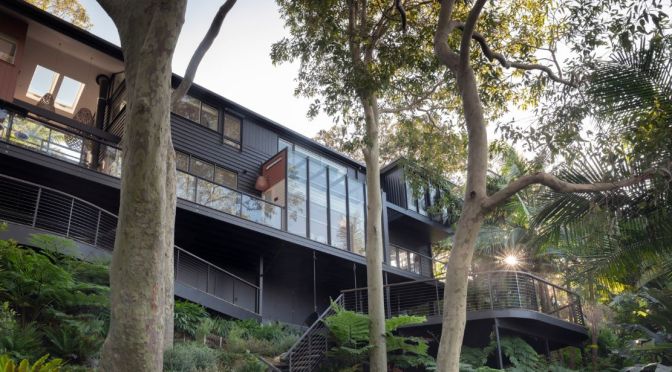
A luxury getaway home settled on a unique site, Crane Lodge immerses visitors in its natural context. Designed by Secret Gardens, the landscape architecture of the home enhances the sensory experience of the outdoors.
Video timeline: 00:00 – Crane Lodge as an Experience 00:44 – The Client’s Vision 01:05 – The Garden and The Setting 01:58 – Lodged Unusually High 02:21 – The Inclusion of Amenities 02:37 – The Team Involved 03:04 – Major Site Components 03:34 – A Strong Connection to The Outdoors 03:49 – A Natural Watering Hole 04:28 – Sympathetic Materials and Beautiful Features
Located in the Sydney suburb of Palm Beach, Crane Lodge sits on an elevated site. The design brief for the landscape of the luxury getaway home centred on creating a sense of arrival whilst allowing access to the house across the terrain. Employing an inclinator, Secret Gardens instils the arrival process with a sense of anticipation and discovery.
Many endangered species of plant are championed in the landscape design of the luxury getaway home and are designed to appear slightly unkempt. Secret Gardens also includes indigenous plants for cooking and educational purposes. A smattering of boulders surrounds the luxury getaway home, contributing to the impressive character of its external environment.
Secret Gardens purposefully positions the swimming pool adjacent to boulders, creating the impression that the amenity emerged naturally. The materials chosen for the landscape architecture of Crane Lodge express a sympathetic approach to nature. As a result, the luxury getaway home entirely embraces its context, with a landscape design that captures the essence of a bushwalk experience.
A selection of three essential articles read aloud from the latest issue of The Economist. This week, why ESG should be boiled down to emissions, why the Tory leadership race should focus on Britain’s growth challenge (10:00), and how software developers aspire to forecast who will win a battle (18:20).
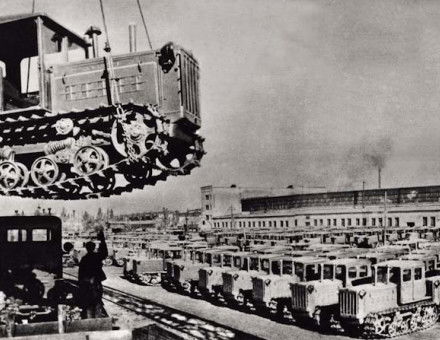
The Battle of Stalingrad began in August 1942, subjecting its residents to months of living hell. But few doubted that the city was worth defending; its significance to the Soviet project made it too important to abandon.
Missile strikes on the port of Odessa have dimmed hopes for a UN-brokered deal to get Ukraine’s grain on the move.
We ask what chances it may still have. Tunisia’s constitutional referendum looks destined to formalise a march back to the autocratic rule it shook off during the Arab Spring. And how Formula 1 is looking to crack America.
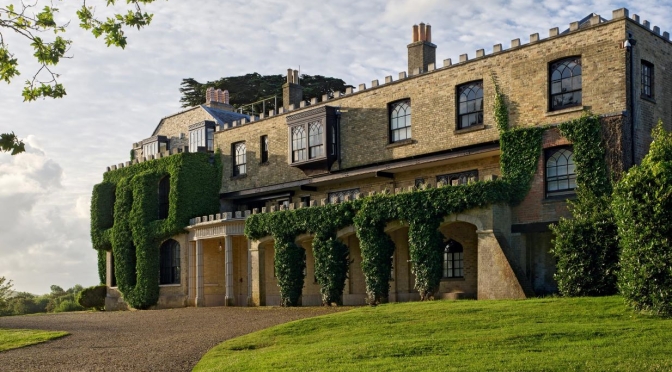
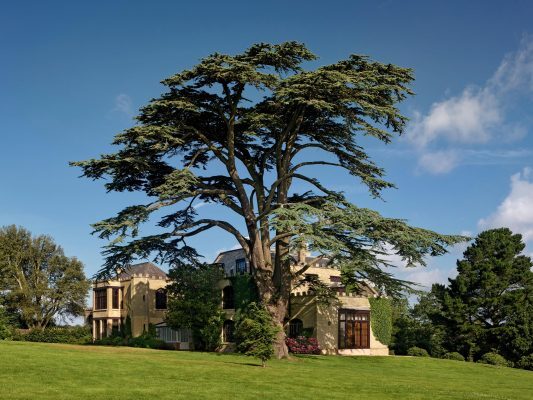
After nearly 60 years as a hotel, this former home of the poet Alfred, Lord Tennyson has been triumphantly restored as a house museum. John Goodall reports; photography by Paul Highnam.
On January 21, 1884, the poet laureate Alfred Tennyson was elevated to the peerage as Baron of Aldworth, Surrey, and of Freshwater on the Isle of Wight. As the editor of The Complete Peerage (1896) primly commented when recording this exceptional accolade, ‘the assumption of two places in different counties (more especially when the estate possessed is inconsiderable), cannot be commended’. Tennyson, however, would not have cared. Indeed, he had refused the offer of baronetcy four times and was only finally persuaded to accept it by his friend, the then Prime Minister, William Gladstone.
Tennyson chose this unusual title because — unconventionally for the period — he had houses in both places that he considered to be homes. Aldworth, which he generally occupied in the summer months, was a retreat from his house at Freshwater. This latter building, known as Farringford, was sold by the family in the 1940s and thereafter became a hotel. Returned back into private ownership in 2007, it has now undergone a renaissance at the hands of a Tennyson scholar, who has turned it into both a home and a house museum to the poet.
In the years immediately following his marriage in 1850, Tennyson and his wife, Emily, actively searched for a place to live. They heard from friends about a family house at Freshwater, on the north-western extreme of the Isle of Wight. Following a slightly depressing first viewing by Tennyson — then aged 44 — the couple came back together. An account of their visit in November 1853 is given in Emily’s journal. Travelling by train to Brockenhurst — where the railway line then ended — they caught an omnibus to Lymington and crossed on a still evening from the mainland in a rowing boat.
Emily was delighted by the house, which enjoyed an expansive prospect along almost the whole Hampshire coastline, and ‘looking from the drawing-room window, thought “I must have that view”, and so I said to him when alone. So accordingly we agreed… to take the place furnished for a time on trial with the option of purchasing’.
Our weekend programme comes live from Monocle’s radio studio in Zürich, where Tyler Brûlé and a panel of special-guest thought leaders discuss key topics in front of a studio audience.






 August 2022





 Boomers Daily