Category Archives: Reviews

New Architecture Books: “Zaha Hadid – Complete Works” (Taschen)

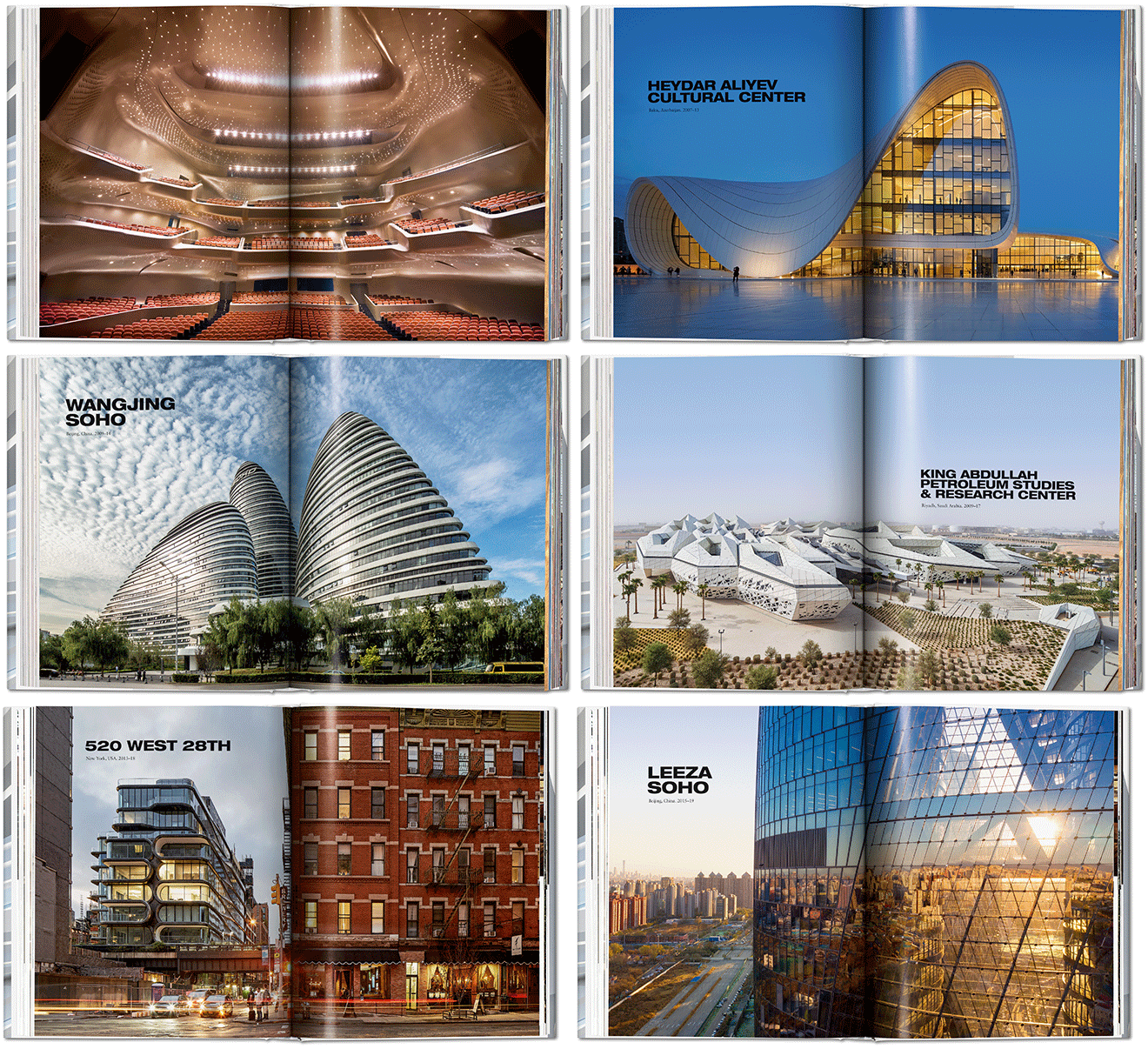
Zaha Hadid was a revolutionary architect. For years, she was widely acclaimed and won numerous prizes despite building practically nothing. Some even said her work was simply impossible to build. Yet, during the latter years of her life, Hadid’s daring visions became a reality, bringing a new and unique architectural language to cities and structures such as the Port House in Antwerp, the Al Janoub Stadium near Doha, Qatar, and the spectacular new airport terminal in Beijing.
TASCHEN

By her untimely death in 2016, Hadid was firmly established among architecture’s finest elite, working on projects in Europe, China, the Middle East, and the United States. She was the first female architect to win both the Pritzker Prize for architecture and the prestigious RIBA Royal Gold Medal, with her long-time Partner Patrik Schumacher now the leader of Zaha Hadid Architects and in charge of many new projects.

Based on the massive TASCHEN monograph, this book is now available in an extensively updated and accessible edition covering Hadid’s complete works, including ongoing projects. With abundant photographs, in-depth sketches, and Hadid’s own drawings, the volume traces the evolution of her career, spanning not only her most pioneering buildings but also the furniture and interior designs that were integrated into her unique, and distinctly 21st-century, universe.

The author

Philip Jodidio studied art history and economics at Harvard, and edited Connaissance des Arts for over 20 years. His TASCHEN books include the Architecture Now! series and monographs on Tadao Ando, Santiago Calatrava, Renzo Piano, Jean Nouvel, Shigeru Ban, Richard Meier, and Zaha Hadid.

Read more or purchase

Medical Videos: “How Coronaviruses Work” (Johns Hopkins Medicine)

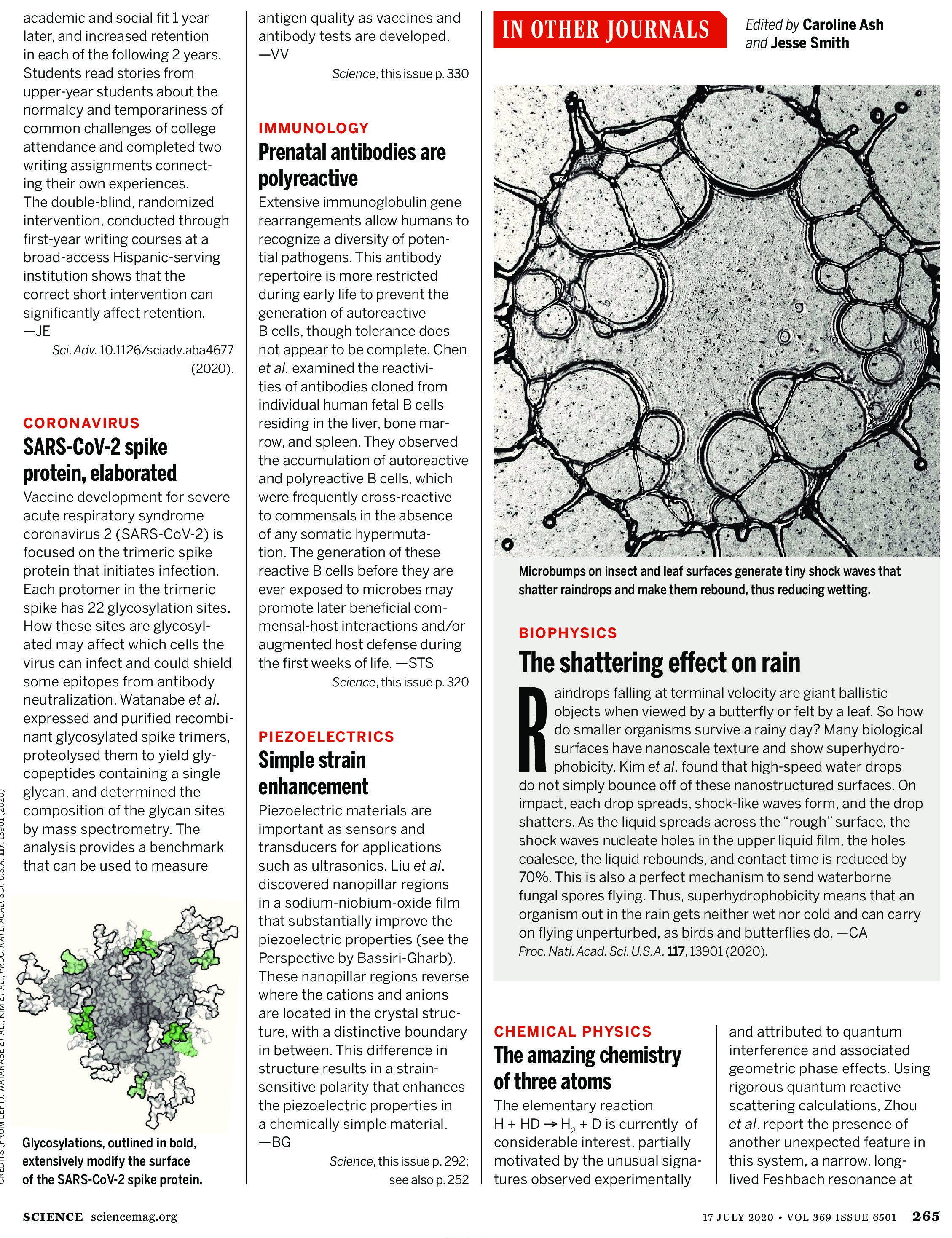
It’s one of the tiniest machines on the planet — about a hundred times smaller than the average cell. It’s so small that no scientist can spot it through a typical light microscope. Only with an electron microscope can we see its spiky surface. It’s not alive, and it’s not what most of us would think of as “dead.” This teensy machine seems to survive in a kind of purgatory state, yet it has traveled across continents and oceans from host to host, and brought hundreds of nations to a standstill. Despite its diminutive size, the novel coronavirus, dubbed SARS-CoV-2, has seemingly taken the world by surprise with its virulence.

Read more

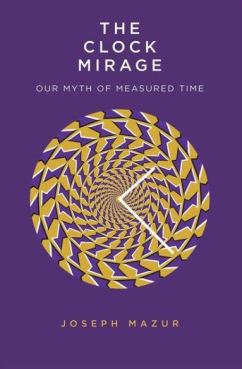
Books: “The Clock Mirage – Our Myth Of Measured Time” By Joseph Mazur

The Clock Mirage - Our Myth of Measured Time - Joseph Mazur - Book Review - July 2020With a narrative punctuated by personal stories of time’s effects on truck drivers, Olympic racers, prisoners, and clockmakers, Mazur’s journey is filled with fascinating insights into how our technologies, our bodies, and our attitudes can change our perceptions. Ultimately, time reveals itself as something that rides on the rhythms of our minds. The Clock Mirage presents an innovative perspective that will force us to rethink our relationship with time, and how best to use it.
A tour of clocks throughout the centuries—from the sandglass to the telomere—to reveal the physical, biological, and social nature of time.

Wall Street Journal Review

What is time? This question has fascinated philosophers, mathematicians, and scientists for thousands of years. Why does time seem to speed up with age? What is its connection with memory, anticipation, and sleep cycles?

Award‑winning author and mathematician Joseph Mazur provides an engaging exploration of how the understanding of time has evolved throughout human history and offers a compelling new vision, submitting that time lives within us. Our cells, he notes, have a temporal awareness, guided by environmental cues in sync with patterns of social interaction. Readers learn that, as a consequence of time’s personal nature, a forty‑eight‑hour journey on the space shuttle can feel shorter than a six‑hour trip on the Soyuz capsule, that the Amondawa of the Amazon do not have ages, and that time speeds up with fever and slows down when we feel in danger.

Read more or purchase

Cognition & Brain Studies: Apathy, Not Depression, Associated With Dementia

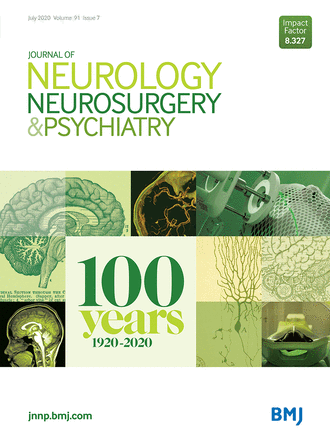
‘Journal of Neurology, Neurosurgery & Psychiatry” (July 10, 2020):

jnnp-2020-July-91-7-677-F1.mediumWe tested the hypothesis that apathy, but not depression, is associated with dementia in patients with SVD. We found that higher baseline apathy, as well as increasing apathy over time, were associated with an increased dementia risk. In contrast, neither baseline depression or change in depression was associated with dementia. The relationship between apathy and dementia remained after controlling for other well-established risk factors including age, education and cognition. Finally, adding apathy to models predicting dementia improved model fit. These results suggest that apathy may be a prodromal symptom of dementia in patients with SVD.

Cerebral small vessel disease (SVD) is the leading vascular cause of dementia and plays a major role in cognitive decline and mortality.1 2 SVD affects the small vessels of the brain, leading to damage in the subcortical grey and white matter.1 The resulting clinical presentation includes cognitive and neuropsychiatric symptoms.1

Apathy is a reduction in goal-directed behaviour, which is a common neuropsychiatric symptom in SVD.3 Importantly, apathy is dissociable from depression,3 4 another symptom in SVD for which low mood is a predominant manifestation.5 Although there is some symptomatic overlap between the two,6 research using diffusion imaging reported that apathy, but not depression, was associated with white matter network damage in SVD.3 Many of the white matter pathways underlying apathy overlap with those related to cognitive impairment, and accordingly apathy, rather than depression, has been associated with cognitive deficits in SVD.7 These results suggest that apathy and cognitive impairment are symptomatic of prodromal dementia in SVD.

Read full study

The Future Of Cycling: “Bosch eBike” (2020)

The Concept Bike is designed as an Urban Sports Cruiser – its carbon frame with fully integrated front and rear suspension offers maximum comfort for city adventures, commuter trips and off-road trails.

Bosch eBike Drive

The Bosch drive system merges with the frame and handlebar to form one unit in this design concept.

Bosch eBike Cockpit

The perfect integration of the Performance Line CX, the PowerTube 625, the new Nyon on-board computer and the Bosch eBike ABS make the eBike Design Vision a visual experience.

Bosch eBike Battery

Website

Architecture & Design: “Hafele Micro Living” By MKCA – “Transformative”

MKCA ArchitectsA micro-housing concept for Häfele, the leading manufacturer of architectural and furniture, lighting, and hardware. Designed to take advantage of Häfele’s comprehensive product line in both conventional and speculative ways and to position the brand as a resource for emerging models of living…

In an age where people are staying single longer and having children later, and increasingly competing for limited housing stock in our densest urban areas, there is an undeniable cultural shift toward smaller, more flexible ways to live. By strategizing around scenarios—how uses and activities unfold over the course of a day and evening— simple motions transition between and negotiate all of the functions we expect from our homes, transforming how a small space can work and feel like a much larger one.

As configured, the installation anticipates a boundary of approximately 12x16ft. Throughout the apartment, motions like folding, hinging, and sliding facilitate effortless transitions from one domestic activity to another. Even large activities with imposing physical footprints, such as entertaining guests for dinner, become possible and comfortable through simple motions that then also allow them to recede into the background.

Website

Top New Art Books: “The Irascibles: Painters Against The Museum – New York, 1950” (July 2020)

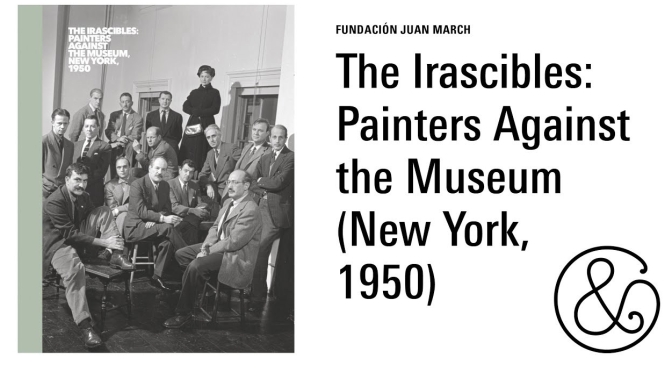
The first documentation of the legendary 1950 showdown between 18 leading abstract expressionists and the Metropolitan Museum of Art

In 1950, 18 American abstract painters signed an open letter addressed to the president of the Metropolitan Museum of Art to express their intense disapproval of the museum’s contemporaneous exhibit American Painting Today: 1950. The artists were William Baziotes, James Brooks, Fritz Bultman, Jimmy Ernst, Adolph Gottlieb, Hans Hofmann, Weldon Kees, Willem de Kooning, Robert Motherwell, Barnett Newman, Jackson Pollock, Richard Pousette-Dart, Ad Reinhardt, Mark Rothko, Theodoros Stamos, Hedda Sterne, Clyfford Still and Bradley Walker Tomlin.

This artistic coalition, which included many members of the New York School and is now considered a watershed movement in mid-20th-century American art history, challenged the museum’s policies for their narrow understanding of what made certain art worth exhibiting. Though they resisted being labeled as a collective, media coverage of the museum boycott, which included a now-famous group portrait in Life magazine taken by photographer Nina Leen, ultimately contributed to the success of the 18 “irascibles” in what became known as the abstract expressionist movement.

This publication collects 18 paintings by the artists, images from Leen’s photoshoot and extensive documentation of the letter-writing process with relevant catalogs and magazines. Featuring more than 230 illustrations alongside original essays by several art historians and curators that examine the complex history of the New York School, this volume serves as a time capsule of the exciting period of early abstract expressionism in the United States.

Read more or purchase

Health & Nature Books: “The Well-Gardened Mind” By Sue Stuart-Smith (2020)

 ‘The Well-Gardened Mind’ provides a new perspective on the power of gardening to change people’s lives. Here, Sue Stuart-Smith investigates the many ways in which mind and garden can interact and explores how the process of tending a plot can be a way of sustaining an innermost self.

A distinguished psychiatrist and avid gardener offers an inspiring and consoling work about the healing effects of gardening and its ability to decrease stress and foster mental well-being in our everyday lives.

The garden is often seen as a refuge, a place to forget worldly cares, removed from the “real” life that lies outside. But when we get our hands in the earth we connect with the cycle of life in nature through which destruction and decay are followed by regrowth and renewal. Gardening is one of the quintessential nurturing activities and yet we understand so little about it.

Stuart-Smith’s own love of gardening developed as she studied to become a psychoanalytic psychotherapist. From her grandfather’s return from World War I to Freud’s obsession with flowers to case histories with her own patients to progressive gardening programs in such places as Rikers Island prison in New York City, Stuart-Smith weaves thoughtful yet powerful examples to argue that gardening is much more important to our cognition than we think. Recent research is showing how green nature has direct antidepressant effects on humans. Essential and pragmatic, The Well-Gardened Mind is a book for gardeners and the perfect read for people seeking healthier mental lives.

Read more or purchase