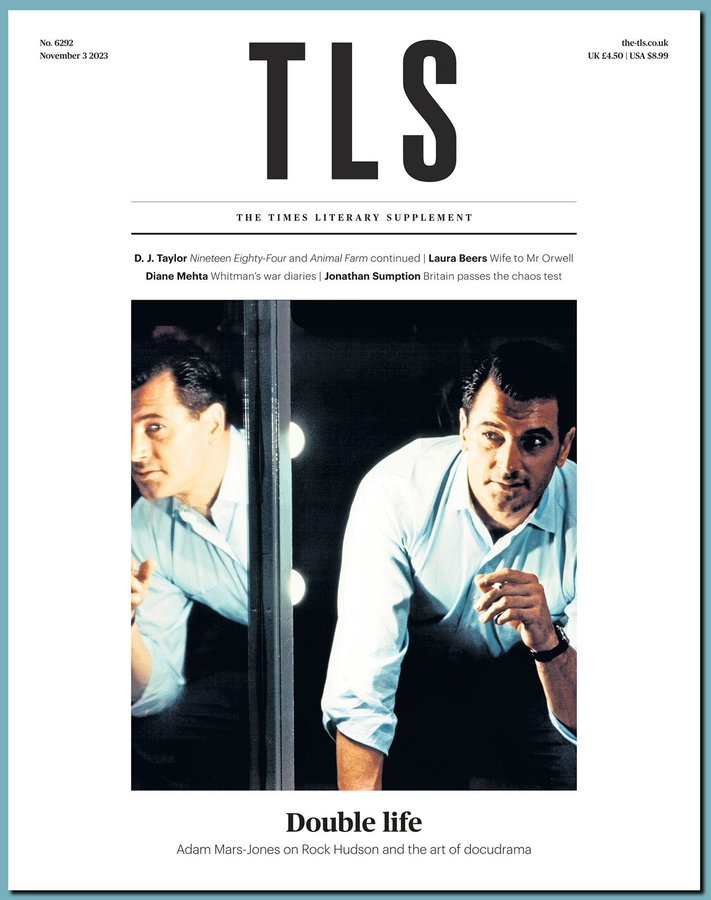
Times Literary Supplement (November 3, 2023): The new issue features Rock Hudson and the art of docudrama; Nineteen Eighty-Four and Animal Farm continued; Wife to Mr. Orwell; Whitman’s war diaries; Britain passes the chaos test and more…
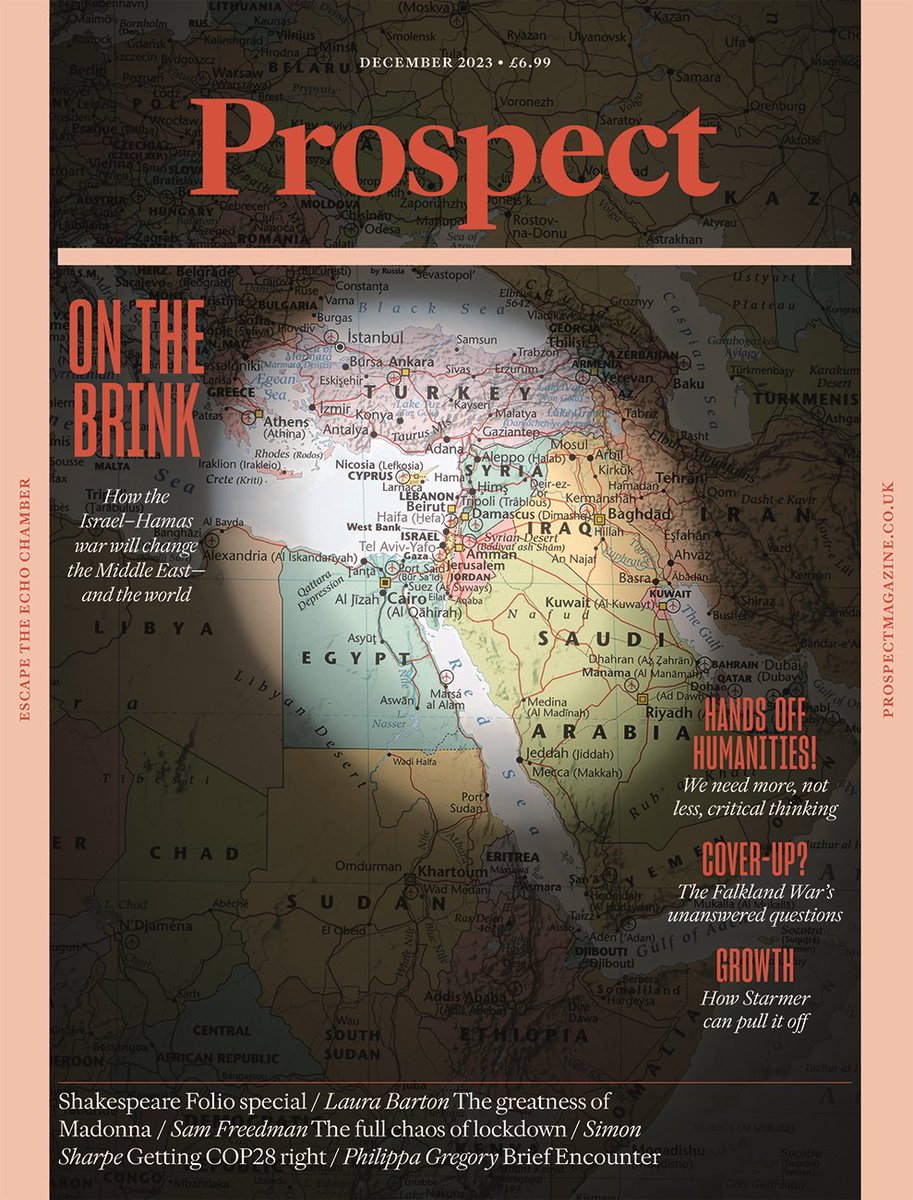
Prospect Magazine (December 2023)– The latest issue features Oh, the humanities! – History, literature, film studies; I still dream of peace – How Israel might emerge from the Gaza horror, and more…
The following words were written amid the storm of battle. Planes constantly circling in the sky, the bedroom turned into a shelter, the radio telling of new atrocities, the heart torn with fear as to the fate of missing persons. The days are now devoted to funerals and condolences, and the evenings to guarding our small community. I have participated in many demonstrations against the terrible folly of Benjamin Netanyahu, which found its outcome in the revenge and rage in Gaza on 7th October. Today, I try to be available for acts of support and solidarity with the victims on all sides. This beautiful land between the Jordan River and the Mediterranean Sea weeps bitterly, its two communities refusing to be comforted.
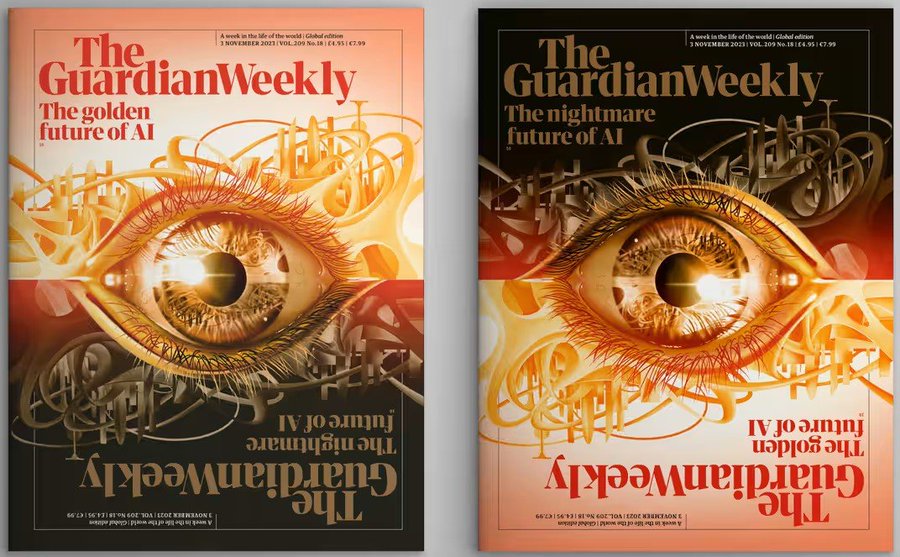
The Guardian Weekly (November 3, 2023) – The new issue features Bletchley Park, the main center of allied second world war codebreakers,and it’s no coincidence that the English country house was chosen as the venue for this week’s landmark summit on safety in artificial intelligence. The age of AI brings opportunities but also significant risks, as a number of experts in the field outlined in an open letter last week.
Global technology editor Dan Milmo discusses the pros and cons with one of the technology’s leading thinkers, Demis Hassabis, the CEO of Google DeepMind, who says the rise of AI must be thought of as seriously as the climate crisis. Then, Observer columnist Sonia Sodha argues that calling for AI to be reined in is not simply a sign of luddism.
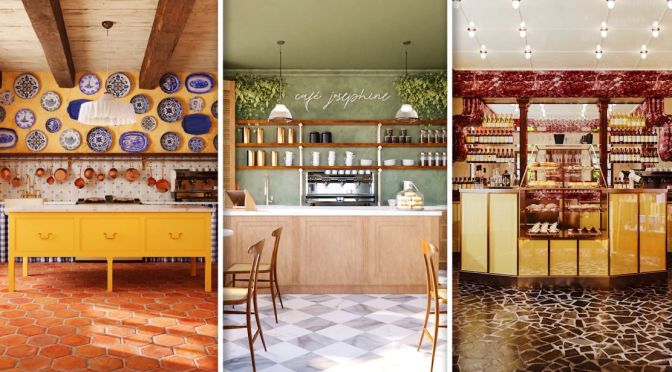
Architectural Digest (October 31, 2023) – We gave interior designers Laura Hodges, Patrick Mele, and Xavier Donnelly a photo of the same empty NYC cafe—then asked each of them to transform the space in their particular style, however they pleased with no restrictions.
Three artists, one canvas, each bringing something different to the space. Which coffee shop do you see yourself cozying up in with a hot drink this fall?
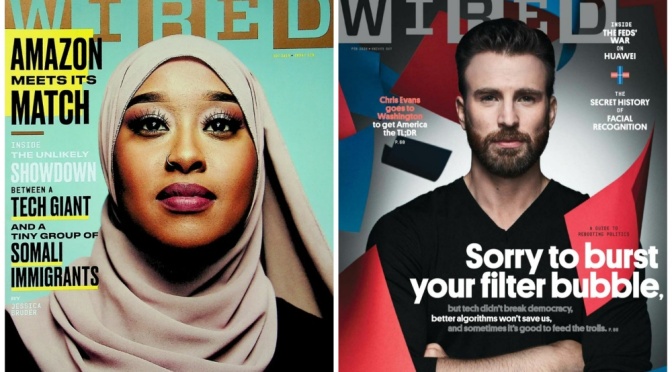
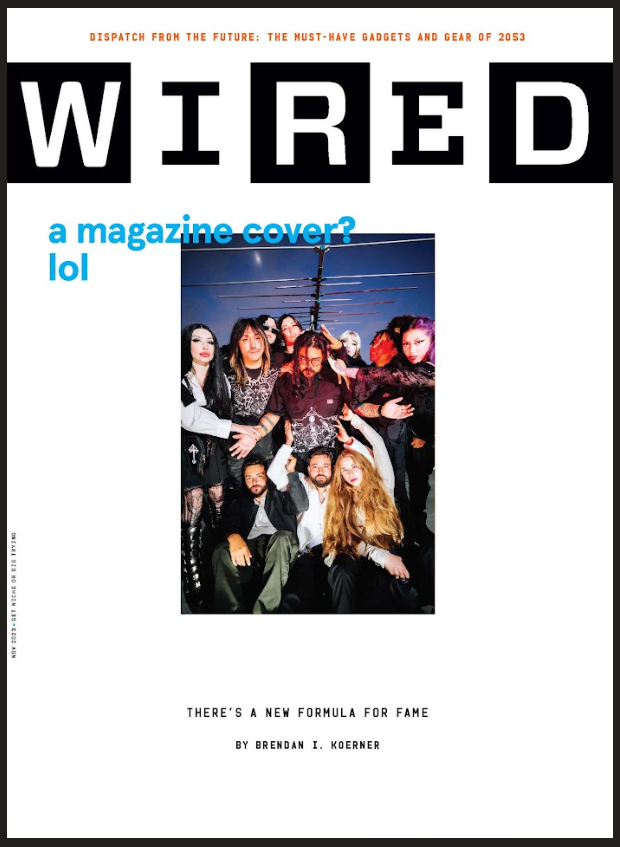
WIRED MAGAZINE (October 31, 2023) – The latest issue features understanding Tik Tok and talent manager Ursus Magana; How Telegram Became a Terrifying Weapon in the Israel-Hamas War; Here’s the Truth Behind the Biggest (and Dumbest) Battery Myths, and more…
The creator economy is fragmented and chaotic. Talent manager Ursus Magana can (almost) make sense of it, with a frenetic formula for gaming the algorithms.
Hamas posted gruesome images and videos that were designed to go viral. Sources argue that Telegram’s lax moderation ensured they were seen around the world.
At around 8 am local time the morning of October 7, Haaretz’s cyber and disinformation reporter, Omer Benjakob, was woken by his wife at their home in the historic port city of Jaffa. Something was happening in southern Israel, she said, but Benjakob shrugged it off, presuming “another round of the same shit.” Flare-ups between the Israel Defense Forces (IDF) and militants in southern Israel are not uncommon. “No, no,” Benjakob’s wife insisted. “It’s more serious.”
Yes, charging your phone overnight is bad for its battery. And no, you don’t need to turn off your device to give the battery a break. Here’s why.
For an object that barely ever leaves our palms, the smartphone can sometimes feel like an arcane piece of wizardry. And nowhere is this more pronounced than when it comes to the fickle battery, which will drop 20 percent charge quicker than you can toggle Bluetooth off, and give up the ghost entirely after a couple of years of charging.
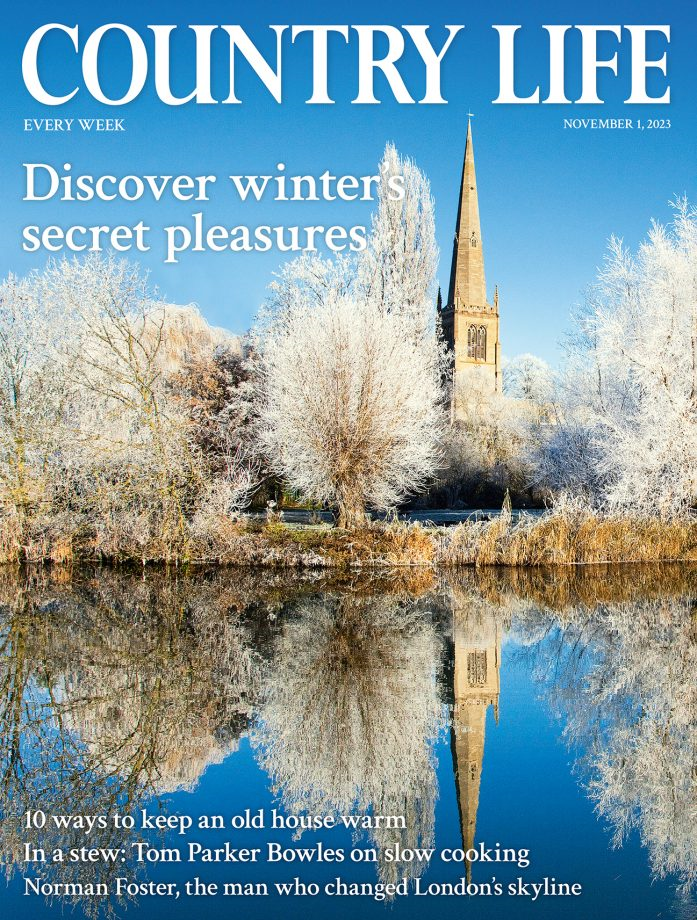
Country Life Magazine – November 1, 2023: The new issue features the rural delights of Durslade Farm to the heart of Mayfair; The secret garden in Regent’s Park in London; Norman Foster, the architect who helped shape the capital; the historic American bars that offer a taste of the US on this side of the pond, and more…
London Life
Emma Love welcomes the rural delights of Durslade Farm to the heart of Mayfair
The secret garden in Regent’s Park, seasonal suggestions and Matthew Williamson’s London
Carla Passino meets Norman Foster, the architect who helped shape the capital
Robert Crossan visits the historic American bars that offer a taste of the US on this side of the pond
Nick Trend’s favourite painting
The art historian picks a steely-eyed painting that signalled the invention of the self-portrait
At Canaan’s Edge
Carla Carlisle ponders the story of the Promised Land and hopes that common sense prevails
A local revival
The future is bright for Lytham Hall after locals stepped in to save the house at the heart of the Lancashire estate, as John Martin Robinson discovers
A nightingale sang…
Tiffany Daneff visits a garden in Kent planted for wildlife and surrounded by new woodland
Native breeds
Kate Green admires the hardy Lincoln Red, a low-input rare breed that produces quality beef
Stranger things
From horn dancing to burning barrels and cheese rolling, Harry Pearson delves into weird and wonderful British folk festivals
You’re a dark horse
The black horse is a symbol of strength and courage. Celia Brayfield gallops through the history of the fabled steed
Kitchen garden cook
Melanie Johnson savours the turnip’s sweet and nutty flavour, perfect with scallops
Travel
Jo Rodgers follows in the foot-steps of the Durrells in Corfu
Welcoming, home-from-home villas
Pamela Goodman pedals off the beaten cycle path
Speak like a Georgian
Know your ‘fubbs’ from your ‘fizzle’ — Matthew Dennison investigates 18th-century slang
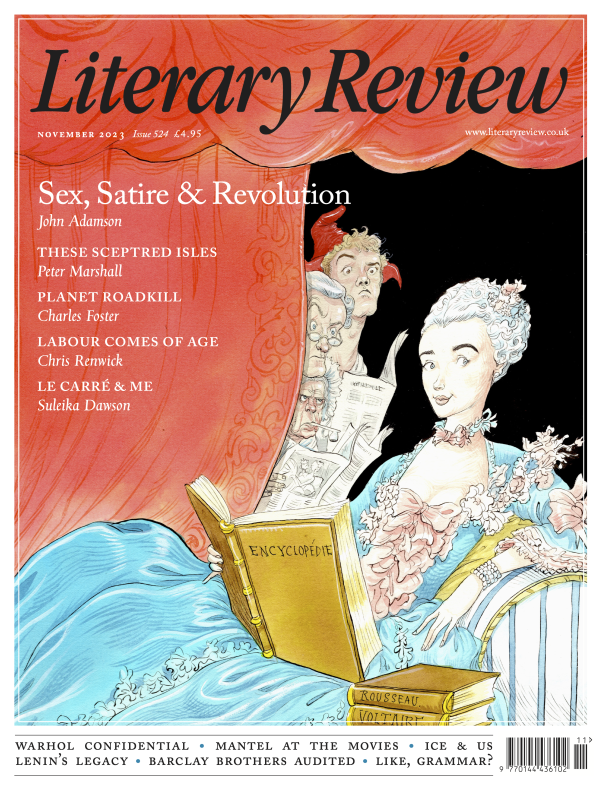
Literary Review – November 2023: The new issue features Sex, Satire & Revolution; The Race to the Future: The Adventure that Accelerated the Twentieth Century; Notes from the Atlantic Archipelago – The Britannias: An Island Quest; and more…
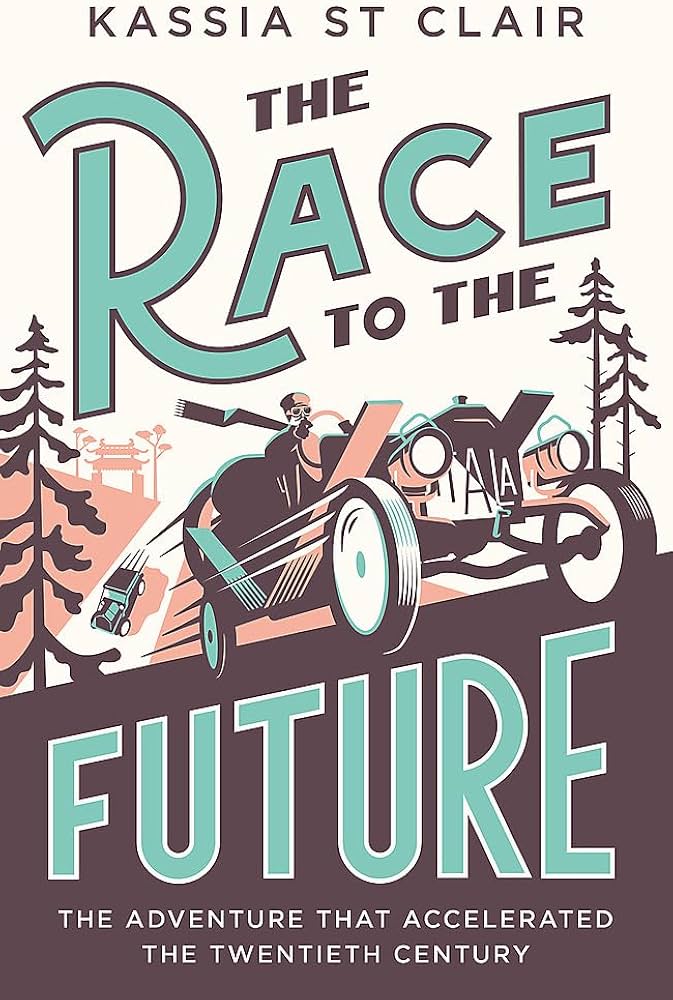
The Race to the Future: The Adventure that Accelerated the Twentieth Century
By Kassia St Clair
Cost, not a lack of courage, ensured that the entry field for the 1907 Peking to Paris car race was small. A massive two-thousand-franc deposit (equivalent to a professor’s annual salary) kept all but five of the aspiring contestants out of the race. That exclusion, as Kassia St Clair demonstrates in her captivating history of one of the most challenging endurance trials in the history of motoring, was precisely what the organisers intended.
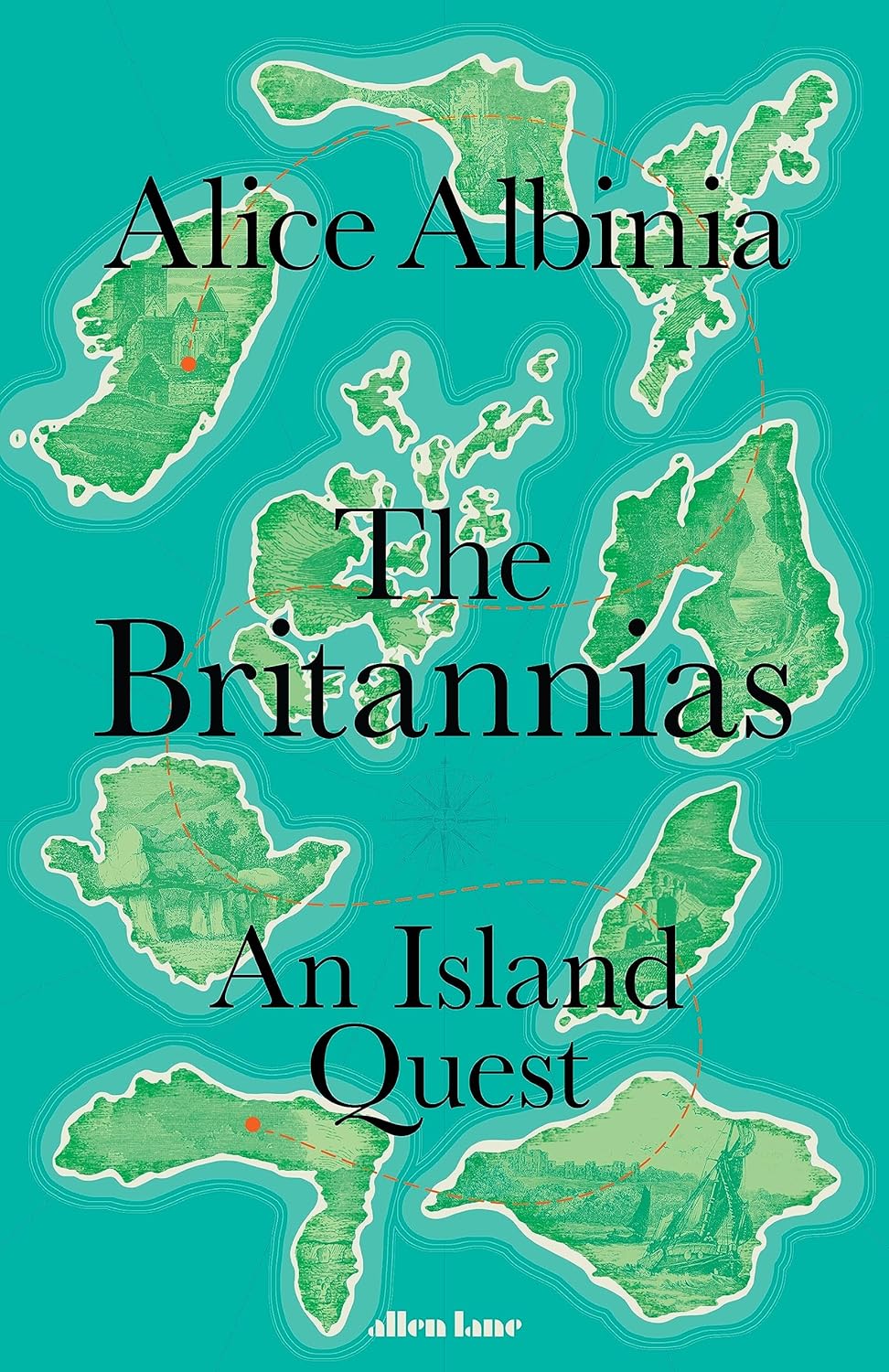
In July 2023 Orkney Islands Council voted to explore alternative governmental arrangements for the archipelago. One option proposed by the council leader was for it to become a self-governing territory of Norway, the kingdom which lost control of Orkney to Scotland in 1468. The episode – in reality, a smart political stunt in a row over the Scottish government’s transport policy – attracted extraordinary international attention. In the UK press, it was treated with an uneven mixture of constitutional soul-searching and patronising amusement at the Passport to Pimlico-styleantics of the Orcadians.
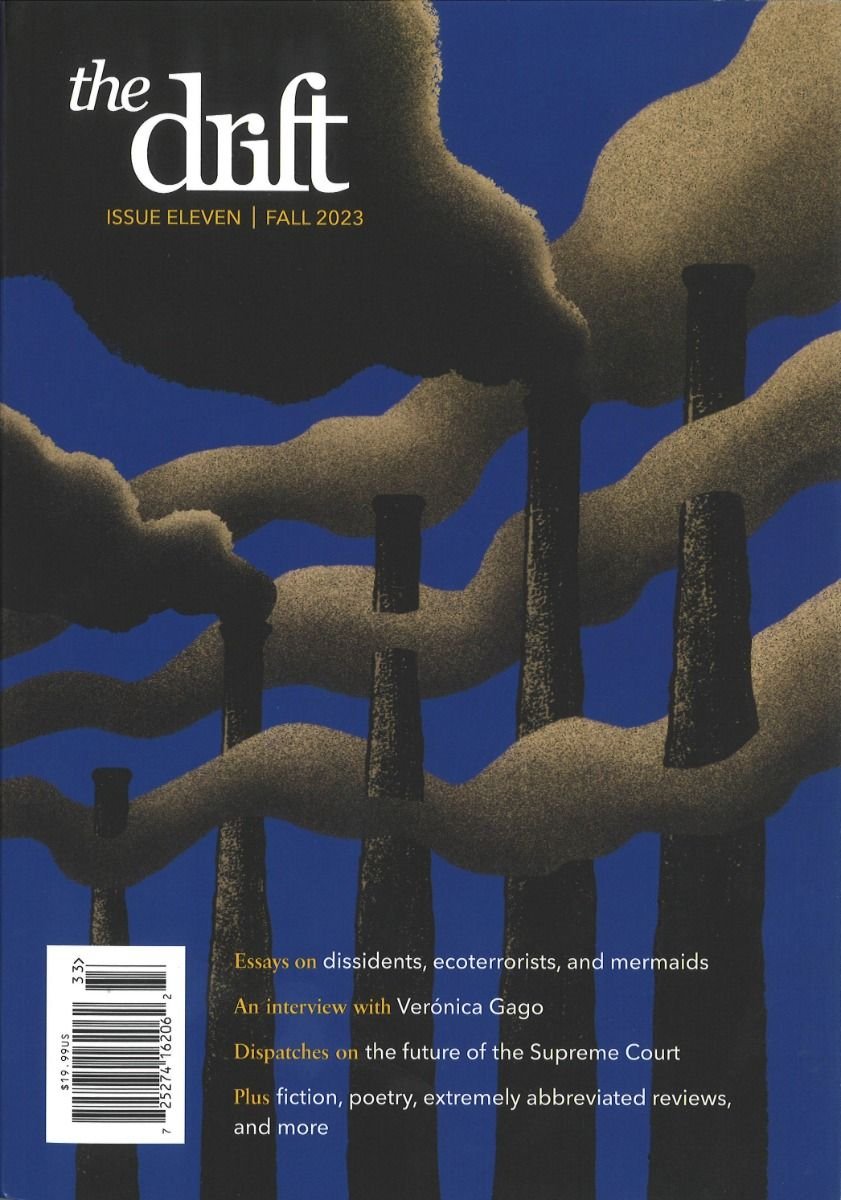
The Drift Magazine – Fall 2023 Issue – Essays on dissidents, ecoterrorists, and mermaids; an interview with Veronica Gago, Dispatches on the future of the Supreme Court; also fiction, poetry, reviews and more…
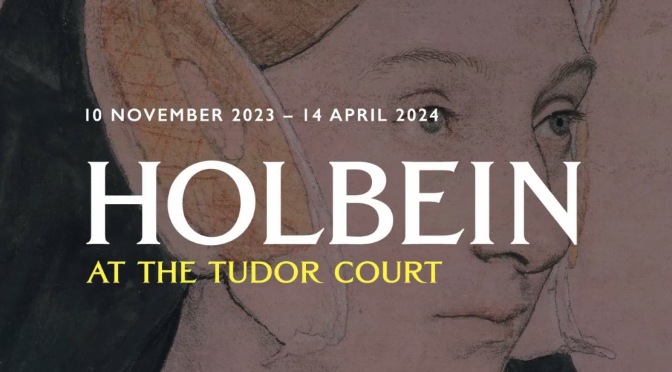
Royal Collection Trust (October 30, 2023) – Explore the art of the image-maker of the Tudor court in the Royal Collection. Watch the film to discover the importance of the drawings, paintings and miniatures in the Royal Collection.
Discover how Holbein rose to become Henry VIII’s court painter and find out more about the techniques he used. See a rare moment where Holbein’s preparatory drawing and finished painting were reunited. Hans Holbein was one of the most talented artists of the 16th century.
From his arrival in England in search of work he rose to royal favor, chosen to paint the portraits of Henry VIII, his family and leading figures, among them Anne Boleyn and Sir Thomas More. By his death, Holbein’s work was as admired by his contemporaries as it is today. His portraits inspired the next generation of artists in their depictions of Edward VI, Mary I and Elizabeth I.
News, Views and Reviews For The Intellectually Curious





















 Boomers Daily