



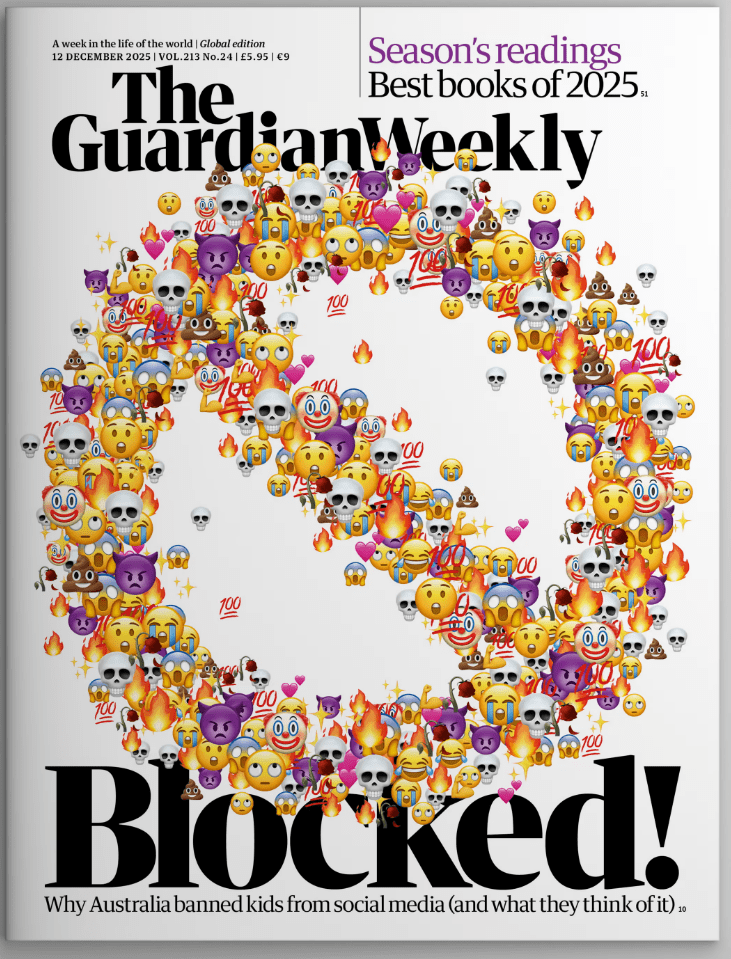
THE GUARDIAN WEEKLY: The latest issue features ‘Blocked!’ – Why Australia banned kids from social media (and what they think of it)
Millions of teenagers in Australia woke up on Wednesday to find themselves locked out of social media accounts after the government introduced a ban for under-16s – the first of its kind – on the platforms.
Far from being a kneejerk response to a moral panic, it’s a move backed up by detailed investigation into the effects of unfettered online access on children – and one that several other countries are poised to follow. Australian eSafety research found seven in 10 children aged 10 to 15 had encountered content associated with harm online. Three-quarters of those had most recently encountered that – including misogyny, violence, disordered eating and suicide – on a social media platform.
“We are seeking to create some friction [in the] system to protect children where previously there has been close to none … We are treating big tech like the extractive industry it has become,” Australia’s eSafety commissioner, Julie Inman Grant, told an audience earlier this year.
Spotlight | Syria, one year after Assad
While country’s return to global stage has filled many Syrians with pride, domestically old grievances threaten efforts to rebuild the state. William Christou reports from Damascus
Feature | The inside story of the race to create the ultimate AI
In Silicon Valley, rival companies are spending trillions of dollars to reach a goal that could change humanity – or potentially destroy it. Robert Booth reports
Feature | On the trail of London’s snail farming don
Terry Ball – renowned shoe salesman, friend to former mafiosi – has vowed to spend his remaining years finding ways to cheat authorities he feels have cheated him. His greatest ruse? A tax-dodging snail empire. Jim Waterson caught up with him
Opinion | What words are left to describe Trump’s global rampage?
Deadly US boat strikes in the Caribbean are the latest example of a president corrupting both the law and morality, argues Jonathan Freedland
Culture | The best books of 2025
From fiction to food, people to poetry, science to sport: Guardian critics round up the year’s essential reads

TIMES LITERARY SUPPLEMENT: The latest issue features ‘A Snail’s Tale – An unpublished story by Sylvia Townsend Warner…
Tactful notes from a literary self-promoter By Nicola Shulman
Marking the 250th anniversary of Jane Austen’s birth By Devoney Looser
Irritating professors for the ages By Peter Thonemann
An unpublished story by Sylvia Townsend Warner, with a commentary by Peter Swaab By Sylvia Townsend Warner

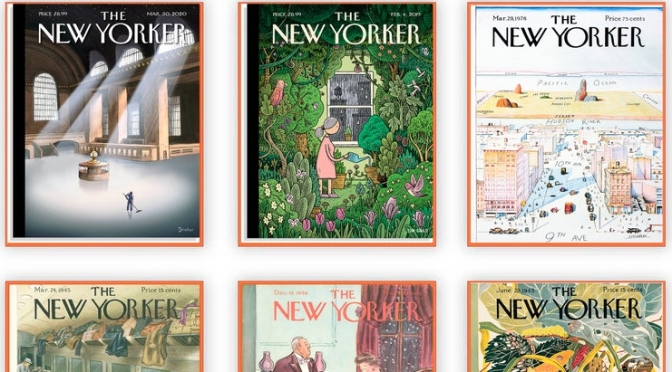
THE NEW YORKER MAGAZINE: The latest cover features ‘Pierre-Emmanuel Lyet’s “Christmas Avenue”’ – The celebratory chaos of the season.
Pete Hegseth’s conduct is a case study in how the government’s growing sense of heedlessness and unaccountability is shaping disastrous policy. By Jonathan Blitzer
The scientist was famous for linking healing with storytelling. Sometimes that meant reshaping patients’ reality. By Rachel Aviv
In the wake of President Trump’s reëlection, the number of aggrieved Americans seeking a new life abroad appears to be rising. The Netherlands offers one way out. By Atossa Araxia Abrahamian
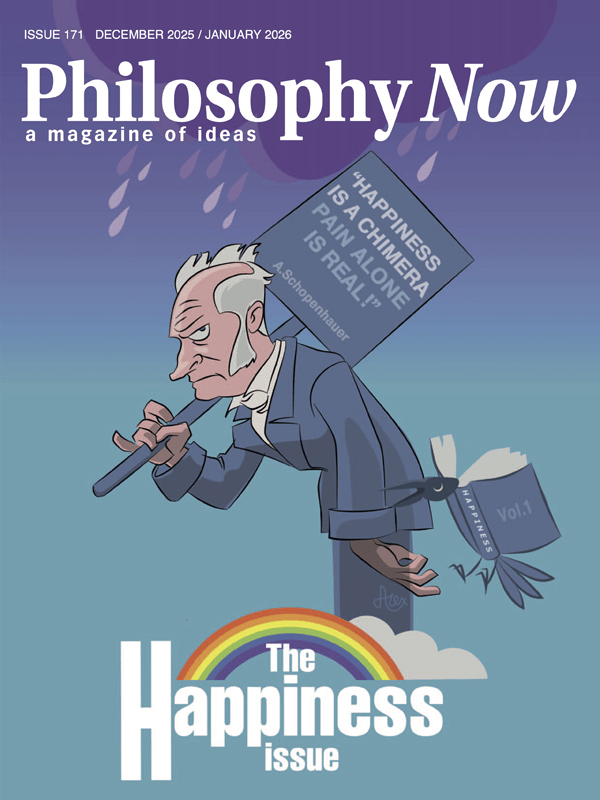
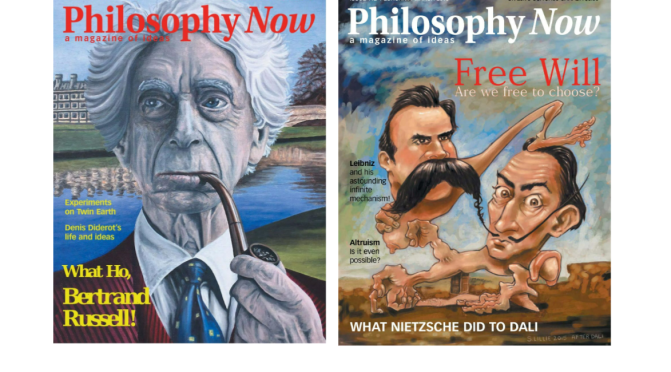
PHILOSOPHY NOW MAGAZINE: The latest issue features ‘The Happiness Issue’
Michael Gracey looks at how philosophers have pursued happiness.
Arthur Schopenhauer (1788-1860), the author of The World as Will and Representation, was a profound metaphysician who also advocated basing ethics upon compassion. He was a great philosopher, but notoriously pessimistic, as the following quotations might suggest.
Matthew Hammerton points out that a meaningful life and a life that goes well for you might not be the same thing.
Abdullah Rayhan breaks down ‘happiness’ with Boethius, Kierkegaard & Montaigne.
Jahnvi Borgohain looks at a variety of approaches to happiness.
Tara Daneshmand on regret and the courage to choose.

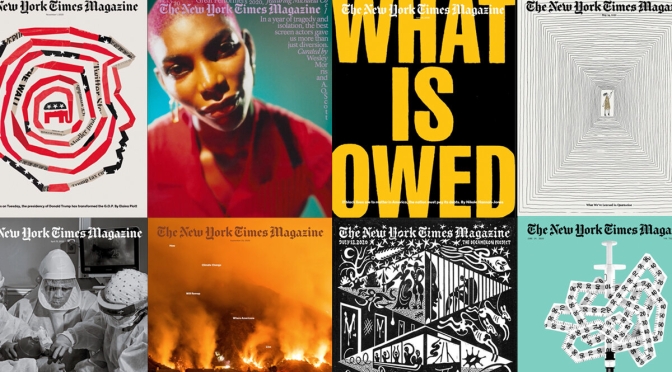
THE NEW YORK TIMES MAGAZINE: The 12.7.25 Issue features David Darlington on the dangers of e-bikes; Carlo Rotella on A.I. in the classroom; Lizzy Goodman on the music of Shaboozey; and more.
Unregulated e-bikes are a growing danger on American streets. In one Bay Area town, a terrible accident finally led to reform.
If only they were robotic! Instead, chatbots have developed a distinctive — and grating — voice .By Sam Kriss
The man’s unchecked bleeding was a mystery for years before a scan revealed the cause. By Lisa Sanders, M.D.
An adaptation of Denis Johnson’s novella arrives at the same time as a new biography, unlocking one of his best-loved and least-understood books.

Private-market institutions are taking over from old-line legacy banks. The names to watch—and the dangers to watch out for.
Wall Street isn’t hiding how worried it is about the acquisition. The stock is taking a hit.
Since 2023, there have been over 230 offerings below $15 million apiece on Nasdaq, compared with 33 on the New York Stock Exchange.
A good year for stocks—and big gains in tech—may be making your portfolio too risky. How to get it in shape for 2026.
The history of technological innovation suggests it will take longer to reap the benefits of artificial intelligence than its champions realize. That spells problems for the economy.

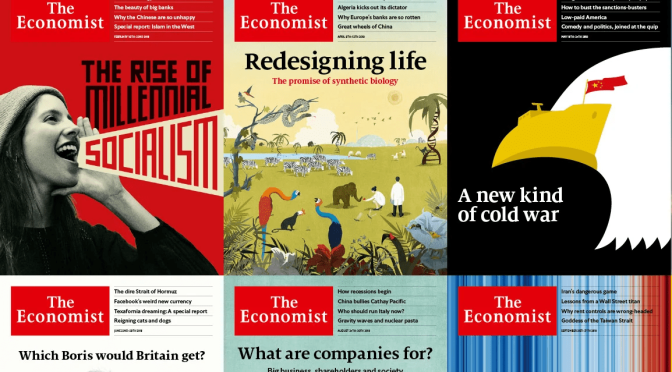
THE ECONOMIST MAGAZINE: The latest issue features ‘How AI is rewiring childhood‘
The technology presents dazzling opportunities—and ominous risks
America will not. Europe’s security depends on agreeing how to
The president has been a deft diplomat, but must do more reassure Syrians
President Trump should choose the technocrat over the partisan
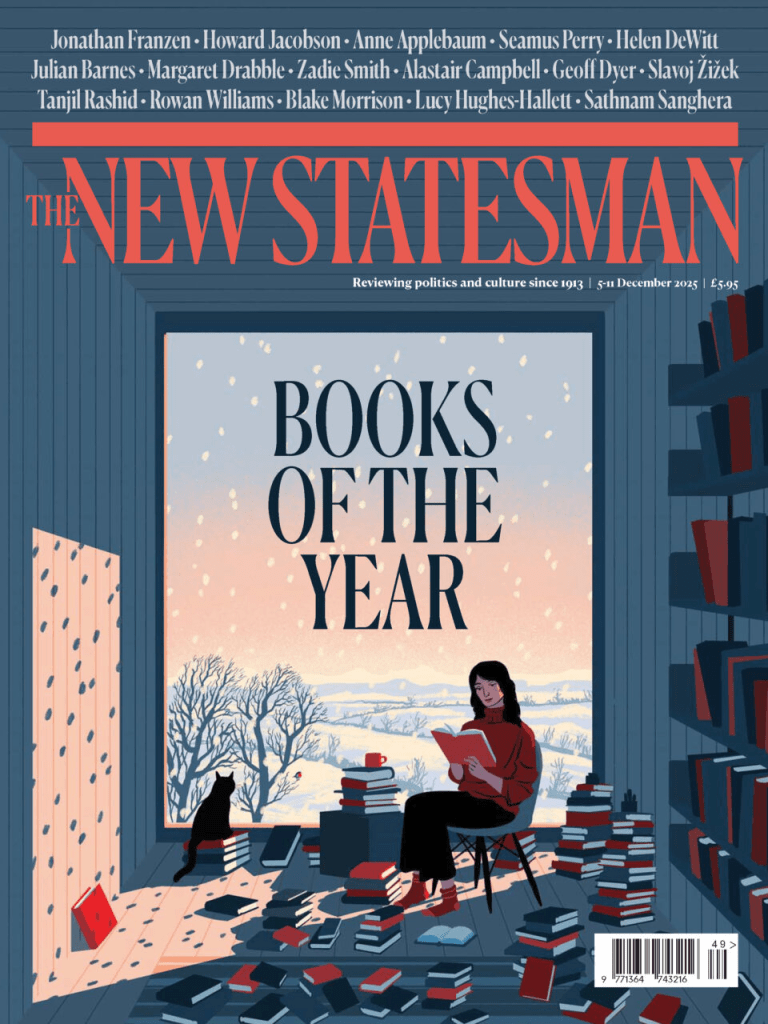
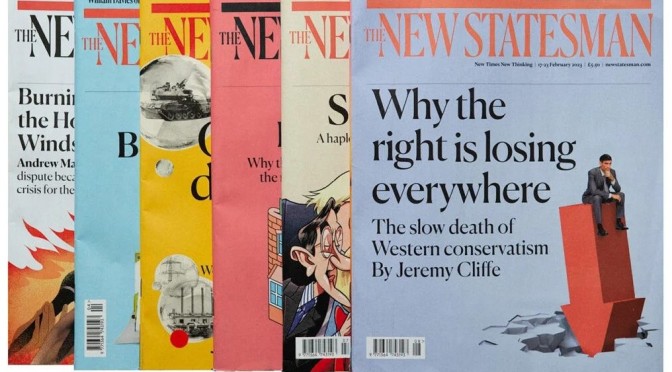
THE NEW STATESMAN (June 18, 2025): The latest issue features ‘Books of the Year’…
We announce the New Statesman’s fiction and non-fiction books of the year By Tanjil Rashid
There is still much to discover from the great show of life
The author’s late style in The Eleventh Hour, his new collection of fiction, reveals a venerable writer displaced by timeBy Tanjil Rashid
America’s chaotic negotiations risk prolonging the chaos not ending it By Lawrence Freedman


 Boomers Daily