Frank Lloyd Wright: The Lost Works explores some of Wright’s most important demolished and unrealized structures. The project brings these lost buildings to life through immersive digital animations reconstructed from Wright’s original plans and drawings, along with archival photographs.
Two years in the making and based on a Japanese publication of original plans and historical photos, Frank Lloyd Wright: The Lost Works – The Imperial Hotel is a comprehensive digitally-animated recreation of the exterior (Part I) and interior (Part II) of this masterpiece.
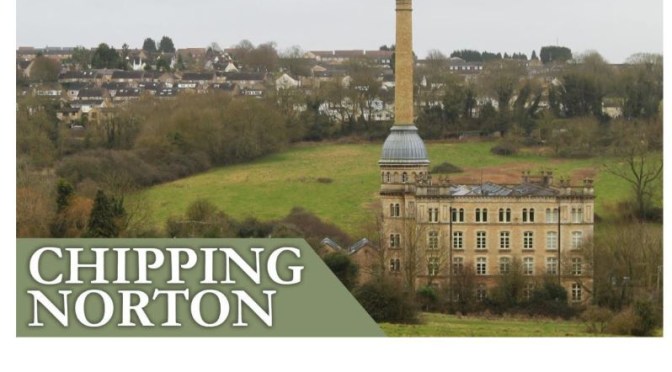
Chipping Norton is another classic market town in the east of the Cotswolds. Another settlement regarded as a gateway to the AONB, it is often renowned for the Bliss Tweed Mill. The town centre is unusually steep, with one row of houses much higher than the opposite side. This is well worth a visit as a classic English town.
Mozambique is a southern African nation whose long Indian Ocean coastline is dotted with popular beaches like Tofo, as well as offshore marine parks. In the Quirimbas Archipelago, a 250km stretch of coral islands, mangrove-covered Ibo Island has colonial-era ruins surviving from a period of Portuguese rule. The Bazaruto Archipelago farther south has reefs which protect rare marine life including dugongs.
Mayo Clinic Insights: Dr. Swift discusses what you need to know about the new Johnson & Johnson COVID-19 vaccine. For more up to date information about COVID-19, visit https://mayocl.in/3aUioXa
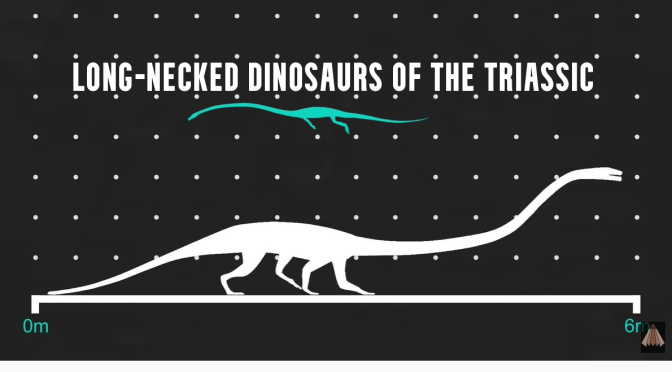
The Triassic was full of many bizarre creatures and no animal showed this more then Tanystropheus that had a neck that measured the same length as the rest of its body. So where did Tanystropheus come from and why did it have such a long neck?
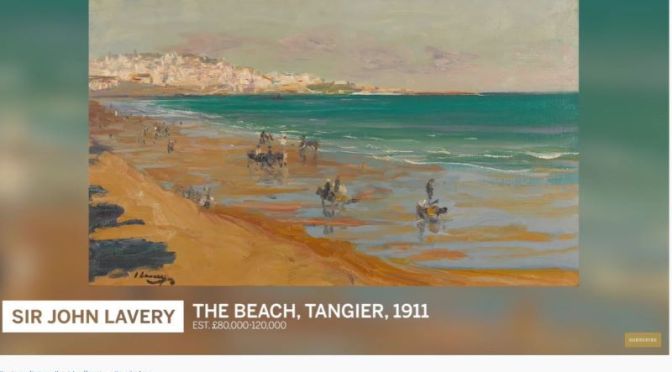
Orientalist art transports and immerses the viewer into a place in time. 100 and more years after it was painted, it beguiles us even now. Sotheby’s upcoming Orientalist sale (22 – 30 March) which includes works from the celebrated Najd Collection, features fascinating landscapes from John Lavery’s depictions of Tangier to Edward Lear’s View of the Pyramids Road. As well as stunning scenery, artists captured the lives of water sellers, musicians and soldiers, providing valuable documentary evidence of how the Orient looked at a time when the region was still an elusive dream to many.
A matriarchy rules on one of the Bijagos Islands off the coast of Guinea-Bissau. The tribe of the same name lives on Orango, one of the most populated islands in the archipelago. Women dominate public and private life there. This documentary focuses on the women of the Bijagos tribe of Guinea-Bissau. Unlike many women in traditional and modern societies elsewhere, they pick their husbands, propose marriage and own their homes.
In addition to being responsible for raising children, they also act as high-priestesses in animist ceremonies, organize work, guard the keys to the rice stores, lead their families and ensure there are descendants to continue the line. The Bijagos revere women, who are believed to be in charge of the balance between the worlds of the living and the dead. A matriarchy of this kind is unusual, not only for Africa but around the world. Even though this culture has persisted for centuries, aspects of Western lifestyles are starting to gain a foothold. Rising rates of school attendance could contribute to the demise of the community’s traditions. Future generations will determine whether the Bijagos can retain their culture.
Guinea-Bissau is a tropical country on West Africa’s Atlantic coast that’s known for national parks and wildlife. The forested, sparsely populated Bijagós archipelago is a protected biosphere reserve. Its main island, Bubaque, forms part of the Orango Islands National Park, a habitat for saltwater hippos. On the mainland, the capital, Bissau, is a port with Portuguese colonial buildings in its old city center.
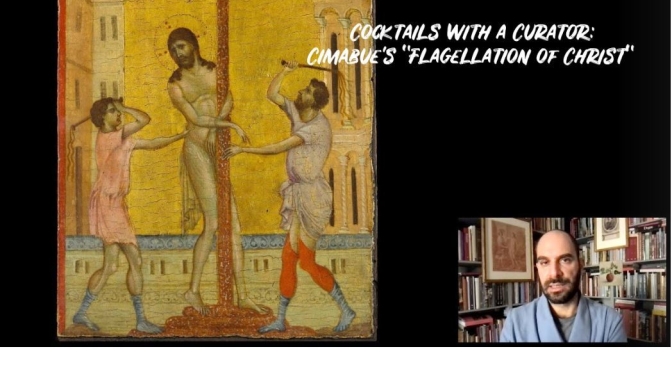
In this week’s episode of “Cocktails with a Curator,” Deputy Director and Peter Jay Sharp Chief Curator Xavier F. Salomon examines the only work by Cimabue in a public collection in the United States, a small panel depicting “The Flagellation of Christ.” Acquired by the Frick in 1950, the attribution of this work was a topic of debate until a sister panel was discovered in 2000, establishing that they once belonged to a larger ensemble by the 13th-century Florentine. (In 2019, a third fragment was discovered.) As a nod to the gold background, this week’s complementary cocktail is the Gold Rush, a drink invented in New York in the 1920s.
Cimabue, also known as Cenni di Pepo or Cenni di Pepi, was an Italian painter and designer of mosaics from Florence. Although heavily influenced by Byzantine models, Cimabue is generally regarded as one of the first great Italian painters to break from the Italo-Byzantine style.
See what’s up with wasabi (Japanese horseradish), the root with a pungent punch that plays an important role in Japanese cuisine.
Wasabi or Japanese horseradish is a plant of the family Brassicaceae, which also includes horseradish and mustard in other genera. A paste made from its ground rhizomes is used as a pungent condiment for sushi and other foods.
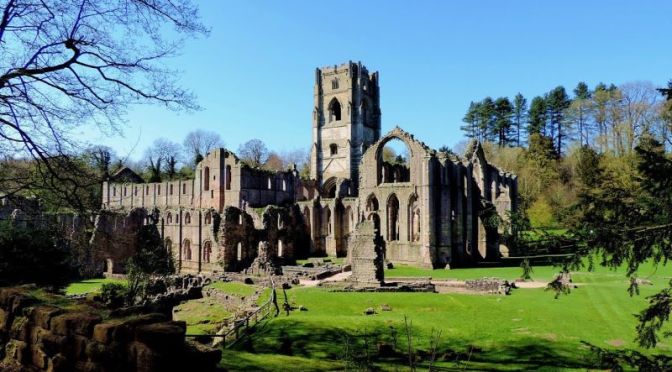
In this video tour, you’ll discover the story of Fountains Abbey, North Yorkshire, where archaeology has shed light on medieval life. Learn more about these archaeological finds and understand how modern technology allows this journey of discovery to continue.
Fountains Abbey is one of the largest and best preserved ruined Cistercian monasteries in England. It is located approximately 3 miles south-west of Ripon in North Yorkshire, near to the village of Aldfield.
News, Views and Reviews For The Intellectually Curious






 Boomers Daily