
Category Archives: Health
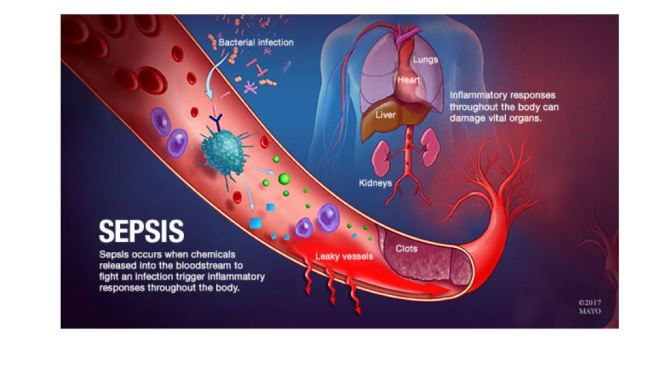
Mayo Clinic Health Video: Dangers Of “Sepsis” Now Require Response Teams In Intensive Care Units
Our bodies are very good at fighting infection. The immune system reacts and attacks bacteria and viruses that make us sick. But sometimes the immune reaction is so strong that it damages the body. This is called a septic reaction or sepsis, and the mortality rate associated with it can be high.
In fact, a new study suggests that sepsis is responsible for 20 percent of all deaths worldwide. That’s more deaths than are estimated to be attributable to cancer. At Mayo Clinic, doctors like Kannan Ramar, M.B.B.S., M.D., are trying to change that with a sepsis response team in intensive care units. Their goal: to stop sepsis and save lives.
More health and medical news on the Mayo Clinic News Network. https://newsnetwork.mayoclinic.org/
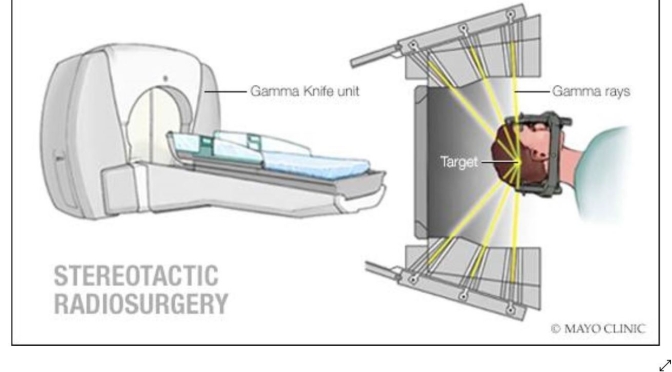
Medical Procedures: How “Gamma Knife” Surgery Treats Brain Tumors
It’s called gamma knife surgery, but there’s no cutting involved. It’s been used at Mayo Clinic for 30 years as an alternative to open brain surgery.
The patient’s head is held still during the procedure with a headframe, which also serves as a map for the radiation. Using 3D imaging — typically an MRI — as a guide, the gamma knife is targeted directly at the tumor. And with no hospital stay and minimal side effects, it’s a procedure that is efficient and can be lifesaving.
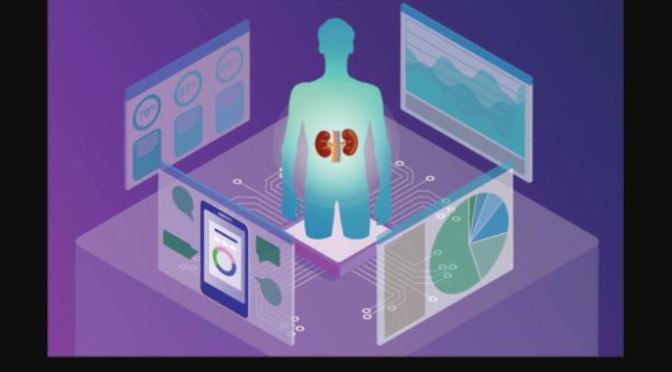
Digital Medicine: Apps For Smartphones, Machine Learning To Treat Kidney Disease (The Lancet)
From a The Lancet online article (January 18, 2020):
 Smartphone app-based platforms for urine testing could improve adherence to albumin creatinine ratio (ACR) testing. One study showed screening of at-risk patients almost doubled with a home urine test kit that uses a smartphone camera to easily and accurately quantify ACR from a user-performed urine dipstick. If independently validated in a large, diverse population, this low-cost strategy could change the often dim trajectory for individuals with declining kidney function.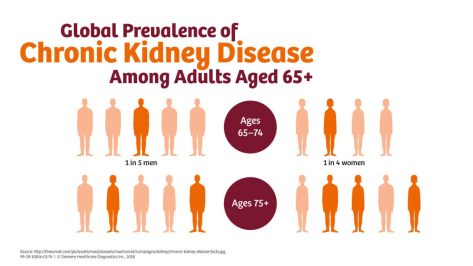
In the outpatient setting, a Japanese team used machine learning and natural language processing to predict disease progression and need for dialysis over 6 months in patients with diabetic nephropathy. And while the increased risk of contrast-induced acute kidney injury has been long appreciated, a machine learning algorithm trained and tested on 3 million adults effectively quantified the degree of kidney injury on the basis of the volume of contrast used and individual patient-level characteristics.
Study: “Probiotic Drink” Developed That Thwarts Antibiotic Resistance
From a Genetic Engineering & Biotechnology News online article:
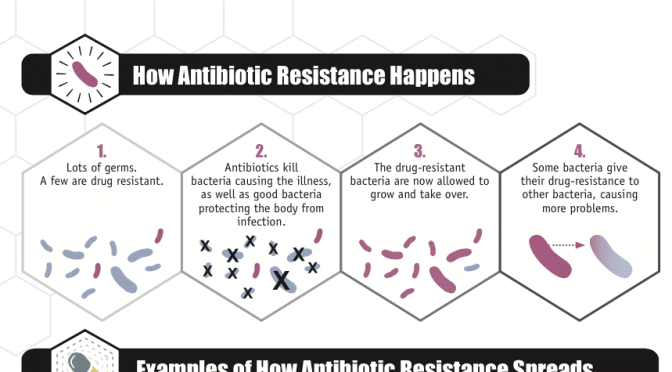
 “We were able to show that if you can stop the plasmid from replicating, then most of the bacteria lose the plasmid as the bacteria grow and divide. This means that infections that might otherwise be hard to control, even with the most powerful antibiotics available, are more likely to be treatable with standard antibiotics.”
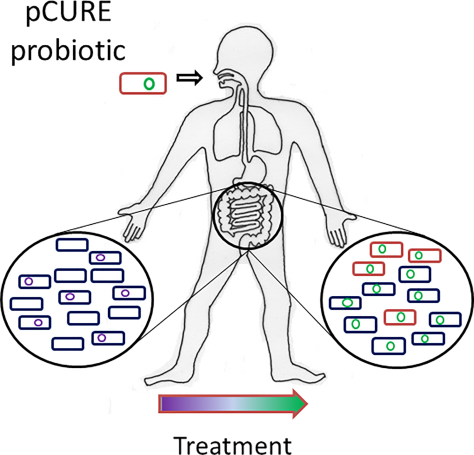
Researchers headed by a team at the University of Birmingham in the U.K. have developed a probiotic drink containing genetic elements that are designed to thwart antimicrobial resistance (AMR) in gut bacteria at the genetic level. The drink targets small DNA elements called plasmids that carry antibiotic resistance genes, and which are able to replicate independently and spread between bacteria. By preventing these plasmids from replicating, the antibiotic resistance genes are displaced, effectively resensitizing the bacteria to antibiotics.
Studies: Alzheimer’s Disease Linked To Poor Sleep In Older Adults
From a MedPageToday online article:
 “Amyloid is important in initiating disease, but the actual damage in the brain is probably due to the accumulation of tau,” Holtzman told MedPage Today. “Normally, tau protein is inside cells, but there is more and more evidence suggesting that its spread to different parts of the brain is responsible for the progression of Alzheimer’s disease.”
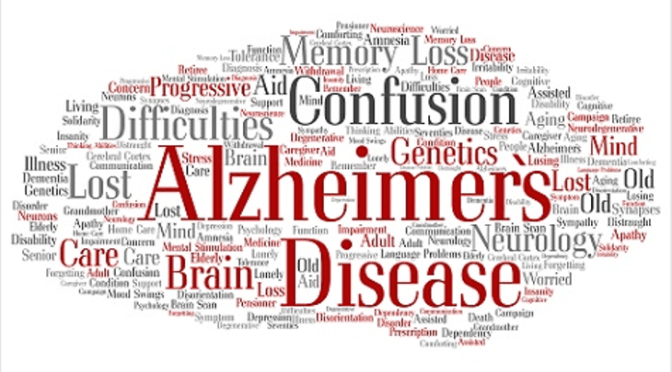
Two studies in January explored how sleep might be associated with Alzheimer’s tau pathology. The first, led by Brendan Lucey, MD, and David Holtzman, MD, both of Washington University in St. Louis, found that older adults who had less slow-wave sleep had higher levels of brain tau.
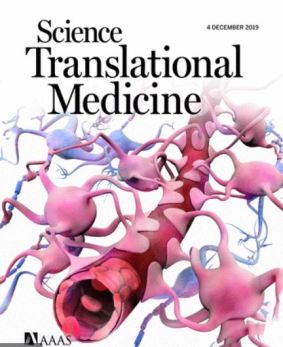
The findings, published in Science Translational Medicine, suggested that poor quality sleep in late life may signal deteriorating brain health.
Sleep patterns predicted amyloid and tau burden, reported Matthew Walker, PhD, of the University of California Berkeley, and co-authors, in June.
Health Studies: Women’s Blood Vessels Age Faster Than Men’s, Increasing Heart Disease Risks
From a Cedars-Sinai.org online release:
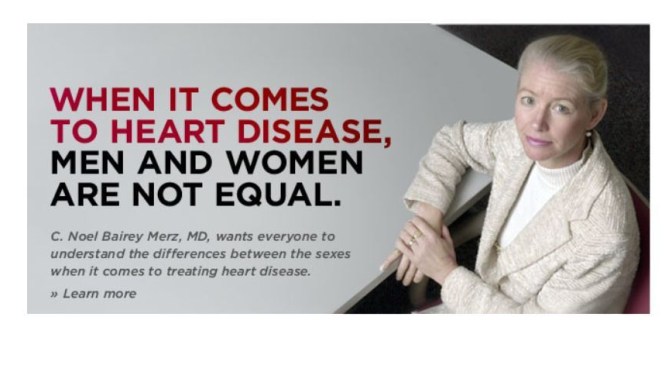
 “Our data showed that rates of accelerating blood pressure elevation were significantly higher in women than men, starting earlier in life,” said Cheng, the Erika J. Glazer Chair in Women’s Cardiovascular Health, who also serves as director of Cardiovascular Population Sciences at the Barbra Streisand Women’s Heart Center. “This means that if we define the hypertension threshold the exact same way, a 30-year old woman with high blood pressure is probably at higher risk for cardiovascular disease than a man with high blood pressure at the same age.”

(January 15, 2020) – New research from the Smidt Heart Institute at Cedars-Sinai showed for the first time that women’s blood vessels – including both large and small arteries – age at a faster rate than men’s. The findings, published Wednesday in the journal JAMA Cardiology, could help to explain why women tend to develop different types of cardiovascular disease and with different timing than men.
Health: Diagnosing “Essential Tremor” Movement Disorder
From a NextAvenue.org online article (01/07/20):
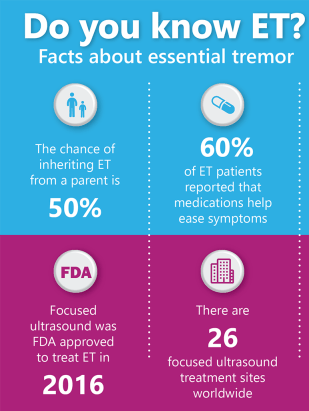 Essential tremor is a common movement disorder — more common than tremors that come with Parkinson’s disease — and the most common neurologic condition affecting people 65 and older. It is estimated that 10 million Americans live with essential tremor, according to the International Essential Tremor Foundation.
About half of people with essential tremor inherited the condition. But the severity and affected body parts can differ from generation to generation, and researchers still haven’t pinned down the gene or genes responsible.
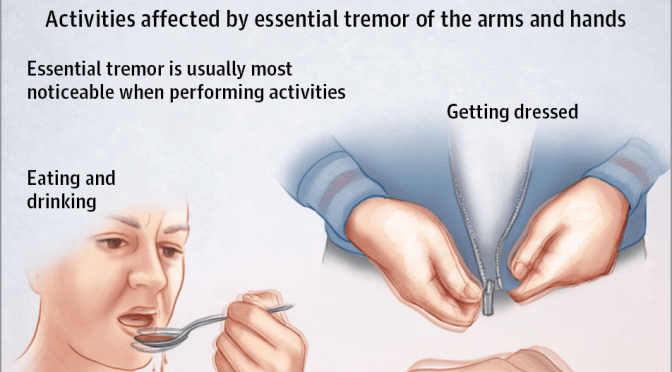
Tremors typically happen when people try to use their hands for a task. Activities such as shaving can be difficult’ people often need to use safety razors or electric razors to avoid cutting or nicking themselves. Also, difficulty holding a utensil makes eating a challenge for many people with essential tremor.
Health: Heart Disease, Stroke Deaths Are Rising, Even In Healthy States
From a Wall Street Journal online article (01/14/20):
Americans are dying of heart disease and strokes at a rising rate in middle age, normally considered the prime years of life. An analysis of U.S. mortality statistics by The Wall Street Journal shows the problem is geographically widespread.
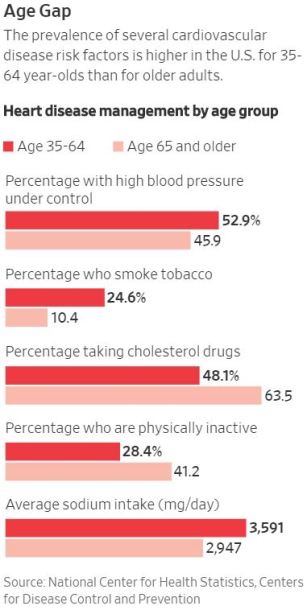 Death rates from cardiovascular disease among people between the ages of 45 and 64 are rising in cities all across the country, including in some of the most unlikely places.
In the Journal’s analysis, three metro areas east of Colorado’s Rocky Mountains—Colorado Springs, Fort Collins and Greeley—recorded some of the biggest increases. Death rates in each rose almost 25%. The three cities boast robust access to exercise and health care. There are bike trails, good heart-disease treatment-and-prevention programs and nearby skiing and hiking.


Health: Characteristics Of Neurodegenerative Diseases (Mayo Clinic)
Dr. Nilüfer Ertekin-Taner, neurogeneticist and behavioral neurologist, discusses characteristics of neurodegenerative diseases such as dementia, Alzheimer’s disease, and movement disorders. She also discusses her research on the complex genetics of Alzheimer’s disease, including identifying therapeutic targets and biomarkers. She highlights Mayo Clinic’s unique approach to patient care.
 Boomers Daily