

A 500g Ribeye Steak of a Dutch dairy cow together with a Chocolate Mousse dessert served at Maris Piper, a Michelin Guide restaurant in Amsterdam, the Netherlands.
Category Archives: Food

Italy Previews: Bellissimo Magazine – Spring 2022

This issue’s features include:
- An in-depth look at the region’s Etruscan history and best archaeological sites
- New Florence hotels that artfully blend heritage and modernity
- Why your next al fresco meal in Tuscany should be at a vineyard
- The regional dish Tuscany’s top food writers can’t live without
Plus learn how to make the ultimate Tuscan comfort food, pappa al pomodoro, visit smaller towns for charm without the crowds, wade into the region’s best thermal spas, and more!

Greece Views: Extra-Virgin Olive Oil, Made In Messinia
The Messinia in the Peloponnese, Greece, produces what is considered the finest olive oil in the world. It’s made from the Koroneiki olive, a small but rich and aromatic olive. Together with a cold extraction and a slow fermentation process, Koroneiki olive oil tastes like no other — a true nectar of the gods. We follow olive-oil taster Dimitra Mathiopoulou at her family’s olive groves and mill to find out how Koroneiki olive oil is harvested and extracted.
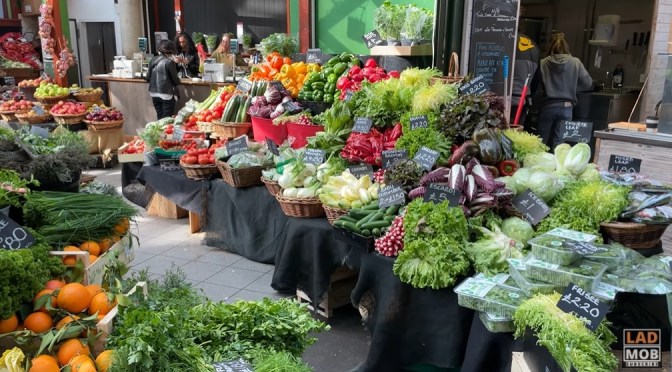
Walking Tours: Borough Market In London (4K)
Borough Market is a wholesale and retail market hall in Southwark, London, England. It is one of the largest and oldest food markets in London, with a market on the site dating back to at least the 12th century.

Michelin Guide: Slovenia’s ‘Restaurant Mahorčič’
The MICHELIN Guide takes you on a trip to Slovenia to discover the treasures of this country, its chefs, its products and its producers. Following the launch of the MICHELIN Guide Slovenia in september 2021, we take a closer look at Mahorčič, run by chef Ksenija Mahorčič.
Chef Ksenija’s cuisine is a real homage to these brave women farmers, influenced by the traditional ways to preserve and ferment fresh produce. Her plates are strictly local and seasonal. Thanks to her new MICHELIN Green Star, she hopes to convince more and more food industry professionals, including hygiene inspectors, that there are alternatives to plastic and aluminum in a restaurant’s kitchen.
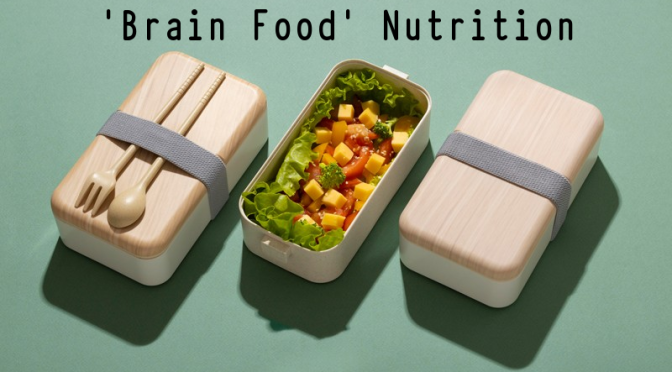
Diet & Nutrition: Nine Tips For A Healthier Brain
• Find time to snack healthily. Take short food breaks to help keep your blood-sugar level reasonably high without surging. Eating a piece of fruit every three hours or so, for example, could prevent hunger and overconsumption of calories. And when you eat, relax. Try not to think about your research. If you routinely stand in the lab, sit down. If your role is more sedentary, get up and take a quick stroll — perhaps to see a colleague on the next floor.
• Put food on your agenda. Schedule regular mealtimes in your work diary — because if you don’t, someone else will fill the gap for you by inviting you to a meeting. Choose a slot that aligns with your ‘biological clock’ and alterations in hormones such as insulin to optimize metabolic health, including microbiota diversity and composition. In other words, follow your gut and eat at times of the day when you feel that your body needs it, but generally try to avoid taking lunch too late in the afternoon. Eating earlier in the day can improve your energy balance, weight regulation, glycaemic control and sleep satisfaction6. Your brain consumes about 20% of the total energy used by your body, so maintaining consistent energy levels is important for optimal functioning. Use the time you’ve booked. Focus on what you eat and take your time. Do not grab a sandwich and munch it down in front of a screen. Your body deserves a rest.
• Enjoy your food. Transform your meal break into a pleasant event by sharing it with colleagues. Propose that everyone take turns preparing a dish from their home country or area so that you can all enjoy the cuisines of different cultures. Eating in a group and discussing the day’s events can help you to relax, to laugh and to share useful information and experiences.
• Plan your meals. If you are feeling particularly hungry, your eyes and hypothalamus (a small region in the brain that controls many bodily functions including hunger and thirst) will not help you to make healthy food choices; instead, they will prompt you to go for sugary, salty or fatty options. Try to organize your meals in advance. Increase your intake of low-calorie items, such as soups, salads, vegetables and minimally processed foods that are rich in dietary fibre. Among these are wholegrains, cereals, fruits, pulses, whole rice and wholemeal pasta. These foods are also rich in micronutrients and antioxidants such as potassium, magnesium, vitamin C, vitamin E, B-vitamins and healthy lipids — especially unsaturated omega-3 ones — that can help to prevent chronic disease. Neurotransmitters such as serotonin, dopamine, epinephrine and norepinephrine — all important for good brain function, mood and emotional regulation — require food-derived precursors, as well as vitamins and minerals, to be synthesized7.
• Diversify your diet. Stimulate your appetite by altering your food choices, preferably by incorporating more fruit and vegetables into your diet and reducing consumption of red meat and meat products. Each new day merits a new meal experience. But this doesn’t mean being a fully fledged connoisseur: overthinking what you eat will lead to compromises with your time and will make further compromises in what you eat more tempting. A saying from the Japanese Okinawa islands, where people have one of the lowest rates of chronic diseases in the world, and where many centenarians live, points the way: “Eat until you are 80% full”8. In practice, this means you should eat slowly and avoid ‘stuffing’ yourself.
• Avoid the insulin roller coaster. As well as contributing to chronic disease, excessive sugar intake might harm cognitive performance9. Sugared drinks, such as sodas, smoothies and even fruit juices, have a very low satiety value. After the sugar surge, glucagon — a hormone produced when sugar levels are low — as well as ghrelin, an appetitive hormone, and others kick back in and you’ll be hypoglycaemic and feel hungry again. Artificially sweetened beverages might not work much better — there is scientific debate about their perceived health benefits, because they might stimulate appetite centrally in the hypothalamus, rather than by modulating insulin levels10. Go for water, coffee, teas (including fruit teas), low-fat milk — or, if you’re desperate for sugar, a homemade fruit juice.
• Drink loads of water. Working inside, where the air is often dry (owing to heating in winter and artificial cooling in summer) can hasten water loss through respiration. Two litres a day of fluid intake is recommended by many health agencies. Pay attention to signs of dehydration. Drinking plenty will increase your blood volume and brain tissue fluid and thus boost your circulation and concentration levels. You will also become more tolerant of heat and cold — which is helpful when working in warm offices and cooled labs. Water is the essential carrier for all life functions in your body. It can also increase daily energy expenditure and feelings of satiety. Drinking water half an hour before your meal is an especially good option because it improves satiety11.
• Use healthy leftovers. Pre-packaged sandwiches and processed foods often have high quantities of fat, sugar, salt and additives that trigger the brain’s dopamine reward system, among other neuronal systems, inducing compulsive eating behaviour12. If you have time, prepare a healthy dish from scratch at home, perhaps making more than is needed for an evening meal and using leftovers for lunch the following day. Among homemade foods, well-balanced traditional dishes can improve your performance and health: for instance, the classic Mediterranean diet has long been linked with improved cognitive function and a decreased likelihood of both cognitive impairment and Alzheimer’s disease3. A Tupperware lunch made with leftovers from even the most indulgent dinner could often make a healthier lunch than a standard pre-packaged sandwich.
• Scrap the salt. Excessive use of salt is among the major killers worldwide, leading to increased blood pressure, stroke and other cardiovascular diseases. Some salt is essential to the taste of most foods, as well as for life, however, so don’t attempt to cut it out of your diet entirely. Try pepper, curcuma, nutmeg or other spices to add flavour. Some spices, including curcuma and pepper, also help to lower the risk of cardiovascular disease and can even decrease total mortality rates13.

Consumers: What Is The True Price Of Food? (FT)
Food prices might be rising but many associated production costs are not currently included in the price we pay. How can we get closer to a system that reflects the true cost and what implication will this have on consumers and wider society?

Food Tech: Scotland’s Meat Industry Diversifies
The Scottish meat industry is worth more than $1.7 billion. But with global beef and veal consumption trending downwards and a climate change emergency to contend with, can the home of Angus diversify in time?
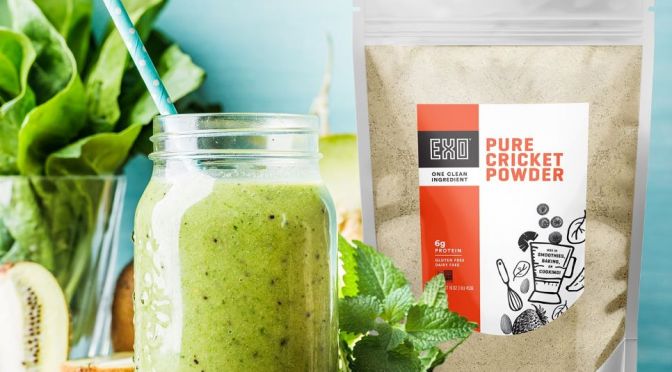
Analysis: Will We Be Eating Insects Soon? (Economist)
By 2050 there could be 10 billion human mouths to feed. Eating insects could help solve the global food-supply problem.
Video timeline: 00:00 – 00:47 How to feed our growing population 00:47 – 03:23 The potential of insects 03:23 – 05:31 Eating cricket powder in Madagascar 05:31– 06:30 Madagascar’s climate change famine 06:30 – 08:00 Cricket farming in Africa 08:00 – 11:30 Expanding insect production 11:30 – 12:20 Insects: a green solution? 12:20 – 13:12 Will insects become a staple?
Read more here: https://econ.st/3fTILxA

Travel, Food & Culture: Lhasa – Capital Of Tibet
Do you know why we Tibetans are so obsessed with eating dried Yak meat, how and when we make the dried yak meat? Today, I will take you to explore about this unique diet culture, and you will see our Yak meat market and more.
Lhasa, the capital of the Tibet Autonomous Region, lies on the Lhasa River’s north bank in a valley of the Himalayas. Rising atop Red Mountain at an altitude of 3,700m, the red-and-white Potala Palace once served as the winter home of the Dalai Lama. The palace’s rooms, numbering around 1,000, include the Dalai Lama’s living quarters, as well as murals, chapels and tombs.
Tibet, on the lofty Tibetan Plateau on the northern side of the Himalayas, is an autonomous region of China. It’s nicknamed the “Roof of the World” for its towering peaks. It shares Mt. Everest with Nepal. Its capital, Lhasa, is site of hilltop Potala Palace, once the Dalai Lama’s winter home, and Jokhang Temple, Tibet’s spiritual heart, revered for its golden statue of the young Buddha.
 Boomers Daily