While the automotive industry was ravaged early on in the pandemic thanks to lockdown measures and a dramatic decrease in travel, it more recently has begun facing a new problem: a shortage of microchips.
Microchips are vital to much of a vehicle’s key functions, such as engine control, transmission, infotainment systems, and more. In the last half of 2020 and now in 2021, vehicle sales recovered fairly quickly, faster than automakers anticipated.
Suddenly, they were struggling to meet demand. At the same time, chipmakers were experiencing supply shortages and increased demand from other sectors, such as personal electronics. With the resulting lack of microchip supply, automakers have been forced to slow production, even on their most popular models. For several automakers, the shortage is expected to cost them $1 billion or more — and even still, the alternatives are worryingly few.
The German automotive industry has long played a key role in the country’s prosperity. It employs hundreds of thousands and enjoys cozy relationships with politicians.
But the COVID-19 crisis threw a wrench in the works. What’s next? The prosperous German auto industry has long been lagging when it comes to innovating new automotive technologies. Then came the COVID-19 pandemic. Now, the industry is turning to decision-makers for help. But just how far will policymakers go to help the car companies?
Arguing that the COVID-19 pandemic has hit them hard, the auto industry is demanding the postponement of stricter CO2 limits and a purchase premium for new vehicles. They maintain that nothing less than the prosperity of the whole country is at stake. But is Germany’s success really dependent on the auto industry? And how much blame does industrial policy bear for the failures of the automotive companies?
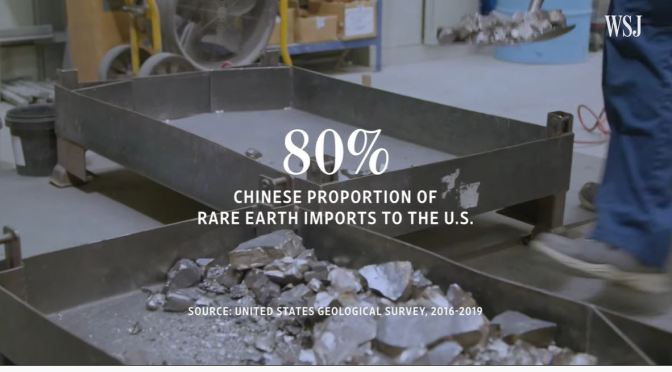
Neodymium is critical to making the wheels of a Tesla spin or creating sound in Apple’s Airpods, and China dominates the mining and processing of this rare-earth mineral. So the U.S. and its allies are building their own supply chain. Photo illustration: Clément Bürge/WSJ
A.M. Edition for May 4. WSJ reporter Krishna Pokharel discusses the state of the coronavirus crisis in India. More earnings are expected today amid recent market growth. Some companies are offering incentives to lure workers back to the office. Marc Stewart hosts.
Alaskan tourism was slammed by the pandemic, including charter tours. One business owner said he typically had as many as 700 tourists a summer, but last year there were just 12. In a push to get tourism to rebound, Alaska is offering to vaccinate tourists for free and with so many already vaccinated there, many are hopeful for the upcoming season.
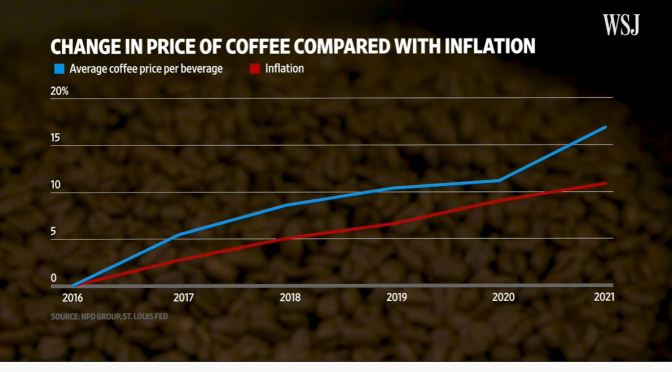
Coffee prices are heating up, and experts say an even bigger price hike could be coming. WSJ explains the web of economic forces that help determine the cost of coffee. Illustration: Mallory Brangan/WSJ
Emirates, the long-haul carrier known for its luxury services, has set new standards for the way we travel. Like airlines everywhere, the carrier has been battered by the coronavirus pandemic. To keep customers safe and on board, Emirates adopted a variety of new protocols. The company also pivoted to cargo shipments to keep itself afloat. So will Emirates bounce back from the economic fallout pummeling the airline industry?
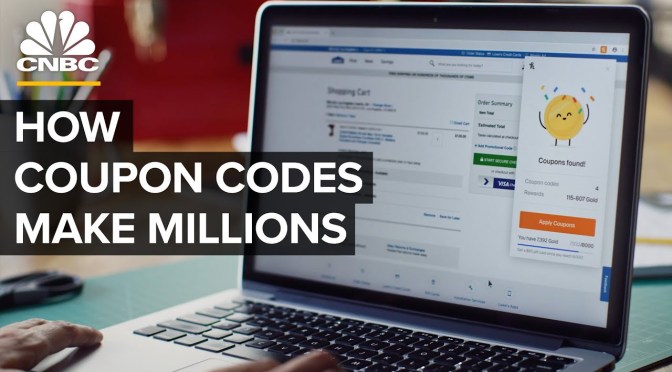
Promo code sites have become big business, with digital coupons surpassing paper for the first time in 2020. Major deal sites make millions based almost entirely on commissions from each sale. They don’t sell shopper data and it’s not a scam. In fact, big companies like PayPal and Rakuten are buying up deal sites for billions.
From Honey to Slickdeals, Rakuten Rewards to Brad’s Deals, CNBC asked the major sites what it takes to find deals that are real and why the business model works. With the huge boost in online shopping during the pandemic, deal-finding sites have become a major business. In 2020, Inmar Intelligence found that digital coupons surpassed printed coupons for the first time ever. Also in recent years, behemoths like Goldman Sachs and PayPal have paid hundreds of millions – or even billions – for sites like Slickdeals and Honey that automatically curate coupon codes or offer shoppers cash back for making purchases through their sites.
Even banks like Capital One are getting into the game. The business model is not a scam. All major deal sites say they don’t sell shopper data. Instead, each sale generates a commission for the deal site and for the middleman known as the affiliate marketer – a company that connects the vast world of retailers with deal sites. With nearly 2,000 businesses in the daily deal site space, it’s a crowded industry filled with legitimate businesses as well as plenty of sites that are riddled with ads and expired coupon codes. That’s because regardless of whether a coupon code works, the site that provided the code will get commission for that sale. When the deals are legitimate, however, it can mean big money for shoppers, retailers, and the deal sites.
From Honey to Slickdeals, Rakuten Rewards to Brad’s Deals, CNBC asked the major deal sites, and shoppers, what it takes to find deals that are real and why the business model works. Watch the video to learn how saving consumers’ money makes big bucks for companies in the vast world of online deal hunting.
Polaris Inc. is a dominant player in the off-road vehicle market, selling top-of-the-line ATV’s, snowmobiles, and utility vehicles, among others. Unlike many other companies, Polaris saw its revenue increase in 2020 thanks to an unexpected boom in powersports and increased interest in outdoor activities. While it rides this high, however, some doubt how long it can last. In the past year, Polaris has begun expanding its electric vehicle line-up, hoping to gain some further momentum from the rapidly-growing market. However, some analysts are skeptical of the company’s ability to push into the electric space, which may be challenging given consumer hesitation regarding comparative performance, as well as fierce competition from other leading brands.
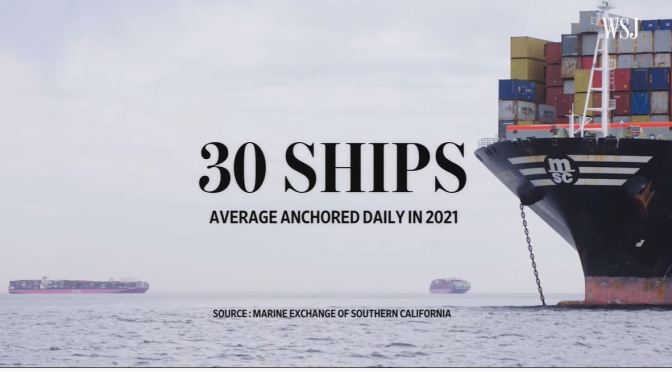
An average of 30 container ships a day have been stuck outside the Ports of Los Angeles and Long Beach just waiting to deliver their goods. The backlog is part of a global supply-chain mess spurred by the pandemic that means consumers could see delivery delays for weeks. Photo Composite: Adam Falk/The Wall Street Journal
News, Views and Reviews For The Intellectually Curious







 Boomers Daily