
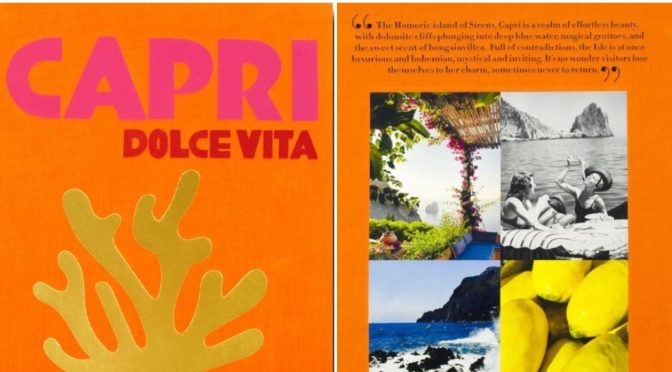
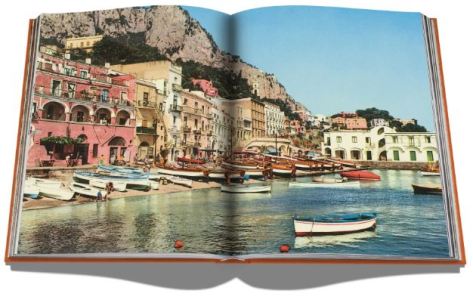
 Capri, a resort island dating back to the height of the Roman Empire, has long been an extraordinary destination full of ancient charm. Cherished by everyone from physician Axel Munthe, who recommended its clean air to his patients as a cure for bronchitis; to film director Jean-Luc Godard as the setting for his 1963 film Contempt; to literary icons, celebrities, poets, and the jet set, Capri boasts a rich Mediterranean spirit and style that encompasses a wealth of beauty, from gardens to villas to caves to the people walking in the lively Piazzetta, where cars are prohibited and the island’s playful attitude runs rampant. Capri Dolce Vita is a look at this fabled corner of the world through the ages and a celebration of paradise on earth.
Cesare Cunaccia is a writer, lecturer, curator, and journalist. He was editor at large for Vogue Italia and L’Uomo Vogue and the antiques consultant for Architectural Digest Italy. He has also contributed to the divisions of Architectural Digest in Germany, China, and Russia, as well as Connaissance des Arts, Opera magazine, and L’Oeil. Cunaccia has published a variety of books, particularly on the Italian artistic heritage, which have been translated into twelve languages.
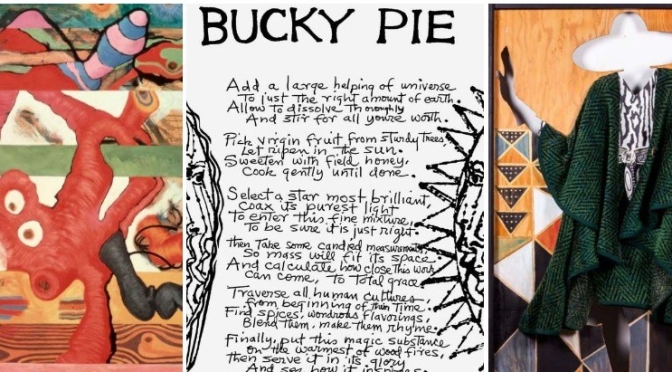
 “We are proud to announce the Fall 2020 Artbook | D.A.P. Catalog of new books on art and culture.”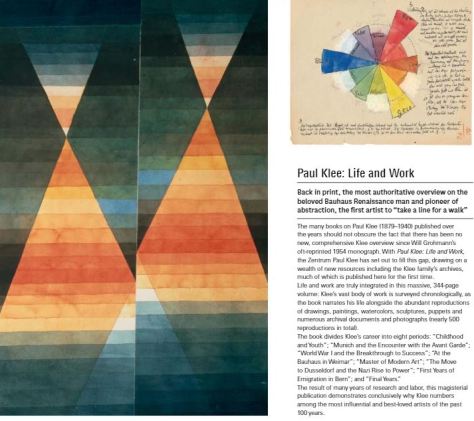
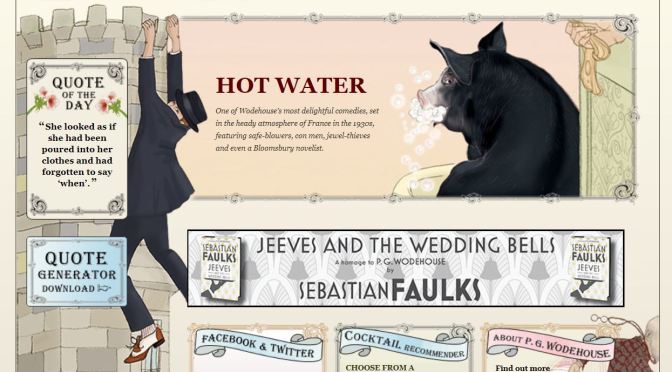
 With every sparkling joke, every well-meaning and innocent character, every farcical tussle with angry swans and pet Pekingese, every utopian description of a stroll around the grounds of a pal’s stately home or a flutter on the choir boys’ hundred yards handicap at a summer village fete, he wanted to whisk us far away from our worries.
 T
T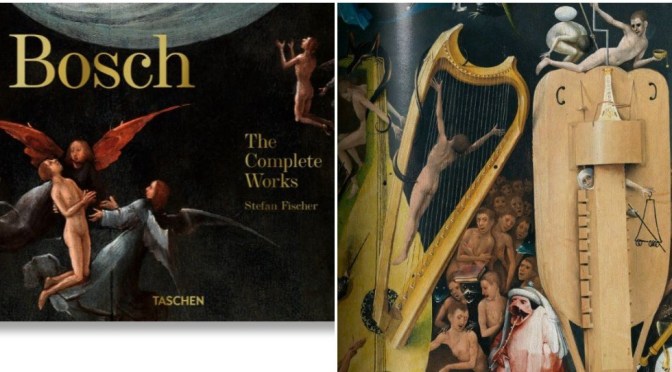
 A bird-monster devouring sinners, naked bodies in tantric contortions, a pair of ears brandishing a sharpened blade: with just 20 paintings and nine drawings to his name, Netherlandish visionary

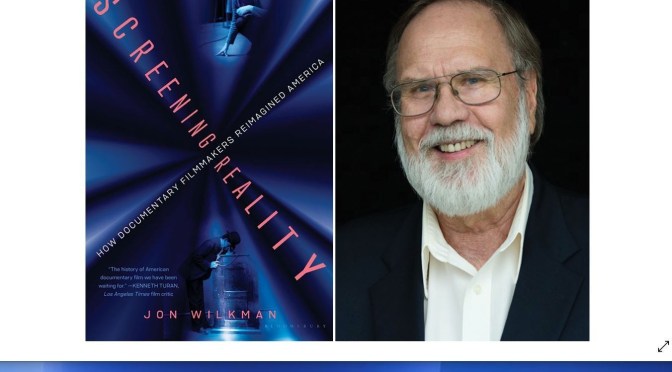

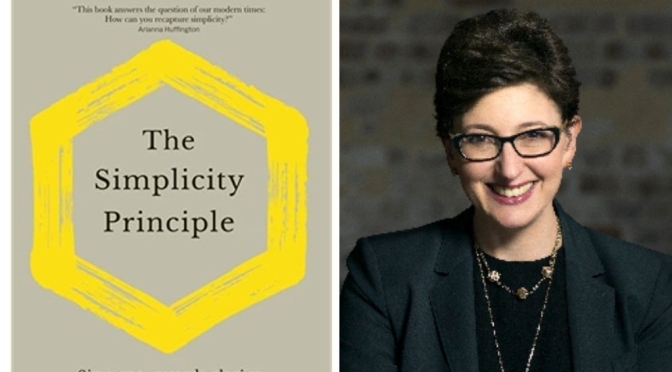
 ulia Hobsbawm is a writer, speaker, social entrepreneur and strategist whose work focuses on finding solutions for humans in an ever-changing world. She speaks to Georgina Godwin about her latest book, ‘The Simplicity Principle: Six Steps Towards Clarity in a Complex World’.
 Boomers Daily