
Video timeline: 0:00 Difficulty mapping a retirement plan 1:01 What retirees wish they did differently 2:38 Relationships and retirement 4:43 Message for future retirees

Video timeline: 0:00 Difficulty mapping a retirement plan 1:01 What retirees wish they did differently 2:38 Relationships and retirement 4:43 Message for future retirees
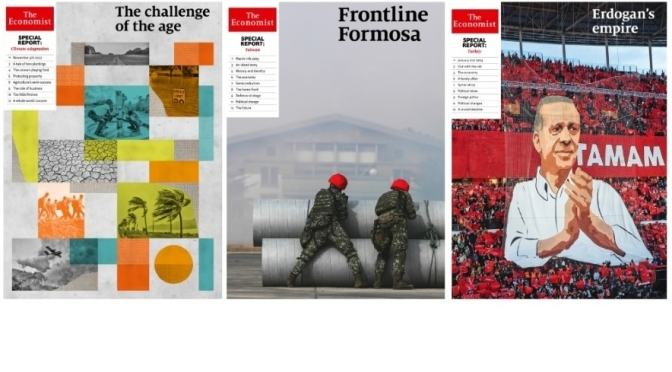
‘Editor’s Picks’ Podcast (July 10, 2023) – Three essential articles read aloud from the latest issue of The Economist. This week: how the war in Ukraine will affect the future of combat, the new Asian family (10:36) and why a lab-monkey shortage in America is encouraging smuggling (19:07).
‘Editor’s Picks’ Podcast (July 3, 2023) – A selection of three essential articles read aloud from the latest issue of The Economist: The humbling of Vladimir Putin, how misfiring environmentalism risks harming the world’s poor (10:20) and some tips to design better flags (18:55).

The Wagner mutiny exposes the Russian tyrant’s growing weakness. But don’t count him out yet
The last pretence of Vladimir Putin to be, as he imagines, one of his nation’s historic rulers was stripped away on June 24th. A band of armed mercenaries swept through his country almost unopposed, covering some 750km (470 miles) in a single day, seizing control of two big cities and getting to within 200km of Moscow before withdrawing unharmed.

The trade-off between development and climate change is impossible to avoid
Thank goodness for the enthusiasts and the obsessives. If everyone always took a balanced view of everything, nothing would ever get done. But when campaigners’ worldview seeps into the staid apparatus of policymaking and global forums, bad decisions tend to follow. That, unfortunately, is especially true in the world of climate change.

Some tips to avoid having an embarrassing emblem
Have you ever met a vexed vexillologist? This is someone who frets when flags are badly designed. Sadly, too many flags flutter to deceive: they are cluttered with imagery, a mess of colours and all too easily forgettable. Yet flags matter. Witness Ukraine’s blue-and-yellow banner, which now serves as a potent symbol around the world (not to mention on this newspaper’s covers).
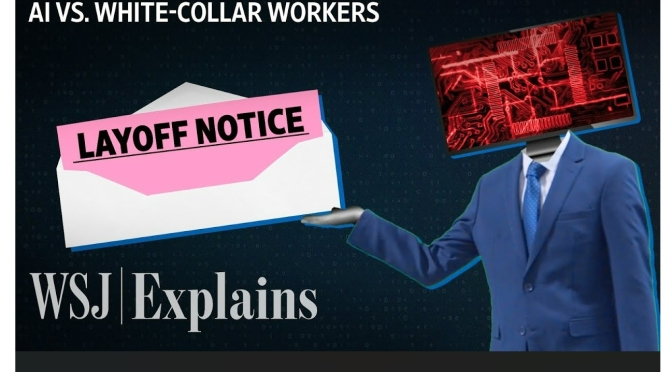
Video timeline: 0:00 AI software 0:42 Why white-collar jobs? 2:01 AI and job cuts 3:52 What’s next?
Initial images, video and product designs could be taken over by machine learning tech. In fact, one report says nearly 4,000 workers lost their jobs in May to AI. Dropbox cut 16% of its workforce in part to invest more in the tech, while IBM sees a future where 30% of clerical work could be taken over by AI.
WSJ explains why AI may take some white-collar jobs – but also add new ones.
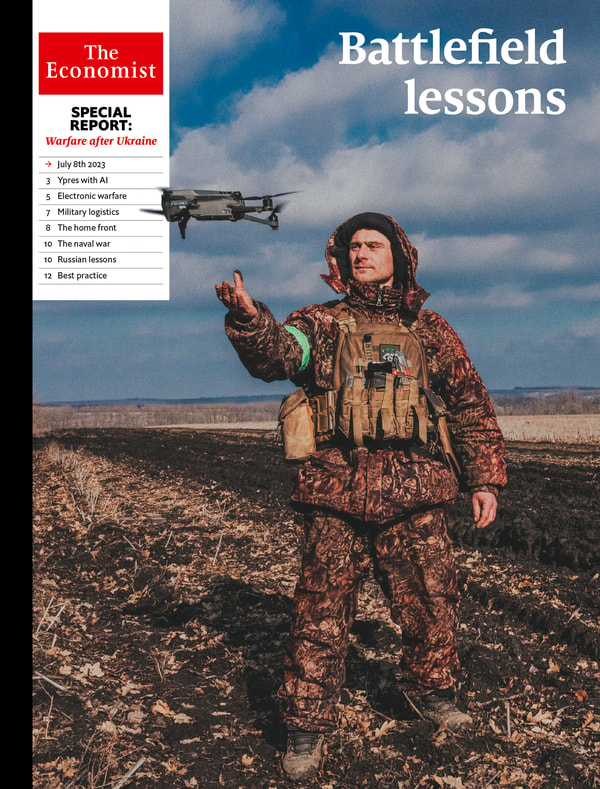


The war shows how technology is changing the battlefield. But mass still counts, argues Shashank Joshi

Jamming is knocking drones and missiles out of the sky
‘Editor’s Picks’ Podcast (June 12, 2023) – A selection of three essential articles read aloud from the latest issue of The Economist including the trouble with sticky inflation, the challenge of building Ukraine 2.0 and why Modelo Especial is the new king of beers.

The costs of taming price rises could prove too unpalatable for central banks
The trouble is that the inflation monster has not truly been tamed. Britain’s problem is the most acute. There, wages and “core” prices, which exclude energy and food, are rising by around 7%, year on year.

For Russia’s war to fail, Ukraine must emerge prosperous, democratic and secure
Ukraine’s nation-builders face formidable obstacles. The greatest is that, while Mr Putin is in power, this war is unlikely to end with a solid peace treaty. The two sides may talk—if only to avoid being seen as war-crazy.

Move over, Bud Light. Heed the power of the Hispanic market
The king is dead. ¡Viva el rey! That is the cheer ringing through drinking dens this summer as Bud Light, America’s self-styled “king of beers” for 22 years, is dethroned by Modelo Especial, a Mexican brew.
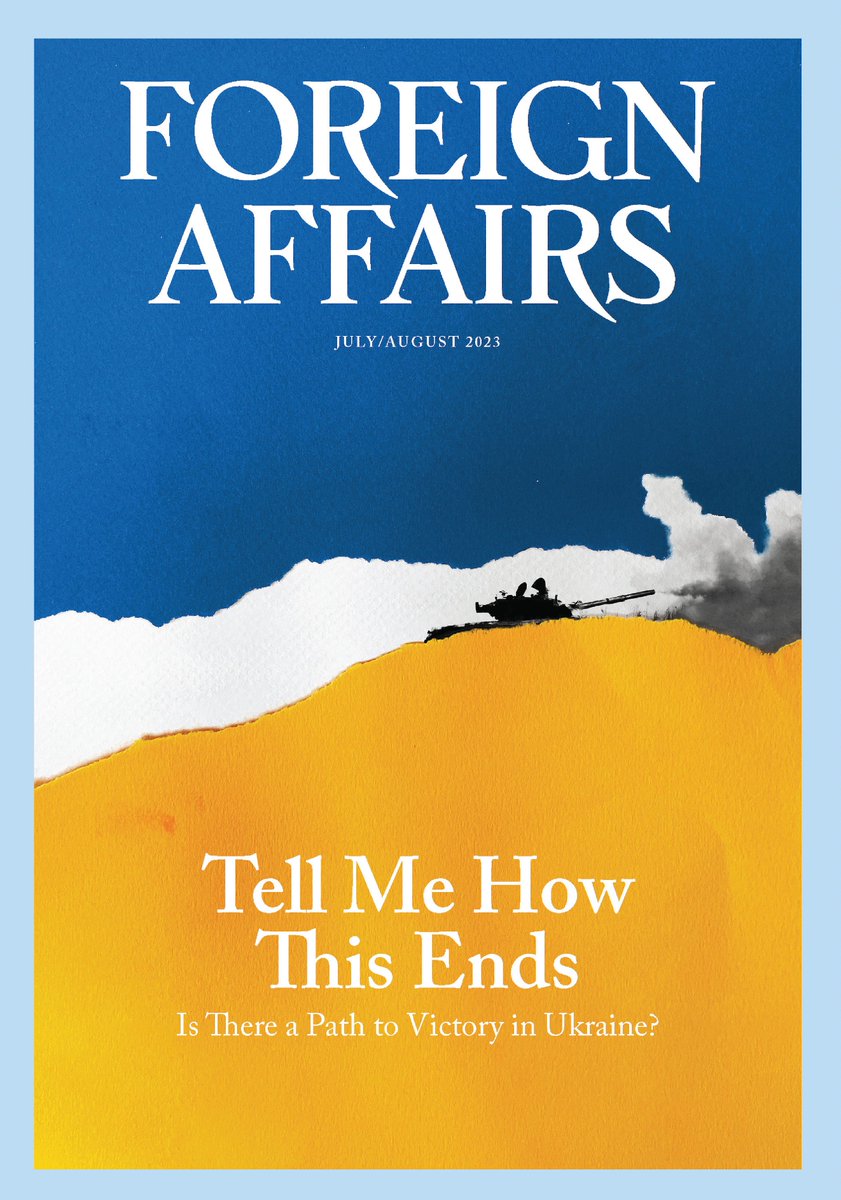


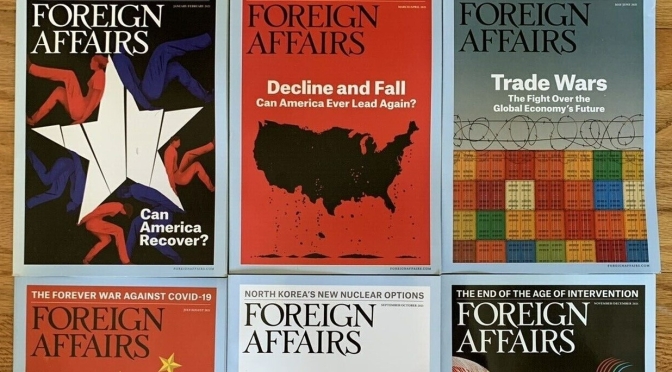
Ukraine’s Future and Putin’s Fate
There is good reason to be pessimistic about the prospects of Russia’s changing course under Putin. He has taken his country in a darker, more authoritarian direction, a turn intensified by the invasion of Ukraine.

America Is Not
In March, at the end of Chinese President Xi Jinping’s visit to Moscow, Russian President Vladimir Putin stood at the door of the Kremlin to bid his friend farewell. Xi told his Russian counterpart, “Right now, there are changes—the likes of which we haven’t seen for 100 years—and we are the ones driving these changes together.” Putin, smiling, responded, “I agree.”

Washington Needs an Endgame in Ukraine
Russia’s invasion of Ukraine in February 2022 was a moment of clarity for the United States and its allies. An urgent mission was before them: to assist Ukraine as it countered Russian aggression and to punish Moscow for its transgressions. While the Western response was clear from the start, the objective—the endgame of this war—has been nebulous.

Why an Armistice Offers the Best Hope for Peace in Ukraine
In the middle of August 1952, Chinese Premier Zhou Enlai traveled nearly 4,000 miles to Moscow to meet with the Soviet dictator Joseph Stalin… The two Communist powers were allies at the time, but it was not a partnership of equals: the Soviet Union was a superpower, and China depended on it for economic assistance and military equipment.
‘Editor’s Picks’ Podcast (June 12, 2023) – Three essential articles read aloud from the latest issue of The Economist. This week, why India is indispensable to America, how to make Britain an AI superpower (10:35) and Lula’s unsustainable plans to save the Amazon (18:45).

India does not love the West, but it is indispensable to America
India’s prime minister has been afforded the honour of a state visit by President Joe Biden. Mr Modi will be one of the few foreign leaders, along with Winston Churchill, Nelson Mandela and Volodymyr Zelensky, to address a joint session of Congress more than once.

Rishi Sunak’s enthusiasm is welcome. But his plans for Britain fall short
Britain, says Mr Sunak, will harness ai and thus spur productivity, economic growth and more. As he told an audience in London this week, he sees the “extraordinary potential of ai to improve people’s lives”.

The Brazilian president faces resistance from Congress, the state oil company and agribusiness
“There should be no contradiction between economic growth and environmental protection,” he said. Yet Lula’s green agenda is suffering setbacks.

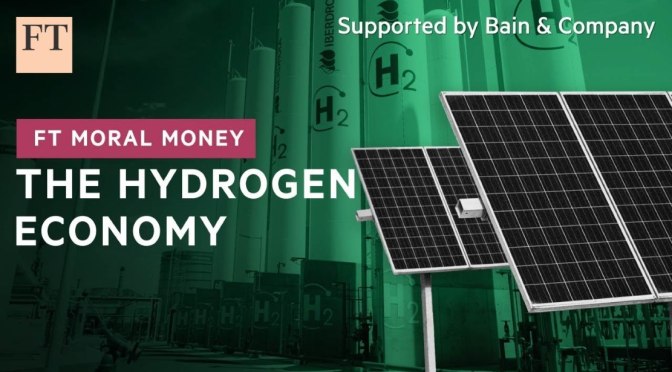
Video timeline: 00:00 What is Hydrogen 00:50 Green Hydrogen 02:50 Current uses of hydrogen 04:10 The concerns 05:00 The Hydrogen rainbow 05:51 Emerald Hydrogen 07.35 The investors 10:50 The policymakers 13:40 Green steel 17:35 Cleaning up aviation 22:15 The hydrogen economy of the future
From southern Spain to Swedish Lapland, we meet those at the forefront of this fast-growing space – all seeking a share of the billions to be made in the emerging hydrogen economy.
#hydrogen #greenhydrogen #EmeraldHydrogen #steel #hydrogeneconomy #zerocarbon #emission
‘Editor’s Picks’ Podcast (June 12, 2023) – A selection of three essential articles read aloud from the latest issue of The Economist – Ukraine strikes back, why Apple’s new Vision Pro gadget matters (9:00) and the results of our new global cities index (13:35).
The counter-offensive is getting under way. The next few weeks will be critical

Trailed ten days early with a blood-stirring video in which Ukrainian troops asked God to bless their “sacred revenge”, Ukraine’s counter-offensive is under way. For weeks its armed forces have conducted probing and shaping operations along the 1,000km front line, looking for weaknesses and confusing the Russians.

The meaning of “spatial computing”
Apple’s message is clear: after desktop and mobile computing, the next big tech era will be spatial computing—also known as augmented reality—in which computer graphics are overlaid on the world around the user.

Our index ranks economic performance over the past three years
In order to assess which are thriving in this new era, The Economist has compiled a rough-and-ready index. It scrutinises a sample of ten locations, looking at changes in four measures—population, economic growth, office vacancies and house prices—over the past three years.
 Boomers Daily