
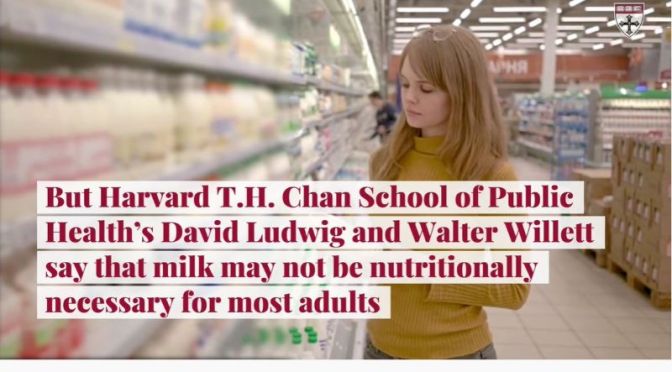
Milk is an optional part of a healthy diet for most adults, and may even be harmful if consumed excessively.
Category Archives: Aging
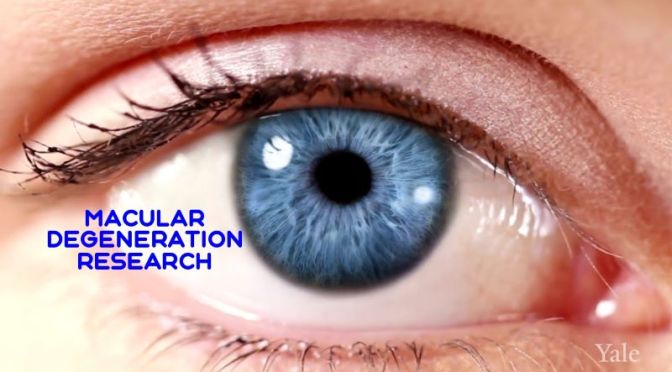
Medical Views: ‘Macular Degeneration Research’

Macular degeneration is a leading cause of visual impairment in people over 65 and can lead to blindness. One in three people will eventually suffer some degree of macular degeneration, which is caused by abnormal blood vessels under the retina, the light-sensitive part of the eye. We treat both the more common “dry” as well as the more dangerous “wet” forms of macular degeneration. While there is currently no cure for this disease, we offer the latest treatments to reduce the risk of vision loss and blindness. These include anti-VEGF drugs—which attack proteins that create the abnormal blood vessels that cause macular degeneration—and photodynamic therapy, in which patients ingest medication that is then activated with a laser.
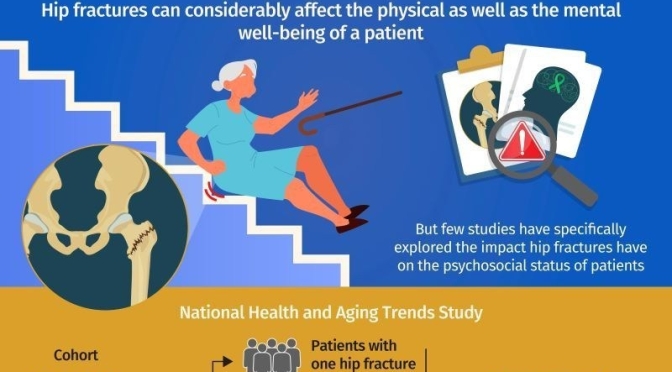
Infographic: Physical & Mental Impact Of Hip Fractures On The Elderly

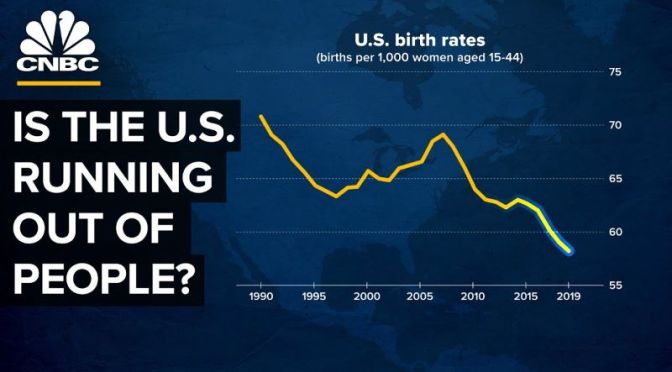
Analysis: The Shrinking U.S. Population (CNBC Video)
The US is facing an aging population, falling birth rate and economic recession caused by the coronavirus pandemic. These issues will have huge implications on the size of the workforce and the consumer base. Watch the video to find out why America could be confronting an underpopulation problem and what business leaders and policymakers can do about it.

Aging: ’80-Year Olds On Happiness In 2021′ (Video)
Does your grandparent hold the secret to a happier New Year? Because Americans over 80 years old report feeling happier than any other age group, we asked them to share their wisdom as 2021 begins during a time of challenge and uncertainty. These elders include cannabis comedian Tommy Chong, a psychologist, a transgender burlesque performer, and a 90-year-old nudist who lets it all hang out. Self-Evident: A PBS American Portrait Miniseries seeks to answer the question: what does it really mean to be an American today? Join our hosts — Dr. Ali Mattu, a licensed therapist and clinical psychologist and YouTuber behind “The Psych Show,” as well as Danielle Bainbridge, Ph.D., historian and the writer/creator of PBS’s “The Origin of Everything” — as they explore the lives of real Americans, living during this unprecedented moment in time.
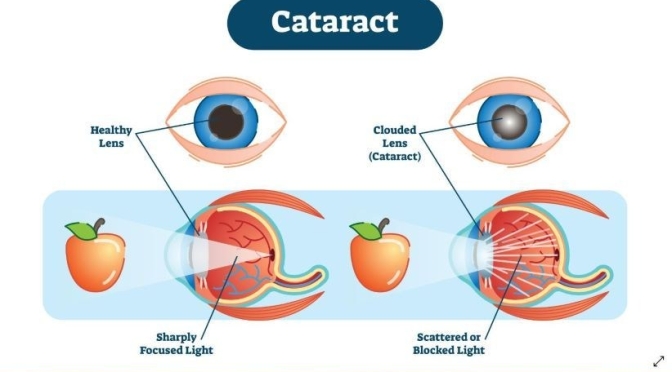
Aging & Healthcare: ‘Cataract Surgery’ (Video)
Cataract surgery is one of the safest and most effective types of surgery. In about 90 percent of cases, people who have cataract surgery have better vision afterward. Learn more about aging and your eyes at: https://www.nei.nih.gov/learn-about-e….
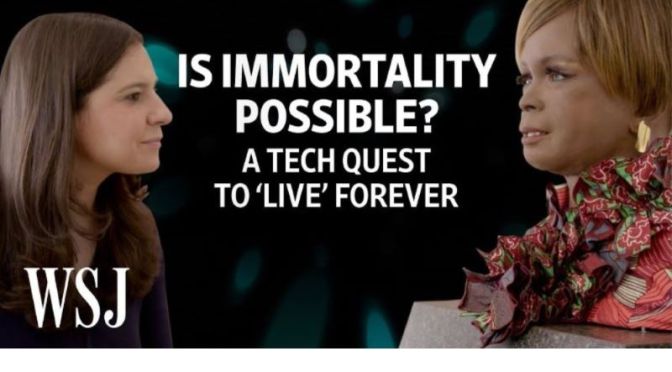
Digital Life: ‘Is Immortality Possible?’ – Capturing Our Memories For Future Generations (WSJ Video)
Voicebots, Humanoids and Other Tools Capture Memories for Future Generations What happens after we die—digitally, that is? In this documentary, WSJ’s Joanna Stern explores how technology can tell our stories for generations to come. Old photos, letters and tapes. Tech has long allowed us to preserve memories of people long after they have died. But with new tools there are now interactive solutions, including memorialized online accounts, voice bots and even humanoid robots. WSJ’s Joanna Stern journeys across the world to test some of those for a young woman who is living on borrowed time.
Photo illustration: Adele Morgan/The Wall Street Journal

Profiles: 100-Year Old Sir Captain Tom Moore – How He Stays In Shape (Video)
In walking 100 laps of his garden, the Second World War veteran set out to raise £1,000 for NHS charities; instead, on his 100th birthday, his appeal topped £32 million. The journey continued, not in his garden, but on talk shows, breakfast television and interviews, all for the benefit of causes that touched his own life across the century. Here, the GQ Inspiration Award recipient shows us just how he got in shape…
Captain Sir Thomas Moore, popularly known as “Captain Tom”, is a former British Army officer and centenarian, known for his achievements raising money for charity in the run-up to his 100th birthday during the COVID-19 pandemic.
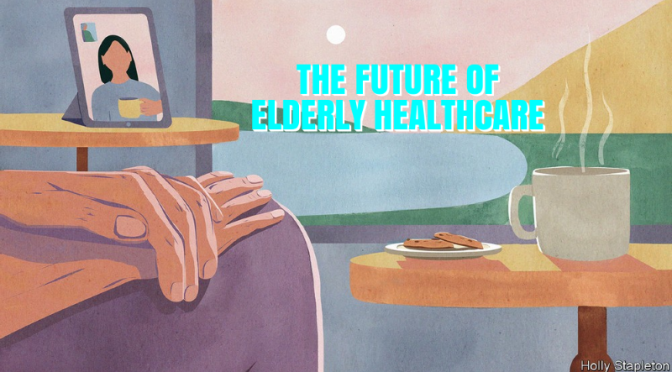
Post Covid: “The Future Of Elderly Care’ (Video)
Across the rich world around half of covid-19 deaths have been in care homes. Countries need to radically rethink how they care for their elderly—and some innovative solutions are on offer.

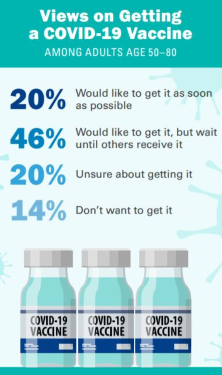
New Survey: 58% Of Older Adults Are ‘Likely’ To Get A Covid-19 Vaccine (Nov ’20)

When asked how likely they would be to get a COVID-19 vaccine when available and if no cost to them, 58% of older adults indicated they would be likely to get a COVID-19 vaccine (33% very likely, 25% somewhat likely), 28% said they were unlikely (11% somewhat unlikely, 17% very unlikely), and 14% were unsure or did not know.
About two in three older adults (63%) indicated they received a flu shot last flu season. Seven in ten either received one since August 2020 (34%) or intended to get one this flu season (38%). Nearly half of adults age 50–80 (49%) believed that getting a flu vaccine is more important this year compared to other years, 44% said it is just as important, and 7% said it was less important.
Interest in getting a COVID-19 vaccine was more common among those age 65–80 compared with those 50–64 (63% vs. 54%), men compared with women (64% vs. 52%), and Whites compared with Hispanics and Blacks (63% vs. 51% vs. 40%). Individuals who lived with others, had higher household incomes, or had more education were also more likely to report they would get a COVID vaccine.
Half of adults age 50–80 (52%) said they personally knew someone who had COVID-19, and 2% reported having had it themselves. One in five older adults (19%) indicated they personally knew someone who died from COVID-19. The likelihood of getting a COVID-19 vaccine did not differ based on whether respondents knew someone who had COVID-19 or who died from it.
In deciding whether to get a COVID-19 vaccine, older adults rated the following as very important: how well it works (80%), their own research (56%), and if it was recommended by their doctor (52%), public health officials (42%), or family and friends (13%). Cost was rated as very important by 30% of older adults.
 Boomers Daily