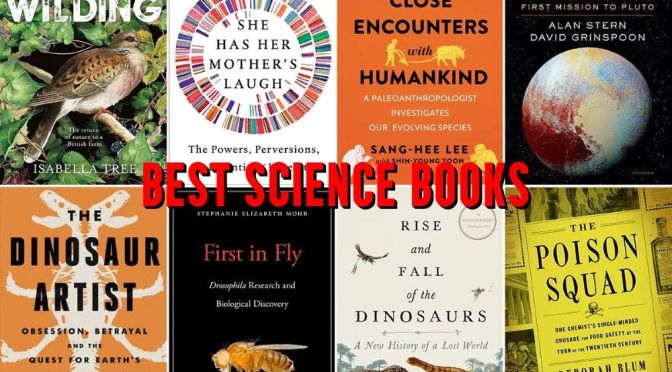
REVIEWS: THE TOP TEN SCIENCE BOOKS OF 2023

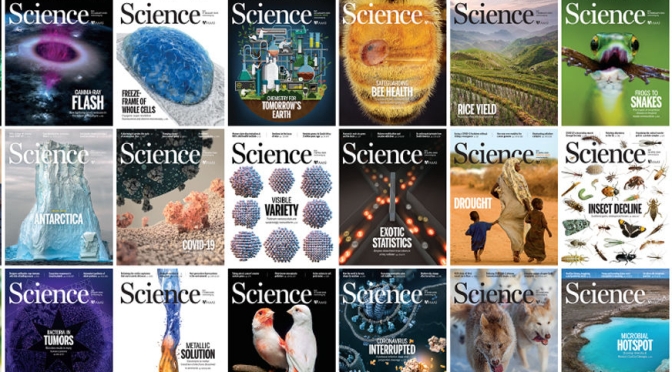
BookList-2023-Science.jpg

Smithsonian Magazine (December 7, 2023) – From stories on the depths of the ocean to the stars in the sky, these are the works that moved us the most this year

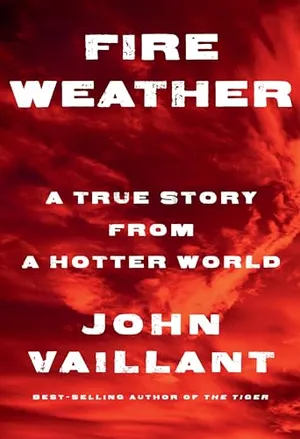
Fire Weather: A True Story from a Hotter World  by John Vaillant
Preview thumbnail for 'Fire Weather: A True Story from a Hotter World

In a year when record-setting forest fires raged across Canada and their smoke clouded the skies across North America, and a Maui forest fire incinerated the town of Lahaina in a deadly blaze, the most harrowing book we read about climate change featured a devastating forest fire. In Fire Weather, author John Vaillant crafts a thriller about a cataclysmic inferno that burned through the town of Fort McMurray, Alberta, in May 2016. (We ran an excerpt of the book here.) The blaze generated hurricane-force winds and lightning, and entire neighborhoods burned to the ground under a type of pyrocumulus cloud usually associated with volcanoes. Roughly 100,000 people evacuated what would become the costliest disaster in Canadian history.

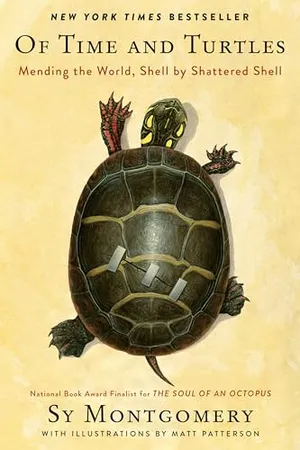
Of Time and Turtles: Mending the World, Shell by Shattered Shell by Sy Montgomery
Preview thumbnail for 'Of Time and Turtles: Mending the World, Shell by Shattered Shell

Scuttling Earth for at least 220 million years, turtles have survived more than one mass extinction, including the one that offed dinosaurs. But in a geologic instant, humans have pushed more than half their 360 known species to near-extinction. And in an actual instant, animals slated to live a century or more can be killed—after their shells are crushed by cars, their mouths are snagged by fishhooks or their ponds are drained by developers.

Yet there is hope for some turtles. The Turtle Rescue League in Southbridge, Massachusetts, rehabilitates hundreds of ailing turtles each year. In Of Time and Turtles, author Sy Montgomery joins the small squad in spring of 2020, just as routine life freezes for Covid-19. The book recounts her year with the league, as they incubated eggs, injected antibiotics, mended shattered shells and returned healed patients to nature.

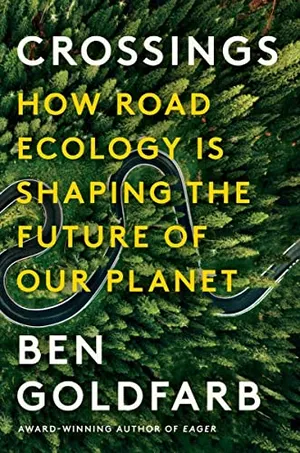
Crossings: How Road Ecology Is Shaping the Future of Our Planet  by Ben Goldfarb
Preview thumbnail for 'Crossings: How Road Ecology Is Shaping the Future of Our Planet

From the start of Ben Goldfarb’s fascinating book on road ecology, Crossings, the reader is peppered with jaw-dropping facts. Some 40 million miles of roadways encircle the Earth. While a half-century ago 3 percent of land-dwelling mammals died on a road, in 2017 that percentage had quadrupled. In 1995, researchers estimated that, in the United States, deer factor into more than a million vehicle crashes annually, injure 29,000 drivers and passengers, and kill more than 200. (We ran an excerpt of the book, with many more surprising facts, here.) And the book is engrossing for other reasons. In it, Goldfarb chronicles roads from California to Canada to Tasmania to show how they have impacted the natural world—and that includes us. He explores how roads have affected everything from butterflies to mountain lions to frogs.

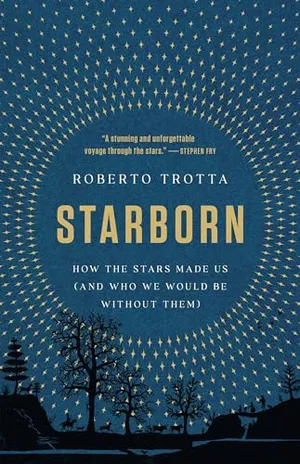
Starborn: How the Stars Made Us (and Who We Would Be Without Them)  by Roberto Trotta
Preview thumbnail for 'Starborn: How the Stars Made Us (and Who We Would Be Without Them)

Without the stars, the history of our species would have been very different. That’s the central argument in Roberto Trotta’s engaging homage to the star-studded night sky, Starborn. The stars are more than just pretty: As Trotta shows, our efforts to understand the movements of the stars and planets (and the sun and the moon) played a crucial role in the development of navigation and precision timekeeping. In ancient Egypt, for example, the bright star Sirius was worshipped as a deity, and the start of the new year was signaled when Sirius first became visible in the pre-dawn sky. Seafaring Polynesians, meanwhile, traveled from island to island in the Pacific Ocean by memorizing the positions and movements of some 200 stars—aided by their knowledge of ocean currents, fish, birds and seaweed. Today’s most accurate timekeepers are atomic clocks, which count vibrations of a cesium atom—but even these need to be tweaked based on the sun and stars, because the Earth’s spin is gradually slowing.

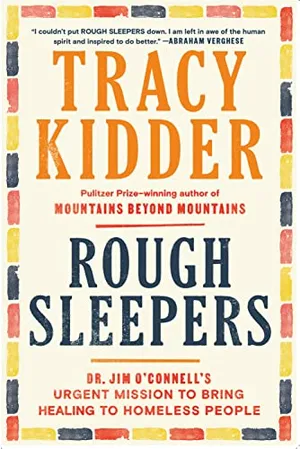
Rough Sleepers: Dr. Jim O’Connell’s urgent mission to bring healing to homeless people  by Tracy Kidder
Preview thumbnail for 'Rough Sleepers: Dr. Jim O'Connell's urgent mission to bring healing to homeless people

In Rough Sleepers, author Tracy Kidder profiles a dedicated doctor who treats Boston’s homeless. Harvard-educated physician Jim O’Connell is the founder and president of the Boston Health Care for the Homeless Program. “The Program,” as O’Connell calls it, employs roughly 400 workers to treat more than 11,000 homeless people annually. O’Connell, who refers to the unhoused as “rough sleepers,” a 19th-century British term, is called Dr. Jim by his patients. He treats them in a clinic and drives a van to meet them on the streets. He addresses everything from lice and scabies to more advanced problems that patients have following years of neglect, including large tumors and, in one case, a hernia that dropped below a man’s knees. Aside from care, O’Connell sometimes hands out his own money and gift cards.Report this ad

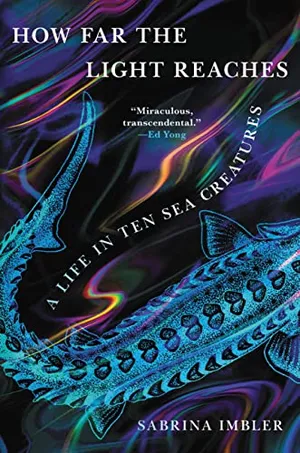
How Far the Light Reaches: A Life in Ten Sea Creatures by Sabrina Imbler
Preview thumbnail for 'How Far the Light Reaches: A Life in Ten Sea Creatures

Nature is unabashedly queer. We are surrounded by species that live outside our human experience, points of reflective contrast to our terrestrial lives. Sabrina Imbler’s scientifically steeped memoir How Far the Light Reaches revels in these differences, using an aquarium of undersea creatures as foils for significant moments in the author’s life. The preserved remains of a whale are a foil for dissecting a breakup, and our sometimes leering fascination with a marine worm called the sand striker gives form to a meditation on consent. Imbler’s essay “We Swarm,” especially, is a treasure. Squishy marine organisms called salps, which spend part of their lives in aggregations of hundreds of individuals, open a warm recollection of Pride celebrations along the New York shoreline.

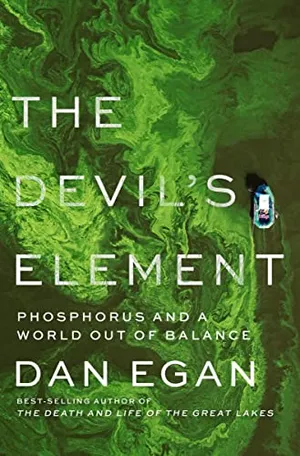
The Devil’s Element: Phosphorus and a World Out of Balance  by Dan Egan
Preview thumbnail for 'The Devil's Element: Phosphorus and a World Out of Balance

As chemicals go, phosphorus—number 15 on the periodic table—is something of a paradox. In The Devil’s Element, journalist Dan Egan explains how phosphorus is essential for all life; it can be found in every cell in your body. But it is also combustible and explosive. So-called white phosphorus is a waxy substance that spontaneously combusts when exposed to oxygen—and can cause temperatures to hit 2,370 degrees Fahrenheit. White phosphorus was the key ingredient in the bombs dropped by the Allies on Hamburg, Germany, during World War II, unleashing a firestorm that leveled the city and killed some 37,000 people.Report this ad

My Father’s Brain: Life in the Shadow of Alzheimer’s by Sandeep Jauhar
Preview thumbnail for 'My Father's Brain: Life in the Shadow of Alzheimer's

Alzheimer’s disease robs a person’s memory, yes, but it also causes sweeping behavioral transformations that can include agitation and stubbornness. Those with the condition can become unrecognizable to their loved ones and difficult patients. The slow-acting and irreversible disease “is more feared than death itself,” writes Sandeep Jauhar in My Father’s Brain. After his father starts to show signs of dementia in 2014, Jauhar’s parents move states to be closer to their sons. But the close proximity does little to prevent his father’s Alzheimer’s from upending the lives of family members. Jauhar doesn’t shy away from narrating the ugly and difficult experiences of his father’s irrational behavior, which often leads to sibling fights and frustration for the author.

The Underworld: Journeys to the Depths of the Ocean by Susan Casey
Preview thumbnail for 'The Underworld: Journeys to the Depths of the Ocean

In June, the world paid more attention than usual to deep-sea exploration when OceanGate’s Titan submersible went quiet while exploring the Titanic. Later, the public learned the craft imploded. That was the rare tragic episode of deep-ocean adventures, one years in the making due to the company’s failure to test and heed warnings. But a much more awe-inspiring exploration of the deep has been taking place for decades, and Susan Casey’s enthralling book, The Underworld, documents it in stunning detail. (We ran an excerpt of the book here.) As Casey points out, though you can view maps of Mars on your iPhone, 80 percent of Earth’s seafloor hasn’t been charted in sharp detail.

Better Living Through Birding: Notes from a Black Man in the Natural World by Christian Cooper
Preview thumbnail for 'Better Living Through Birding: Notes from a Black Man in the Natural World

In little more than two minutes captured on video in May 2020, the life of New York City birder Christian Cooper drastically changed. He saw a dog run through a forested section of Central Park and asked its owner, a white woman, to leash her pet in accordance with the law. When she refused, he began to film her with his smartphone, and as he did, she said she would call the police on him and tell them “an African American man is threatening my life.” As the racist incident came to national attention, Cooper quickly became the best-known birder in America. And, amid a hobby that is largely older and white, “the fact that that birder is Black turned heads,” Cooper writes.
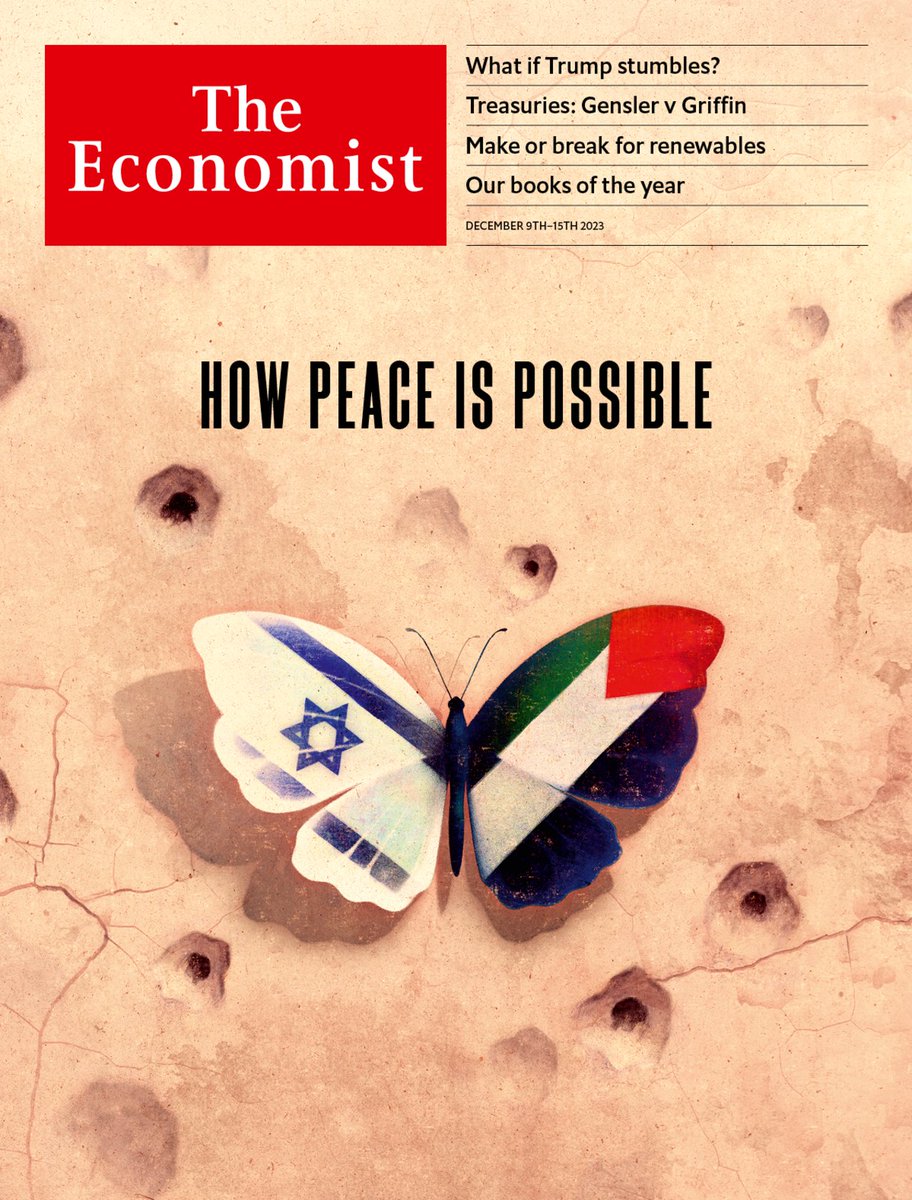
Previews: The Economist Magazine – Dec 9, 2023

Image

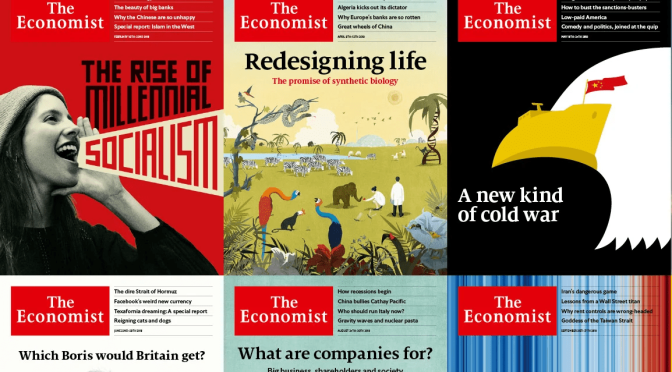
The Economist Magazine (December 7, 2023): The latest issue features Israel and Palestine: how to get to peace – For there to be any hope, both Israelis and Palestinians need new leaders; What if Trump stumbles? – And what might happen if Trump dropped out; Make or break for renewables – Supply-chain dysfunction, rising interest rates and protectionism are making life tough; Our books of the year – This year’s picks transport readers to mountain peaks, out to sea and back in time

Israel and Palestine: How peace is possible

A peace process can go wrong in many ways, but a real possibility exists that it could go right

How to stop over-medicalising mental health

What the world could learn from Britain’s flawed approach

A messy contest is coming to a head behind Donald Trump

Our poll tracker sheds light on that competition. It may yet matter

Arts/Politics: The Atlantic Magazine – January 2024

Image

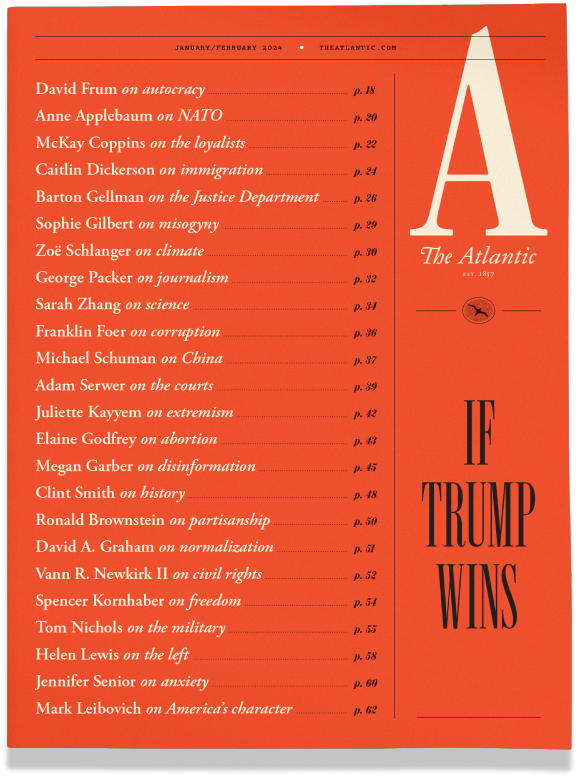
The Atlantic Magazine – December 7, 2023: The latest January/February 2024 issue features ‘IF TRUMP WINS’ – A second Trump presidency won’t just mirror the first. It will be much worse. In The Atlantic’s January/February issue, two dozen writers warn what could happen if Donald Trump is reelected, from destroying the rule of law to abandoning NATO and reshaping the international order.

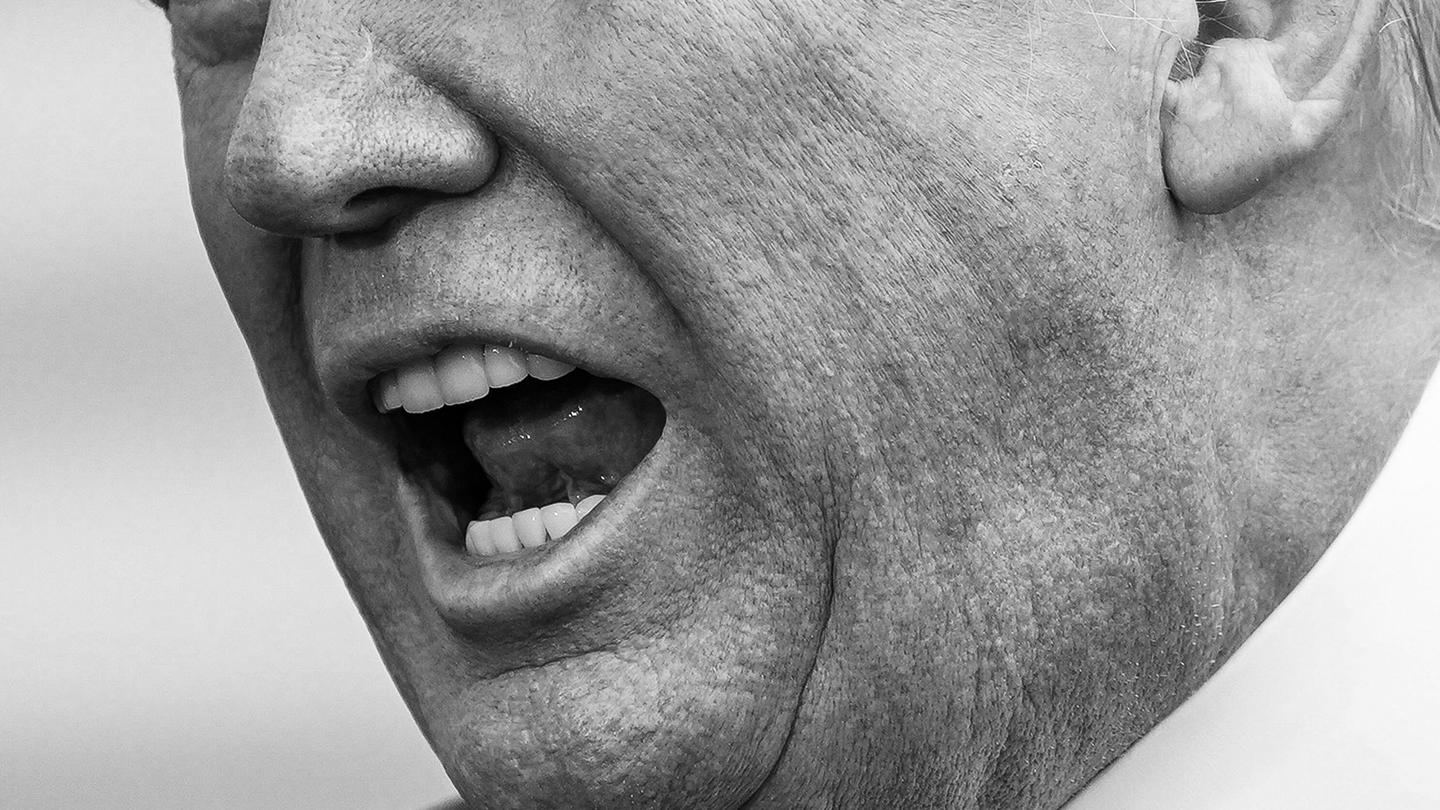
TRUMP ISN’T BLUFFING

A black-and-white photo of the lower half of Trump's face while he's speaking

We’ve become inured to his rhetoric, but his message has grown darker.

By David A. Graham

“We pledge to you that we will root out the Communists, Marxists, fascists, and the radical-left thugs that live like vermin within the confines of our country, that lie and steal and cheat on elections,” Donald Trump said this past November, in a campaign speech that was ostensibly honoring Veterans Day. “The real threat is not from the radical right; the real threat is from the radical left … The threat from outside forces is far less sinister, dangerous, and grave than the threat from within. Our threat is from within.”

CIVIL RIGHTS UNDONE

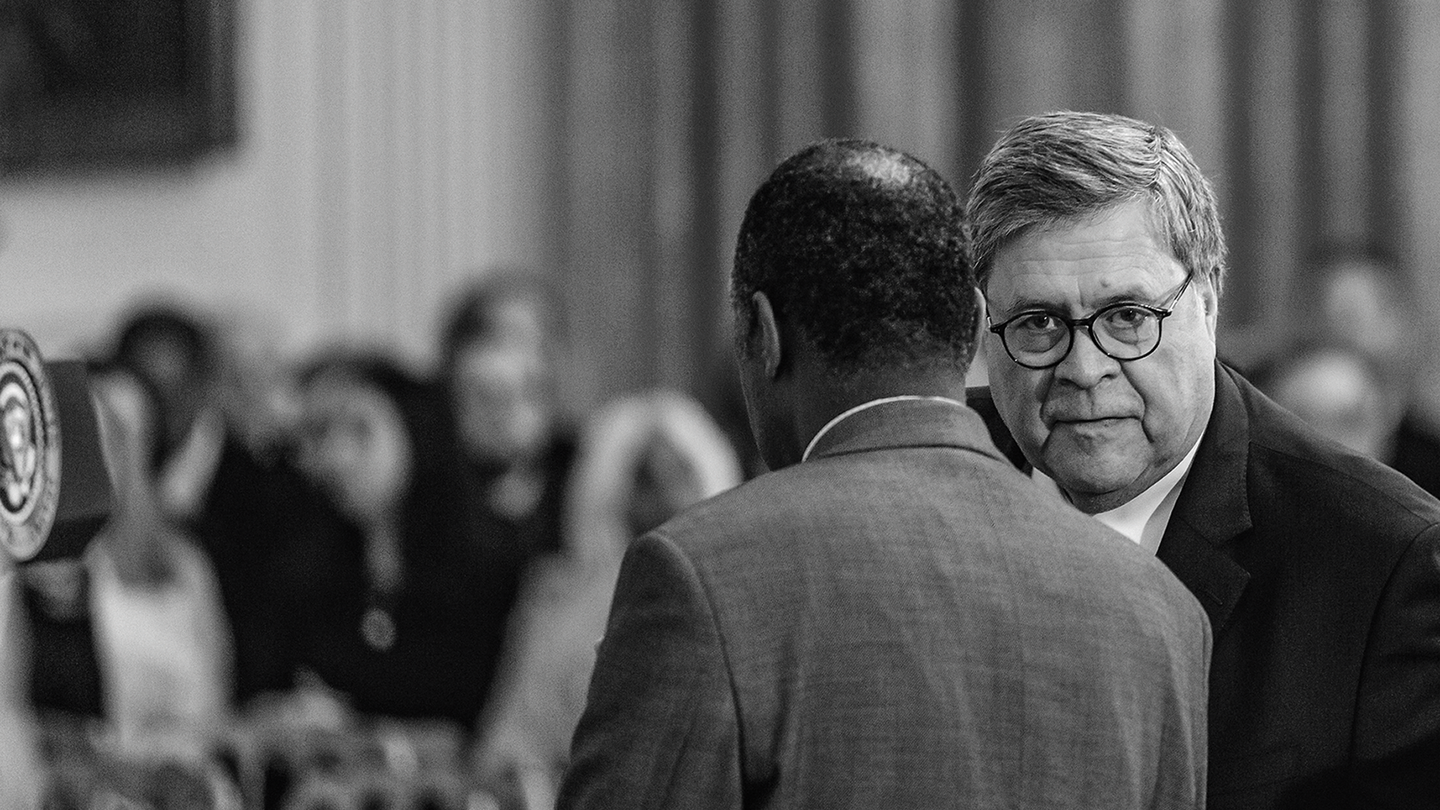
black-and-white photo of Bill Barr and Ben Carson conferring with each other with audience in background
Bill Barr and Ben Carson: not fans of disparate-impact theory

How Trump could unwind generations of progress

By Vann R. Newkirk II

In late 2020, even as the instigators of insurrection were marshaling their followers to travel to Washington, D.C., another kind of coup—a quieter one—was in the works. On December 21, in one of his departing acts as attorney general, Bill Barr submitted a proposed rule change to the White House. The change would eliminate the venerable standard used by the Justice Department to handle discrimination cases, known as “disparate impact.” The memo was quickly overshadowed by the events of January 6, and, in the chaotic final days of Donald Trump’s presidency, it was never implemented. But Barr’s proposal represented perhaps the most aggressive step the administration took in its effort to dismantle existing civil-rights law. Should Trump return to power, he would surely attempt to see the effort through.

Trump’s Plan to Police Gender

His campaign is promising a more repressive and dangerous America.

A War on Blue America

In a second term, Trump would punish the cities and states that don’t support him.

Research Preview: Science Magazine – Dec 8, 2023

Image

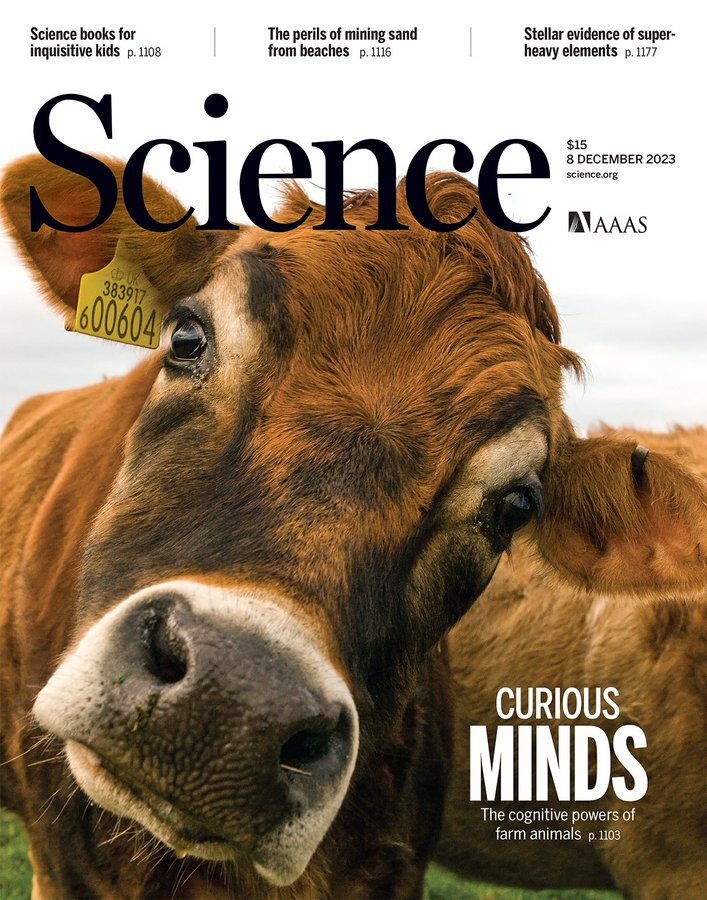
Science Magazine – December 7, 2023: The new issue cover features new research that shows that farm animals may be capable of much cognitive powers than currently known…

What are farm animals thinking?

New research is revealing surprising complexity in the minds of goats, pigs, and other livestock

Delivering drugs with microrobots

Biomedical microrobots could overcome current challenges in targeted therapies

The unsustainable harvest of coastal sands

Sustainable management approaches are needed to protect coastal environments

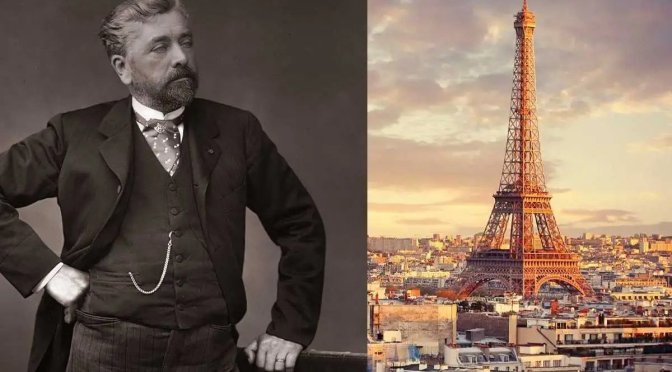
Paris Exhibitions: Gustave Eiffel ‘Higher And Higher’

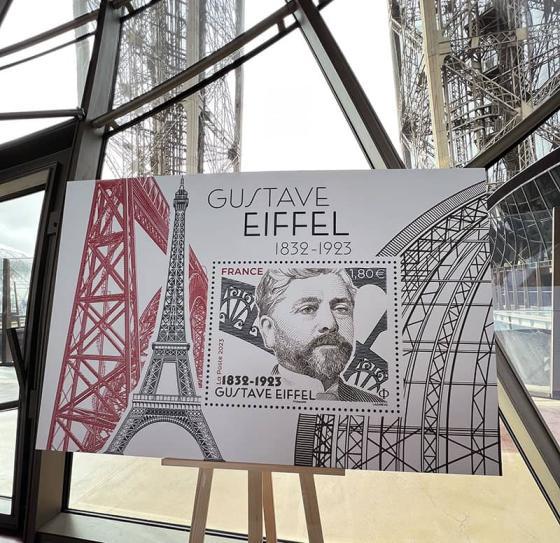
RFI English (December 7, 2023) – 2023 marks the death centenary of Gustave Eiffel. To mark the occasion, an exhibition titled ‘Eiffel Higher and Higher is being held at the foot of the Eiffel Tower. Savin Yeatman-Eiffel, who is exhibition’s curator and a descendant of Gustave Eiffel, spoke to RFI on this occasion.

The sheet of stamps in honor of Gustave Eiffel

Graphic design Patte&Besset, stamp “Fêtes du cinquantenaire de la tour Eiffel”, 1939, creation by Henri Cheffer (c) adagp Paris ; Stamp “Gustave Eiffel 1832 – 1923” creation by Marie-Noëlle Goffin.

Preview: London Review Of Books – Dec 14, 2023

Image

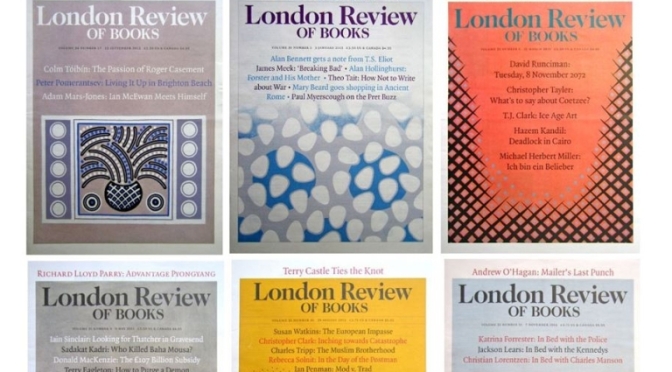
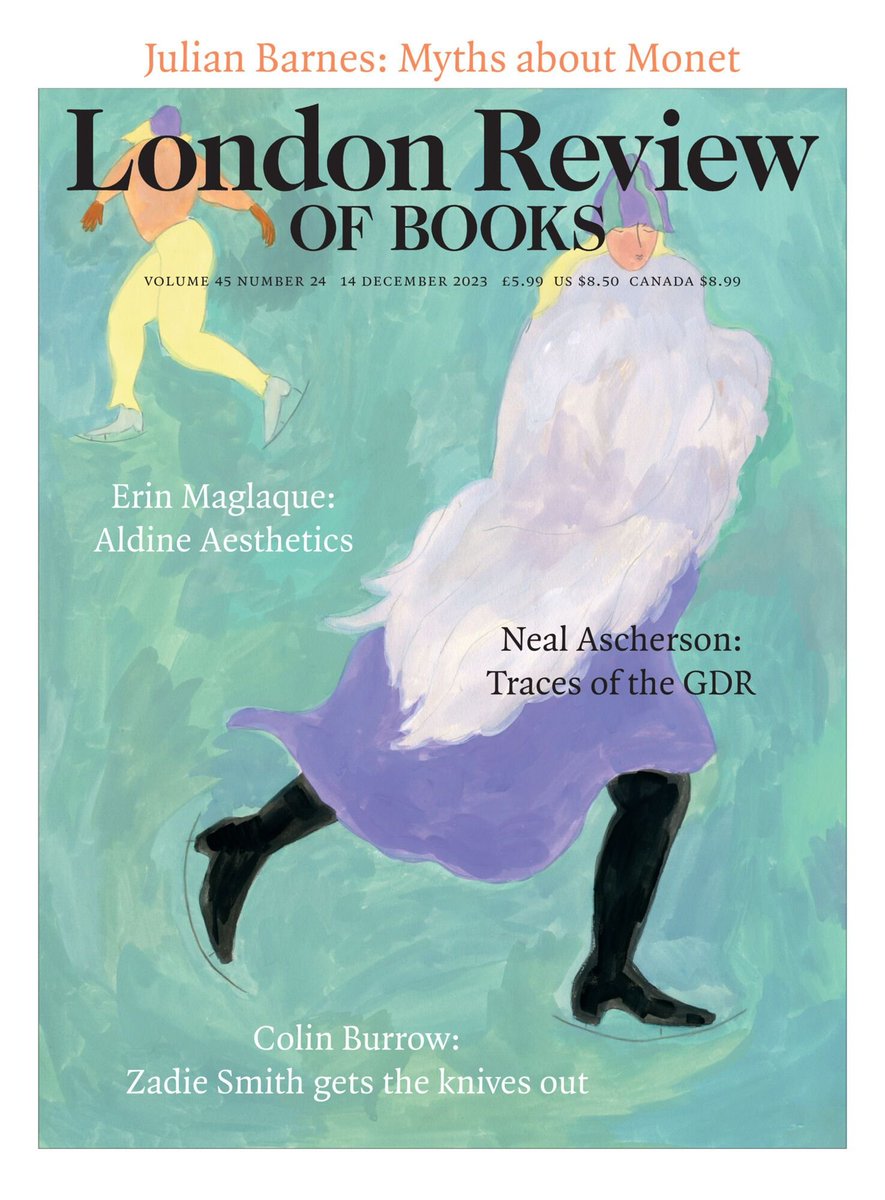
London Review of Books (LRB) – December 7, 2023: The latest issue features Monet: The Restless Vision; Aldus Manutius – The Invention of the Publisher; The Fraud by Zadie Smith and Capitalism and Slavery…

Julian Barnes – Monet: The Restless Vision by Jackie Wullschläger

Erin Maglaque – Aldus Manutius: The Invention of the Publisher by Oren Margolis

Colin Burrow – The Fraud by Zadie Smith

Christopher L. Brown – Capitalism and Slavery by Eric Williams

Preview: Philosophy Now Magazine January 2024

Image

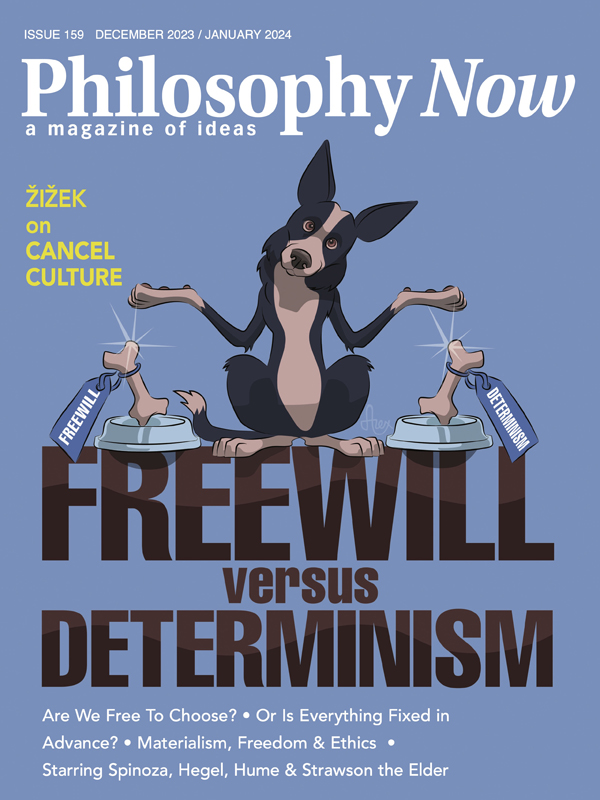
Philosophy Now Magazine (December 2023/January 2024) – The new issue features Freewill versus Determinism – Are we free to choose? Or is Everything Fixed In Advance?; Materialism, Freedom and Ethics; Žižek on Cancel Culture; Spinoza, Hume and other Determinists, and more…

Spinoza & Other Determinists

Myint Zan compares different ways of denying free will.

What Is Free Will?

Grant Bartley wants to know what the problem with freedom is all about.

Criticising Strawson’s Compatibilism

Nurana Rajabova is wary of an attempt to dismiss determinism to keep free will.

Materialism, Freedom & Ethics

Philip Badger constructs a materialist ethical theory, with the help of John Rawls.

The Will Is Not Free: You Have To Earn It

Basil Gala on what it takes to free ourselves from our formative factors.

Architecture: House Of The Year 2023 In London

Dezeen Films (December 7, 2023) – The polycarbonate-clad Green House that architecture studio Hayhurst & Co slotted into a tight site in London has been named the RIBA’s House of the Year for 2023.

Replacing an existing home in an alleyway in Tottenham, the plant and light-filled residence is modelled on a riad – a type of traditional Moroccan house built around a central courtyard. It was hailed by the jury of this year’s RIBA House of the Year prize as “a true oasis within the city”.

Read more on Dezeen: https://www.dezeen.com/?p=2009884

News: Islamist Extremism In Sahel Africa, Hamas Use Of ‘Rape’ As Terror Tool

The Globalist Podcast (December 7, 2023) – The rise of Islamist extremism in the Sahel region of Africa and Christina Lamb examines widespread reports that rape was used as a tool of terror in the Hamas attacks.

Plus: the latest from Cop 28, the future of luxury travel and Portugal unveils plans for a new Lisbon airport.

The New York Times — Thursday, Dec 7, 2023

Image

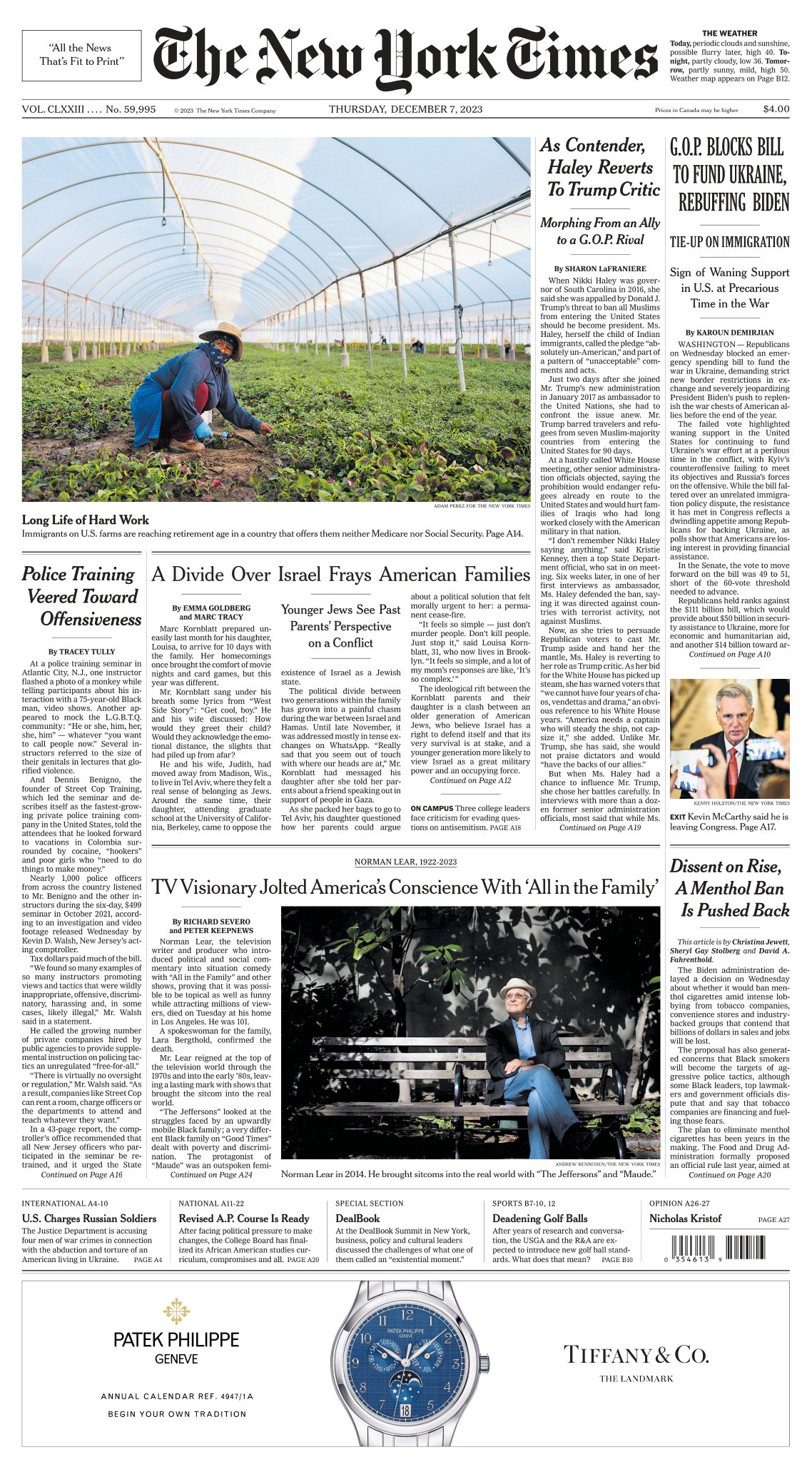
Biden Calls on Congress to Approve Aid to Ukraine: ‘This Cannot Wait’

President Biden urged Congress in a televised speech on Wednesday to pass aid for Ukraine.

The administration has already alerted Congress that money for Ukraine will run out by the end of the year.

Nikki Haley’s Path From Trump Critic to Defender and Back

Nikki Haley has stepped up her criticism of Donald J. Trump’s norm-breaking foreign policy. But as ambassador to the United Nations, she strove to stay on his good side. “I just know that’s who he is,” she said at the time.

As ambassador to the United Nations, Ms. Haley strove to stay in the president’s favor and avoided some battles to change his mind on contentious issues.

Police Trainers Used Sexist Language and Glorified Violence, Videos Show

Street Cop Training, a private police training company, encouraged the use of unconstitutional tactics, a report by New Jersey’s comptroller says.

Jewish American Families Confront a Generational Divide Over Israel

Gen Z and young Millennials often see Israel as an occupying power oppressing Palestinians — a shock to their parents and grandparents, who tend to see it as an essential haven fighting for survival.