
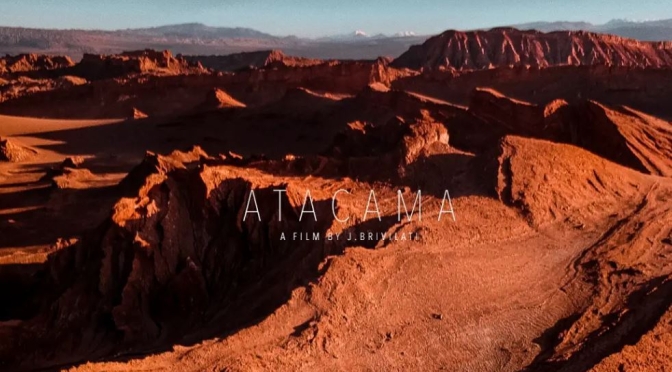
Directed by: J. Brivilati
“It’s like waking up from a dream. And then you begin wondering ‘where am I going?’ And to answer that question you have to try and find out what you want. ‘What do I want to happen? How far we could go?’ – Alan Watts”
A short film I made about my last trip to Atacama, Chile, in 2020. There’s a kind of effect, something magical that happens to you in the middle of the desert. To have nothing to listen to if not the mixing of wind and your breath it forces you to look inside, to talk to your soul. This trip meant a new opportunity to learn about my experience on this planet, to learn about humility and to connect with Mother Earth.
The Atacama Desert (Spanish: Desierto de Atacama) is a desert plateau in South America covering a 1,000 km (600 mi) strip of land on the Pacific coast, west of the Andes Mountains. The Atacama Desert is one of the driest places in the world, as well as the only true desert to receive less precipitation than the polar deserts. According to estimates, the Atacama Desert occupies 105,000 km2 (41,000 sq mi), or 128,000 km2 (49,000 sq mi) if the barren lower slopes of the Andes are included. Most of the desert is composed of stony terrain, salt lakes (salares), sand, and felsic lava that flows towards the Andes.
The desert owes its extreme aridity to a constant temperature inversion due to the cool north-flowing Humboldt ocean current and to the presence of the strong Pacific anticyclone. The most arid region of the Atacama Desert is situated between two mountain chains (the Andes and the Chilean Coast Range) of sufficient height to prevent moisture advection from either the Pacific or the Atlantic Ocean, a two-sided rain shadow.(From Wikipedia)
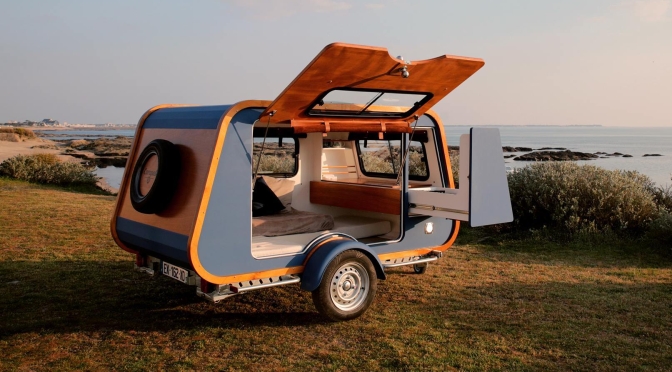
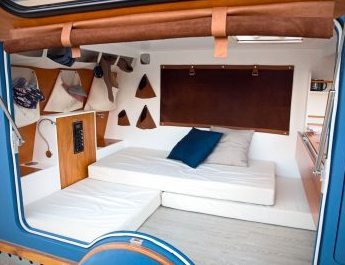 Its optimal weight, around 450kg depending on the options, allows it to be towed by most cars with just its B license in its pocket.
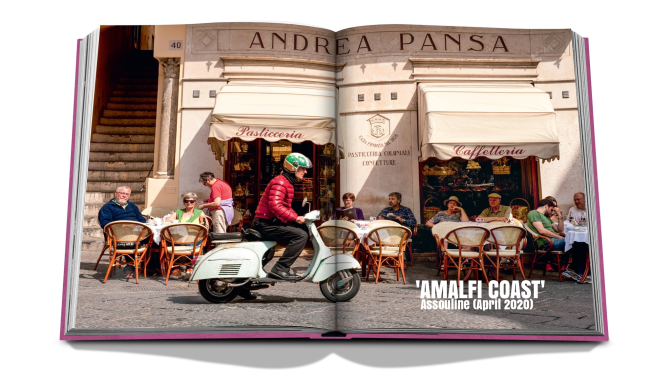
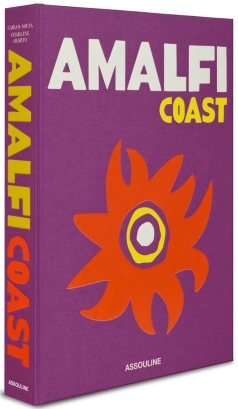 The Amalfi Coast is the pinnacle of the Italian dream. Tucked amongst the lemon blossoms and the bougainvillea is a line of thirteen towns that comprise the Amalfi Coast. Known for its vertical landscape, the villages are only accessible via the Strada Statale 163 — a narrow, winding, cliffside route that while unsettling to traverse, offers unparalleled views.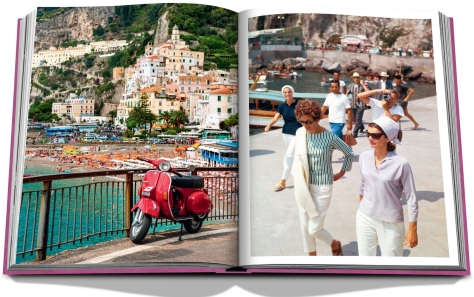




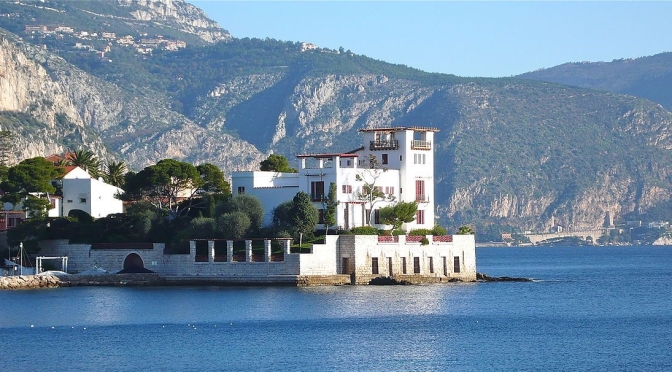
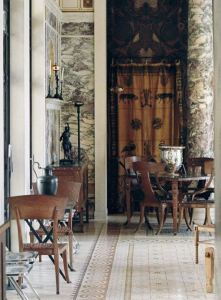 Throughout, the attention to detail is meticulous: mosaic floors of mythical beasts; intricately painted ceilings of interlocking wooden beams. The walls of the Andron, traditionally the male quarters of an ancient Greek household, are streaked with three types of Tuscan marble: ochre Siena, mauve Fleur de Pêcher, and grey-white Carrara. In Mrs Reinach’s bathroom, an immense bathtub weighing one tonne is balanced on two lion paws. Above its ornamental bronze taps, a low-relief frieze depicts the chariot of Demeter. From every window stretches a panorama of glittering blue.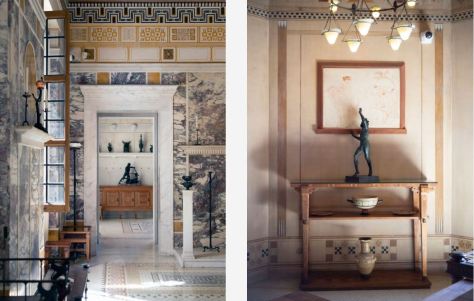

 Boomers Daily