
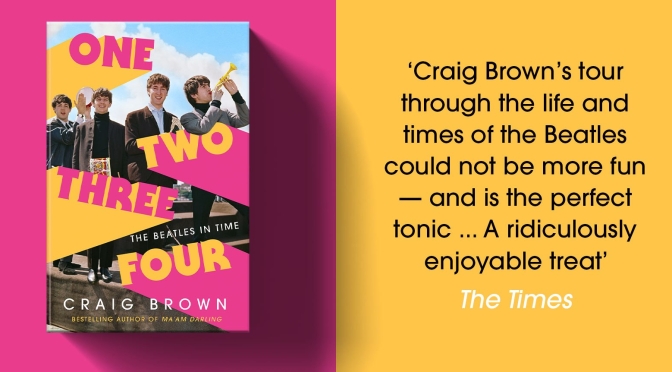
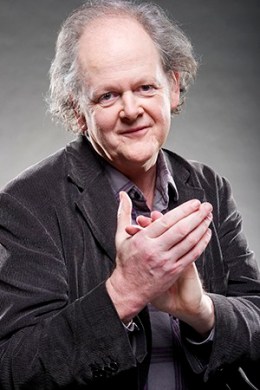
 Robert Bound speaks to writer Craig Brown about his new biography of the Beatles, called ‘One Two Three Four: The Beatles in Time’. How do you say something fresh about one of the most written-about bands in history?
From the award-winning author of Ma’am Darling: 99 Glimpses of Princess Margaret comes a fascinating, hilarious, kaleidoscopic biography of the Fab Four.
John Updike compared them to ‘the sun coming out on an Easter morning’. Bob Dylan introduced them to drugs. The Duchess of Windsor adored them. Noel Coward despised them. JRR Tolkien snubbed them. The Rolling Stones copied them. Loenard Bernstein admired them. Muhammad Ali called them ‘little sissies’. Successive Prime Ministers sucked up to them. No one has remained unaffected by the music of The Beatles. As Queen Elizabeth II observed on her golden wedding anniversary, ‘Think what we would have missed if we had never heard The Beatles.’
One Two Three Four traces the chance fusion of the four key elements that made up The Beatles: fire (John), water (Paul), air (George) and earth (Ringo). It also tells the bizarre and often unfortunate tales of the disparate and colourful people within their orbit, among them Fred Lennon, Yoko Ono, the Maharishi, Aunt Mimi, Helen Shapiro, the con artist Magic Alex, Phil Spector, their psychedelic dentist John Riley and their failed nemesis, Det Sgt Norman Pilcher.
From the bestselling author of Ma’am Darling comes a kaleidoscopic mixture of history, etymology, diaries, autobiography, fan letters, essays, parallel lives, party lists, charts, interviews, announcements and stories. One Two Three Four joyfully echoes the frenetic hurly-burly of an era.
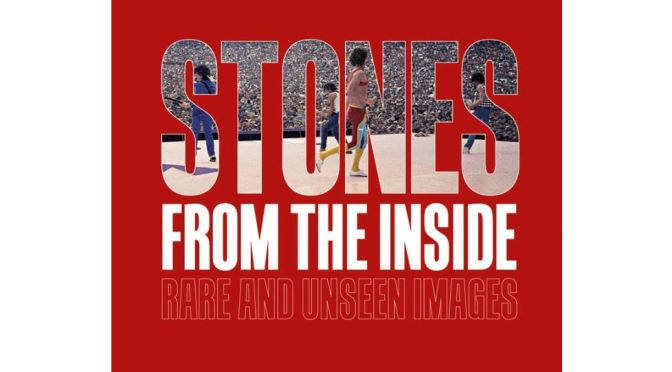
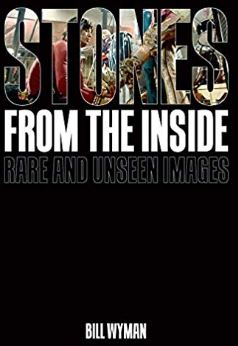 Along with the images of the band at work and play, Wyman includes remarkable images of those along for the ride, from John Lennon, Eric Clapton, David Bowie and Iggy Pop to John Belushi and Dan Aykroyd. To accompany his photographs, Wyman offers up wonderful insights, anecdotes and behind-the-photo stories, giving all us a front-row seat and backstage pass to what it was like to be there, as music history was made as a member of The Rolling Stones.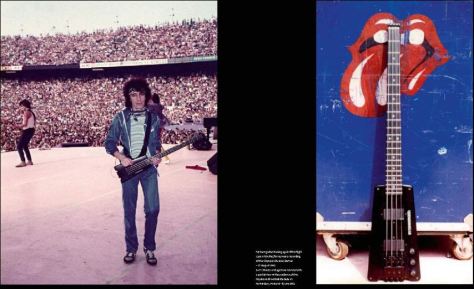
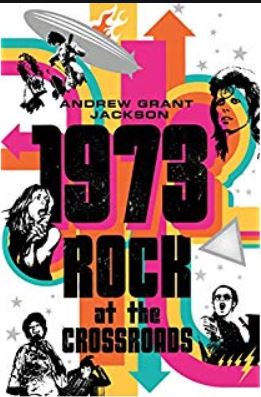 Led Zep’s Houses of the Holy reflected the rise of funk and reggae. The singer songwriter movement led by Bob Dylan, Neil Young, and Joni Mitchell flourished at the Troubadour and Max’s Kansas City, where Bruce Springsteen and Bob Marley shared bill. Elvis Presley’s Aloha from Hawaii via Satellite was NBC’s top-rated special of the year, while Elton John’s albums dominated the number one spot for two and a half months.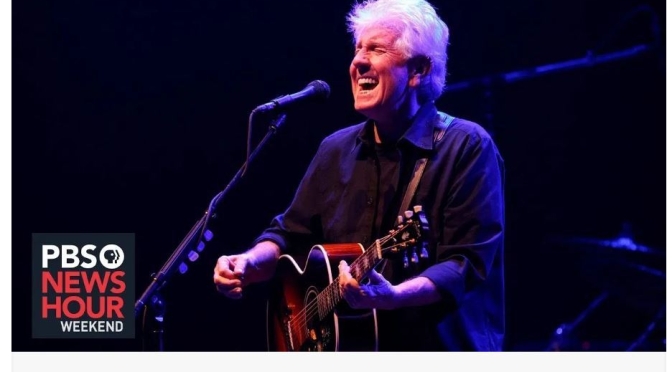
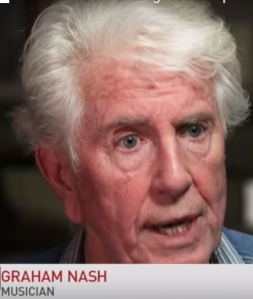 Two-time Rock and Roll Hall of Fame inductee Graham Nash has hits aplenty spanning his nearly six-decade career. But the 77-year-old singer-songwriter recently chose to perform a special run of shows featuring his lesser-known first two solo albums in their entirety, which together describe a crucial chapter in his personal and artistic life. Tom Casciato recently spoke to Nash to learn more.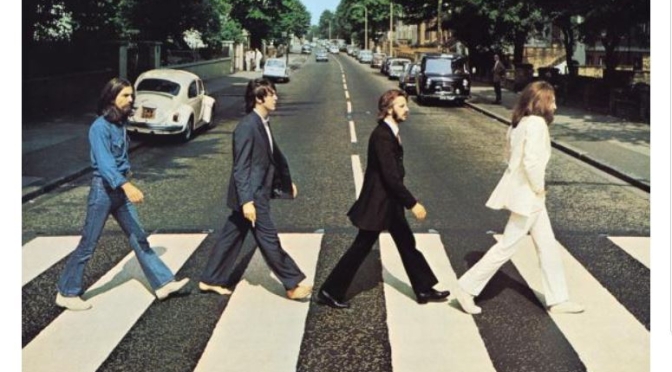
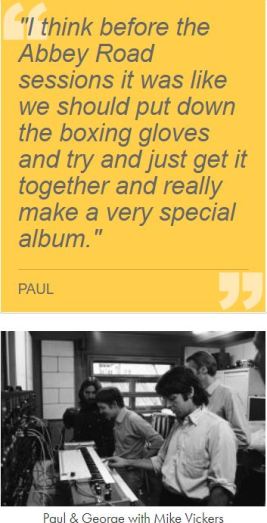 “Abbey Road” was the Beatles’ last word—the final recordings by the most popular and influential artists of the nineteen-sixties. Now, on the occasion of its fiftieth anniversary, “Abbey Road” has been expertly remixed by Giles Martin, George Martin’s son and protégé, and reissued in a super-deluxe edition that comes with an archive of studio outtakes and a hundred-page book of essays and liner notes that chronicle how the recordings were made. “The Beatles are good even though everybody already knows that they’re good,” the classical composer Ned Rorem observed in 1968, alluding to how the band’s immense popularity confounded the usual notions of discriminating taste. If anyone needs to be reminded of this, this new edition of “Abbey Road” should do the trick.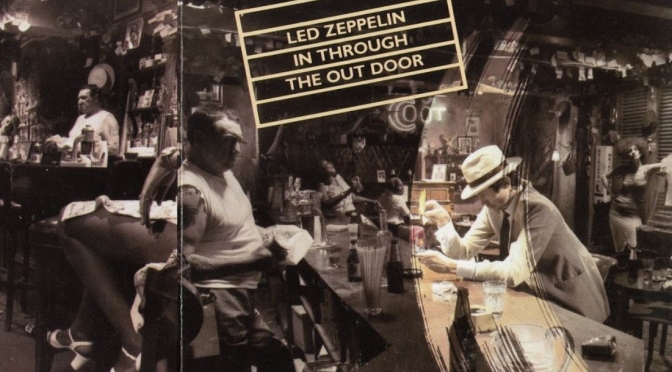
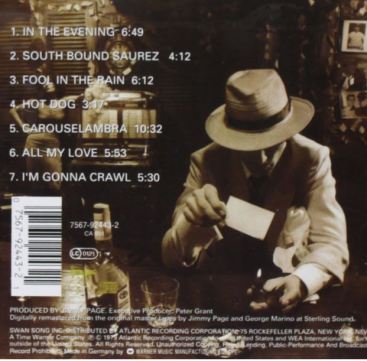 The album was rumored to be originally titled Look, but the title was changed to In Through the Out Door as a nod to the band overcoming their struggles. (“That’s the hardest way to get back in,” Page said).
  Boomers Daily