With an ominous oncologist’s report hanging over his head, Hugo decides to get away for a bit, to a conference in Paris. There, a new romance blooms and Hug o finds himself wondering if growing old in Paris might be the perfect antidote to the drama he left behind in New York. Unflinching, witty, and urbane as ever, Louis Begley delivers a spot-on satire of the world of New York’s aging elite, and uncovers the unexpected delights a late-in-life change can offer.
After four decades of what he believes to be a happy, healthy partnership, Hugo Gardner’s world is overturned when he learns that his wife, Valerie, is not only requesting a divorce but has left him for a younger, more vital man. Hugo, an octogenarian political writer and retired journalist for Time, must rethink the way he’s lived, and reassess how he’d like to spend his remaining years.
Reconsidering past relationships in his mind, with years of distance, Hugo begins to see things in a new light: Valerie, whose youth and ambition eventually came between them; his children, whose support might be more financially than emotionally motivated; and his friends, who, like him are rapidly aging before his very eyes.
Publisher



 While all their Proseccos are exceptional, it’s their Brut that blows everyone away. It recaptures a tantalising hint of the yeast I so loved from the Rifermentato in Bottiglia, all sharp apples and sourdough.
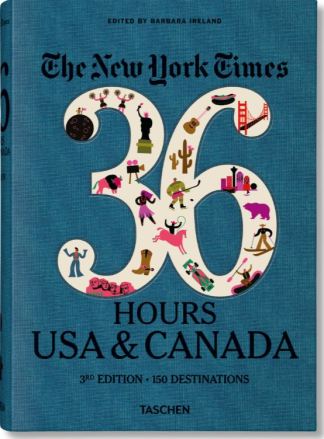 In this fully revised and updated third edition of the best-selling USA & Canada volume, TASCHEN presents the best itineraries from across the continent. You’ll find marquee metropolises like New York, Montreal, and Los Angeles; world-famous natural wonders at Niagara Falls and the Grand Canyon; the hidden charm of Rust Belt cities like Duluth and Detroit, as well as 33 new stories including Anchorage, the Berkshires, Boulder, and many more.
 To travel in North America is to face a delicious quandary: over these vast spaces with so many riches, from glittering cities to eccentric small towns and heart-stoppingly beautiful mountains and plains, how to experience as much as possible in limited time? The New York Times has the answer, offering up dream weekends with practical itineraries in its popular weekly 36 Hours column for nearly two decades.

 The Citroën DS is a front-engine, front-wheel-drive executive car that was manufactured and marketed by the French company Citroën from 1955 to 1975 in sedan, wagon/estate and convertible body configurations across three series/generations.
 the hydropneumatic self-levelling suspension. Citroën sold 1,455,746 examples, including 1,330,755 manufactured at the manufacturer’s Paris Quai André-Citroën production plant.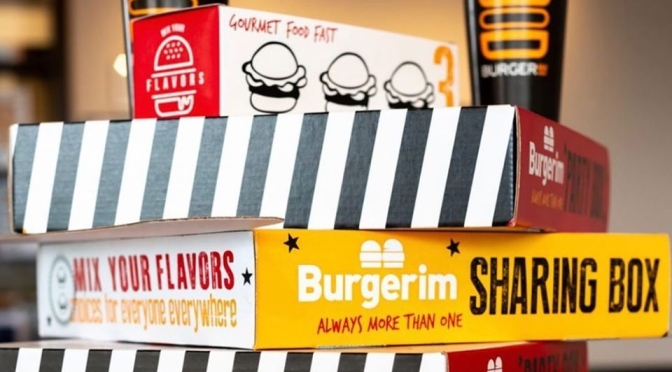
 With 11 protein options for its burgers (including salmon, lamb, falafel and dry-aged beef), two patty sizes and a host of toppings, Burgerim—which increased its unit count by nearly 250% in 2018 to become the country’s fastest-growing emerging chain—is upping the complexity of the traditional burger concept.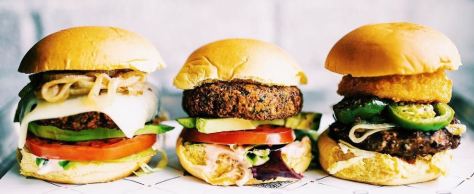

 “Future of Food” series on PBS. In this episode they discussed technology in food production including fast-growing salmon (Aquabounty), cell-based meat (Memphis Meats), diversified crop rotation in Iowa, and other trends.


 “Nikas combines extensive research into a previously unavailable and highly detailed archive of Donald Healey’s personal records with the author’s masterful ability to weave together an amazing level of detail while making it an eminently readable story. The result is a book that both seasoned automotive historians and anyone with an interest in the story of a life well lived will enjoy. Until you’ve read this book, you don’t know the true story of Donald Healey and his cars”
 Boomers Daily