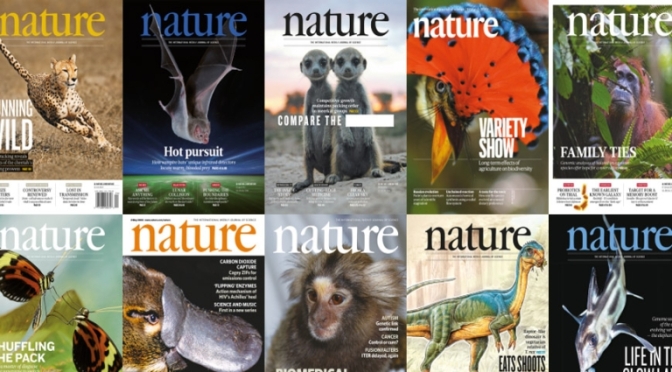
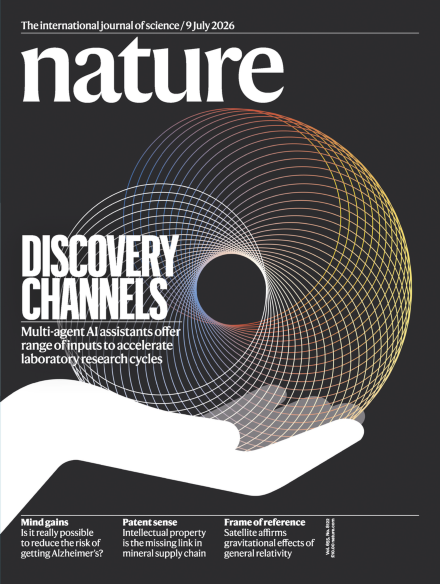
Depletion of the ozone layer has been traced mainly to the widespread use of industrial chlorofluorocarbon chemicals, but there might have been an additional culprit.
Coffee plants are critically endangered by climate change. Researchers are finding solutions to keep scientists supplied with their favourite discovery fuel.
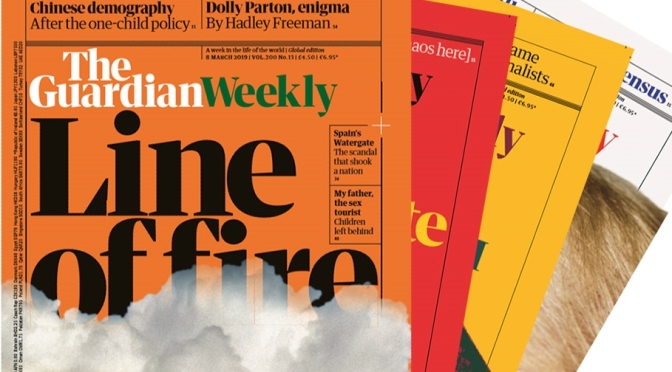
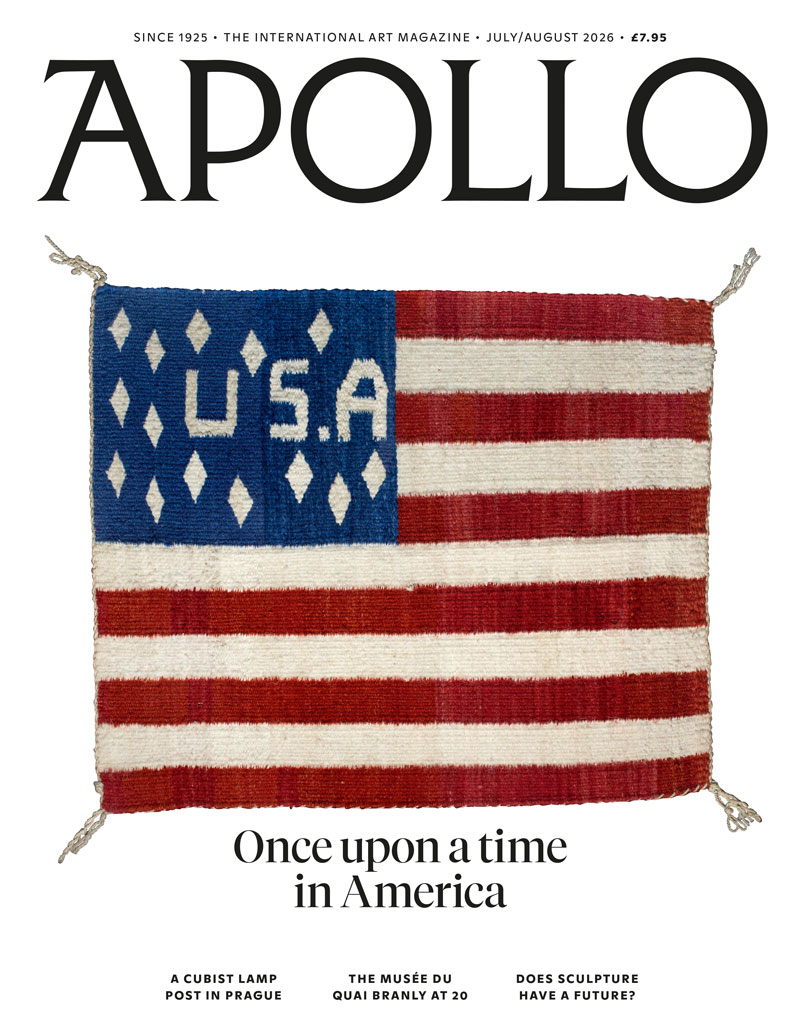
In case you missed Donald Trump’s triumphalist address marking America’s 250th anniversary, you weren’t alone. Lightning storms caused by an extreme heatwave sent the Washington crowds scattering and delayed the US president’s address by four hours – but it was still a trademark piece of Trumpian dystopia, a highly politicised polemic that followed on from a white nationalist march on the streets of the capital.
David Smith’s brilliant feature essay this week reveals how the US president has hijacked the country’s milestone anniversary and turned it into a joyless, farcical series of largely self-serving events. And from Moscow to Mexico City, there’s a terrific reported feature from our correspondents around the globe on how the world views America at 250 in the age of Trump.
Spotlight | At the ayatollah’s funeral, Iranians call for revenge Crowds swelled through Tehran as mourners dressed in black carried flags proclaiming: ‘We will rise’, reports diplomatic editor Patrick Wintour
Environment | The changing symphony of Britain’s dawn chorus The country has lost an estimated 73 million wild birds from its landscape over the last 50 years, but a new project aims to recreate their sound. By Sandra Laville and Madeleine Finlay
Feature | Morality and the machine Since 2017, philosopher Iason Gabriel has worked at Google DeepMind, trying to anticipate – and think through – the impact of AI. But as commercial and geopolitical pressures escalate, can ethicists make any difference, asks Robert P Baird
Opinion | Thank heavens for the pope In a political wasteland dominated by billionaires, war criminals and mega-corporations, the head of the Catholic church is a rare figure of moral leadership, argues Simon Tisdall
Culture | An invitation you can’t refuse Director Olivia Wilde and co-star Edward Norton talk to Catherine Shoard aboutThe Invite, their new movie about marital bed death that is the season’s buzziest, funniest release
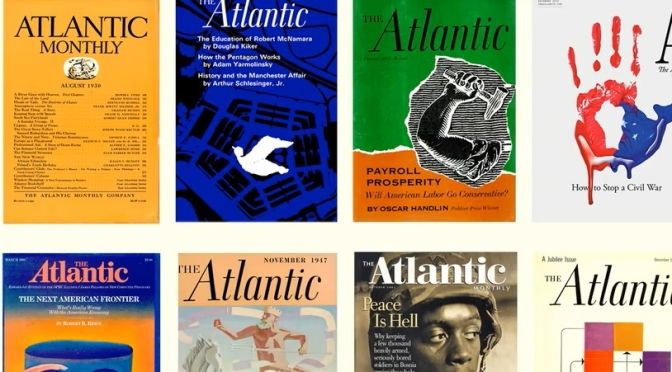
THE ATLANTIC MAGAZINE: The latest issue featuresReading shaped the modern mind. Its decline will reshape it—and transform civilization, Rose Horowitch argues in our August cover story.
The End of Reading Is Here
Optimists once believed that universal literacy was inevitable. Now it seems that the age of reading might be a short anomaly in human history. By Rose Horowitch
The Corner of Hollywood That’s Most Susceptible to AI
Animators are figuring out whether to fight or accept the new technology that’s coming for their jobs. By Shirley Li
Perhaps the Nazi Tattoo Was a Clue
Graham Platner’s unfitness for office was clear long ago. By Mike Nelson
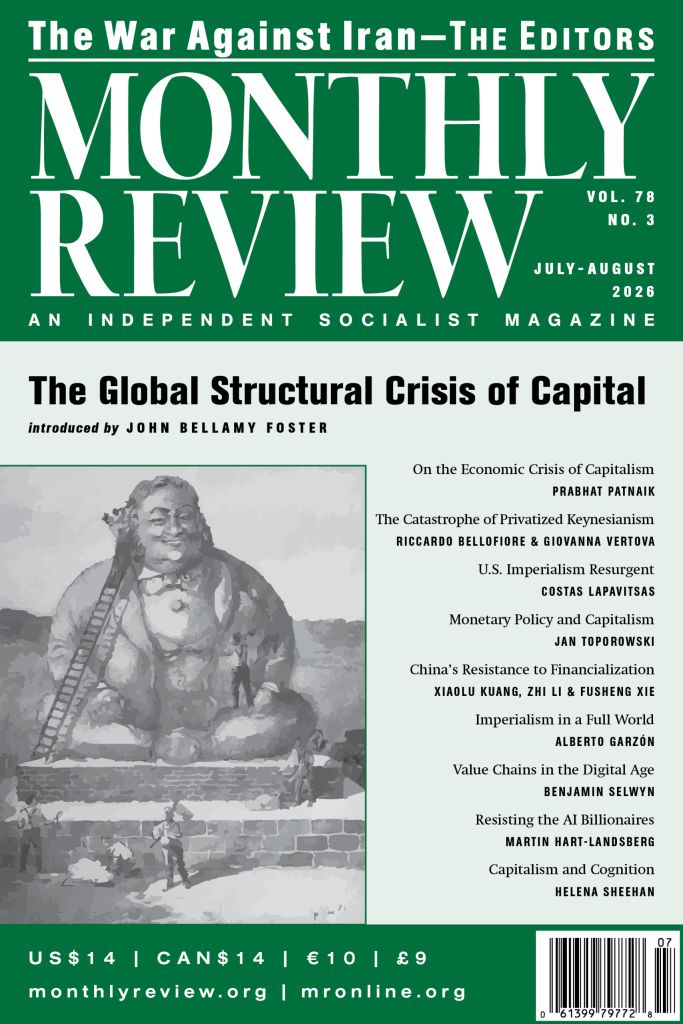
The notion of a “global structural crisis of capital” defining our times was first introduced by István Mészáros in the third edition of his Marx’s Theory of Alienation in 1971, and in his Isaac Deutscher Memorial Lecture, “The Necessity of Social Control” that same year.2 In 1995 in Beyond Capital, Mészáros distinguished the emerging, epochal structural crisis of capital from the cyclical and conjunctural crises that are “capital’s natural mode of existence.”
Hegel turned the world onto its head and Marx turned it back on its feet, and now finance is turning the world on its head again. In the early 19th century, Hegel proposed that human history was shaped by consciousness, by human spirit, by the head. Marx argued, in turn, that history was actually determined by practical social conditions, by the way people make their means of living, standing on their feet. It was capitalism that made it seem like heads, owners of industry and leaders of states and their apologists, intellectuals, made history happen, and not workers. The feet were the source of power while the heads claimed all the power for themselves. It is harder to believe this is true now. Industry does not matter much to finance, and labor even less. Finance packages up the productive economy to resell it according to its own rules. A few prescient people have been studying the way the new rules ruin living conditions, pervert political possibilities, and increasingly dominate the global order. Yet, there is still no field dedicated to theorising the ill effects of the newly upside-down world. We need, in short, a critical theory of finance.
In ‘Money,’ Stefan Eich exposes a paradox. Money needs everyone’s trust to operate, and yet economists and politicians claim that only they can decide on its uses. In ‘What is Monetary Policy,’ Leah Downey explains how the technocratic apparatus of policy prevents democratic decision-making. Melinda Cooper considers the challenge supposedly presented by Schumpeter’s view of the relation between family, capitalism, and democracy. Radhika Desai demonstrates a tradition in Marxist thought that already predicts financialisation and has a strong theory of it. Finally, Paul North briefly evaluates four very general positions from which to critique finance, as a preparation for a critical theory of finance.
Also in this issue, Peter West explores how Plato continues to speak to our present moment, with Angie Hobbs’ recent book offering a timely defence of dialogue against the rise of censorship, polarisation, and performative debate. Meanwhile, Marie Snyder reflects on The End Doesn’t Happen All at Once, a pandemic memoir in letters that traces how friendship, literature, and mutual care sustained lives through the disorientation and inequalities of Covid.
Kristie Miller puzzles over our preference for how our well-being is distributed over time; Alison Stone delves into Victorian philosophy as a distinct tradition in which women philosophers played a significant role; Matthew Sharpe makes the case for reclaiming Stoicism from the manosphere and the far right; Mary Peterson continues a conversation started in her 2024 article in The Philosopher, on restorative justice and sexual misconduct; and Adrian K. Yee asks what ethical issues are raised by the use of machine learning in counterterrorism.
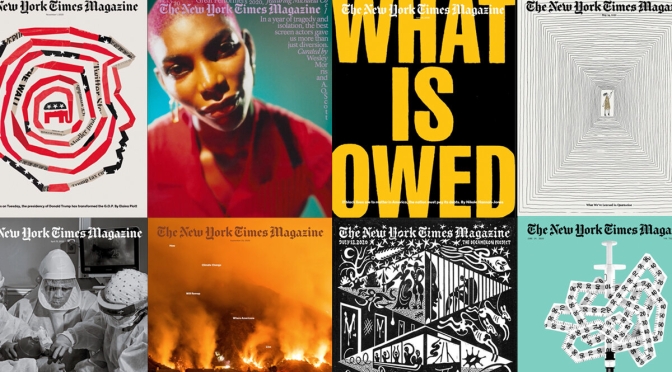
THE NEW YORK TIMES MAGAZINE:The 6.28.6 issue features Charles Homans, Steve Eder, Jan Ransom and Michael Rothfeld on the untold story of Jeffrey Epstein’s death; Katie Engelhart on the pain of caring for a parent who abused you; Dan Brookes on kickboxing in Thailand; and more.
The comedian Robby Hoffman seems to be everywhere these days, including her scene-stealing role in “Hacks” as a former Hasidic Jew from Crown Heights, Brooklyn, who becomes a Hollywood assistant and her part in the HBO comedy “Rooster” as the blunt, protective roommate of a student having an affair with a professor.
For the 250th anniversary, The Times Magazine asked leading historians to profile founding-era Americans whose roles in the drama have been often overlooked.
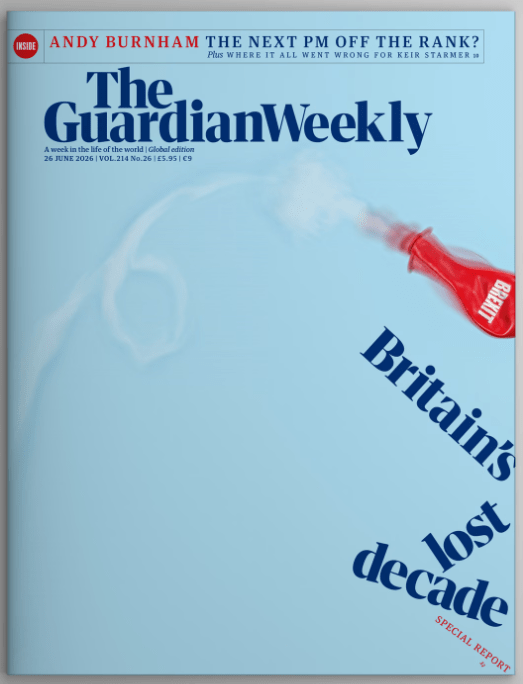
It’s neatly ironic that the 10th anniversary of the Brexit vote should have been marked this week by yet another prime ministerial resignation.
The two things aren’t directly related – the intense pressure put on Keir Starmer to step down was partly down to his own political flaws. But the rise in the polls of Reform UK, Nigel Farage’s populist rightwing party that morphed out of the Brexit-obsessed Ukip, was a key factor.
The fact that the country is now set for its seventh prime minister in the decade since Brexit speaks volumes. The vote in 2016 to leave the European Union deeply fractured Britain, a country that remains volatile and impatient for change to this day.
Change has come to the UK as a result of Brexit – only not for the better, as senior economics correspondent Richard Partington explains for our special report this week. We revisit the buildup to the vote as key figures at the time recall how it shook the country’s politics. And there’s even a quiz to test your memory of the more arcane sideshows of it all.
Spotlight | Iran’s regime survived the war. Will it make peace with its people? If the conflict with the US and Israel triggered a rare moment of solidarity in the divided country, many doubt it will be used for reform, reports Saeed Shah
Spotlight | Why did Somali children become targets of US drone strikes? Six months ago, at least 12 people, including eight children, died during a US attack. The US has never admitted the civilian deaths. Mark Townsend pieces together what happened that day
Environment | The online archive sharing scientific knowledge with everyone The Biodiversity Heritage Library is an invaluable online archive of historic texts on species living and lost supplied by the world’s leading museums and universities. Now its future is in doubt. Donna Ferguson reports
Opinion | There is still hope for international law Even in this age of global rupture, do not despair: developments in Ukraine and Iran show that the military superpowers are not getting it all their own way, argues Nathalie Tocci
Culture | Why time is still on Keith Richards’ side At 82, the Rolling Stones guitarist is still hale and hearty, enjoying life as a great-grandad and jousting with Mick Jagger like old times. Ahead of a new Stones album launch, Alexis Petridis caught up with him
News, Views and Reviews For The Intellectually Curious







 Boomers Daily