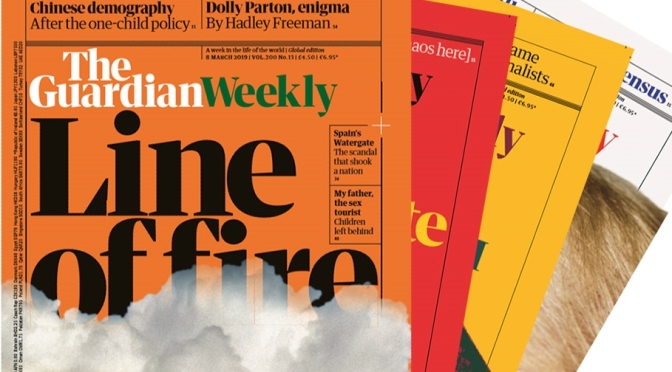
The Guardian Weekly (August 4, 2023)– Israel in turmoil: Netanyahu’s judicial coup; Stormzy’s scholarship graduates; International fiction found in translation, and more…
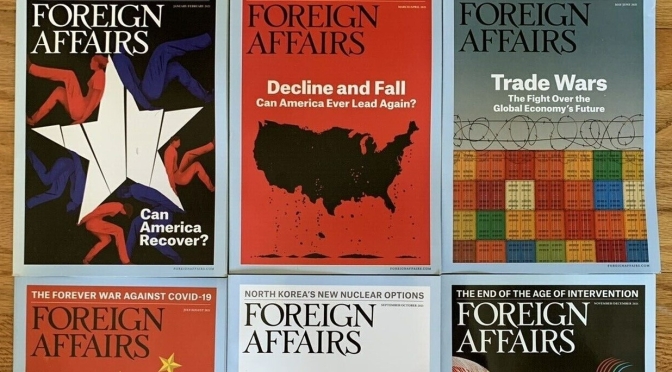
Foreign Affairs (August 2, 2023) – As 2022 came to an end, hopes were rising that China’s economy—and, consequently, the global economy—was poised for a surge. After three years of stringent restrictions on movement, mandatory mass testing, and interminable lockdowns, the Chinese government had suddenly decided to abandon its “zero COVID” policy, which had suppressed demand, hampered manufacturing, roiled supply lines, and produced the most significant slowdown that the country’s economy had seen since pro-market reforms began in the late 1970s.
Economic long COVID will likely plague the Chinese economy for years.
In the weeks following the policy change, global prices of oil, copper, and other commodities rose on expectations that Chinese demand would surge. In March, then Chinese Premier Li Keqiang announced a target for real GDP growth of around five percent, and many external analysts predicted it would go far higher.
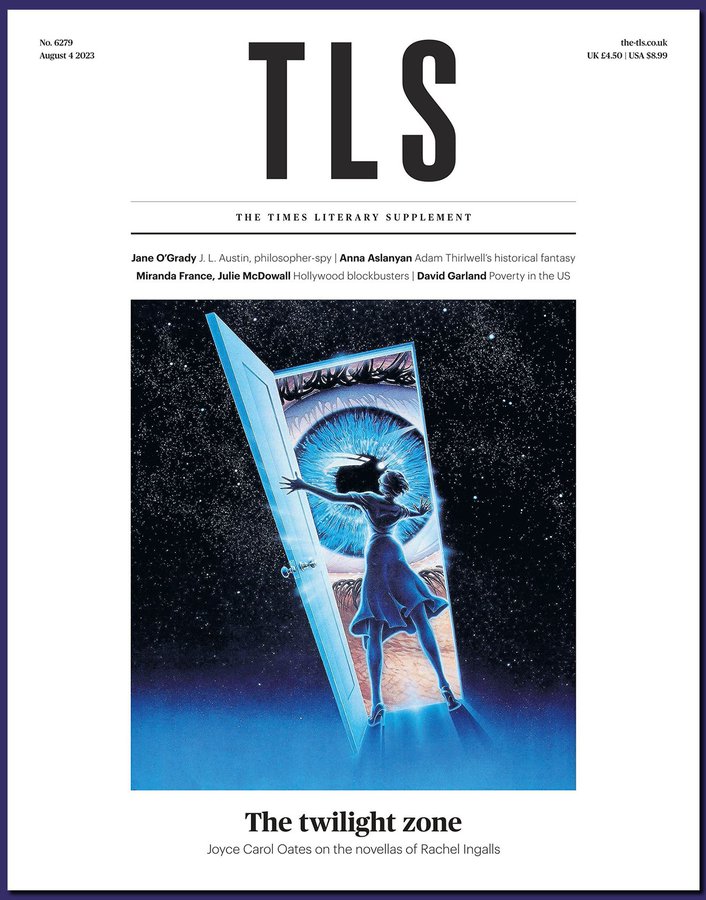
Times Literary Supplement (August 4, 2023): The twilight zone – Joyce Carol Oates on the novellas of Rachel Ingalls; J.L Austin, philosopher-spy; Adam Thirlwell’s historical fantasy; Hollywood blockbusters; Poverty in the U.S. and more…
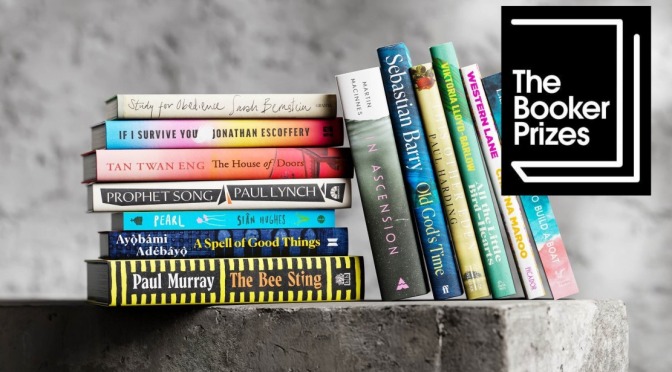
The Booker Prize (August 1, 2023) – The longlist has been announced! It features work from four continents, four Irish writers, four debut novelists – and ten authors who are recognized by the Booker Prize for the first time.
As the founder of Adventures with Purpose, Jared Leisek carved a lucrative niche in the YouTube sleuthing community. Then the sleuths came for him, Rachel Monroe writes.
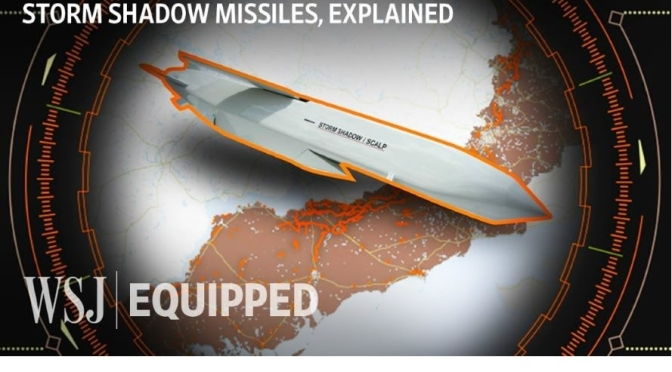
Wall Street Journal (July 29, 2023) – Storm Shadow missiles equip Ukraine’s military counteroffensive with the ability to hit Russian targets more than 150 miles away with pinpoint accuracy.
Video timeline:0:00 A weapon to help with counteroffensive 0:30 How Storm Shadow missiles work 4:31 Weaknesses 6:07 What’s next?
The weapon has three times the range of that on the HIMARS rockets in Ukraine, forcing Moscow to rethink its logistics. WSJ takes a look at how these long-range, deep-strike missiles work and why the Storm Shadow is equipped to take out key Russian command and control centers.
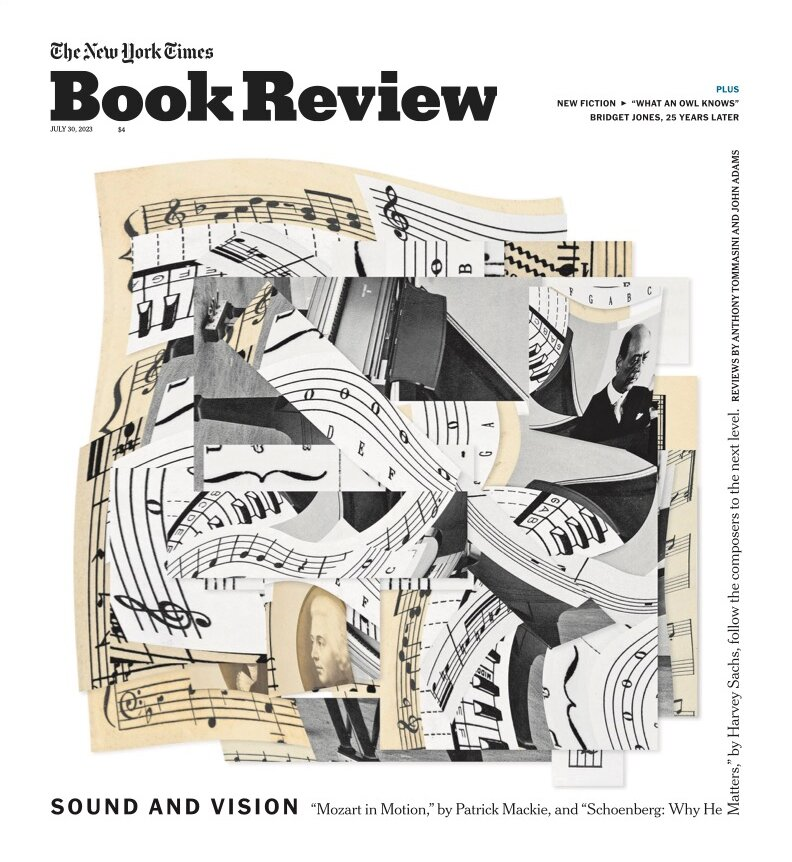
On this week’s cover, we feature biographies of composers Arnold Schoenberg and Wolfgang Amadeus Mozart that emphasize the extent to which each was a singular genius attuned to his culture and times; our reviews are by Anthony Tommasini (formerly The Times’s chief classical music critic) and the composer John Adams.
In Patrick Mackie’s “Mozart in Motion,” the socially observant composer embraces modernity.
Musicians tend to be wary of ascribing specific meanings to music or making too much of a piece’s extra-musical associations. In one of his Norton Lectures at Harvard in 1973, turning to Beethoven’s “Pastoral” Symphony, Leonard Bernstein asked the audience to forget all about “birds and brooks and rustic pleasures” and instead concentrate on “pure” music. He then demonstrated how every phrase of the entire first movement is derived from little motifs of notes and rhythms in the first four bars of the score.
John Adams reviews “Schoenberg: Why He Matters,” in which Harvey Sachs explores the artistic, academic and spiritual life of a 20th-century cultural giant.
In 1955 Henry Pleasants, a critic of both popular and classical music, issued a cranky screed of a book, “The Agony of Modern Music,” which opened with the implacable verdict that “serious music is a dead art.” Pleasants’s thesis was that the traditional forms of classical music — opera, oratorio, orchestral and chamber music, all constructions of a bygone era — no longer related to the experience of our modern lives. Composers had lost touch with the currents of popular taste, and popular music,
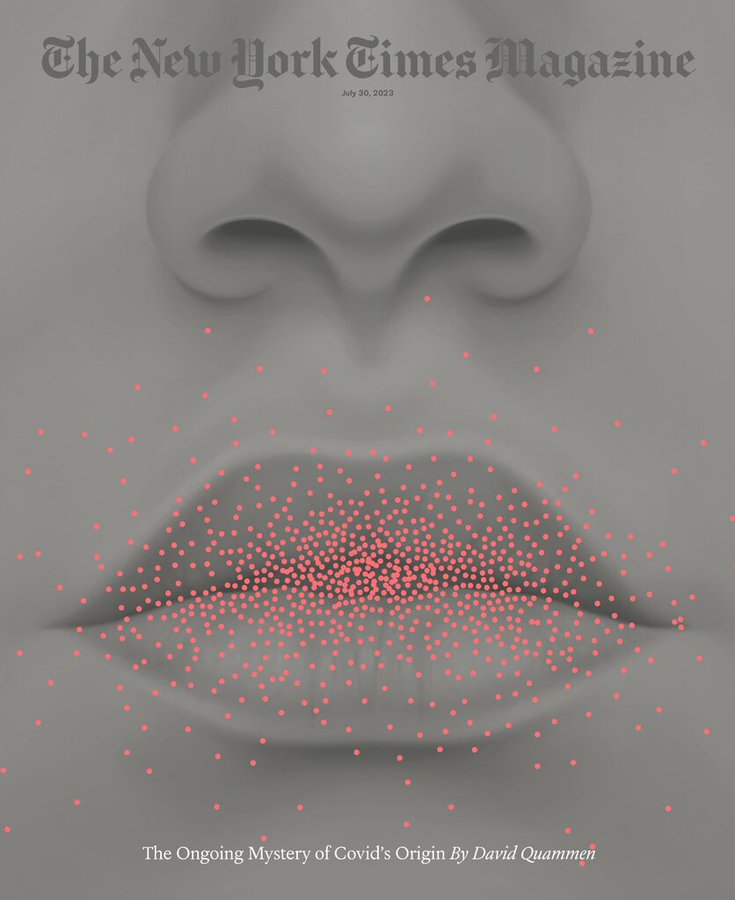
THE NEW YORK TIMES MAGAZINE (July 30, 2023) – In this week’s cover story, David Quammen reports on the ongoing mystery of Covid’s origin, what we do know — and why it matters. Plus, a profile of a poet who was kidnapped from his Black father by his white grandparents and a look at a group of English activists’ fight for the right to access public lands.
We still don’t know how the pandemic started. Here’s what we do know — and why it matters.
By David Quammen
Where did it come from? More than three years into the pandemic and untold millions of people dead, that question about the Covid-19 coronavirus remains controversial and fraught, with facts sparkling amid a tangle of analyses and hypotheticals like Christmas lights strung on a dark, thorny tree. One school of thought holds that the virus, known to science as SARS-CoV-2, spilled into humans from a nonhuman animal, probably in the Huanan Seafood Wholesale Market, a messy emporium in Wuhan, China, brimming with fish, meats and wildlife on sale as food. Another school argues that the virus was laboratory-engineered to infect humans and cause them harm — a bioweapon — and was possibly devised in a “shadow project” sponsored by the People’s Liberation Army of China.
A group of English activists want to legally enshrine the “right to roam” — and spread the idea that nature is a common good.
By Brooke Jarvis
The signs on the gateat the entrance to the path and along the edge of the reservoir were clear. “No swimming,” they warned, white letters on a red background.
On a chill mid-April day in northwest England, with low, gray clouds and rain in the forecast, the signs hardly seemed necessary. But then people began arriving, by the dozens and then the hundreds. Some walked only from nearby Hayfield, while others came by train or bus or foot from many hours away. In a long, trailing line, they tramped up the hill beside the dam and around the shore of the reservoir, slipping in mud and jumping over puddles. Above them rose a long, curving hill of open moorland, its heather still winter brown. When they came to a gap between a stone wall and a metal fence, they squeezed through it, one by one, slipping under strings of barbed wire toward the water below.



























 Boomers Daily